Source Modern Lacquered Wood Wall Panels for Indoor, Outdoor, and Cladding
Find 30 listings for Modern Lacquered Wood Wall Panels suitable for indoor decoration, outdoor cladding, and panel lines. Buyers can compare specifications, certifications, and customization options across suppliers in China.
Key considerations
Products List




Comprehensive Sourcing Guide
Strategic Sourcing Guide for Modern Lacquered Wood Wall Panels
Understanding Product Definitions and Material Variants
When sourcing Modern Lacquered Wood Wall Panels, buyers must first distinguish between the specific material compositions available in the current market. The term "lacquered wood" often implies a high-gloss finish applied to a wood substrate, yet the supply chain for this category frequently includes composite materials that mimic wood aesthetics while offering enhanced performance. Based on available product data, the market presents distinct material profiles including Aluminum Composite Panels (ACP), Wood Plastic Composites (WPC), and solid wood variants.
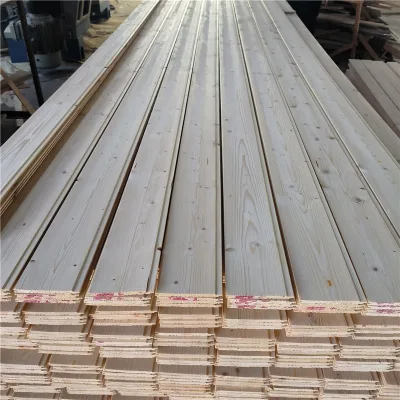
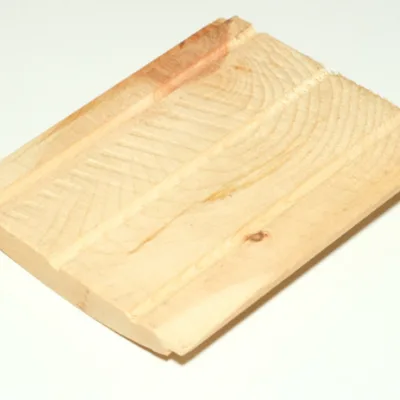
ACP products are frequently cited with features such as being lightweight, fireproof, and environmental-friendly. These panels often come in standard dimensions like 1220*2440mm, which aligns with common construction sheet sizes. In contrast, WPC wall panels are marketed for their moisture-proof and waterproof capabilities, making them suitable for environments where humidity is a concern. These panels may feature a wooden texture finish, bridging the gap between the warmth of natural wood and the durability of synthetic composites. Solid wood options are also present, characterized by a "Top Grade" classification and specific applications such as panel lines or wood lines.
The distinction is critical because the "lacquered" finish interacts differently with each substrate. A lacquer on a solid wood panel will highlight the natural grain but may be susceptible to expansion and contraction. Conversely, a lacquered finish on an ACP or WPC substrate provides a uniform, high-gloss appearance that is resistant to warping. Buyers should verify the specific material composition before finalizing a design, as the performance characteristics regarding fire rating, thermal insulation, and soundproofing vary significantly between ACP, WPC, and solid wood options. The observed product attributes indicate that customization is widely available across these material types, allowing for tailored solutions that meet specific aesthetic and functional requirements.
Technical Specifications and Dimensional Standards
Technical specifications form the backbone of any successful procurement process for wall panels. The market data reveals a variety of standard and custom dimensions that buyers must navigate. Standard sizes frequently observed include 12202440mm for larger sheet panels, which are ideal for covering extensive wall surfaces with minimal joints. For specific profile applications, such as decorative lines or cladding, dimensions may differ significantly, with observed specifications including 15621mm for WPC profiles.
The section geometry is another vital technical parameter. Products are available in straight sections, which are standard for flat wall applications, but the "Wood Line" category suggests that profiled sections are also common for decorative trim. The surface finishing is described as "Elegant Surface," indicating a high-quality aesthetic finish that is crucial for modern interior design styles. Buyers should note that while standard sizes exist, the "Customized Available" attribute is prevalent across the supply base. This means that lead times and pricing will fluctuate based on whether the order adheres to standard stock dimensions or requires bespoke manufacturing.
Packaging standards also play a role in technical logistics. Products are typically shipped in wooden boxes, on wooden pallets, or in standard export cartons with specific counts per carton, such as 10 pieces per carton. For custom orders, packing may be adjusted to "Pallet Customized" or "K/D" (Knock-Down) configurations to optimize container space and prevent damage during transit. The "Standard or Customized" standard designation suggests that manufacturers can adapt their production lines to meet specific size requirements, but this flexibility must be confirmed with the supplier prior to order placement.
Compliance, Certification, and Safety Standards
Compliance with international and regional safety standards is non-negotiable when sourcing wall panels for commercial or residential projects. The observed product data highlights a robust array of certifications that buyers should verify. Common certifications include CE, ISO, SGS, CCC, and ISOROHS. These marks indicate adherence to specific quality management systems, environmental standards, and safety protocols. For instance, the presence of "Waterproof" and "Anti-Static" certifications suggests that certain products are tested for specific environmental resistances, while "Soundproof" and "Thermal Insulation" certifications point to acoustic and energy efficiency capabilities.
Fire safety is a paramount concern in modern construction. The data explicitly lists "Fire Rating: 1" and "Fireproof" as key attributes for several product lines. However, buyers must understand that fire ratings can vary by region and specific test standards (such as ASTM, EN, or GB). The "ISOROHS" certification indicates compliance with restrictions on hazardous substances, which is increasingly important for indoor air quality and environmental regulations.
When evaluating suppliers, buyers should request valid, up-to-date certification documents rather than relying solely on marketing claims. The "ISO" and "SGS" certifications mentioned in the data are third-party validations that add credibility to the product's performance claims. It is essential to verify that the specific batch of panels being ordered carries the same certification status as the samples reviewed. Additionally, the "CCC" (China Compulsory Certification) is a mandatory requirement for products sold within the Chinese market, and its presence suggests the manufacturer has met domestic regulatory thresholds. For international projects, ensuring that the CE mark is valid for the target European market is equally critical.
Cost Drivers and Pricing Dynamics
The pricing for Modern Lacquered Wood Wall Panels is influenced by a complex interplay of material costs, customization levels, and order volume. The observed price range in the market spans from $0.23 to $580 USD, a vast disparity that reflects the diversity of product types and specifications. The lower end of this spectrum likely corresponds to standard WPC or ACP panels with minimal customization, while the higher end may involve solid wood variants, complex lacquering processes, or large-scale custom orders.
Order Volume is a primary cost driver. The Minimum Order Quantity (MOQ) ranges from 2 units to 6000 units. Buyers ordering small quantities may face higher per-unit costs due to the fixed costs of setup and production runs. Conversely, bulk orders can significantly reduce the unit price, making the higher end of the price range more accessible for large projects. The "Customized" attribute is another significant cost factor. While customization offers design flexibility, it often incurs additional charges for mold creation, special finishes, and non-standard packaging.
Logistics and origin also impact the final landed cost. Products originating from regions such as Shanghai, Zhejiang, Jiangsu, and Guangdong in China have varying production costs and shipping profiles. The "Wooden-Box" or "Wooden Pallet" packaging, while protective, adds weight and volume to the shipment, potentially increasing freight costs. Buyers should request a detailed breakdown of costs, including material, labor, packaging, and logistics, to understand the true cost drivers. It is advisable to compare the total cost of ownership, including installation and maintenance, rather than focusing solely on the initial purchase price.
Typical Applications and Design Integration
Modern Lacquered Wood Wall Panels are versatile and find applications in both indoor and outdoor environments. The "Indoor" application is a primary use case, particularly for interior design projects requiring a modern aesthetic. These panels are suitable for residential living rooms, hotel lobbies, office spaces, and commercial retail environments where a sleek, high-gloss finish is desired. The "Wooden Texture" and "Modern" design style attributes make them ideal for creating warm yet contemporary atmospheres.
However, the data also indicates "Outdoor" usage for specific product lines, particularly WPC panels. These are designed for outdoor wall panel decoration and cladding, offering resistance to moisture and weathering. The "Moisture-Proof" and "Waterproof" functions are critical for these applications, ensuring longevity in exposed environments. The "Soundproof" and "Thermal Insulation" features further enhance their suitability for spaces requiring acoustic control or energy efficiency, such as conference rooms or climate-sensitive buildings.
Project solution capabilities are also a key consideration. Suppliers offering "Cross Categories Consolidation" and "Graphic Design" services can provide comprehensive solutions that integrate wall panels with other building materials. This holistic approach ensures that the wall panels complement the overall architectural design. Buyers should evaluate whether the supplier can provide design support to ensure the panels fit seamlessly into the project's aesthetic and functional requirements. The "After-Sale Service" of "Online Technical Support" is also valuable for troubleshooting installation issues or addressing post-installation concerns.
Supplier Evaluation and Quality Assurance
Selecting the right supplier requires a rigorous evaluation process that goes beyond price comparisons. Buyers should assess the supplier's production capabilities, quality control systems, and track record. The "Top Grade" classification for wood materials suggests a focus on high-quality inputs, but this should be verified through site audits or third-party inspections. The "Elegant Surface" finish indicates a commitment to aesthetic quality, which should be confirmed by reviewing physical samples.
Quality control measures should be a central part of the procurement strategy. Buyers must ensure that the supplier has robust processes in place to maintain consistency in color, texture, and dimensions. The "Customized" nature of many orders increases the risk of variability, making strict quality control protocols essential. Buyers should request detailed quality assurance documentation, including test reports for fire resistance, moisture resistance, and structural integrity.
The "Project Solution Capability" of the supplier is another indicator of reliability. Suppliers that offer graphic design and cross-category consolidation are better equipped to handle complex projects and provide integrated solutions. The availability of "Online Technical Support" is a positive sign of post-sales commitment, ensuring that buyers have access to assistance if issues arise during installation or maintenance.
Long-Term Procurement Considerations
Long-term procurement planning involves more than just the initial purchase; it encompasses maintenance, scalability, and supply chain stability. The "After-Sale Service" of "Online Technical Support" is a critical factor for long-term satisfaction. Buyers should evaluate the responsiveness and expertise of the support team to ensure they can address any future issues promptly.
Scalability is another important consideration. As projects grow or change, the ability to source additional panels that match the original batch is essential. Buyers should inquire about the supplier's capacity to maintain consistent production standards over time and their ability to handle repeat orders. The "Customized Available" attribute suggests that suppliers can adapt to changing needs, but this flexibility must be balanced with the potential for increased lead times and costs.
Supply chain stability is also crucial. The "Place of Origin" being in China, specifically in regions like Shanghai, Zhejiang, and Guangdong, indicates a mature manufacturing ecosystem. However, buyers should be aware of potential logistical challenges, such as shipping delays or customs issues, and plan accordingly. Establishing a long-term relationship with a reliable supplier can mitigate these risks and ensure a steady supply of high-quality wall panels.
Final Recommendations for Buyers
In conclusion, sourcing Modern Lacquered Wood Wall Panels requires a careful balance of technical understanding, compliance verification, and strategic supplier selection. Buyers should prioritize products that meet their specific application needs, whether indoor or outdoor, and ensure that all certifications and safety standards are verified. The vast price range and MOQ variability necessitate a clear understanding of budget constraints and order volumes. By focusing on quality control, long-term support, and comprehensive project solutions, buyers can secure a reliable supply of high-performance wall panels that enhance the aesthetic and functional value of their projects.
FAQs
What certifications do Modern Lacquered Wood Wall Panels have?
These panels typically carry CE, ISO, SGS, CCC, and ISOROHS certifications. Some products also feature specific performance marks like waterproof, anti-static, soundproof, and thermal insulation, ensuring compliance with international safety and environmental standards.
Can I customize the size and color of these wall panels?
Yes, customization is widely available for both size and color. Standard dimensions include 1220*2440mm or 156*21mm profiles, but buyers can request bespoke sizes and colors to match specific design requirements for indoor or outdoor applications.
Which materials are used for Modern Lacquered Wood Wall Panels?
The market offers panels made from Aluminum Composite Panels (ACP), Wood Plastic Composites (WPC), and solid wood. ACP panels are lightweight and fireproof, while WPC offers moisture resistance, and solid wood provides a top-grade natural aesthetic.
How are these panels packaged for shipping from China?
Products are commonly shipped in wooden boxes, on wooden pallets, or in standard export cartons. Specific packing options include 10 pieces per carton, K/D configurations, or customized pallets to ensure safe transit from origins like Shanghai or Guangdong.
What is the price range for Modern Lacquered Wood Wall Panels?
The observed price range spans from 0.23 to 580 USD per unit. Costs vary significantly based on material type, customization levels, order volume, and specific technical specifications required for the project.
Where are these wall panels manufactured?
Manufacturing locations include major industrial hubs in China such as Shanghai, Zhejiang, Jiangsu, and Heshan Jiangmen Guangdong. These regions provide access to a diverse supply base for various material types and production capacities.
What fire rating do these wall panels achieve?
Many products feature a Fire Rating of 1 and are explicitly described as fireproof. This makes them suitable for both indoor and outdoor applications where fire safety is a critical requirement for commercial or residential construction projects.