Source Modern Large Capacity Storage Box for Home and Office
Find 30 options for a Modern Large Capacity Storage Box designed for indoor and outdoor use. Compare specifications including 21L capacity, PP material, and customized logo availability for tools, apparel, and bedding organization; compare the available evidence and request quotations based on your requirements.
Updated
Key considerations
Products List






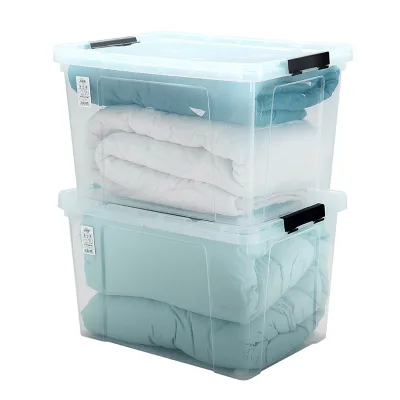


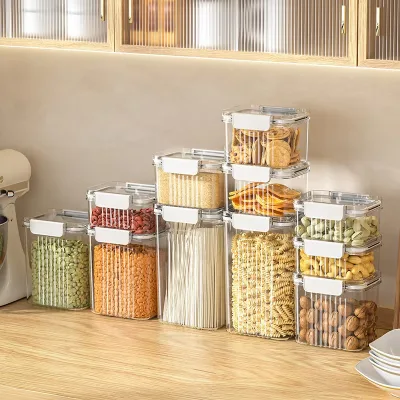
Comprehensive Sourcing Guide
Modern Large Capacity Storage Box Sourcing Guide
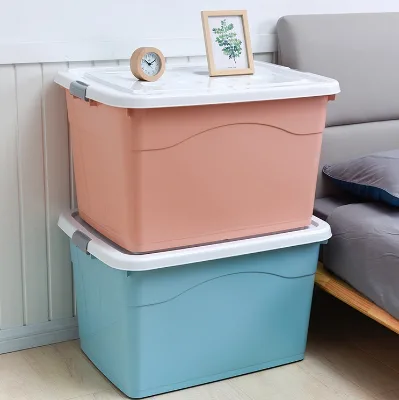
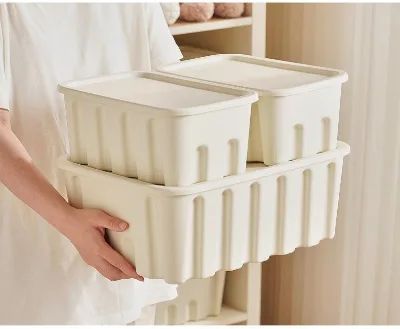
Sourcing modern large capacity storage boxes requires a strategic approach that balances aesthetic integration with functional durability. Buyers must prioritize products that offer versatile indoor and outdoor applications, ensuring the units can withstand varying environmental conditions while maintaining their structural integrity. The emphasis on modern design styles suggests a market demand for sleek, minimalist aesthetics that complement contemporary home or commercial interiors. Procurement teams should evaluate how well the storage solutions align with their specific organizational needs, whether for apparel, bedding, tools, or tableware.
The availability of customization options, including customized logos and specific color palettes, allows businesses to tailor these units to their brand identity or specific project requirements. This flexibility is crucial for commercial buyers such as supermarkets or corporate entities looking to enhance their organizational infrastructure. By focusing on suppliers who offer these tailored solutions, buyers can ensure that the storage boxes not only serve a practical purpose but also contribute to a cohesive visual narrative. Understanding these customization capabilities early in the sourcing process helps in defining clear specifications and avoiding miscommunication with manufacturers.
Product Scope and Observed Listing Signals
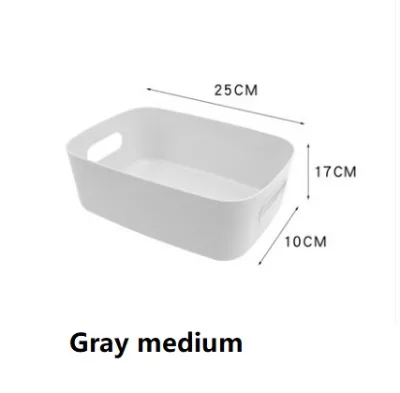
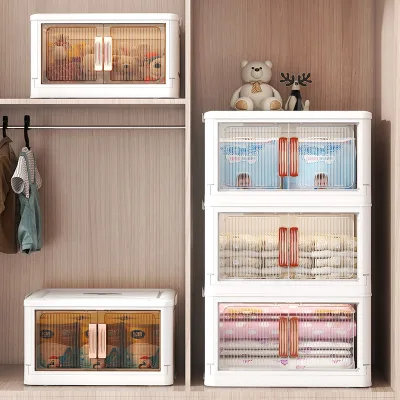
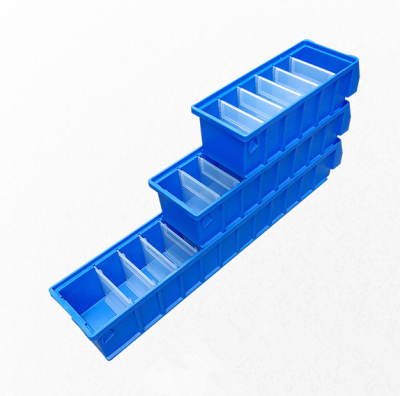
The observed product listings indicate a strong presence of plastic-based storage solutions, with polypropylene (PP) and PP combined with HIPS being the predominant materials. These materials are selected for their balance of lightweight handling and robust load-bearing capabilities, often supporting weights exceeding ten kilograms. The listings highlight a variety of sizes, ranging from small to large, with specific models like HN001 and YN-968B offering distinct dimensions such as 300155335mm. This diversity allows buyers to select units that fit specific spatial constraints while maximizing storage volume, with capacities reaching up to 21 liters for larger rectangular units.
Color options are extensive, including white, green, blue, pink, gray, apricot, cream, and transparent variants, catering to diverse aesthetic preferences. The products are often described as foldable and eco-friendly, with some units featuring heighted green and black standards or optional standard configurations. Buyers should note that while many units are marketed as foldable, specific listings may indicate an unfolded state, requiring verification of the actual storage footprint when deployed. The presence of features like shrink packaging with color and warning labels suggests a focus on retail-ready presentation and clear handling instructions for end-users.
Technical Specifications to Verify
Verifying technical specifications is critical to ensuring that the storage boxes meet operational requirements. Buyers should confirm the exact dimensions and dimensional tolerances, which are often specified as less than ±1cm, to ensure compatibility with existing shelving or storage systems. The material composition, whether pure PP or a blend with ABS, directly impacts durability and resistance to impact. It is essential to verify the load capacity claims, such as the ability to hold more than 10kg, through independent testing or supplier-provided test reports, especially for units intended for heavy items like tools or bulk bedding.
The manufacturing technique, typically injection molding, influences the surface finish and structural consistency of the boxes. Buyers should inquire about the single package size, which may be around 48X36X9 cm for certain models, to calculate shipping volume and logistics costs accurately. Additionally, the origin of production, often in regions like Zhejiang or Guangdong in China, can provide insights into the supply chain dynamics and potential lead times. Confirming these technical details helps in avoiding discrepancies between the ordered specifications and the delivered products, ensuring a smooth procurement process.
Compliance and Safety Documentation
Compliance with safety and quality standards is paramount, particularly for storage boxes intended for food or household use. Buyers should request documentation that verifies adherence to relevant material safety standards, ensuring that the plastics used do not leach harmful substances. While specific standards like ASTM F2057 may be referenced in broader contexts, buyers must confirm the exact certifications applicable to plastic storage containers in their target market. This includes verifying that the materials are food-grade if the boxes are to be used for storing tableware or food items, protecting both the brand and the end-consumer.
Safety labels and warning instructions are also critical components of the product package. Listings indicate that units often come with shrink packaging that includes warning labels, which should be reviewed for clarity and compliance with local labeling regulations. Buyers should ensure that these labels provide adequate information on handling, weight limits, and care instructions to prevent misuse. Additionally, verifying the eco-friendly claims requires understanding the recyclability of the materials and any certifications that support these environmental assertions, aligning with growing consumer demand for sustainable packaging solutions.
Cost Drivers and Commercial Terms
Cost drivers for modern large capacity storage boxes include material costs, customization levels, and order volume. The minimum order quantity (MOQ) can vary significantly, with some listings indicating an MOQ of 1000 pieces, while others may accept lower quantities. Buyers should negotiate terms that align with their inventory needs, considering the trade-off between unit price and order size. The inclusion of customized logos and specific color options may incur additional setup fees or higher per-unit costs, which should be factored into the total cost of ownership.
Commercial terms also encompass packaging and shipping arrangements. Products are often packed in brown boxes or with individual color and warning labels, which affects the packaging cost and shipping efficiency. Buyers should clarify whether the quoted prices include these packaging materials and how they impact the overall logistics cost. Additionally, the availability of samples should be confirmed, as this allows for quality assessment before committing to large orders. Understanding these commercial dynamics helps in budgeting accurately and negotiating favorable terms with suppliers.
Supplier Qualification and Quality Control
Supplier qualification involves assessing the manufacturer’s production capabilities, quality control processes, and reputation. Buyers should verify the supplier’s experience in producing plastic storage boxes, particularly those with modern designs and large capacities. Checking for certifications related to quality management systems, such as ISO standards, can provide assurance of consistent production quality. Additionally, evaluating the supplier’s ability to handle customization requests, such as logo printing and color matching, is essential for meeting specific branding requirements.
Quality control measures should be clearly defined, including in-process inspections and final random inspections before shipment. Buyers should request detailed quality control plans that outline the testing procedures for load capacity, material durability, and dimensional accuracy. Establishing clear acceptance criteria and defect rates is crucial for maintaining product quality. Furthermore, verifying the supplier’s track record and customer feedback can provide insights into their reliability and responsiveness. A robust quality control framework ensures that the delivered products meet the specified standards and reduce the risk of post-delivery issues.
Long-Term Procurement Checks
Long-term procurement checks focus on maintaining supplier performance and adapting to market changes. Buyers should establish regular review cycles to assess supplier performance against key metrics such as on-time delivery, product quality, and responsiveness to issues. Continuous monitoring helps in identifying potential risks early and implementing corrective actions. Additionally, staying informed about advancements in plastic materials and manufacturing techniques can provide opportunities for cost savings or product improvements. Engaging in open communication with suppliers fosters a collaborative relationship that can lead to better pricing and priority service.
Market trends and consumer preferences evolve, requiring buyers to periodically reassess their storage box specifications. This includes evaluating the demand for eco-friendly materials, new color trends, or enhanced functional features. Buyers should also monitor regulatory changes that may impact material safety or labeling requirements. By maintaining a proactive approach to procurement, buyers can ensure that their storage solutions remain relevant and competitive. Regularly updating supplier agreements and quality standards helps in sustaining a reliable supply chain and meeting the changing needs of the end-market.
FAQs
What materials are used for these storage boxes?
These storage boxes are primarily made from PP plastic, with some models combining PP and HIPS or PP and ABS. The material choice ensures durability and suitability for various indoor and outdoor applications while maintaining a modern design style.
Can I get a customized logo on the product?
Yes, customized logos are available for these storage boxes. Buyers can request specific branding to be applied to the product, which is particularly useful for commercial buyers like supermarkets looking to enhance their brand visibility through custom packaging solutions.
What is the minimum order quantity for these boxes?
The minimum order quantity is typically 1000 pieces for these storage boxes. This MOQ applies to the standard large capacity models, though some variations may offer different thresholds depending on the specific product model and customization requirements requested by the buyer.
How large is the capacity of the standard storage box?
The standard large capacity storage box has a volume of 21 liters. Its dimensions are approximately 300 by 155 by 335 millimeters, making it suitable for storing food, apparel, books, tools, bedding, and tableware in both home and commercial settings.
Are these storage boxes foldable for easy storage?
Yes, many of these storage boxes are designed to be foldable when not in use. This feature allows for efficient space saving during storage and transport, making them ideal for home organizers and commercial buyers who need flexible storage solutions for various items.
What colors are available for the storage boxes?
Available colors include white, green, blue, pink, gray, apricot, transparent, and cream. Buyers can select from this range of options to match their specific aesthetic preferences or branding requirements for indoor and outdoor storage applications.
Where are these storage boxes manufactured?
These storage boxes are manufactured in China, with specific production locations in Zhejiang and Guangdong provinces. The origin ensures access to established manufacturing capabilities while maintaining competitive pricing and meeting the high standards required for modern storage solutions.