Source Modern Luxury Acrylic Hang Tag for Garments Bags Jeans
Compare 30 listings for Modern Luxury Acrylic Hang Tag options suitable for garments, bags, and jeans. Buyers can review customization features, material properties, and pricing details from verified suppliers offering these specialized tags.
Key considerations
Products List


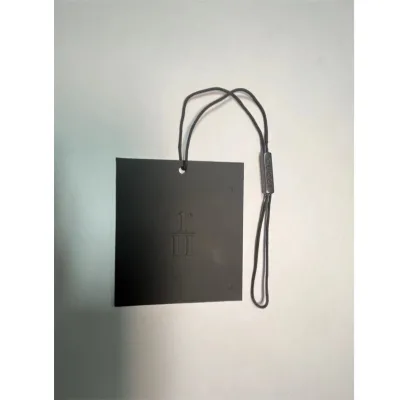
Comprehensive Sourcing Guide
Strategic Sourcing Guide for Modern Luxury Acrylic Hang Tags
The global apparel and luxury goods market increasingly demands packaging solutions that bridge the gap between functional utility and high-end aesthetic appeal. While the core keyword "Modern Luxury Acrylic Hang Tag" suggests a specific material profile, a rigorous procurement analysis reveals a complex landscape where material definitions, customization capabilities, and supply chain logistics must be carefully aligned. Buyers seeking to source these items must navigate a market where "luxury" is defined not just by the raw material, but by the precision of the craft, the durability of the finish, and the ability to integrate advanced security features. This guide provides a disciplined framework for evaluating suppliers, understanding technical constraints, and ensuring that the final product meets the exacting standards of modern luxury branding.
Material Composition and Technical Specifications
When sourcing hang tags, the primary distinction lies in the material composition. While the search term specifies "acrylic," the actual product data available in the current market landscape indicates a significant prevalence of paper-based and leather-based alternatives that often serve the same luxury function. A comprehensive sourcing strategy must therefore verify the exact material composition of the supplier's inventory. The observed market data highlights products where the material is explicitly listed as "Paper" or "Leather," with specific model numbers such as "Jeans Leather Label" and "Leather Tag-3." These items often compete directly with acrylic tags in the luxury segment due to their tactile qualities.
For buyers specifically targeting acrylic, the technical verification process must focus on clarity, thickness, and weight. Acrylic tags are valued for their transparency and ability to hold vibrant, high-resolution prints without the fiber texture inherent in paper. However, the supplied facts indicate that many luxury tags utilize a "Thickness" specification of 400grs, which is a standard metric for heavy cardstock rather than plastic. If a buyer requires a true acrylic product, they must explicitly request specifications regarding the polymer grade, as standard paper-based tags with "Printing Foiling Embossed Dembossed" crafts may not meet the visual requirements of a transparent, high-gloss acrylic finish. The "Craft" attributes observed include "Silk Printing," "Silk Screen," and "Die Cut," which are applicable to both paper and acrylic, but the substrate must be confirmed to ensure the desired "Modern Luxury" aesthetic is achieved.
Customization Capabilities and Design Flexibility
The definition of "luxury" in the hang tag sector is inextricably linked to the degree of customization available. The market data confirms that "Customization" is a primary attribute, with "Customized Designs" and "Customized" standards being the norm rather than the exception. Suppliers typically offer a wide array of design services, accepting file formats such as "Ai," "CDR," and "Pdf," which are industry standards for vector graphics. This flexibility allows brands to implement complex "Customized Designs" that include specific branding elements, unique shapes, and intricate detailing.
The "Shape" of the tag is another critical customization factor. While standard rectangular tags exist, the data notes the availability of "Other Special Shape" options, including "Die Cut" finishes. For a modern luxury brand, the ability to deviate from standard geometry is often essential for brand differentiation. Furthermore, the "Color" options are described as "All Panton Color," ensuring that the brand's specific color palette can be matched with high fidelity. This is particularly important for luxury goods where color consistency is a hallmark of quality. The "Logo" can be applied "According to Your Request," allowing for the integration of embossed, debossed, or foil-stamped elements. Buyers should verify that the supplier's "Craft" capabilities, such as "Embossed" and "Dembossed," are compatible with the chosen material, as these techniques yield different results on paper versus acrylic substrates.
Functional Features and Performance Attributes
Beyond aesthetics, luxury hang tags must perform specific functional roles, ranging from durability to security. The observed product attributes list a robust set of features including "Waterproof," "Moisture-proof," "Biodegradable," "Recyclable," and "Anti-counterfeit." These features address both the environmental expectations of modern consumers and the security needs of high-value brands. For instance, the "Waterproof" and "Moisture-proof" attributes are crucial for tags that may be exposed to the elements during shipping or storage, or for tags intended to be attached to items like denim or outdoor gear where durability is paramount.
The "Anti-counterfeit" feature is particularly relevant for luxury goods, where brand protection is a top priority. While the data mentions "Barcode" as a feature, the integration of anti-counterfeit technology often requires more than a simple barcode; it may involve unique serial numbers, QR codes, or specialized printing techniques that are difficult to replicate. Buyers must inquire about the specific mechanisms used for anti-counterfeiting, as the mere presence of a barcode does not guarantee security. Additionally, the "Eco-Friendly" and "Biodegradable" attributes suggest a growing trend toward sustainable luxury. However, there is a potential conflict between "Acrylic" (a plastic) and "Biodegradable" claims. If a buyer seeks a truly eco-friendly luxury tag, they may need to consider the paper or leather alternatives listed in the data, which are explicitly marked as "Eco-Friendly" and "Recyclable," rather than standard acrylic, unless the supplier can provide verified biodegradable acrylic certifications.
Cost Drivers and Procurement Economics
Understanding the cost structure of luxury hang tags is essential for effective budget management. The observed "MOQ" (Minimum Order Quantity) ranges from 100 to 10,000 units, with specific listings showing an MOQ of "1000 PCS." This range indicates that the market accommodates both small-batch luxury launches and large-scale production runs. The "Small Orders: Accepted" attribute suggests flexibility for brands testing new designs or managing limited inventory. However, the "Selling Units" are listed as "Single Item," which implies that pricing may be calculated per unit based on the total volume ordered.
Cost drivers in this sector are heavily influenced by the "Craft" complexity. Tags featuring "Printing Foiling Embossed Dembossed" will naturally command a higher price point than those with simple "Silk Printing." The "Thickness" of the material, such as the observed "400grs," also impacts cost, as heavier materials require more raw resources. Additionally, the "Customized" nature of the product means that design fees, tooling costs for "Die Cut" shapes, and setup charges for specific "Panton Color" matches will be factored into the final price. Buyers should be aware that while the "Observed listed price range" in the data is low (0-3 USD), this likely represents a baseline for standard items and may not reflect the true cost of high-end, fully customized luxury tags with complex features like "Anti-counterfeit" technology or specialized "Leather" materials.
Supplier Evaluation and Operational Reliability
Selecting the right supplier requires a thorough evaluation of their operational capabilities and reliability. The data indicates that the "prod_origin" is primarily "China," with specific mentions of "Guangzhou" as a production hub. This region is known for its robust manufacturing ecosystem, but buyers must verify the specific factory capabilities to ensure they meet luxury standards. The "Supply" is described as "Large," and "Export" experience is noted as "Rich," suggesting that established suppliers have the capacity to handle international orders and navigate logistics.
Key evaluation criteria should include the "Delivery" lead time, which is listed as "3-5 days or Negotiate." While this is a short timeframe, it is crucial to clarify whether this refers to sample production or mass production. For luxury brands, consistency in lead times is vital for supply chain planning. The "Sample" process is described as "According to Your Question," indicating a flexible approach to prototyping. Buyers should request physical samples to verify the "Craft" quality, color accuracy, and material integrity before committing to a large order. Furthermore, the "prod_packing" methods, such as "by Carton" or "Carton or Box," must be evaluated to ensure that the tags arrive in pristine condition, free from damage or moisture.
Quality Control and Compliance Verification
Quality control is the final barrier between a luxury brand and a compromised product experience. The observed "prod_standard" is listed as "Customized" or "As per request," which places the onus on the buyer to define the specific quality metrics. Buyers should establish clear acceptance criteria for "Print" quality, ensuring that "Silk Printing" and "Silk Screen" techniques produce sharp, consistent results without smudging or color bleeding. The "Feature" list includes "Handmade," which implies a level of artisanal quality, but this must be verified through physical inspection to ensure that the "Handmade" aspect adds value rather than introducing inconsistency.
Regarding compliance, the data mentions "EN13432" and "ASTM D6400" as low-confidence background standards. These are recognized standards for biodegradability and compostability. However, the guide advises against asserting compliance with these standards unless the supplier provides verified documentation. If a buyer requires a biodegradable tag, they must request specific test reports confirming compliance with these or equivalent standards. Similarly, for "Anti-counterfeit" claims, buyers should demand evidence of the technology's effectiveness, such as third-party security audits or successful track records in preventing counterfeiting. The "Characteristic" of being "Washable" is also a critical quality metric for tags intended for garments; buyers should test the durability of the tag after washing cycles to ensure it does not degrade or detach prematurely.
Long-Term Procurement and Supply Chain Strategy
Sourcing modern luxury hang tags is not merely a transactional activity but a strategic partnership that impacts brand perception over the long term. The "Applications" listed, including "Garment," "Jeans," "DIY," "Bags," and "Overcoat," demonstrate the versatility of these products. However, a luxury brand must ensure that the supplier can scale with their growth. The "Supply" being "Large" is a positive indicator, but buyers should assess the supplier's ability to maintain quality consistency as order volumes increase.
Long-term considerations also include the sustainability of the supply chain. With the "Eco-Friendly" and "Recyclable" attributes being prominent, brands should prioritize suppliers who can demonstrate a commitment to environmental responsibility. This may involve sourcing materials from sustainable origins or utilizing eco-friendly production processes. The "Design" flexibility allows for continuous innovation, enabling brands to refresh their packaging strategy without changing suppliers. By maintaining a close relationship with a reliable supplier, brands can ensure that their hang tags remain a seamless extension of their luxury identity, balancing aesthetic excellence with functional performance and ethical sourcing practices.
FAQs
What customization options are available for hang tags?
Customized designs are available with options for printing, foiling, embossing, and debossing. Buyers can request specific Pantone colors and special shapes like die cuts to match brand identity.
Can I order small quantities of these tags?
Small orders are accepted with a minimum order quantity of 1000 pieces for most items. Some suppliers may negotiate different terms, but the standard baseline requires at least 1000 units.
What materials are used for luxury hang tags?
Products are available in paper and leather materials, with leather tags specifically noted for jeans and garments. While acrylic is the search term, the current data highlights paper and leather as primary options.
How long does delivery take for these tags?
Delivery typically takes 3 to 5 days or can be negotiated based on order specifics. This lead time applies to production and shipping from the origin locations in China.
Are these tags waterproof and eco-friendly?
Features include waterproof, moisture-proof, biodegradable, and recyclable properties depending on the specific product. These attributes ensure durability and align with eco-friendly standards for modern branding.
What file formats are accepted for custom designs?
Accepted file formats include Ai, CDR, and Pdf for vector graphics and design submission. This ensures high-quality printing and precise customization of logos and shapes.
Which industries use these garment tags?
Applications cover garments, jeans, bags, overcoats, and shoes across all kinds of industries. These tags are versatile and suitable for DIY projects as well as commercial apparel.