Source Modern Padded Louis Chair for Hotel, Dining, and Bedroom
Explore 30 listings for the Modern Padded Louis Chair, featuring options in wood, synthetic leather, and rattan. Compare specifications such as lacquered finishes, padded backs, and various colors including blue, brown, and black to find the right fit for your hotel, dining room, or bedroom needs.
Key considerations
Products List


Stylish Contemporary Arched Back Dining Chairs with Comfortable Padded Seats
$23.00 - $25.00
MOQ: 200 Pieces


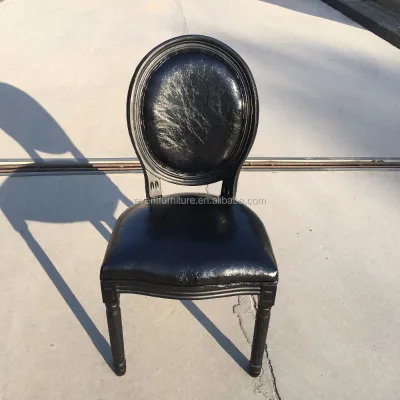
Wholesale french style antique wooden new design stacking louis chair
$42.81 - $53.00
MOQ: 200 Minimum
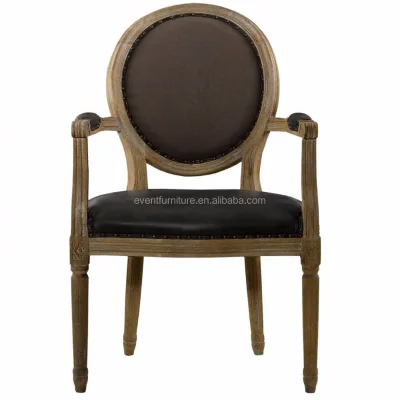
wooden round back louis armrest chair French Louis style solid chair dinning louis chair
$42.92 - $53.14
MOQ: 200 Minimum
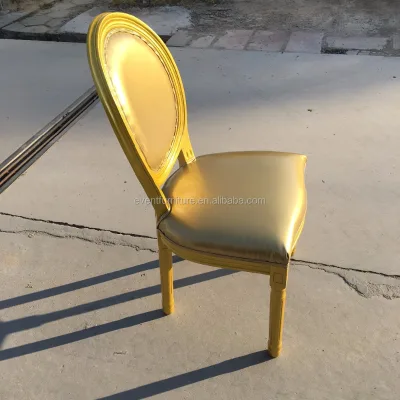
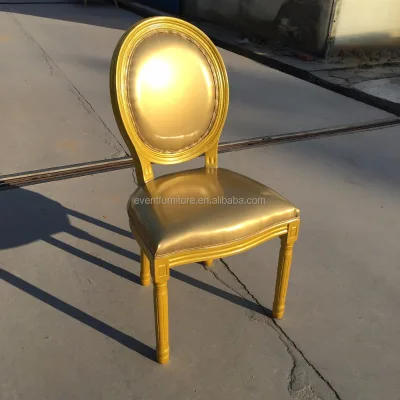
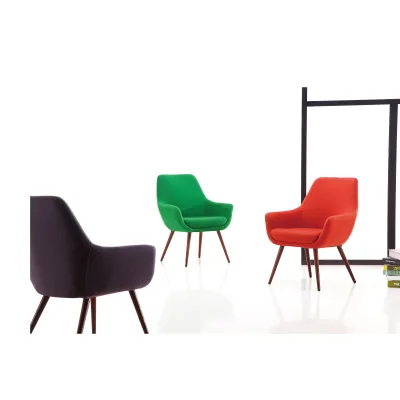
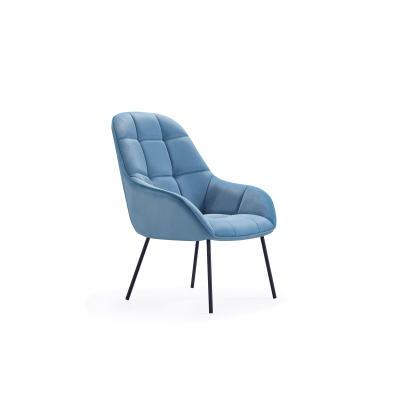


Modern Black Plastic PP Frame High Rebound Comfortable Cushion Louis Dining Chair
$20.00 - $30.00
MOQ: 100 Pieces

Modern Classical Style Louis Dining Chair Upholstered Soft Chair for Living Room
$35.00 - $55.00
MOQ: 50 Pieces


Comprehensive Sourcing Guide
Modern Padded Louis Chair Sourcing Guide
Procuring modern padded Louis chairs requires balancing historical elegance with contemporary comfort standards. Buyers must verify that the "Modern" style designation aligns with the specific structural requirements of the Louis silhouette, ensuring the frame geometry supports the intended padded backrests without compromising stability. The observed market data indicates a strong preference for wood frames, often finished with lacquer to achieve a polished, antique aesthetic while maintaining a modern profile suitable for hotel or dining room environments.
Sourcing decisions should prioritize suppliers who explicitly list "Padded" back options alongside synthetic leather or wood materials, as these combinations define the functional scope of the product. The observed listings confirm that these chairs are designed for indoor use in settings like hotels, dining rooms, and bedrooms, necessitating a focus on durability and aesthetic consistency. Buyers should scrutinize the "Folded" status, noting that most observed units are sold in an unfolded state, which impacts shipping volume and assembly requirements at the destination.
Product Scope and Observed Listing Signals
The product scope for modern padded Louis chairs encompasses a variety of configurations, including square and rectangular shapes with or without armrests. Observed listings reveal distinct variations in color, ranging from black and white to natural wood tones and antique finishes, allowing buyers to match specific interior design themes. The material composition frequently involves solid wood frames paired with synthetic leather upholstery, providing a cost-effective alternative to full-grain leather while maintaining a luxurious appearance for high-traffic commercial spaces.
Listing signals indicate that customization is a key differentiator, with many suppliers offering tailored options for frame finishes and cushioning density. The "Knock Down" attribute is consistently marked as "No" in the observed data, suggesting that these chairs are typically shipped as fully assembled units, which simplifies the receiving process but increases the risk of transit damage. Buyers must carefully review the "Prod Packing" details, as options range from standard carton boxes to export-specific packaging, directly influencing the protection level during international freight.
Technical Specifications to Verify
Technical verification must begin with precise dimensional analysis, as observed models vary significantly in size, with some specifications listed in inches and others in centimeters. Buyers should confirm the exact width, depth, and height measurements, such as the W57D45H95.5 CM standard, to ensure compatibility with existing furniture layouts and space constraints. The "Shape" attribute, whether square or rectangle, dictates the seating capacity and visual balance, requiring strict adherence to the supplier's provided schematics to avoid mismatches in the final installation.
Weight and load capacity are critical technical parameters that influence both shipping costs and structural integrity. Observed net weights range from approximately 5.05 kg to 6 kg, with gross weights slightly higher to account for packaging materials. Buyers must verify the loading capacity per container, noting that a 20GP container may hold around 176 to 200 pieces depending on the specific model, while a 40HQ can accommodate up to 810 pieces. These figures are essential for calculating accurate freight expenses and ensuring the order volume fits within logistical constraints.
Compliance and Safety Documentation
Compliance documentation for modern padded Louis chairs should focus on material safety and structural stability, particularly for furniture intended for commercial hospitality use. While specific certification names are not universally listed in the provided data, buyers must request proof that the synthetic leather and wood materials meet relevant flammability and formaldehyde emission standards for the destination market. The "Export-specific Packaging" standard mentioned in the listings suggests a baseline of quality control, but explicit safety test reports for the finished product are necessary to mitigate liability risks.
Safety verification also extends to the structural integrity of the padded back and the stability of the wood frame. Buyers should ensure that the lacquered finish on the wood frame is non-toxic and durable enough to withstand frequent cleaning in hotel or dining environments. Documentation regarding the "Frame Finish" process is crucial, as improper curing can lead to peeling or off-gassing issues. Procurement teams must demand a certificate of analysis for the upholstery materials to confirm they are free from harmful substances, ensuring the chairs are safe for prolonged human contact.
Cost Drivers and Commercial Terms
Cost drivers for modern padded Louis chairs are heavily influenced by the choice of materials, specifically the distinction between solid wood and synthetic leather components. The observed price range of 8 to 200 USD reflects significant variance based on the complexity of the padding, the quality of the wood finish, and the level of customization requested. Buyers should analyze the cost per unit relative to the "Net Weight" and "Gross Weight," as heavier units incur higher freight charges, which can erode the initial savings from a lower base price.
Commercial terms must address the "Lead Time," which is observed to be approximately 50 days for production, a factor that significantly impacts inventory planning and cash flow. The "MOQ" range of 1 to 200 pieces offers flexibility for small buyers but may result in higher per-unit costs for smaller orders. Buyers should negotiate payment terms that align with the production schedule, ensuring that deposits are protected and final payments are contingent upon successful quality inspections before the goods leave the factory.
Supplier Qualification and Quality Control
Supplier qualification requires a rigorous assessment of their manufacturing capabilities, particularly their experience with wood finishing and upholstery assembly. The observed data indicates a concentration of suppliers in Hebei, China, a region known for furniture production, but buyers must verify the specific factory's capacity to handle "Export-specific Packaging" standards. It is essential to confirm that the supplier has a dedicated quality control team to inspect the "Frame Finish" and "Back" padding consistency before the items are packed into cartons.
Quality control protocols should include random sampling of finished units to check for structural defects, such as loose joints or uneven padding. Buyers must verify that the "Prod Model" numbers correspond to the exact specifications agreed upon in the purchase order, as variations in model numbers like ZG16-025 and ZG16-026 may indicate different dimensions or features. Establishing a clear communication channel for pre-shipment inspections ensures that any deviations from the "Style" or "Color" requirements are identified and rectified before the goods are loaded into containers.
Long-Term Procurement Checks
Long-term procurement checks should focus on the consistency of the "Frame Finish" and the durability of the synthetic leather over time. Buyers need to monitor the performance of the lacquered wood frames in varying humidity conditions to prevent warping or cracking, which can compromise the structural integrity of the chair. Regular audits of the supplier's production line are necessary to ensure that the "Padded" backrests maintain their shape and that the stitching remains secure after extended use in high-traffic areas.
Supply chain resilience is another critical area for long-term management, requiring buyers to assess the supplier's ability to maintain lead times and material availability. The observed "Lead Time" of 50 days suggests a need for robust inventory buffers to prevent stockouts during peak seasons. Buyers should also evaluate the supplier's responsiveness to customization requests, ensuring they can adapt to changing design trends or specific client requirements without significant delays or cost increases.
FAQs
How is the Modern Padded Louis Chair constructed?
The Modern Padded Louis Chair is made from solid wood with an upholstered seat and padded back, built as a fixed, unfolded leisure chair. The wooden frame carries a lacquered finish for surface protection, and some versions offer a rattan back option. Since it ships fully assembled rather than knock down, buyers should confirm carton dimensions before ordering.
What customization options are available for this chair?
Customization is available, so buyers can request adjustments to upholstery material, frame finish, and other product details before production. Standard color choices include black, white, natural, and antique, and synthetic leather is offered alongside other materials. When requesting customization, buyers should confirm minimum order quantities, sample approval steps, and the 50-day lead time that applies to production.
What is the typical lead time for an order?
The listed lead time is 50 days, which covers production after order confirmation. Buyers should add separate time for sample approval, quality inspection, and shipping to the destination port. Because customized specifications may affect scheduling, it is practical to confirm the exact timeline with the manufacturer when placing the order and to plan retail or project dates accordingly.
Which colors and finishes can buyers choose from?
Buyers can choose from black, white, natural, and antique colors, with the wooden frame finished in lacquer. Upholstery is padded, and some models pair the padded seat with a rattan back for a traditional look. Since customization is available, other color or finish combinations may be possible, but buyers should confirm feasibility and any minimum quantity requirements before ordering.
What packing and container loading details apply?
Packing uses carton boxes designed for export, and some models are bulk packed at two pieces per carton. Published loading figures include 200 pieces per 20GP and 500 pieces per 40HQ for one model, and 176 pieces per 20GP with 440 pieces per 40HQ for another. Buyers should confirm which figures apply to their selected model before calculating freight.
Where are these chairs produced and what is the usage scope?
The chairs are produced in China, with one listed origin in Hebei province. The stated usage covers hotel and home settings, including dining rooms and bedrooms, and the application extends to kitchen and dining areas. The chairs are designed for indoor use only, so buyers planning covered patios or commercial lobbies should verify suitability with the manufacturer beforehand.
Can buyers order small quantities for sampling first?
Yes, small trial orders are possible because the observed minimum order quantity starts at one piece, though most listings set higher minimums for production runs. Ordering a sample first lets buyers check upholstery comfort, frame finish, and color accuracy. Before committing to volume, confirm the sample cost, the 50-day production lead time, and export carton packing details with the supplier.
What is the weight and size specification of the chairs?
Published weights range around 5.05 to 6 kilograms net, with gross weights of 5.5 to 6.5 kilograms per unit. Listed dimensions include a W20 by D22.5 by H38.5 inch square chair with a 20.5 inch seat height, and a W57 by D45 by H95.5 centimeter rectangle model. Buyers should confirm exact specifications for the chosen model before ordering.