Source Modern Propane Fire Pit Table for Villa Patio and Courtyard
Explore 30 listings for the Modern Propane Fire Pit Table suitable for villa, courtyard, and outdoor garden settings. Buyers can compare specifications including material, design style, and safety features like overheating protection across various models from Chinese manufacturers; compare the available evidence and request quotations based on your requirements.
Key considerations
Products List
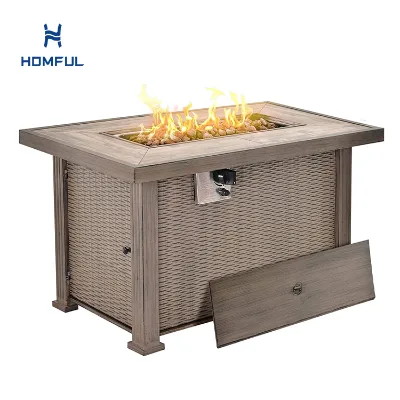
Outdoor Garden Wicker Electric Ignition Gas Fire Pit Table Propane Fire Pit Table
$132.50 - $135.77
MOQ: 50 pieces
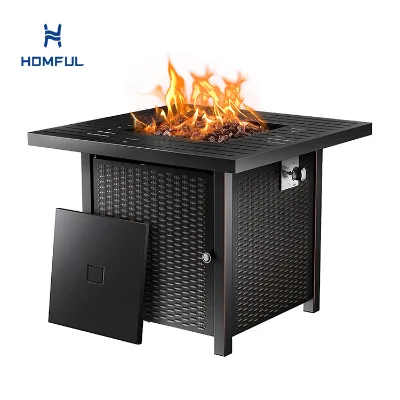


Gas Fire Pit Propane Gas Fire Table Outdoor Natural Gas Fire Pit Table
$300.00 - $450.00
MOQ: 1 Pieces


Heating Patio Concrete Outdoor Propane Gas Garden Fire Pit Firepit Table
$82.00 - $130.00
MOQ: 400 Sets

Outdoor Garden Patio Propane Rectangle Concrete Fire Pit Propane Fire Pit Table
$880.00 - $1300.00
MOQ: 1 Pieces

Modern Winter Smokeless Propane Garden Outdoor Fire Table Gas Fire Pit Table
$880.00 - $1300.00
MOQ: 1 Pieces

New Outdoor Propane Fire Pit Backyard Rectangle Pedestal Gas Fire Pit Table
$880.00 - $1300.00
MOQ: 1 Pieces

Modern Rectangular steel Fire Pit Table Outdoor Propane Large Gas Fire Table
$880.00 - $1300.00
MOQ: 1 Pieces


Rectangle Table Fire Pit Outdoor Gas Fire Pit Table Long Burner Firepit
$880.00 - $1300.00
MOQ: 1 Pieces

Modern Outdoor Stainless Steel Square Rectangle Gas Burner Propane Fire Pit Table
$119.00 - $149.00
MOQ: 10 sets

Patio Garden BBQ Square Gas Burner Fire Pit Outdoor Propane Gas Fire Pit Table
$129.99 - $149.99
MOQ: 10 Sets


Outdoor Propane Gas Fire Pit Rectangle Outdoor Fire Pit Table Garden Table
$100.00 - $220.00
MOQ: 5 Pieces

PE Rattan Square Gas Burner Fire Pit Outdoor Propane Gas Fire Pit Table
$100.00 - $280.00
MOQ: 5 Pieces


Garden Furniture Gas Fire Pit Table Outdoor Propane Fire Pit Manufacturer
$135.00 - $145.00
MOQ: 100 Pieces

Comprehensive Sourcing Guide
Modern Propane Fire Pit Table Sourcing Guide
Sourcing modern propane fire pit tables requires balancing aesthetic appeal with rigorous safety and performance standards. These units serve as central focal points for outdoor living spaces, including villas, courtyards, and patios, offering both warmth and ambiance. Buyers must distinguish between freestanding designs and integrated table formats, ensuring the selected model aligns with the intended installation environment. The market offers various styles, predominantly modern, with materials ranging from corten steel to stainless steel, each presenting distinct maintenance and durability profiles.
Procurement decisions should also account for operational flexibility and user experience. Many units feature adjustable thermostats and overheating protection mechanisms, which are critical for safe operation in residential settings. While some models include remote controls, others rely on manual ignition, impacting convenience and cost. Understanding these functional differences helps buyers select products that meet specific user expectations for ease of use and reliability, ensuring the final product enhances the outdoor living experience without compromising safety or aesthetic integrity.
Product Scope and Observed Listing Signals
The current market landscape for modern propane fire pit tables reveals a diverse range of product attributes and specifications. Listings indicate a price range of $82 to $1,300 USD, reflecting variations in material quality, size, and brand positioning. Minimum order quantities (MOQ) typically start at one piece, catering to both individual buyers and bulk procurement needs. This wide MOQ range suggests flexibility for small-scale retailers and large distributors alike, allowing for tailored purchasing strategies based on inventory requirements and market demand.
Observed product features highlight a strong emphasis on durability and design. Common materials include metal, specifically corten steel and stainless steel, chosen for their resistance to weathering and modern aesthetic appeal. Colors vary from brown and black to yellow, allowing for customization to match various outdoor decor themes. Additionally, many units are designed for all-season use, with features like easy cleaning and pre-rusted surfaces enhancing their longevity. These signals indicate a mature market where buyers can find products tailored to specific stylistic and functional preferences.
Technical Specifications to Verify
Verifying technical specifications is crucial to ensure the fire pit table meets performance and safety expectations. Key dimensions such as diameter and height should be confirmed, with common sizes including 600mm, 800mm, 1000mm, 1200mm, and 1500mm diameters. Buyers should also check the fuel type, which is typically propane gas, and ensure compatibility with standard propane tanks. The presence of features like overheating protection and adjustable thermostats should be explicitly verified, as these are critical for safe and efficient operation in various weather conditions.
Material composition and construction quality are equally important. Corten steel offers a rustic, pre-rusted look that develops over time, while stainless steel provides a sleek, modern finish with high corrosion resistance. Buyers should inspect welding quality and surface treatments to ensure durability against outdoor elements. Additionally, the installation type, often freestanding, should be confirmed to ensure stability and ease of placement. Verifying these technical details helps prevent mismatches between product expectations and actual performance, ensuring a satisfactory procurement outcome.
Compliance and Safety Documentation
Compliance with safety standards is non-negotiable for propane fire pit tables, given the inherent risks associated with gas appliances. Buyers must request certification documents, such as CE marks, to verify that the product meets European safety and environmental standards. These certifications indicate that the manufacturer has undergone rigorous testing for gas leakage, structural integrity, and operational safety. Without proper documentation, buyers risk importing non-compliant products that could lead to legal liabilities and safety hazards.
Beyond certifications, buyers should inquire about specific safety features included in the design. Overheating protection mechanisms are essential to prevent accidents during prolonged use. Additionally, the presence of automatic shut-off valves and stable base designs contributes to overall safety. Buyers should also verify that the product includes clear instruction manuals and warning labels in the target market language. Ensuring comprehensive safety documentation and features protects both the buyer and the end-user, fostering trust and reducing the risk of product-related incidents.
Cost Drivers and Commercial Terms
Several factors influence the cost of modern propane fire pit tables, including material quality, size, and manufacturing complexity. Corten steel and stainless steel are premium materials that increase production costs but offer superior durability and aesthetic value. Larger diameters and additional features like remote controls or advanced thermostats also contribute to higher prices. Buyers should consider the total cost of ownership, including maintenance and potential replacement parts, rather than focusing solely on the initial purchase price.
Commercial terms such as MOQ, lead times, and payment conditions significantly impact procurement strategy. While many suppliers offer low MOQs, bulk orders may provide better unit pricing. Buyers should negotiate clear terms regarding shipping, insurance, and return policies to mitigate risks. Additionally, understanding the supplier’s production capacity and lead times helps in planning inventory levels and meeting customer demand. Transparent commercial terms ensure a smooth procurement process, minimizing unexpected costs and delays.
Supplier Qualification and Quality Control
Selecting a qualified supplier is essential for ensuring product quality and reliability. Buyers should verify the supplier’s manufacturing capabilities, including their experience with metalworking processes like cutting, welding, and rusting. Suppliers located in regions known for metal fabrication, such as Zhejiang and Henan in China, may offer competitive advantages in terms of expertise and cost efficiency. Additionally, checking the supplier’s track record and customer reviews can provide insights into their reliability and product consistency.
Quality control measures should be explicitly discussed with potential suppliers. Buyers should inquire about inspection processes, including pre-production samples and final product checks. Suppliers that offer sample availability allow buyers to evaluate product quality before committing to large orders. Additionally, understanding the supplier’s approach to defect management and warranty policies is crucial. A robust quality control system ensures that products meet specified standards, reducing the risk of receiving defective or substandard goods.
Long-Term Procurement Checks
Long-term procurement success depends on continuous monitoring of product performance and supplier reliability. Buyers should establish feedback loops with end-users to gather insights on product durability, ease of use, and maintenance requirements. This feedback can inform future purchasing decisions and help identify areas for improvement. Additionally, staying updated on industry trends and technological advancements ensures that the product range remains competitive and relevant in the market.
Regular audits of supplier performance and product quality are also essential. Buyers should periodically review supplier certifications, production processes, and compliance records to ensure ongoing adherence to standards. Building strong relationships with suppliers fosters collaboration and innovation, leading to better product offerings and competitive pricing. By implementing these long-term checks, buyers can maintain a high-quality product portfolio and sustain a competitive edge in the outdoor furniture market.
FAQs
What materials are used for modern propane fire pit tables?
These units are typically constructed from durable metal materials such as stainless steel or corten steel. Corten steel offers a pre-rusted aesthetic suitable for outdoor environments, while stainless steel provides long-term resistance to corrosion. Both materials ensure the structure remains sturdy and visually appealing for villa or courtyard settings.
Can modern propane fire pit tables be used indoors?
Yes, many models are designed for both indoor and outdoor usage. They feature freestanding installations that fit well in patios or courtyards. However, proper ventilation is essential for indoor use. Always verify the specific product specifications to ensure the unit meets safety standards for enclosed spaces before operation.
What certifications do modern propane fire pit tables have?
Manufacturers often provide CE certification to ensure compliance with European safety and quality standards. This certification indicates that the gas fireplace meets rigorous regulatory requirements for performance and safety. Buyers should request valid certification documents from suppliers to verify that the specific model adheres to these essential safety protocols.
How is the packaging handled for modern propane fire pit tables?
Products are typically packed in wooden cases, pallets, or cartons to ensure safe transit. Some suppliers offer customized packing requirements to protect the metal finish during shipping. This robust packaging prevents damage to the corten steel or stainless steel surfaces, ensuring the item arrives in pristine condition for installation.
What is the typical weight of a Modern Propane Fire Pit Table?
A standard unit often weighs approximately 72 pounds, providing stability without being overly heavy. This weight helps prevent tipping in outdoor settings like gardens or patios. The substantial mass contributes to the overall durability of the metal construction, making it a reliable centerpiece for outdoor gatherings and events.
Are remote controls included with modern propane fire pit tables?
Most standard models are supplied without remote controls, requiring manual operation. Users typically adjust the flame using built-in knobs or valves. While some advanced units may offer optional remote features, the base configuration usually relies on direct manual control for ignition and flame adjustment during outdoor use.