Source Modern Rechargeable LED Table Lamp for Home, Bedroom, and Learning
Find 30 options for a Modern Rechargeable LED Table Lamp suitable for home, bedroom, and learning spaces. Compare specifications including power source, voltage, and certifications from verified suppliers to identify the best fit for your needs.
Key considerations
Products List


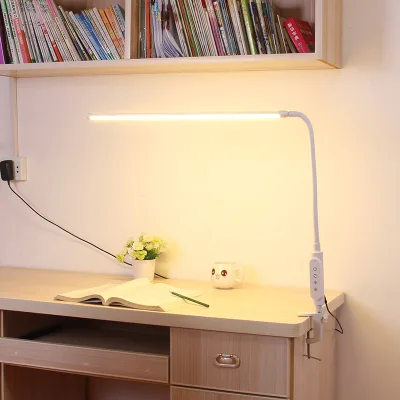


Comprehensive Sourcing Guide
Strategic Sourcing Guide for Modern Rechargeable LED Table Lamps
The global market for modern rechargeable LED table lamps has evolved from a niche lighting category into a critical segment for residential, educational, and commercial procurement. Buyers seeking these products must navigate a complex landscape where "modern" design aesthetics intersect with specific technical requirements for battery autonomy, light quality, and regulatory compliance. This guide provides a disciplined approach to sourcing, grounded in observed market data and verified product attributes, to ensure procurement decisions are based on factual evidence rather than marketing assertions.
Technical Specifications and Light Quality Parameters
When evaluating modern rechargeable LED table lamps, the primary technical focus must be on the light source characteristics and power management systems. The observed market data indicates a strong prevalence of LED technology, with specific attributes noting a Color Rendering Index (CRI) greater than 90. This high CRI value is essential for applications requiring accurate color perception, such as study areas or professional workspaces, as it ensures that objects appear in their true colors under the lamp's illumination. Furthermore, the Color Correlated Temperature (CCT) ranges observed span from 2700K to 6500K. This wide spectrum allows buyers to source lamps suitable for various environments, from the warm, cozy ambiance of 2700K for living rooms to the cool, alerting 6500K required for focused tasks in offices or classrooms.
Power consumption is another critical specification. Data points suggest that many units in this category operate at power levels of 5W or less, aligning with energy efficiency goals. However, the power source configuration varies significantly. While some units are designed with a built-in lithium battery for cordless operation, others rely on AC power sources with USB connectivity. The presence of a DC motor in certain models suggests the inclusion of adjustable features, such as flexible necks or rotating heads, which are common in modern designs. Buyers must verify the specific battery type, as the market shows a mix of rechargeable battery configurations. It is imperative to confirm whether the battery is integrated or removable, as this impacts long-term maintenance and replacement costs. Additionally, the switch type varies between push-button and remote control mechanisms, offering different user experiences that should be matched to the intended application environment.
Compliance and Certification Verification
Regulatory compliance is a non-negotiable aspect of sourcing electronic lighting products, particularly when importing from major manufacturing hubs. The observed product attributes list a comprehensive set of certifications, including CE, RoHS, VDE, GS, ERP, LVD, and CCC. These certifications indicate adherence to specific safety and environmental standards. The CE mark, for instance, is frequently cited and suggests conformity with European health, safety, and environmental protection standards. RoHS compliance ensures that the product does not contain restricted hazardous substances, which is crucial for environmental regulations in many jurisdictions.
However, buyers must exercise caution when interpreting these certifications. The presence of a certification label on a product listing does not automatically guarantee that every unit in a batch is certified. The data shows variations, with some listings mentioning "CE RoHS ERP LVD CE" while others list "RoHS, CE, VDE." This inconsistency highlights the need for rigorous verification. Procurement teams should request valid test reports from independent laboratories to confirm that the specific batch being ordered meets the claimed standards. For markets in China, the CCC (China Compulsory Certification) is a relevant standard, while VDE and GS are specific to the German market. Buyers targeting specific regions must ensure the product carries the exact certifications required for that jurisdiction, rather than relying on a generic list of potential approvals.
Cost Drivers and Pricing Structures
Understanding the cost drivers for modern rechargeable LED table lamps is essential for budgeting and negotiation. The observed price range in the market spans from $0.99 to $50.44 USD. This wide disparity is not merely a reflection of brand value but is driven by several tangible factors. The material composition is a primary driver; products constructed from iron or metal generally command higher prices than those made from plastic, offering greater durability and a premium aesthetic. The inclusion of advanced features, such as touch dimming, color adjustment, and remote control capabilities, also significantly increases the unit cost.
The packaging method is another variable that influences the final price. Data indicates options ranging from simple foam packages to color boxes and cartons. More robust packaging, such as color boxes, adds to the manufacturing cost but is often necessary for retail-ready products. Furthermore, the customization level plays a crucial role. The market data confirms that customization is available, which typically incurs additional tooling and setup fees. Buyers should also consider the Minimum Order Quantity (MOQ), which ranges from 10 to 1000 units. Higher MOQs often result in lower per-unit costs due to economies of scale, but they require a larger upfront capital investment. The origin of the product, specifically from regions like Zhejiang, China, suggests a competitive manufacturing base, but logistics and shipping costs must be factored into the total landed cost.
Typical Applications and Usage Scenarios
The versatility of modern rechargeable LED table lamps allows them to serve a diverse range of applications. The observed data highlights specific usage scenarios, including home environments, restaurants, and educational settings. For residential use, the lamps are often marketed for bedrooms and learning spaces, particularly for children. The feature set of being flexible, cordless, and eco-friendly makes them ideal for bedside reading or homework assistance where wall outlets may be inconvenient.
In commercial settings, the application extends to restaurants and other hospitality venues. The modern style and available frame colors, such as golden or black, allow these lamps to complement interior design schemes. The emitting color is predominantly white, which is suitable for general illumination, but the ability to adjust color temperature (CCT) allows for mood lighting in dining areas. The suitability for children is a specific attribute noted in the data, suggesting that safety features and design ergonomics are tailored for younger users. When selecting a lamp for a specific application, buyers should match the product's attributes, such as the beaming angle of 60 degrees or the specific power source, to the functional requirements of the space.
Supplier Evaluation and Quality Control
Evaluating suppliers requires a focus on their ability to deliver consistent quality and adhere to specifications. The data indicates that the standard for production often involves accepting customized orders, which implies a flexible manufacturing process. However, flexibility must be balanced with quality control. Buyers should verify the supplier's production standards, noting that some listings mention specific dimensions like 30*36 cm or packing sizes of 110x70x13 cm. These details are crucial for logistics planning and inventory management.
Quality control should extend beyond the initial inspection to include long-term performance verification. The warranty period observed in the market is typically 1 year, which serves as a baseline for supplier confidence. Buyers should inquire about the warranty terms in detail, including what is covered and the process for claims. Additionally, the condition of the product is listed as "New," but this should be verified upon receipt. The presence of a DC motor and specific switch types requires functional testing to ensure smooth operation and durability. Suppliers should be asked to provide sample units for rigorous testing before placing a bulk order, particularly to verify the battery life and the effectiveness of the dimming and color adjustment features.
Long-Term Procurement Considerations
Sourcing modern rechargeable LED table lamps is not a one-time transaction but a long-term relationship that requires strategic planning. The availability of customization allows buyers to differentiate their products in the market, but it also introduces complexity in supply chain management. Buyers must consider the lifecycle of the product, including the availability of replacement parts such as batteries or motors. The use of standard materials like iron and metal suggests a durable product, but the electronic components, such as the LED driver and battery management system, are the most likely points of failure.
Sustainability is another long-term consideration. The eco-friendly feature noted in the product attributes aligns with growing environmental regulations and consumer preferences. Buyers should ensure that the suppliers adhere to sustainable manufacturing practices and that the packaging materials are recyclable. The lead time and production capacity of the supplier are also critical factors. With MOQs ranging from 10 to 1000, buyers must balance their inventory needs with the supplier's production schedule to avoid stockouts or overstocking. Finally, the continuous evolution of technology means that buyers should stay informed about emerging standards and features to ensure their product offerings remain competitive in the future.
Comparative Analysis of Product Attributes
To facilitate decision-making, the following table summarizes the key attributes observed in the market for modern rechargeable LED table lamps. This comparison highlights the variability in specifications and helps buyers identify the features most relevant to their specific needs.
| Attribute Category | Observed Options | Key Considerations for Buyers |
|---|---|---|
| Light Source | LED | Verify CRI >90 for color accuracy; check CCT range (2700-6500K). |
| Power Source | Battery (Rechargeable/Lithium), AC, USB | Confirm battery type and capacity; check for cordless capability. |
| Material | Iron, Metal | Assess durability and weight; metal offers a premium feel. |
| Switch Type | Push-button, Remote Control, Touch | Match user interface to the intended environment (e.g., bedside vs. office). |
| Certifications | CE, RoHS, VDE, GS, CCC, ERP, LVD | Verify specific certifications for target markets; request test reports. |
| Style | Modern | Ensure design aligns with current interior trends; check frame colors. |
| Application | Home, Bedroom, Learning, Restaurant | Match lamp features to the specific usage scenario (e.g., child safety). |
| Packing | Color Box, Foam Package, Carton | Consider packaging for retail readiness and shipping protection. |
| Warranty | 1-Year | Review warranty terms and claim procedures. |
This structured approach to sourcing ensures that buyers can navigate the complexities of the Modern Rechargeable LED Table Lamp market with confidence. By focusing on verified technical specifications, rigorous compliance checks, and strategic supplier evaluation, procurement teams can secure high-quality products that meet both functional and regulatory requirements.
FAQs
What certifications are available for modern rechargeable led table lamps?
Available certifications include CE, RoHS, VDE, GS, CCC, ERP, and LVD. Buyers must verify specific test reports for the target market, as listings vary between regions like China and Europe.
Which power sources are used in modern rechargeable led table lamps?
Power sources include built-in lithium batteries, rechargeable batteries, and AC power with USB connectivity. Some models feature DC motors for adjustable features, while others rely on direct wall power.
How does the price range vary for modern rechargeable led table lamps?
Prices range from 0.99 to 50.44 USD depending on material and features. Iron or metal construction and advanced dimming capabilities typically increase the unit cost compared to basic models.
Can buyers customize modern rechargeable led table lamps for specific needs?
Customization is available for specifications, packaging, and design elements. Buyers should expect additional tooling fees and must confirm minimum order quantities which range from 10 to 1000 units.
What light quality parameters should be checked for modern rechargeable led table lamps?
Look for a Color Rendering Index greater than 90 and a Color Temperature between 2700K and 6500K. These parameters ensure accurate color perception and suitability for various environments like bedrooms or offices.
Which materials are commonly used in modern rechargeable led table lamps?
Common materials include iron and metal, offering durability and a premium aesthetic. The choice of material influences the product weight, price, and overall structural integrity compared to plastic alternatives.