Source Modern Reclining Sectional Sofa for Living Room Hotel Bedroom
Explore 30 listings for the Modern Reclining Sectional Sofa suitable for living rooms, hotels, and bedrooms. Buyers can compare customization options, frame materials, and pricing to find the right fit for their projects.
Key considerations
Products List


Luxury Sectional Corner Sofa Fabric Reclining Modern Modular L Shaped Sofa
$690.00 - $745.00
MOQ: 10 Pieces


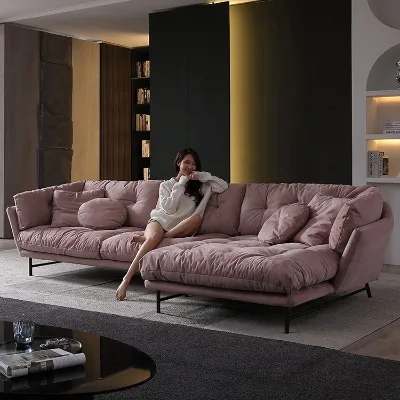


Modern Living Room Hotel Furniture L-Shaped Reclining Functional Corner Sofa
$388.00 - $398.00
MOQ: 20 Sets

Customized Minimalist L-Shaped Reclining Function Modern Bedroom Sofa with Corner
$388.00 - $398.00
MOQ: 20 Sets

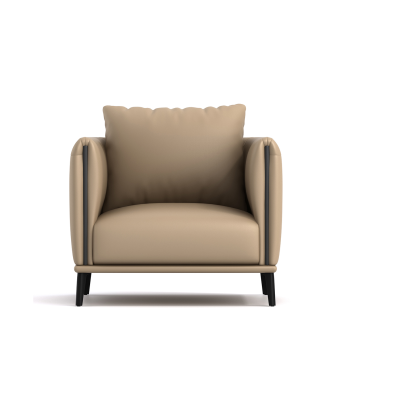
Modern Design Comfortable Recliner Leather Sofa 2 Seats Sofa with Cushions
$1297.00 - $1999.00
MOQ: 1 sets


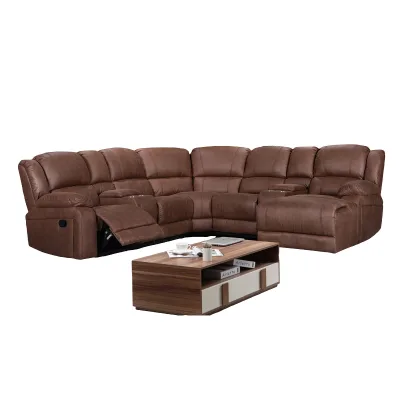
Corner Modern Style Sofa Living Room Furniture Sectional Sofa Modern Customized Size
$550.00 - $950.00
MOQ: 10 Pieces


Comprehensive Sourcing Guide
Modern Reclining Sectional Sofa Sourcing Guide
Sourcing modern reclining sectional sofas requires a nuanced understanding of both aesthetic trends and mechanical reliability. The current market offers a diverse array of configurations, ranging from compact single-seaters to expansive multi-piece units designed for large living spaces. Buyers must navigate a landscape where style definitions, such as "Modern," often intersect with functional requirements like armrest presence, back height, and material composition. The observed product data indicates a strong preference for fabric and PU materials, with frame constructions varying between wood and steel tube, reflecting different durability and cost expectations.
Procurement decisions are further complicated by the variability in customization options and supply chain logistics. Suppliers frequently offer OEM and ODM services, allowing for tailored designs that align with specific brand identities or interior design schemes. However, this flexibility comes with the need for rigorous verification of technical specifications, from seat dimensions to loading capacities. Understanding these variables is essential for ensuring that the final product meets both functional performance standards and aesthetic expectations for end-users in residential or hospitality settings.
Product Scope and Observed Listing Signals
The observed market signals reveal a significant price range, spanning from approximately $85 to $10,000 USD, which indicates a broad spectrum of quality tiers and feature sets. This variance is largely driven by the complexity of the reclining mechanism, the quality of the frame material, and the type of upholstery used. Lower-priced items may utilize basic steel tube frames with PU leather, while higher-end options might feature solid wood frames with premium fabric or high-density sponge padding. Buyers should recognize that price alone is not a definitive indicator of quality without correlating it with specific material and construction details.
Minimum Order Quantities (MOQs) observed in the market range from 1 to 110 units, suggesting that suppliers cater to both small-scale boutique buyers and large-volume commercial purchasers. The availability of customization, including color options such as white, beige, grey, brown, black, blue, green, and custom shades, allows for greater flexibility in matching interior design themes. Additionally, the presence of both armrest and armrest-less designs, along with varying back heights from low to high, provides options for different ergonomic needs and space constraints.
Technical Specifications to Verify
Frame construction is a critical determinant of longevity and stability, with observed options including wood and steel tube materials. Wood frames typically offer a traditional aesthetic and robust support, while steel tube frames may provide a more modern look and potentially lighter weight. Buyers must verify the grade and treatment of these materials to ensure resistance to warping, corrosion, or structural failure over time. The choice between these materials often correlates with the intended use case, whether for heavy residential use or lighter commercial environments like hotel lobbies.
Seat and back specifications vary significantly, with options ranging from low back to high back designs, and padding types primarily consisting of sponge. The standard configurations observed include three-seaters, two-seaters, and single units, with dimensions such as 8509101080MM for certain models. It is essential to verify seat width, seat height, and overall dimensions, as these directly impact user comfort and spatial planning. For instance, some models specify a loading capacity of 135kg, which is a crucial metric for ensuring safety and durability under typical usage conditions.
Compliance and Safety Documentation
While specific certification statuses are not explicitly detailed in the observed listings, buyers must proactively request documentation related to fire safety, structural integrity, and material toxicity. Standards such as those for flammability in upholstery fabrics and stability testing for reclining mechanisms are critical for ensuring compliance with local regulations in target markets. Buyers should verify that suppliers can provide test reports from accredited laboratories, particularly for products intended for commercial use in hotels or offices, where regulatory scrutiny is often higher.
Material safety is another key area requiring verification, especially regarding the adhesives and finishes used in wood frames and the chemical composition of PU or fabric materials. Buyers should inquire about compliance with international standards for volatile organic compound (VOC) emissions and heavy metal content. Ensuring that all materials meet relevant environmental and health standards not only mitigates legal risks but also enhances the product's appeal to environmentally conscious consumers and corporate procurement policies.
Cost Drivers and Commercial Terms
The cost of modern reclining sectional sofas is influenced by several factors, including the complexity of the reclining mechanism, the quality of the frame and upholstery, and the level of customization required. Models with advanced mechanical features or premium materials will naturally command higher prices. Additionally, the observed payment terms, such as 30% T/T before production and 70% before shipment, or FOB/CIF/EXW options, impact the overall financial planning and risk allocation for the buyer. Understanding these terms is crucial for managing cash flow and logistics costs.
Lead times and packing methods also play a significant role in the total cost of ownership. Observed delivery times range from 15 to 30 days after deposit, which buyers must factor into their inventory planning and sales cycles. Packing methods, such as standard EPE+Carton+Plastic Bag or export carton packages, affect shipping efficiency and the risk of damage during transit. Buyers should negotiate clear terms regarding packaging standards and insurance coverage to minimize potential losses and ensure that products arrive in pristine condition.
Supplier Qualification and Quality Control
Supplier qualification involves assessing their capability to deliver consistent quality and adhere to agreed-upon specifications. Given the observed origins in Guangdong and Foshan, China, buyers should verify the supplier's manufacturing capacity, quality control processes, and track record in producing similar products. Requesting samples is a critical step to evaluate the build quality, material feel, and functionality of the reclining mechanism before committing to a larger order. This hands-on inspection helps identify potential issues that may not be apparent from product descriptions alone.
Quality control should extend beyond the initial sample approval to include in-process and pre-shipment inspections. Buyers should establish clear acceptance criteria for defects, such as stitching errors, frame instability, or upholstery imperfections. Collaborating with third-party inspection agencies can provide an objective assessment of the production quality and ensure that the final shipment meets the agreed-upon standards. This proactive approach helps mitigate the risk of receiving substandard products and reduces the likelihood of costly returns or disputes.
Long-Term Procurement Checks
Long-term procurement success depends on establishing a reliable supply chain that can adapt to changing market demands and maintain consistent quality. Buyers should regularly review supplier performance metrics, including on-time delivery rates, defect rates, and responsiveness to issues. Building a strong relationship with suppliers can facilitate better communication, faster resolution of problems, and potentially more favorable terms over time. Continuous feedback loops between the buyer and supplier are essential for driving improvements and ensuring alignment on product specifications.
Additionally, buyers should stay informed about emerging trends in materials, design, and technology that may impact the relevance and competitiveness of their product offerings. This includes monitoring developments in sustainable materials, smart home integration, and ergonomic innovations. By proactively adapting to these trends and maintaining a flexible procurement strategy, buyers can ensure that their product portfolio remains attractive to end-users and competitive in the evolving marketplace. Regular audits of supplier capabilities and market conditions will help sustain long-term procurement efficiency and product quality.
FAQs
What customization options are available for modern reclining sectional sofas?
Customization is available for these sofas, allowing buyers to select specific styles and materials. Options include modern styles with fabric or PU materials, and various colors such as white, beige, grey, brown, black, blue, green, or custom shades. OEM and ODM services are accepted, enabling tailored designs for specific brand requirements or interior aesthetics.
Can I find modern reclining sectional sofas with specific frame materials?
Yes, frames are constructed from wood or steel tube depending on the model. Some units feature wood frames with fabric upholstery, while others utilize steel tube frames with PU material. These structural choices support different load capacities and design aesthetics, ensuring durability for home, hotel, or office lobby applications.
What are the standard packing methods for these sofa sets?
Standard packing typically includes EPE, carton, and plastic bag protection. Some models use export carton packages or single carton boxes. This robust packaging ensures safe transit during shipping. Buyers should verify specific packing details with suppliers to ensure the protection level meets their logistics and handling requirements.
What is the typical lead time for ordering these sofas?
Delivery time is generally 15-30 days after receiving the deposit. Payment terms often require 30% T/T before production and 70% before shipment. This timeline allows for manufacturing and quality checks. Buyers should confirm exact lead times with suppliers based on order quantity and customization complexity.
Which applications are suitable for these modern sofa sets?
These sofas are suitable for home, living room, bedroom, hotel, office, and lobby use. They come in various configurations including single, two-seater, and three-seater standards. The versatile design supports both residential comfort and commercial durability, making them ideal for diverse interior environments requiring modern aesthetics.
Are there options for armrests and back heights?
Options include sofas with or without armrests and varying back heights. Choices range from low back to medium back and high back designs. Some models are specifically named as stand sofas. These variations allow buyers to select configurations that best fit their space constraints and ergonomic preferences.