Source Modern Solid Wood Frame Sofa for Hotel Villa Apartment
Explore 30 listings of Modern Solid Wood Frame Sofa options suitable for hotels, villas, and apartments. Buyers can compare features like adjustable designs, modular sets, and various upholstery materials including genuine leather and fabric.
Key considerations
Products List


Modern Living Room Furniture Colorful Fabric Upholstery Solid Wood Frame Modular Sofa
$1380.00 - $1480.00
MOQ: 3 Pieces


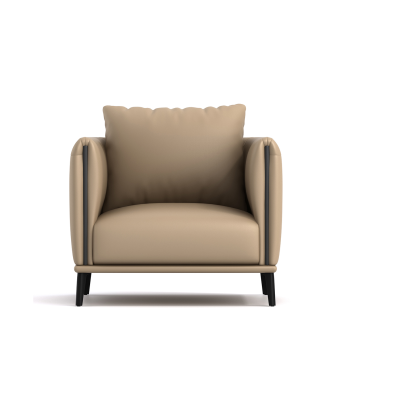


Modern High Quality Ergonomic Design Single Sofa with Solid Wood Frame
$133.70 - $220.00
MOQ: 2 Pieces


Solid Wood Frame Upholstered Design Sofa for Villa Living Room-Durable Eco-Friendly
$452.00 - $815.00
MOQ: 10 Pieces


Comprehensive Sourcing Guide
Strategic Sourcing Guide for Modern Solid Wood Frame Sofas
Understanding the Modern Solid Wood Frame Sofa Market
The global market for living room furniture has seen a significant shift toward pieces that blend aesthetic versatility with structural integrity. The core keyword "Modern Solid Wood Frame Sofa" represents a specific segment where buyers seek the warmth and durability of natural timber combined with contemporary design lines. In the current B2B landscape, these products are frequently categorized under "Living Room Furniture" and "Sofa Set" types, with design styles explicitly labeled as "Modern." The observed product attributes indicate a strong preference for "Medium Back" and "High Back" configurations, catering to diverse ergonomic needs in hotel, villa, and apartment projects.
When sourcing these items, it is critical to distinguish between products that utilize solid wood as the primary structural element versus those that use wood veneers or engineered composites. The supplied data highlights "Solid Wood + High Density Sponge" as a specific frame construction, alongside mentions of "Wood" as a general frame material. This distinction is vital for procurement teams, as solid wood frames generally offer superior longevity and repairability compared to particle board alternatives. Furthermore, the market data shows a wide variance in material composition, with some listings specifying "Genuine Leather" upholstery while others offer "Fabric" options including Cord, Linen, Velvet, Microfiber, and Bouclé. This variety allows buyers to tailor the final product to specific interior design themes, ranging from minimalist modern to more textured, cozy environments.
Technical Specifications and Material Composition
A rigorous evaluation of technical specifications is the cornerstone of successful procurement for modern solid wood frame sofas. The structural integrity of the sofa relies heavily on the frame material, which is consistently identified as "Wood" or "Solid Wood" in the provided context. However, buyers must verify the specific grade and species of wood used, as this directly impacts the weight-bearing capacity and resistance to warping. The data also notes "Steel Tube" as a frame material in certain listings, suggesting a hybrid construction approach that may be relevant for specific commercial applications requiring enhanced rigidity.
The cushioning system is another critical technical component. The observed products utilize "Sponge" and "Down" as primary fillers, with specific mention of "45 Density High Resiliency Sponge." This density rating is a key performance indicator for comfort and longevity; lower density foams tend to compress quickly, leading to premature sagging. The inclusion of "Pocket Spring" in the materials list for some models indicates a higher-end construction that mimics the support of a mattress, providing superior spinal alignment and durability. Buyers should explicitly request density specifications for all foam components, as the "Cushion Thickness" is listed as "Customized," meaning there is no universal standard to rely on without supplier confirmation.
Upholstery options vary significantly across the supply base. While "Genuine Leather" is a prominent material, the "Fabric" category offers extensive customization with options like Cord, Linen, Velvet, Microfiber, and Bouclé. The "Color" attribute is often listed as "as Picture or Customized," which necessitates a clear understanding of the supplier's color matching capabilities. Additionally, the "Wood Pattern" is also customizable, allowing for finishes that range from natural grain to painted or stained variations. The "Inflatable" attribute appears in conflicting data points (both "Non Inflatable" and "Inflatable"), which suggests that buyers must carefully scrutinize product descriptions to ensure the item matches the intended static furniture requirement, as inflatable sofas are generally unsuitable for permanent residential or commercial installations.
Compliance, Certification, and Safety Standards
Navigating the regulatory landscape for furniture imports requires a thorough understanding of fire safety and environmental certifications. The provided data references several fire retardant standards, including "ISO," "BS," and "EPA." Specifically, the "Fire Retardant Standard" is linked to frame materials, with mentions of "ISO Frame Material:Wood" and "BS Frame Material:Wood," as well as "ISO Frame Material:Steel Tube." The "BS" standard likely refers to British Standards, which are stringent regarding flammability, while "ISO" indicates international compliance. The "EPA" certification mentioned may relate to environmental protection or specific emission standards, though its exact scope in this context requires verification.
Buyers must treat these certifications as observations rather than universal guarantees. The data lists "Certification: EPA" for some items but does not confirm that all products in the category hold this status. Similarly, while "FSC" (Forest Stewardship Council) and "OEKO-TEX" are mentioned in the low-confidence background, they should not be assumed to be present without explicit documentation from the supplier. For B2B procurement, especially for projects in hotels and villas, verifying that the sofa meets the local fire safety codes of the destination country is non-negotiable. The "Standard" attribute is listed as "optional," "Customized," or "Standard," indicating that compliance levels can vary. Procurement teams should mandate a Certificate of Compliance (CoC) or test reports from accredited laboratories before finalizing orders, ensuring that the fire retardant treatment applied to the fabric and foam meets the specific regulatory requirements of the target market.
Cost Drivers and Pricing Dynamics
The pricing for modern solid wood frame sofas is influenced by a complex interplay of material costs, customization levels, and manufacturing complexity. The observed price range in the market spans from $75 to $20,000 USD, a variance that reflects the difference between basic fabric models and high-end, fully customized leather sets with intricate wood joinery. The "MOQ" (Minimum Order Quantity) ranges from 1 to 100 units, offering flexibility for both small boutique hotels and large-scale developers. However, lower MOQs often come with a higher per-unit cost due to the setup costs associated with customization.
Key cost drivers include the type of wood used for the frame, the density and type of cushioning, and the quality of the upholstery. "Genuine Leather" is inherently more expensive than "Fabric," and the choice of fabric (e.g., Bouclé vs. Microfiber) further impacts the final price. The "Customization" attribute is a significant cost factor; options such as "Customized" cushion thickness, "Customized" wood patterns, and "Customized" colors require additional tooling and labor, driving up the unit price. The "Lead Time" also plays a role in cost structure, with observed delivery times ranging from 25-30 days to 45-60 days. Longer lead times often correlate with more complex customization or higher production loads, which can affect pricing negotiations.
Typical Applications and Design Versatility
Modern solid wood frame sofas are designed for a wide array of applications, with the data explicitly listing "Hotel, Villa Projects, Apartments," "Home, Office, Apartment, Hotel, Villa." This versatility makes them a staple for interior designers and procurement managers in the hospitality and residential sectors. The "Specific Use" and "Application" fields confirm that these products are engineered to withstand the demands of public spaces while maintaining the aesthetic appeal required for private residences.
The design style is consistently "Modern," but the data also notes "Style:Chinese" for specific models, indicating that the category can accommodate fusion designs that blend contemporary lines with traditional motifs. The "Sofa Set" configurations vary from "1+" (single/seater) to "1+2+" (two-seater) arrangements, allowing for modular flexibility in space planning. The "Feature" list includes "Adjustable," "Convertible," "Modular," and "Sofa Be," suggesting that many of these sofas are designed to transform, offering functionality for multi-purpose rooms or smaller living spaces. The "Condition" is uniformly "New," ensuring that buyers receive pristine inventory suitable for immediate installation.
Supplier Evaluation and Quality Control Protocols
Evaluating suppliers for modern solid wood frame sofas requires a multi-faceted approach that goes beyond price comparison. The "prod_origin" is listed as "Guangdong, China" and "China," regions known for their robust furniture manufacturing ecosystems. However, the presence of a specific origin does not guarantee quality; buyers must assess the supplier's production capabilities, quality control systems, and track record. The "prod_packing" methods vary from "Carton" to "Wooden" crates and "Standard Export Package, EPE-Bubble Bag + Cardboard," indicating that packaging standards must be verified to prevent transit damage, especially for solid wood frames which can be susceptible to impact.
Quality control should focus on the integrity of the frame joints, the consistency of the wood finish, and the durability of the upholstery. Buyers should request samples to test the "45 Density High Resiliency Sponge" for compression recovery and to inspect the "Solid Wood" frame for signs of warping or poor joinery. The "Warranty" of "5years" mentioned in the data is a strong indicator of supplier confidence, but the terms of this warranty must be clearly defined, covering structural defects versus wear and tear. Additionally, the "prod_standard" being "optional" or "Customized" means that buyers must define their own quality benchmarks if the supplier's standard does not align with their requirements.
Long-Term Procurement and Maintenance Considerations
Long-term procurement success for solid wood frame sofas depends on establishing a sustainable supply chain and planning for maintenance. The "Lead Time" of 25-30 days or 45-60 days should be factored into inventory planning to avoid stockouts, particularly for custom orders. The "Warranty" period of 5 years suggests that the manufacturer expects the product to last, but buyers should clarify the scope of coverage, including whether it covers fabric fading or frame cracking.
Maintenance considerations are also crucial. Solid wood frames require specific care to prevent damage from humidity and temperature fluctuations, which can cause the wood to expand or contract. The "Customized" nature of the wood pattern and finish means that replacement parts or touch-up kits may need to be ordered separately. For fabric sofas, the availability of replacement covers or cleaning services should be discussed with the supplier. The "Modular" and "Convertible" features add value by allowing the furniture to be reconfigured as space needs change, extending the product's lifecycle.
Comparative Analysis of Product Attributes
To assist in decision-making, the following table summarizes the key attribute variations observed in the market data, highlighting the trade-offs buyers must consider.
| Attribute | Option A (Standard/Basic) | Option B (Premium/Custom) | Procurement Implication |
|---|---|---|---|
| Frame Material | Wood (General) | Solid Wood + High Density Sponge | Solid wood offers better durability; verify joinery. |
| Upholstery | Fabric (Cord/Linen) | Genuine Leather | Leather commands higher price; fabric offers more color variety. |
| Cushion Filler | Sponge | Down + High Resiliency Sponge | Down provides superior comfort but requires more maintenance. |
| Fire Standard | ISO / BS (Variable) | Customized / Optional | Must verify local compliance; do not assume universal standard. |
| Packaging | Carton | Wooden Crate / Export Package | Wooden crates offer better protection for heavy wood frames. |
| Lead Time | 25-30 Days | 45-60 Days | Longer times often correlate with higher customization. |
| Warranty | Standard | 5 Years | Verify specific coverage terms for structural vs. cosmetic issues. |
This comparative view underscores the importance of defining clear requirements before engaging with suppliers. The flexibility in attributes like "Color," "Wood Pattern," and "Cushion Thickness" allows for significant customization but requires precise communication to avoid discrepancies between the ordered product and the delivered inventory. By focusing on these technical and logistical details, buyers can secure modern solid wood frame sofas that meet both aesthetic and functional demands for their specific projects.
FAQs
What frame materials are used for these sofas?
The primary frame material is wood, with some models using solid wood or steel tubes. Buyers must verify the specific grade and species of wood used, as this directly impacts structural integrity and resistance to warping in long-term use.
Which cushion fillers provide the best durability?
Products utilize sponge and down as primary fillers, with specific mention of 45 density high resiliency sponge. This density rating is a key performance indicator for comfort, as lower density foams tend to compress quickly and lead to premature sagging.
Can I customize the wood pattern and cushion thickness?
Yes, the wood pattern and cushion thickness are listed as customizable options. These customizations require additional tooling and labor, which can drive up the unit price and extend the lead time compared to standard configurations.
What fire retardant standards do the sofas meet?
The data references ISO and BS fire retardant standards linked to wood and steel tube frames. Buyers must treat these as observations and request a Certificate of Compliance to ensure the treatment meets the specific regulatory requirements of the destination country.
How long is the typical lead time for delivery?
Lead times range from 25 to 30 days or 45 to 60 days depending on the order. Longer lead times often correlate with more complex customization or higher production loads, which should be factored into inventory planning to avoid stockouts.
What is the minimum order quantity for these items?
The minimum order quantity ranges from 1 to 100 units, offering flexibility for various project sizes. Lower MOQs often come with a higher per-unit cost due to the setup costs associated with customization and smaller production runs.