Source Modern Solid Wood Dining Table for Cafe, Hotel, Home
Find a Modern Solid Wood Dining Table from 30 verified listings. Compare specifications like wood species, surface treatment, and dimensions for commercial and residential applications. Source directly from manufacturers in China with customizable options and warranty support; compare the available evidence and request quotations based on your requirements.
Key considerations
Products List


Wooden Dining Table Solid Wood Natural Contemporary Modern Dining Table Design
$105.00 - $125.00
MOQ: 30 Pieces


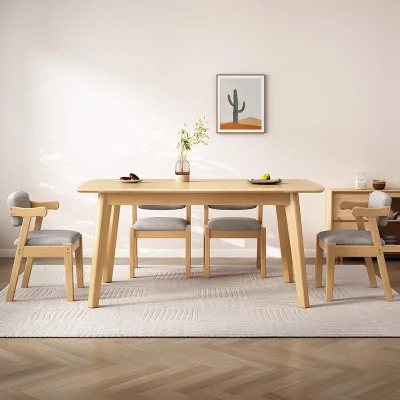

Top Furniture Modern Wooden Coffee Restaurant Room Solid Wood Dining Table
$18.00 - $20.00
MOQ: 30 Pieces

Modern Solid Wood Style Restaurant Hotel Cafe Solid Wood Dining Table and Chairs
$50.00 - $129.00
MOQ: 1 Pieces

Comprehensive Sourcing Guide
Modern Solid Wood Dining Table Sourcing Guide
Sourcing modern solid wood dining tables requires a careful balance between aesthetic precision and structural durability, particularly when targeting commercial environments like hotels, cafes, and restaurants. Buyers must recognize that "modern" often intersects with specific material treatments and edge profiles, such as live edges or straight cuts, which significantly impact both the visual appeal and the manufacturing complexity. The observed product landscape indicates a strong presence of manufacturers in Guangdong and Weifang, China, who offer extensive customization options for wood species, including Suar, Walnut, Oak, Maple, Zebra, Wenge, and Teak. This geographic concentration suggests a mature supply chain capable of handling large-volume orders while maintaining the high-quality kiln-drying standards necessary for stable wood performance.
Procurement teams should prioritize suppliers who explicitly state their wood treatment processes, specifically kiln drying to a moisture content of 8%-12%, as this is critical for preventing warping in humid commercial settings. The availability of various surface treatments, such as wax oil, natural oil, UV lacquer, or PU lacquer, allows buyers to tailor the table’s finish to their specific maintenance and aesthetic requirements. Furthermore, the distinction between fixed and folding designs, or whole-piece tops versus jointed constructions, offers flexibility for different space constraints. Understanding these technical nuances early in the sourcing process ensures that the selected furniture aligns with both the brand’s identity and the practical demands of daily use in high-traffic dining areas.
Product Scope and Observed Listing Signals
The current market listings reveal a diverse range of solid wood dining tables, with prices observed between $5 and $1,288 USD, reflecting variations in wood species, size, and craftsmanship complexity. The minimum order quantities (MOQ) typically start at 10 pieces, though some suppliers offer lower thresholds, indicating flexibility for smaller boutique hotels or residential projects. Key product attributes include a "New" condition, "Modern" or "Antique" styles, and specific shapes like rectangles or squares, catering to varied interior design themes. The materials are predominantly wooden, with some listings specifying imported frames or specific wood types, highlighting the importance of verifying the exact species and grade of timber used in construction.
Buyers should note that many suppliers offer customized solutions, allowing for specific dimensions, colors, and edge models, such as keeping a live edge or cutting to a straight edge. The standard dimensions observed range from lengths of 500-6000mm and widths of 300-1500mm, providing significant flexibility for different table sizes. Packaging methods vary, with options including KD packing, standard packing, or wood box packaging, which can influence shipping costs and product protection during transit. These signals suggest that buyers have access to a wide array of options, but they must carefully evaluate each listing to ensure that the specific product attributes match their project requirements, particularly regarding the intended application in commercial or home settings.
Technical Specifications to Verify
When evaluating technical specifications, buyers must verify the structural integrity of the table top, particularly whether it is constructed as a whole piece without joints or if it utilizes a jointed design. The standard for wood table tops and stainless steel legs is commonly observed, but the quality of the stainless steel and the connection method to the wooden top are critical for long-term stability. Additionally, the moisture content of the wood should be confirmed to be within the 8%-12% range, as this directly affects the table’s resistance to cracking and warping over time. Buyers should also inquire about the specific wood species used, as different woods have varying densities, hardness, and resistance to wear, which impacts the table’s suitability for high-traffic commercial use.
Surface treatment is another crucial technical aspect, with options including wax oil, natural oil, UV lacquer, or PU lacquer, each offering different levels of protection and aesthetic finish. Buyers should request samples to assess the durability and appearance of the chosen finish, particularly in environments where spills and frequent cleaning are common. The edge model, whether live edge or straight cut, also requires careful consideration, as live edges may require more specialized maintenance and can be more prone to damage if not properly sealed. Furthermore, the folding mechanism, if applicable, should be tested for smooth operation and stability, ensuring that it meets the safety and usability standards required for the intended application.
Compliance and Safety Documentation
Compliance with safety and quality standards is paramount, especially for commercial furniture used in public spaces. Buyers should verify that the products carry relevant certifications, such as CE and ISOCCC, which indicate adherence to specific manufacturing and quality management standards. While FSC certification is mentioned in background knowledge, buyers must confirm its applicability to their specific orders, as it ensures the wood is sourced from responsibly managed forests. Documentation should also include material safety data sheets (MSDS) for any chemical treatments used, such as lacquers or oils, to ensure they meet environmental and health regulations in the destination market.
Additionally, buyers should request test reports for structural stability, particularly for tables with folding mechanisms or specific leg configurations, to ensure they can withstand the expected load and usage. The warranty period, often cited as 3 years, should be clearly defined in the contract, covering defects in materials and workmanship. It is also important to verify that the packaging meets international shipping standards to prevent damage during transit, which can void warranties and lead to additional costs. By ensuring all compliance and safety documentation is in order, buyers can mitigate risks and ensure that the furniture meets the legal and ethical requirements of their market.
Cost Drivers and Commercial Terms
Cost drivers for modern solid wood dining tables include the type and grade of wood, the complexity of the design, and the surface treatment applied. Premium wood species like Teak or Walnut will naturally command higher prices compared to more common species like Oak or Maple. The customization options, such as specific dimensions, edge models, and finishes, also add to the cost, as they require additional labor and material handling. Buyers should be aware that the observed price range of $5 to $1,288 USD reflects these variations, and they should seek detailed quotations that break down the costs by material, labor, and finishing to understand the true value proposition.
Commercial terms, including MOQ, lead times, and payment terms, are critical factors in the procurement process. While the observed MOQ is typically 10 pieces, buyers should negotiate for flexibility, especially for initial orders or custom projects. Lead times can vary based on the complexity of the order and the supplier’s production capacity, so it is essential to establish clear timelines and penalties for delays. Payment terms should be structured to protect the buyer’s interests, such as using a deposit with the balance payable upon inspection or shipment. By carefully managing these commercial terms, buyers can optimize their procurement costs and ensure a smooth transaction process.
Supplier Qualification and Quality Control
Supplier qualification is a critical step in ensuring the quality and reliability of the sourced furniture. Buyers should verify the supplier’s business type, whether they are a manufacturer or a trading company, as manufacturers often offer better pricing and direct control over the production process. The observed supplier locations in Guangdong and Weifang, China, suggest a concentration of expertise in wooden furniture manufacturing, but buyers should still conduct due diligence to assess the supplier’s production capabilities, quality control systems, and past performance. Requesting factory audits or third-party inspections can provide valuable insights into the supplier’s operational standards and ability to meet specific requirements.
Quality control measures should be clearly defined in the contract, including inspection points during production and before shipment. Buyers should specify the acceptable tolerance levels for dimensions, finish quality, and structural integrity, and request that the supplier provide detailed inspection reports. Sampling is also recommended, especially for custom orders, to ensure that the final product matches the approved samples in terms of material, color, and finish. By establishing robust supplier qualification and quality control processes, buyers can minimize the risk of receiving substandard products and ensure that the furniture meets their expectations for quality and durability.
Long-Term Procurement Checks
Long-term procurement checks involve monitoring the performance of the furniture in the field and maintaining a strong relationship with the supplier. Buyers should establish a feedback loop with end-users, such as hotel staff or restaurant managers, to identify any issues with durability, maintenance, or aesthetics. This feedback can be used to refine future orders and ensure that the supplier continues to meet the evolving needs of the business. Regular quality audits and performance reviews of the supplier can also help identify potential issues early and ensure that the supplier remains committed to high standards.
Additionally, buyers should stay informed about changes in material costs, supply chain dynamics, and regulatory requirements that may impact the procurement process. Building a diversified supplier base can help mitigate risks associated with single-source dependencies and ensure continuity of supply. By implementing long-term procurement checks, buyers can optimize their sourcing strategy, reduce costs, and ensure that the furniture continues to meet their quality and performance expectations over time. This proactive approach to procurement management is essential for maintaining a competitive edge and delivering value to end-users.
FAQs
Can modern solid wood dining tables be customized for specific dimensions?
Yes, customization is available for these tables. The standard dimensions range from 500 to 6000mm in length, 300 to 1500mm in width, and 40 to 200mm in thickness. Buyers can request specific sizes to fit their commercial or home spaces, ensuring the furniture meets exact spatial requirements.
What certifications do these solid wood dining tables hold?
These tables typically hold CE and ISOCCC certifications. These credentials indicate compliance with relevant safety and quality standards for commercial furniture. Buyers should verify specific documentation with the manufacturer to ensure the products meet local regulatory requirements for their intended market application.
What wood species are used for modern solid wood dining tables?
Common wood species include Suar, Walnut, Oak, Maple, Zebra, Wenge, and Teak. These materials are kiln-dried to maintain moisture levels between 8% and 12%. This treatment ensures stability and durability, making the tables suitable for various environments while offering natural aesthetic appeal.
What surface treatments are applied to these wooden dining tables?
Surface treatments include Wax Oil, Natural Oil, UV Lacquer, and PU Lacquer. These finishes protect the wood and enhance its appearance. Buyers can choose between natural wood colors or custom stains to match their interior design preferences, ensuring the table complements the surrounding decor effectively.
What is the typical warranty period for these dining tables?
The typical warranty period is three years. This coverage applies to the structural integrity and finish of the table. Buyers should review the specific warranty terms provided by the manufacturer to understand what is covered, ensuring they have adequate protection for their commercial or residential investment.
How are these dining tables packaged for shipping?
Packaging options include KD Packing, standard packing, or wood boxes. These methods protect the furniture during transit. The choice of packaging depends on the specific product model and shipping requirements. Buyers should confirm the packaging details with the supplier to ensure safe delivery and easy assembly upon arrival.