Source Modern Soundproof Sliding Window for Resident Office Industrial
Compare 30 listings for the Modern Soundproof Sliding Window featuring aluminum alloy frames, custom sizes, and optional diamond mesh screens. Buyers can evaluate heat insulation, anti-theft ratings, and delivery times from verified Chinese manufacturers.
Key considerations
Products List


Efficient Aluminium Awning Sliding Windows with Exceptional Soundproofing Quality
$99.00 - $129.00
MOQ: 2 Square Meters


Modern Soundproof Glass Window Double Glazing Aluminium Sliding and Casement Window
$60.00 - $200.00
MOQ: 1 Square Meters


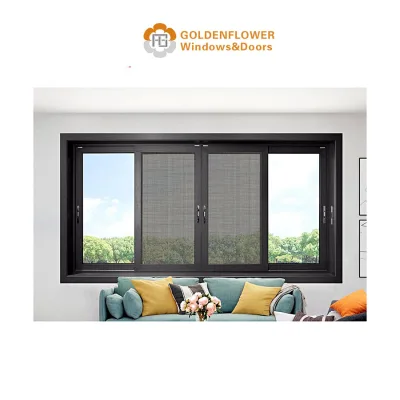

Exterior Aluminum Soundproof Sliding Window with Competitive Prices
$125.00 - $155.00
MOQ: 10 Square Meters

Soundproof Large Aluminum Folding Window Large Bi Fold Window for Sales
$110.00 - $125.00
MOQ: 10 Square Meters


Modern Tilt and Turn Windows with Triple Glazed Soundproof Design
$90.00 - $110.00
MOQ: 10 Square Meters
Beijing Satisfactory Navigation Curtain Wall Decoration Engineering Co., Ltd.


Unbreakable Modern Window with Soundproof Glass of Wood Color Aluminium Window Design
$50.00 - $150.00
MOQ: 20 Square Meters


Premium Aluminum Sliding Window Double Glazed Soundproof Waterproof for Modern Home
$140.00 - $150.00
MOQ: 10 Square Meters

Comprehensive Sourcing Guide
Strategic Sourcing Guide for Modern Soundproof Sliding Windows
The global demand for modern soundproof sliding windows has surged as urban environments become increasingly noisy and energy efficiency standards tighten. For procurement professionals, identifying a product that balances acoustic performance, thermal insulation, and aesthetic versatility requires a disciplined approach to data verification. This guide synthesizes observed market attributes and technical specifications to provide a framework for sourcing high-performance glazing solutions. The focus remains on evidence-based evaluation, ensuring that buyers can navigate the complexities of aluminum alloy window systems without relying on unverified marketing claims.
Technical Architecture and Material Composition
The foundation of a high-quality modern sliding window lies in its material composition and structural design. Analysis of current market offerings reveals that Aluminum Alloy is the predominant frame material, specifically utilizing the 6063-T5 profile grade. This alloy is selected for its optimal balance of strength, corrosion resistance, and extrudability, allowing for the creation of slim yet robust profiles that maximize glass area. The profile thickness observed in specific product models, such as the 125 Non-thermal break sliding window, is recorded at 1.4mm, a dimension that directly influences the structural rigidity and sound attenuation capabilities of the unit.
Surface finishing plays a critical role in both durability and aesthetics. The observed finishing processes include powder coating, anodizing, and electrophoresis. These treatments provide a protective layer against environmental degradation while offering a wide range of color customization options. Buyers should verify that the surface treatment is consistent across the entire frame to prevent premature corrosion, particularly in coastal or industrial applications. The "Finished" state of the product implies that the window is ready for installation, but the specific thickness and quality of the coating must be confirmed against the project's environmental exposure requirements.
The glazing configuration is perhaps the most significant factor in achieving soundproofing. The standard specification for high-performance units in this category often involves double glazing with a configuration of 5mm+20A+5mm. This notation indicates two panes of 5mm glass separated by a 20mm air gap (or argon-filled gap), which creates a thermal and acoustic barrier. The glass types available for customization include Low-E, Tempered, Frosted, Float, Tinted, and Laminated options. For maximum sound insulation, laminated glass or tempered glass with a specialized acoustic interlayer is often recommended, though the specific acoustic rating depends on the glass thickness and the width of the air gap.
Functional Performance and Operational Mechanics
Modern sliding windows are engineered to deliver a multifaceted set of functions beyond simple ventilation. The observed functional attributes include heat insulation, soundproofing, anti-theft protection, airproofing, dust-proofing, insect-proofing, and decoration. The "Invisible" function is also noted in specific models, suggesting the use of retractable or high-transparency mesh systems that maintain an unobstructed view while providing security. The opening pattern is consistently horizontal, facilitating the sliding mechanism that defines this window category.
The security rating of "A" observed in specific product data indicates a baseline level of resistance against forced entry, though buyers must clarify the specific testing standards used to assign this rating. The inclusion of an optional diamond mesh screen further enhances the utility of the window, allowing for ventilation while preventing insect intrusion. The appliance classification as "Indoor & Outdoor" suggests that these units are designed to withstand varying environmental conditions, making them suitable for a wide range of climates.
The opening style varies between Swing, Opening, and Sliding configurations. For the specific keyword of "sliding window," the horizontal sliding mechanism is the primary focus. This design minimizes the footprint required for operation compared to casement windows, making it ideal for modern residential and office spaces where space efficiency is paramount. The customization of the opening pattern and style allows buyers to tailor the window to specific architectural requirements, ensuring that the final installation meets both functional and aesthetic goals.
Compliance, Standards, and Verification Protocols
Navigating the compliance landscape for window procurement requires a clear understanding of what is explicitly stated versus what is implied. While ISO 9001 is mentioned in background contexts, it should not be treated as a guaranteed certification for every listed product without direct verification from the supplier. Buyers must treat product attributes as observations rather than universal claims. For instance, while the "prod_standard" is listed as "Customized" or "Customization," this indicates flexibility rather than adherence to a specific national or international code.
When evaluating compliance, buyers should request specific test reports for the claimed functions. The "Security Rating: A" and "Special Function: Fireproof, Waterproof" claims require validation through third-party testing. Fireproofing, in particular, is a critical attribute for commercial and industrial applications, yet it is not a standard feature of all aluminum windows. Buyers must verify the fire rating (e.g., 30-minute, 60-minute) and ensure that the glazing and frame materials meet the required fire resistance standards for the specific application area, which includes Resident, Office, and Industrial zones.
The "Standard" attribute being "Customized" suggests that the manufacturer is willing to adapt the product to meet local building codes. However, this places the onus on the buyer to define the specific regulatory requirements. In many jurisdictions, windows must meet specific U-value (thermal transmittance) and W-value (wind load) standards. Without explicit numerical data in the product listing, buyers should request a technical data sheet that details the thermal performance and wind resistance ratings to ensure compliance with local building regulations.
Cost Drivers and Procurement Economics
The pricing structure for modern soundproof sliding windows is influenced by several key variables. The observed price range in the market spans from $0.02 to $269, a wide disparity that likely reflects differences in unit size, glass complexity, and finishing options. The Minimum Order Quantity (MOQ) ranges from 1 to 100 units, indicating that suppliers cater to both small-scale residential projects and large commercial developments.
The primary cost drivers include the thickness of the aluminum profile, the type of glass used, and the surface finishing process. A 1.4mm profile with double glazing (5mm+20A+5mm) and a powder-coated finish will command a higher price than a single-glazed unit with a basic finish. Additionally, the customization of the color and the inclusion of special functions like fireproofing or insect-proofing will increase the unit cost. The packaging method, noted as "Wood Frame" or "Wooden," also adds to the logistics cost, as specialized packaging is required to prevent damage during transit.
Lead times are a critical factor in procurement planning. The observed delivery times range from 20 to 45 working days, depending on the order volume and customization level. For standard configurations, a lead time of 20 working days is typical, while highly customized orders may require up to 45 working days. Buyers should factor in this lead time when scheduling project timelines, as delays in window delivery can significantly impact the overall construction schedule. The package size of 100.00cm * 100.00cm * 50.00cm and a gross weight of 17.000kg per unit must be considered when calculating shipping costs and logistics requirements.
Supplier Evaluation and Quality Assurance
Selecting the right supplier is as important as selecting the right product. The "Guoxin Aluminium Windows" brand is observed in the product data, but buyers should not rely on a single supplier. Instead, they should evaluate potential partners based on their ability to meet the specific technical and logistical requirements of the project. Key evaluation criteria include the supplier's capacity for customization, their quality control processes, and their track record in delivering products that match the described specifications.
Quality control should focus on the consistency of the aluminum alloy composition, the integrity of the surface finishing, and the precision of the glazing installation. Buyers should request samples to verify the color consistency, the smoothness of the sliding mechanism, and the acoustic performance of the glass unit. The "Surface Treament" (Surface Treatment) options of powder coating, anodizing, and electrophoresis should be inspected for uniformity and adhesion. Any defects in the finishing can lead to premature corrosion and reduced lifespan of the window.
The application area, which includes Resident, Office, and Industrial settings, suggests that the supplier must have experience in diverse environments. For industrial applications, the window must withstand harsher conditions, while residential units may prioritize aesthetics and ease of use. Buyers should verify that the supplier has a robust after-sales support system to address any issues that may arise post-installation, such as seal failures or mechanical jams in the sliding mechanism.
Long-Term Procurement and Maintenance Considerations
The long-term value of a Modern Soundproof Sliding Window is determined by its durability and maintenance requirements. The aluminum alloy frame is inherently resistant to corrosion, but the surface finish plays a crucial role in maintaining this resistance. Buyers should consider the maintenance schedule for the chosen finish; for example, powder coating generally requires less maintenance than anodizing in certain environments. The "Wooden" packaging indicates that the product is shipped with care, but the long-term durability of the window depends on the quality of the installation and the maintenance of the moving parts.
The "Special Function" attributes, such as fireproofing and waterproofing, are critical for long-term safety and performance. Buyers should ensure that these functions are not compromised over time due to wear and tear. Regular inspection of the seals and the sliding mechanism is essential to maintain the airproof and dust-proof capabilities of the window. The "Optional Diamond Mesh" screen also requires maintenance to ensure it remains effective in preventing insect intrusion.
In conclusion, sourcing modern soundproof sliding windows requires a meticulous approach to verifying technical specifications, compliance standards, and supplier capabilities. By focusing on the observed attributes of aluminum alloy construction, double glazing configurations, and customizable finishing options, buyers can make informed decisions that meet their project requirements. The wide range of prices, MOQs, and lead times necessitates careful planning and communication with suppliers to ensure that the final product delivers the expected performance and value.
FAQs
What frame material is used for modern soundproof sliding windows?
Aluminum Alloy is the predominant frame material used for these windows. Specific models utilize 6063-T5 profile grade with a thickness of 1.4mm to ensure structural rigidity and corrosion resistance for long-term durability.
Can these windows provide heat insulation and soundproofing?
Yes, these units are designed for heat insulation and soundproofing. They typically feature double glazing with a 5mm+20A+5mm configuration to create an effective thermal and acoustic barrier against external noise.
Which surface finishing options are available for the frames?
The frames offer powder coating, anodizing, and electrophoresis as surface finishing options. These treatments provide protection against environmental degradation while allowing for customized color choices to match specific architectural styles.
How long is the delivery time for customized orders?
The delivery time ranges from 20 to 45 working days depending on the order volume. Standard configurations typically require 20 working days, while highly customized orders may take up to 45 working days.
What is the minimum order quantity for these windows?
The minimum order quantity ranges from 1 to 100 units based on the supplier. This flexibility allows buyers to source small-scale residential projects or large commercial developments without excessive inventory requirements.
Can the window size and color be customized?
Yes, both the size and color can be customized to meet specific project requirements. The product standard is listed as customized, allowing for tailored dimensions and finishes to fit various residential or industrial applications.