Find Rice Harvesting Track Roller for rice, wheat, and corn farms
Source 30 verified listings for the Rice Harvesting Track Roller designed for agricultural machinery. Buyers can compare custom dimensions, material compositions, and supplier certifications to match specific harvester and tractor requirements.
Key considerations
Products List


Agricultural Track Standard Small Rice Combine Harvester Rubber Tracks
$195.00 - $788.00
MOQ: 1 Pieces


Agricultural Machinery Rubber Track 350*61.5*60 for Rice Harvester Use
$155.00 - $890.00
MOQ: 1 Pieces
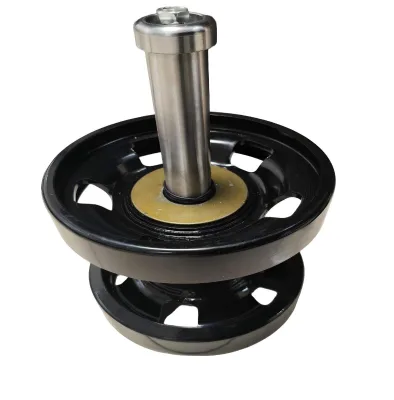


Robotic Rubber Track Roller PC200 Ex100 Track Roller Roller Track Harvester
$500.00 - $2000.00
MOQ: 1 Pieces


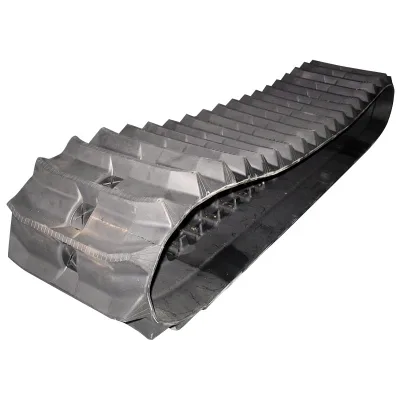


Factory Supply Mini High Quality Harvester Rubber Track with Great Performance
$290.00 - $400.00
MOQ: 10 Pieces

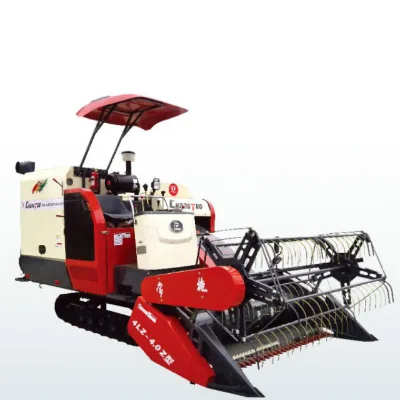

Advanced Rice Harvester Rice Cutter Harvester Machine Rice Harvester for Sale
$10000.00 - $18000.00
MOQ: 1 Pieces
Comprehensive Sourcing Guide
Strategic Sourcing Guide for Rice Harvesting Track Rollers
The global agricultural machinery sector relies heavily on continuous track systems to ensure operational efficiency in challenging terrain. For buyers specifically targeting the Rice Harvesting Track Roller, the procurement process demands a rigorous understanding of component compatibility, material integrity, and supply chain reliability. Rice paddies present unique operational conditions characterized by high moisture, soft soil, and abrasive organic matter. Consequently, the selection of a track roller is not merely a replacement task but a strategic decision that impacts the overall uptime and performance of the harvester. This guide synthesizes available market data and technical requirements to assist procurement professionals in navigating the complex landscape of agricultural track components.
Technical Specifications and Dimensional Standards
The foundation of a successful procurement begins with precise technical verification. The market for rice harvesting track rollers is defined by specific dimensional standards and model identifiers that must align with the host machinery. Data indicates that standard track dimensions often adhere to specific metric profiles, such as 5009053 or 4509042, which denote width, thickness, and pitch or length configurations. Buyers must verify that the selected roller matches these exact specifications to ensure proper tensioning and track engagement.
Furthermore, model numbers serve as critical identifiers for compatibility. The supply chain features a variety of model designations including 500/90N/53, YM500/90/51, and specific part numbers like 5T072-23882 or 5T078-23100. These alphanumeric codes are not arbitrary; they correspond to specific chassis designs and track assembly requirements for major agricultural brands. When sourcing, procurement teams should cross-reference the machine's serial number with these model codes. The size range for these components typically spans from 300mm to 550mm, requiring careful measurement of the existing track system to avoid mismatches.
| Dimension Parameter | Observed Standard Range | Verification Requirement |
|---|---|---|
| Track Width | 90mm | Must match track width exactly |
| Track Length/Profile | 450mm to 550mm | Verify against machine manual |
| Model Identifiers | 500/90N/53, YM500/90/51 | Cross-reference with OEM part list |
| Part Numbers | 5T072-23882, 5T078-23100 | Confirm compatibility with specific harvester |
Material Composition and Durability Factors
The operational environment of rice harvesting is harsh, necessitating materials that can withstand constant exposure to water, mud, and abrasive soil particles. The primary material composition observed in high-quality track rollers and associated track systems is a composite of rubber and steel. This combination leverages the flexibility and shock absorption of rubber with the structural integrity and load-bearing capacity of steel. Some components may also utilize carbon steel for specific structural elements, emphasizing the need for corrosion resistance.
Durability is further enhanced by specific performance attributes. The track systems are engineered to be wear-resistant, heat-resistant, and tear-resistant. These features are critical because rice harvesting often involves high-speed operation in wet conditions where friction generates heat, and the track is subjected to significant tensile stress. The tensile strength of the component is described as "strong," indicating that the material can handle the heavy loads associated with modern agricultural machinery without deformation. Buyers should prioritize suppliers who explicitly state the use of rubber and steel composites, as this directly correlates with the longevity of the track system in paddy fields.
Compliance, Certification, and Quality Assurance
In the B2B agricultural sector, compliance with international standards is a non-negotiable aspect of supplier evaluation. The market data highlights that reputable suppliers typically hold certifications such as CE and ISO9001. The specific mention of ISO9001:2000 or general ISO9001 standards suggests a commitment to quality management systems that ensure consistent manufacturing processes. The CE marking indicates conformity with health, safety, and environmental protection standards for products sold within the European Economic Area, a benchmark that often reflects a higher standard of quality control applicable globally.
When evaluating a supplier, buyers must request proof of these certifications rather than accepting them as marketing claims. The condition of the product is listed as "New," which is a baseline requirement, but the underlying manufacturing quality must be verified through documentation. Additionally, the "standard" designation for product specifications implies that while regular specifications exist, customization is available. This flexibility allows buyers to tailor components to specific machinery needs, but it also requires a robust quality assurance protocol to ensure that customizations do not compromise the integrity of the steel and rubber composite.
Cost Drivers and Procurement Economics
The pricing landscape for rice harvesting track rollers is highly variable, with observed ranges spanning from $0.40 to $18,000 USD. This vast disparity is not indicative of a single product type but reflects the difference between individual small components, such as rollers, and complete track assemblies or specialized heavy-duty units. The cost is driven by several factors, including the complexity of the model, the volume of material used (steel and rubber), and the degree of customization required.
Minimum Order Quantities (MOQ) also play a significant role in the total cost of ownership. The market shows an MOQ range from 1 piece to 100 pieces, with specific listings indicating an MOQ of 2 pieces or even 1 piece for certain part numbers. For buyers managing fleet maintenance, the ability to source single units can be crucial for emergency repairs, whereas bulk purchasing for fleet-wide replacements may yield better economies of scale. Buyers should analyze the total cost per unit in the context of their specific order volume, balancing the need for immediate availability against the potential savings from larger orders.
Typical Applications and Operational Scenarios
The primary application for these components is clearly defined within the agricultural sector, specifically for rice harvesting. The track systems are designed for use in harvester machinery, tractors, and other agricultural industrial equipment. The application scenarios are explicitly listed as wheat fields, rice fields, corn fields, and general farms. This versatility suggests that while the core keyword is "rice harvesting," the components are often part of a broader agricultural track system used across various crop types.
The mode of transport for these goods typically involves shipping and air transport, indicating that the supply chain is global and capable of handling international logistics. The origin of these products is frequently cited as Zhejiang, China, a region known for its manufacturing capabilities in machinery parts. Buyers should consider the logistics implications of sourcing from this region, including lead times and shipping costs, especially when time-sensitive repairs are required during the harvest season. The "Power Source" for the machinery is diesel, which implies that the track rollers must be compatible with high-torque, high-load diesel-powered harvesters.
Supplier Evaluation and Service Capabilities
Selecting the right supplier involves more than just checking specifications; it requires an assessment of service capabilities and customization options. The market data indicates that customization is available, allowing suppliers to produce tracks tailored to specific machine models such as Cat, Takeuchi, Kubota, Yanmar, Kobelco, Jcb, and Ihi. This level of brand compatibility is essential for buyers operating mixed fleets.
Service offerings often include OEM supporting capabilities, which means suppliers can manufacture parts that meet the original equipment manufacturer's specifications. This is particularly important for maintaining warranty compliance and ensuring that the replacement parts do not void the machine's warranty. Buyers should evaluate suppliers based on their ability to provide detailed technical drawings, their response time to inquiries, and their track record in handling custom orders. The "Feature" set, including wear and tear resistance, should be backed by the supplier's ability to provide test results or case studies demonstrating performance in similar agricultural environments.
Long-Term Procurement and Maintenance Strategy
For a sustainable procurement strategy, buyers must look beyond the initial purchase price and consider the long-term lifecycle of the track roller. The "High Precision" performance attribute suggests that these components are designed to minimize downtime and maximize efficiency over extended periods. However, the "Mode of Transport" being primarily shipping and air transport highlights the importance of inventory management. Buyers should establish a relationship with suppliers who can offer reliable lead times and consistent stock levels to prevent operational disruptions during critical harvest windows.
Furthermore, the "Industry Focus" on agriculture means that the supply chain must be resilient to seasonal demand spikes. Buyers should verify the supplier's production capacity and their ability to scale up during peak seasons. The availability of "Standard Wooden Pallet" and "PE Film" packaging indicates a commitment to protecting the product during transit, which is vital for maintaining the quality of the rubber and steel components. By integrating these factors into a comprehensive procurement plan, buyers can ensure a steady supply of high-quality rice harvesting track rollers that meet the rigorous demands of modern agriculture.
FAQs
What certifications do Rice Harvesting Track Roller suppliers typically hold?
Reputable suppliers typically hold CE and ISO9001 certifications to ensure quality management. These standards verify that the manufacturing process meets international safety and quality benchmarks for agricultural machinery components.
Which material composition is standard for these track rollers?
The standard composition is a composite of rubber and steel to ensure durability. This combination provides the necessary flexibility and structural integrity required for harsh paddy field conditions.
Can I find custom specifications for different harvester models?
Yes, customization is available to match specific model numbers like 500/90N/53 or YM500/90/51. Buyers should verify the exact dimensions and part numbers against their machine manual before ordering.
How does the minimum order quantity vary for these parts?
Minimum order quantities range from 1 piece to 100 pieces depending on the supplier and part type. Some listings allow single unit purchases for emergency repairs while others require bulk orders.
What is the typical origin location for these agricultural components?
Most products originate from Zhejiang, China, a major manufacturing hub for machinery parts. Buyers should account for shipping and air transport logistics when planning procurement from this region.
Which brands are compatible with these rubber track systems?
These tracks are compatible with major brands including Cat, Kubota, Yanmar, and Jcb. Buyers must cross-reference their specific machine model with the provided part numbers to ensure proper fit.
What packaging methods are used to protect the tracks during shipping?
Products are typically packed in standard wooden pallets or wooden cases with PE film protection. This packaging ensures the rubber and steel components remain undamaged during international transit.