Source Modern Space Saving Folding Stool for Hotel Home
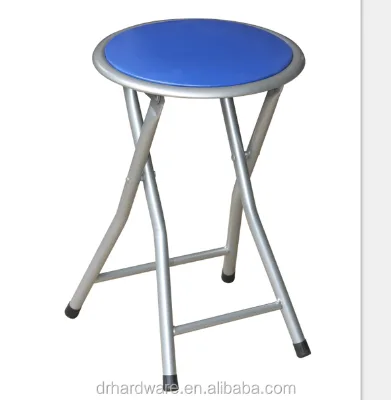
Explore 30 listings of Modern Space Saving Folding Stool options suitable for hotel, home, and outdoor applications. Compare specifications, materials, and prices to find the right supplier for your needs; compare the available evidence and request quotations based on your requirements.
Key considerations
Products List


Adjustable Height Aluminum Step Stool with Foldable and Lightweight Design
$18.50 - $22.00
MOQ: 50 Pieces




Classic Wooden Backrest Stool for Traditional Living Rooms and Seating Areas
$500.00 - $1000.00
MOQ: 1 Pieces


Comprehensive Sourcing Guide
Modern Space Saving Folding Stool Sourcing Guide
Sourcing modern space saving folding stools requires a strategic balance between aesthetic minimalism and functional durability. Buyers must prioritize designs that offer seamless integration into compact living environments while maintaining structural integrity under load. The market presents a diverse array of options, ranging from simple plastic stools to more complex metal or fabric constructions. Understanding the specific material properties and folding mechanisms is essential for selecting products that meet both spatial constraints and user comfort requirements.
Procurement teams should evaluate suppliers based on their ability to provide customizable solutions that align with brand identity and functional needs. Many manufacturers offer OEM services, allowing for tailored logos and specific design modifications. This flexibility is crucial for businesses looking to differentiate their offerings in a competitive market. Additionally, verifying the origin of production, particularly from established manufacturing hubs like Hebei, China, can provide insights into supply chain reliability and production capacity.
Product Scope and Observed Listing Signals
The current market landscape for folding stools includes a variety of materials, including metal, plastic, and fabric, each offering distinct advantages in terms of weight, durability, and cost. Observed listings indicate a wide range of product models, such as the 2512130832 and ES 51-05, suggesting a high degree of variation in design and functionality. Buyers should note that some products are explicitly labeled as customized, while others are non-customized, which directly impacts lead times and minimum order quantities.
Packing methods also vary significantly, with options ranging from standard carton packing to polybag and box packing. This variation is critical for logistics planning, as it affects shipping volume and product protection during transit. Furthermore, the observed price range of 1-1500 USD reflects the disparity between basic utility stools and premium, designer pieces. Understanding these signals helps buyers align their procurement strategy with their target market segment, whether it be budget-conscious consumers or high-end interior design projects.
Technical Specifications to Verify
When evaluating technical specifications, buyers must closely examine dimensions, weight capacity, and folding mechanisms. Observed standards include specific measurements such as 43.5x25cm, Diameter 33 x height 46cm, and 76x38x38cm, which indicate the diverse spatial requirements of different stool designs. It is essential to verify that the folded dimensions align with the intended storage solutions, ensuring that the product truly delivers on its space-saving promise. Additionally, the shape of the stool, whether round, square, or other forms, should be considered for aesthetic compatibility and user comfort.
Material composition is another critical technical factor. Products may be constructed from metal, plastic, or fabric, each with different maintenance and durability profiles. For instance, metal stools offer robustness, while fabric options may provide greater comfort and portability. Buyers should also check for features such as armrests, brackets, and foldability, as these elements significantly impact the user experience. Verifying these specifications against product datasheets ensures that the selected stools meet the functional requirements of the end-users.
Compliance and Safety Documentation
Compliance with safety standards is paramount, especially for furniture intended for residential or commercial use. Buyers should request documentation that verifies the structural integrity and stability of the folding mechanisms. While specific certifications were not universally listed, the presence of ISO-related mentions in some listings suggests that certain manufacturers adhere to international quality management standards. It is crucial to ensure that all products meet the safety regulations of the destination market, particularly regarding load-bearing capacity and material toxicity.
Additionally, buyers must verify that the materials used, such as plastics and fabrics, comply with relevant environmental and health regulations. This includes checking for restrictions on harmful substances like lead or phthalates, depending on the target region. Documentation should also cover fire safety standards, particularly for fabric-covered stools. Ensuring that suppliers provide comprehensive compliance documentation mitigates legal risks and enhances consumer trust, which is vital for long-term brand reputation in the furniture sector.
Cost Drivers and Commercial Terms
Several factors influence the cost of modern space saving folding stools, including material selection, customization level, and order volume. The observed minimum order quantity (MOQ) ranges from 1 to 2000 units, offering flexibility for both small-scale buyers and large distributors. Higher customization levels, such as OEM logo printing or specific color choices, typically increase production costs and may extend lead times. Buyers should negotiate terms that balance these variables to achieve optimal cost efficiency without compromising on quality.
Shipping and packaging costs also play a significant role in the total landed cost. Products packed in boxes or cartons may incur higher shipping fees due to increased volume, whereas compact polybag packing can reduce logistics expenses. Buyers should analyze the total cost of ownership, including potential tariffs and handling fees, rather than focusing solely on the unit price. Establishing clear commercial terms regarding payment methods, delivery schedules, and return policies is essential for managing financial risk and ensuring smooth transactions.
Supplier Qualification and Quality Control
Supplier qualification involves assessing manufacturing capabilities, quality control processes, and past performance. Buyers should prioritize suppliers with a proven track record in producing folding stools, particularly those originating from established industrial regions like Hebei, China. Requesting samples is a critical step to evaluate build quality, finish, and the smoothness of the folding mechanism. Suppliers who offer customization services should also demonstrate their ability to maintain consistent quality across different product variations.
Quality control measures should include rigorous testing of structural integrity and durability. Buyers should inquire about the supplier’s internal quality assurance protocols, such as random sampling inspections or full batch testing. Additionally, verifying the supplier’s ability to provide after-sales support and handle defects is crucial for maintaining customer satisfaction. Establishing a strong relationship with a reliable supplier ensures a steady supply of high-quality products and minimizes the risk of production delays or quality issues.
Long-Term Procurement Checks
Long-term procurement success depends on continuous monitoring of supplier performance and market trends. Buyers should regularly review supplier delivery times, product quality, and responsiveness to issues. Establishing key performance indicators (KPIs) for these metrics helps in identifying potential problems early and addressing them proactively. Additionally, staying informed about emerging design trends and material innovations allows buyers to adapt their product offerings to meet changing consumer preferences.
Sustainability is becoming an increasingly important factor in furniture procurement. Buyers should evaluate suppliers’ commitment to environmentally friendly practices, such as using recyclable materials or reducing waste during production. This not only aligns with global sustainability goals but also appeals to eco-conscious consumers. Regularly updating procurement strategies to incorporate these considerations ensures that the business remains competitive and resilient in the long run, fostering sustainable growth and customer loyalty.
FAQs
Can modern space saving folding stools be customized for hotel use?
Yes, customization is available for these stools to meet specific hotel requirements. Buyers can request tailored designs, colors, or branding to align with interior aesthetics. The product supports both customized and non-customized options, allowing flexibility in procurement. This ensures the furniture fits seamlessly into hospitality environments while maintaining space-saving functionality and modern style.
What materials are used in modern space saving folding stools?
These stools are constructed from metal, plastic, fabric, and leather materials. The variety allows for different durability and aesthetic preferences. Metal provides structural strength, while plastic and fabric offer lightweight portability. Leather adds a premium touch for living room settings. This mix ensures versatility across home, hotel, and outdoor applications, catering to diverse buyer needs for modern furniture solutions.
What are the standard dimensions for these folding stools?
Standard dimensions vary by model, including 43.5x25cm, 76x38x38cm, and 38x38x38cm. Some models feature a diameter of 33cm and height of 46cm. These sizes are designed to optimize space efficiency. Buyers should select dimensions based on their specific usage context, whether for compact living rooms, hotels, or outdoor leisure facilities, ensuring the stool fits the intended environment perfectly.
How are modern space saving folding stools packaged for shipping?
Packaging options include carton, polybag and carton, and box packing. Standard packing is also available for general shipments. These methods protect the stools during transit while minimizing volume. The choice depends on the product model and buyer preference. Proper packaging ensures the stools arrive in new condition, ready for immediate use in hotels, homes, or outdoor settings without damage.
Are these stools suitable for outdoor applications like parks?
Yes, certain models are designed for outdoor use in parks, leisure facilities, and warehouses. They feature durable materials and foldable designs for easy storage. Some variants include armrests and are suitable for beach or mountain settings. These features make them ideal for public spaces requiring robust, space-efficient seating that can withstand varying environmental conditions while maintaining a modern aesthetic.
What certifications do these folding stools meet?
Some models carry ISO certification, indicating compliance with international quality standards. This certification assures buyers of consistent manufacturing quality and safety. While not all variants may display this mark, certified options are available for procurement. Buyers seeking verified quality should specify ISO requirements during sourcing. This ensures the stools meet necessary regulatory and performance benchmarks for commercial or residential deployment.