Source Modern Stylish Jewelry Display Tray for Retail
Explore 30 options for a Modern Stylish Jewelry Display Tray designed for exhibition shows, specialty stores, and home use. Compare materials like wood and leather, custom sizes, and clamshell openings to find the right fit for your storage and collection needs.
Key considerations
Products List


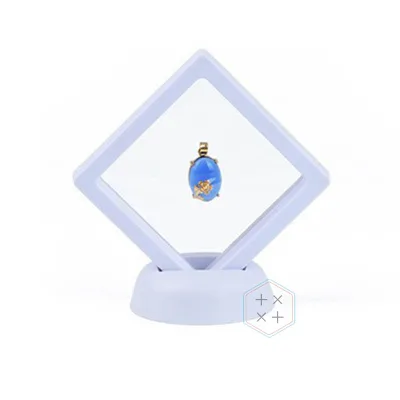
Jewelry Display Box Jewelry Storage Rack for Ring Necklace Bracelet Earring
$0.34 - $0.85
MOQ: 500 Minimum


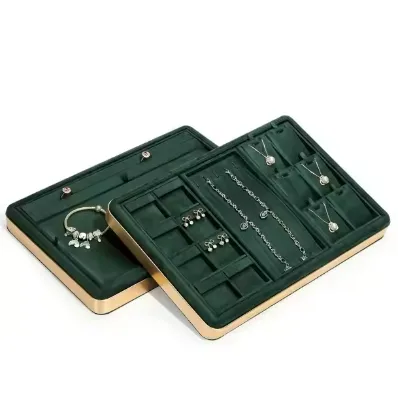
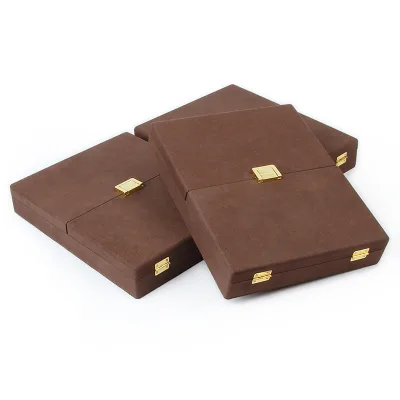
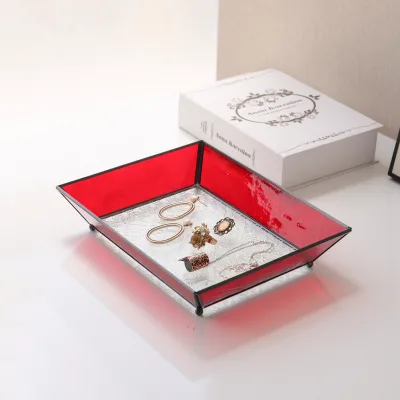


New Design Exhibition White Leather Tray Rings Jewelry Tray Jewellery Display Tray
$0.20 - $200.00
MOQ: 30 Pieces

Simple New Design Wooden Jewelry Display Tray Jewelry Display Tray Box Suede Jewelry Tray
$0.20 - $200.00
MOQ: 30 Pieces


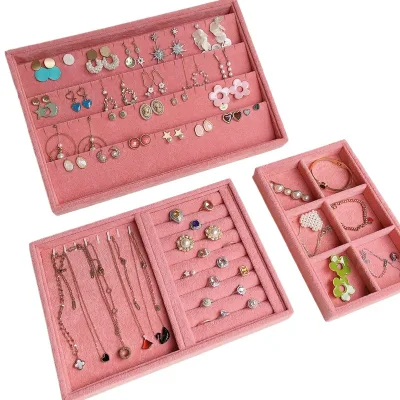
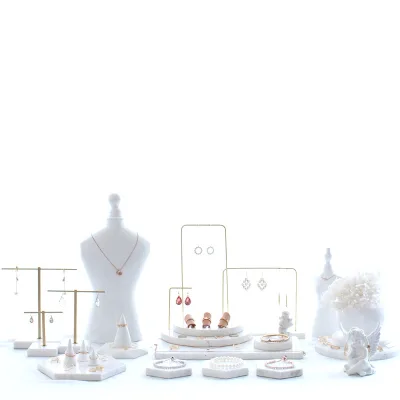
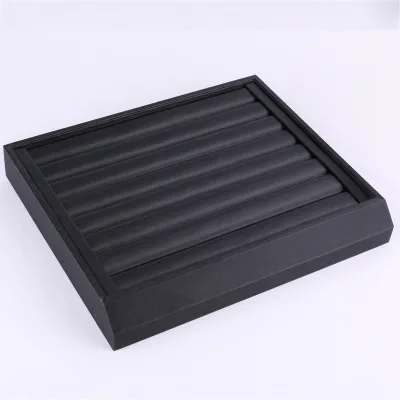


Custom Chinese Classic Jewelry Display Stand Acrylic Wedding Diamond Ring Tray
$2.03 - $3.89
MOQ: 50 Pieces


Comprehensive Sourcing Guide
Modern Stylish Jewelry Display Tray Sourcing Guide
Sourcing modern stylish jewelry display trays requires a careful balance between aesthetic appeal and functional durability. Buyers must recognize that these items serve as critical visual merchandising tools, designed to enhance product visibility in retail environments. The observed market includes a wide variety of materials, ranging from wood to PE+ABS composites, allowing for diverse design interpretations. Understanding the specific material properties is essential for selecting trays that align with brand identity and customer expectations.
Procurement decisions should also account for the intended display environment, whether it be indoor exhibitions, specialty stores, or home use. The flexibility in customization options, such as logo printing and design adjustments, offers significant branding opportunities. However, this customization introduces complexity in the supply chain, requiring clear communication of design files and specifications. Buyers need to establish precise requirements early to avoid discrepancies between the ordered product and the final delivered goods.
Product Scope and Observed Listing Signals
The current market landscape for jewelry display trays is characterized by a high degree of variability in product attributes. Listings indicate a product count of thirty, with prices ranging from $0.01 to $200 USD, reflecting differences in material quality and complexity. Minimum order quantities (MOQs) vary significantly, from as low as five units to as high as five thousand, catering to both small boutique retailers and large-scale distributors. This wide range allows buyers to scale their orders according to immediate inventory needs and budget constraints.
Observed product features include various shapes such as square and rectangle, with options for clamshell opening mechanisms. Materials identified in listings include wood, leather, and PE+ABS combinations, each offering distinct tactile and visual qualities. Some products are designed for specific purposes like jewelry storage or collection, while others focus on organization and display. The presence of customization options, including logo files in formats like PDF and AI, highlights the industry's emphasis on brand-specific solutions.
Technical Specifications to Verify
Verifying technical specifications is crucial to ensure the display trays meet functional requirements. Buyers should confirm the exact dimensions, as models like NDIS-64 and NDM-380 suggest standardized sizes, while others offer custom sizing. The single package size of 19x19x2.5 cm and a gross weight of 0.050 kg provide baseline data for logistics planning. However, variations in material thickness and structural integrity can affect these metrics, so detailed specifications for each order are necessary.
The opening mechanism, such as the clamshell design, must be tested for durability and ease of use. Products made from wood or leather may require different handling compared to those made from PE+ABS. Buyers should verify the printing methods and color options, as some listings mention specific color codes or custom designs. Ensuring that the tray's structure can support the weight of jewelry items without deformation is a key technical consideration that impacts customer experience.
Compliance and Safety Documentation
Compliance and safety documentation are vital for retail display products, especially those used in public spaces. Buyers must ensure that materials used, such as wood or plastics, meet relevant safety standards for indoor use. While specific certifications are not listed, it is prudent to request material safety data sheets to verify the absence of harmful substances. This is particularly important for products that may come into direct contact with customers or are displayed in areas with high foot traffic.
Documentation should also cover the origin of the products, with many items originating from China or Shenzhen. Buyers should verify that the manufacturing processes adhere to local and international regulations. For products intended for export, compliance with destination country standards is essential. Requesting proof of compliance from suppliers helps mitigate risks associated with regulatory violations and ensures that the products can be legally sold in the target market.
Cost Drivers and Commercial Terms
Cost drivers for jewelry display trays include material selection, customization complexity, and order volume. Wood and leather materials typically command higher prices due to their premium feel and durability, while PE+ABS offers a cost-effective alternative. Customization, such as logo printing and unique designs, adds to the production cost and may increase the MOQ. Buyers should negotiate terms that balance cost with quality, considering the long-term value of branded display solutions.
Commercial terms should clearly define payment methods, shipping arrangements, and lead times. The observed MOQ range of 5-5000 units allows for flexible ordering, but larger orders may offer better unit pricing. Buyers should clarify whether prices include packaging and shipping costs, as these can significantly impact the total cost. Establishing clear commercial terms helps avoid unexpected expenses and ensures a smooth procurement process from order placement to delivery.
Supplier Qualification and Quality Control
Supplier qualification is a critical step in sourcing jewelry display trays. Buyers should assess suppliers based on their production capabilities, customization options, and quality control processes. Suppliers offering OEM services and accepting various logo file formats demonstrate flexibility and professionalism. It is important to verify the supplier's ability to maintain consistent quality across large orders, especially when custom designs are involved.
Quality control measures should include inspections of material quality, printing accuracy, and structural integrity. Buyers should request samples before placing large orders to evaluate the product's appearance and functionality. Establishing clear quality standards and inspection criteria helps ensure that the delivered products meet expectations. Regular communication with suppliers regarding quality issues can lead to continuous improvement and better product outcomes.
Long-Term Procurement Checks
Long-term procurement checks involve monitoring supplier performance and product quality over time. Buyers should track metrics such as on-time delivery, defect rates, and customer feedback to assess supplier reliability. Regular audits of the supply chain can help identify potential risks and ensure compliance with agreed-upon standards. Maintaining a relationship with multiple suppliers can provide flexibility and reduce dependency on a single source.
Continuous evaluation of market trends and product innovations is also essential. As retail environments evolve, the demand for stylish and functional display solutions will likely increase. Buyers should stay informed about new materials and designs that can enhance their product offerings. By proactively managing procurement processes, buyers can ensure a steady supply of high-quality jewelry display trays that support their business goals.
FAQs
What materials are used for modern stylish jewelry display trays?
Modern stylish jewelry display trays are commonly made from wood, leather, or a combination of PE and ABS materials. These options provide durability and aesthetic appeal suitable for various retail environments. The specific material choice depends on the intended application, such as home storage or exhibition displays.
Can I customize the size of the jewelry display tray?
Yes, customization is available for the size of the jewelry display tray. Many models support custom sizes to fit specific needs, ranging from small square units to larger rectangular options. Buyers can request dimensions that match their storage or display requirements without compromising the structural integrity of the product.
Which models are suitable for home jewelry storage applications?
Models like NDIS-64 and NDM-380 are suitable for home jewelry storage applications. These units are designed with features like clamshell openings and specific dimensions to organize and display items effectively. They are non-disposable and often feature a retro or popular style to complement home decor.
How are the jewelry display trays packed for shipping?
The jewelry display trays are typically packed in cartons for safe shipping. Each unit has a defined single package size and gross weight to ensure secure handling during transit. This packaging method protects the product from damage while maintaining the aesthetic quality required for exhibition or retail display purposes.
What customization options are available for the logo and design?
Customization options include printing methods and design files such as PDF, CDR, PSD, AI, and JPG. Buyers can request OEM services to offer a customized design that aligns with their brand identity. This allows for unique patterns and styles, ensuring the product meets specific marketing or branding requirements.
What is the origin location for these jewelry display products?
The origin location for these jewelry display products is China, with specific manufacturing hubs in Shenzhen. This location supports the production of various sizes and models, ensuring a steady supply chain for international buyers. The products are designed to meet diverse standards and specifications required by global markets.
Are these jewelry display trays suitable for exhibition shows?
Yes, these jewelry display trays are explicitly designed for exhibition shows and specialty stores. They feature an indoor display place and are optimized for organizing and displaying jewelry effectively. The non-antitheft design focuses on presentation, making them ideal for temporary or permanent retail setups where security is managed separately.