Source Portable Velvet Jewelry Display Stand for Retail
Find 30 Portable Velvet Jewelry Display Stand options from Guangdong suppliers. Compare materials like velvet, leather, and MDF, along with sizes and OEM services for your jewelry store needs; compare the available evidence and request quotations based on your requirements.
Key considerations
Products List
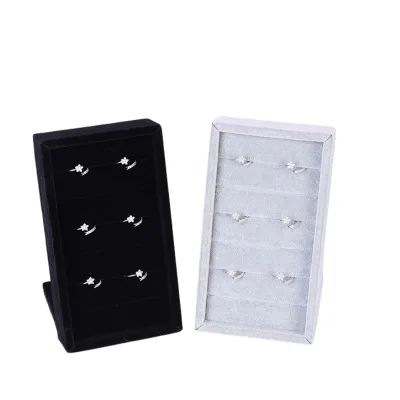
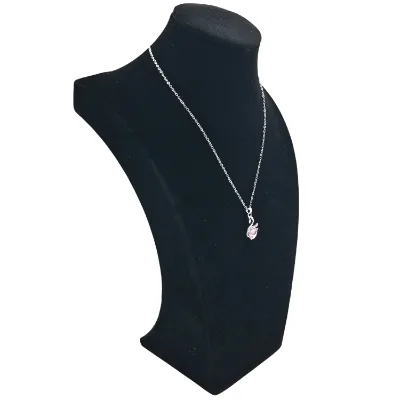
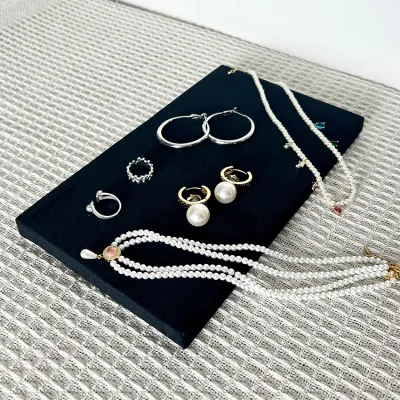
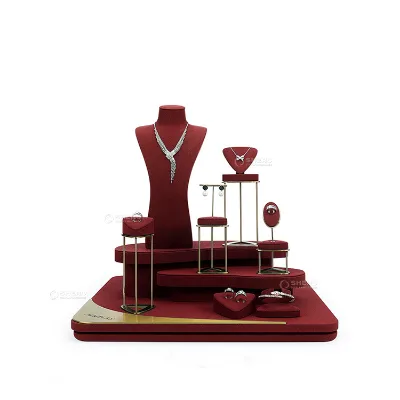
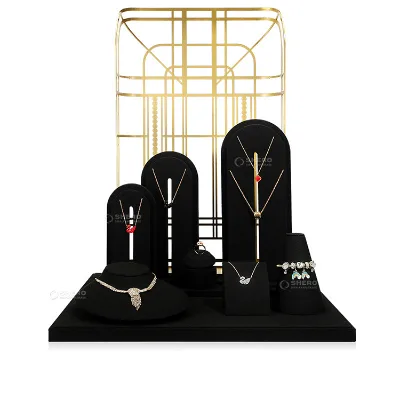
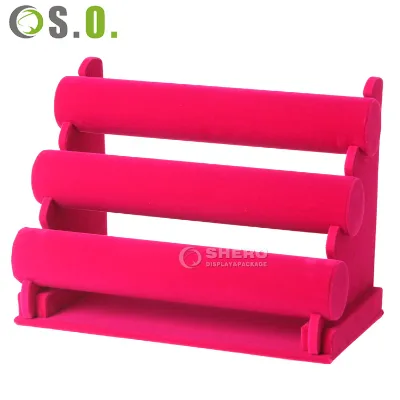
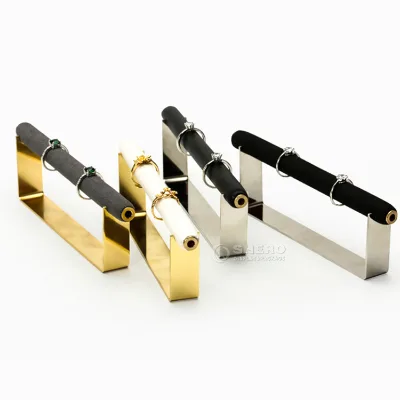
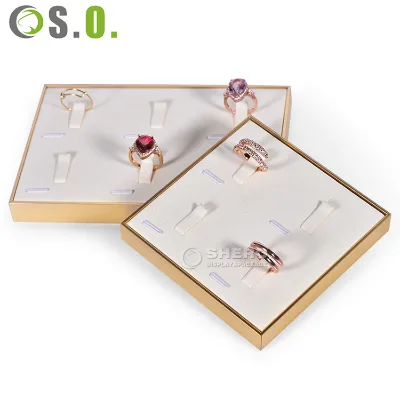
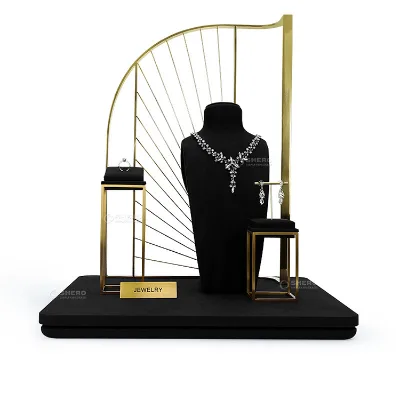
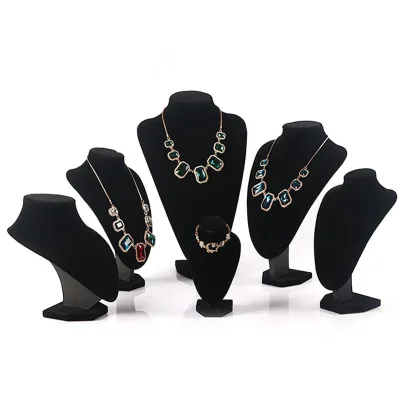
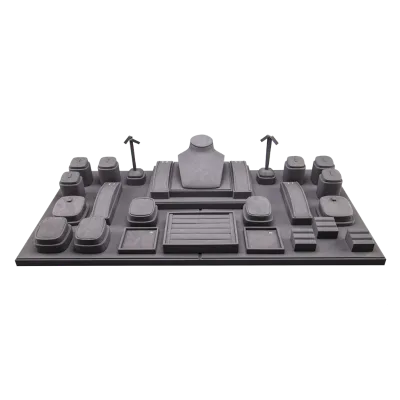
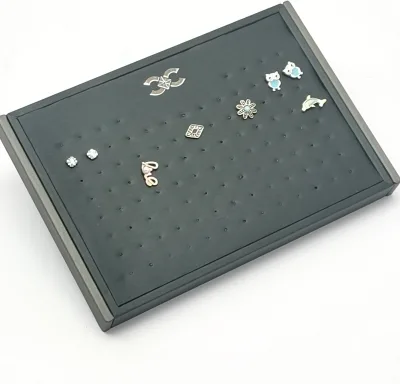
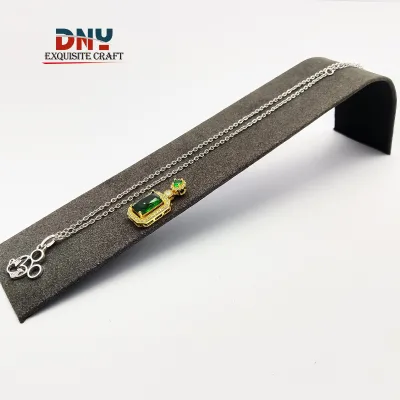


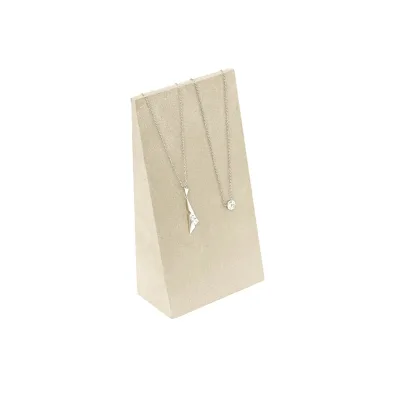


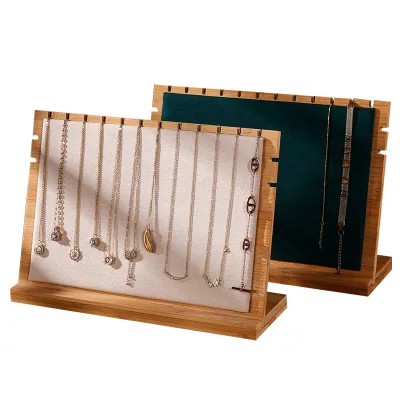

Modern Glass Display Compact Wide Modular Spacious Jewelry Display Stand
$180.00 - $280.00
MOQ: 5 Sets
Comprehensive Sourcing Guide
Portable Velvet Jewelry Display Stand Sourcing Guide
The Portable Velvet Jewelry Display Stand serves as a critical tool for retailers and event organizers seeking to elevate product presentation while maintaining mobility. Based on observed market data, these units are frequently constructed from velvet or MDF combined with velvet, offering a soft, luxurious texture that protects delicate items like necklaces and rings. The primary application extends beyond static store displays to include trade shows, pop-up shops, and temporary exhibitions where a compact footprint is essential. Buyers should note that while some models are designed for single-item display, others accommodate larger sets, requiring careful evaluation of the intended usage scenario before selection.
Procurement decisions must account for the variability in customization options, as many suppliers offer OEM services to align the display with specific brand identities. The observed product attributes indicate that colors such as black, white, red, and gray are standard, with custom color requests also being a common capability. This flexibility allows buyers to match the display stand to their existing retail environment or promotional theme. However, the presence of multiple material options, including PU leather and pure velvet, necessitates a clear definition of the desired tactile and visual quality to ensure the final product meets the brand's premium positioning.
Product Scope and Observed Listing Signals
When analyzing the product scope, buyers will encounter a range of dimensions, with standard sizes often cited around 22x15.5x8.5 cm, though customized dimensions are widely available to fit specific jewelry collections. The observed listing signals reveal that single package sizes can vary significantly, ranging from compact 10x10x10 cm units to larger 70x60x50 cm cartons, reflecting the diversity in product density and intended shipping methods. This variance suggests that the physical footprint of the display is a primary differentiator, and buyers must verify the exact external dimensions to ensure compatibility with their display cases or transport logistics.
Commercial signals also highlight the availability of samples, with sample times typically ranging from 7 to 12 days, allowing for quality verification before bulk commitment. The minimum order quantities (MOQ) observed in the market fluctuate between 2 pieces and 1000 pieces, indicating a tiered purchasing structure that accommodates both small boutique orders and large-scale retail deployments. Buyers should interpret these signals as indicators of supplier flexibility, yet they must confirm the specific MOQ for their chosen model, as some listings specify 10 or 50 pieces as the baseline for production runs.
Technical Specifications to Verify
Technical verification begins with the material composition, as the core product attributes list both "Velvet" and "MDF+Velvet" as primary materials, alongside "PU" leather options. It is essential to confirm which material constitutes the structural base versus the surface finish, as this impacts durability and weight. For instance, a unit with a single gross weight of 0.300 kg differs significantly from a heavier unit weighing 19.0 kg, suggesting a difference in internal reinforcement or size. Buyers must explicitly request material specifications for the specific model number, such as JET006 or JD0001, to avoid receiving a product that does not meet the required structural integrity for their display needs.
Dimensional accuracy and packaging details are equally critical, as the single package size and gross weight directly influence shipping costs and storage requirements. The observed data shows a single package size of 23x16.5x9.5 cm for smaller units, while larger sets may require 70x60x50 cm cartons. Buyers should verify the internal dimensions of the display stand against the jewelry items they intend to showcase, ensuring that the 22x15.5 cm footprint or customized size provides adequate space without overcrowding. Additionally, confirming the packing method, whether it is an OPP bag or a carton set, ensures that the product arrives in pristine condition without damage during transit.
Compliance and Safety Documentation
While the supplied product facts do not explicitly list specific safety certifications, buyers must recognize that jewelry display stands, particularly those used in public retail environments, are subject to general safety and material compliance standards. The use of materials like velvet, MDF, and PU leather requires verification that these components are free from harmful substances, such as excessive formaldehyde in the wood composite or toxic dyes in the fabric. Buyers should request a Material Safety Data Sheet (MSDS) or a declaration of compliance with relevant regional safety regulations to ensure the product is safe for consumer interaction and does not pose a fire hazard or chemical risk.
Documentation regarding the manufacturing process and origin is also vital for establishing supply chain transparency. The observed place of origin is Guangdong, China, a major manufacturing hub, but buyers should verify that the specific factory adheres to ethical labor practices and environmental regulations. Although specific certification names are not provided in the listing data, the expectation for a reputable supplier includes providing proof of compliance with international standards for furniture and display equipment. This due diligence helps mitigate risks associated with product recalls or reputational damage that could arise from non-compliant materials or unsafe manufacturing practices.
Cost Drivers and Commercial Terms
Cost drivers for portable velvet jewelry display stands are heavily influenced by the level of customization and the complexity of the design. The observed data indicates that custom designs and logo applications, such as silk screen or hot stamping, are available, which typically incur additional setup and production costs compared to standard stock items. The choice of material, whether standard velvet or premium PU leather, also plays a significant role in the final unit price. Buyers should anticipate that higher customization levels, including specific color requests and unique dimensions, will result in a higher per-unit cost, necessitating a clear budget allocation for these value-added features.
Commercial terms observed in the market include payment structures like T/T with 50% deposits, which is a standard practice for custom manufacturing orders. The minimum order quantities, ranging from 2 to 1000 pieces, directly impact the unit price, with larger orders generally securing better economies of scale. Buyers must negotiate these terms carefully, ensuring that the deposit percentage and payment schedule align with their cash flow management. Additionally, the availability of OEM/ODM services suggests that buyers can leverage these terms to secure exclusive branding rights, but this often requires a commitment to a higher volume or a longer lead time to accommodate the custom production cycle.
Supplier Qualification and Quality Control
Supplier qualification should focus on verifying their capacity for OEM/ODM services and their track record with similar display products. The observed brand names, including OEM, BXR, and Huaxin, indicate a mix of private label and established manufacturers, but buyers must assess the specific factory's quality control protocols rather than relying solely on brand reputation. It is crucial to confirm that the supplier has a robust process for inspecting materials like velvet and MDF before assembly to prevent defects such as loose stitching or uneven surfaces. Requesting a video tour of the production line or a detailed quality assurance plan can provide insight into their operational standards.
Quality control extends to the final product inspection, where buyers should verify that the finished display stands meet the agreed-upon specifications for size, weight, and finish. The observed single gross weights vary widely, from 0.300 kg to 19.0 kg, highlighting the need for precise weight verification to ensure the product matches the ordered model. Buyers should implement a pre-shipment inspection protocol to check for packaging integrity, logo accuracy, and overall aesthetic consistency. This step is essential to prevent the receipt of substandard goods that could damage the retailer's brand image or lead to customer dissatisfaction upon display.
Long-Term Procurement Checks
Long-term procurement success depends on establishing a reliable supply chain that can consistently deliver high-quality display stands over time. Buyers should monitor the supplier's ability to maintain consistent material quality and adhere to agreed-upon lead times, which are observed to be around 7 to 12 days for samples but may vary for bulk orders. Regular communication regarding production schedules and potential delays is necessary to manage inventory levels effectively. Building a strong relationship with the supplier ensures that they remain responsive to future design changes or volume fluctuations, which is critical for maintaining a competitive edge in the jewelry retail market.
Sustainability and adaptability are also key factors for long-term procurement strategies. As consumer preferences shift towards eco-friendly materials, buyers should evaluate the supplier's willingness to adopt sustainable practices, such as using recycled materials or reducing packaging waste. The observed customization options suggest that suppliers are flexible, but buyers should proactively discuss future sustainability goals to ensure alignment. Additionally, maintaining a diverse supplier base can mitigate risks associated with single-source dependency, ensuring that the business can pivot quickly if a primary supplier faces production challenges or capacity constraints.
FAQs
What materials are used for portable velvet jewelry display stands?
Portable velvet jewelry display stands are primarily constructed from velvet, leather, or MDF combined with velvet. Some models utilize PU material for durability and aesthetic appeal. These materials provide a soft, luxurious surface that protects jewelry items from scratches while offering a professional presentation for retail environments or personal collections.
Can I customize the size of the jewelry display stand?
Yes, customization is available for most portable jewelry display stands. Standard sizes include 22x15.5x8.5 cm, but manufacturers accept customized dimensions to fit specific inventory needs. OEM and ODM services are acceptable, allowing buyers to tailor the product name, logo, and overall structure to match their brand identity and display requirements effectively.
What is the typical MOQ for ordering these display stands?
The minimum order quantity varies by supplier, ranging from 2 pieces to 1000 pieces. Common MOQs observed are 10 pieces or 50 pieces depending on the model and customization level. Buyers should verify the specific MOQ with the manufacturer, as smaller orders may incur higher unit costs or require sample fees before bulk production begins.
How long does it take to produce a custom order?
Sample production typically takes 7 to 12 days, depending on the complexity of the design and material availability. Bulk production lead times are not explicitly stated but generally follow sample approval. Buyers should confirm specific timelines with the supplier, as factors like logo printing, hot stamping, or custom packaging may extend the manufacturing schedule significantly.
What payment terms are accepted for these jewelry displays?
Common payment terms include T/T (Telegraphic Transfer). Some suppliers require a 50% deposit with the balance paid before shipment. Buyers should confirm the exact payment structure with the vendor, as terms may vary based on order size, customization requirements, and the supplier's internal policies. Secure payment methods ensure protection for both parties during the transaction.
Are these display stands suitable for necklace display?
Yes, many portable velvet jewelry display stands are specifically designed for necklace display. They feature structures that securely hold necklaces, preventing tangling and showcasing pendants effectively. Some models also support general jewelry storage or display in cases, making them versatile for retail stores, showrooms, or personal use where organized presentation is essential for sales.