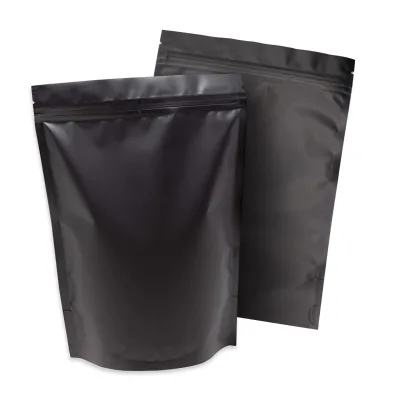
Source Child Resistant Resealable Mylar Bag for Medical, Food, Gift
Compare 30 listings for Child Resistant Resealable Mylar Bag options from Chinese manufacturers. Buyers can evaluate customization, sealing methods, and material structures for medical, food, and gift packaging needs; compare the available evidence and request quotations based on your requirements.
Key considerations
Products List


Resealable Tea Packaging Mylar Bag Child Proof Stand up Smell Proof Bag
$0.03 - $0.10
MOQ: 2000 Pieces


Mylar Bags 3.5g Custom Mylar Bags 3.5 Child Proof Edible Food Packaging
$0.05 - $0.25
MOQ: 1000 Pieces


Comprehensive Sourcing Guide
Child Resistant Resealable Mylar Bag Sourcing Guide
Procuring child resistant resealable mylar bags requires a careful balance of safety compliance, material integrity, and supply chain reliability. These specialized packaging solutions are designed to prevent unauthorized access by children while maintaining product freshness and security for sensitive goods. Buyers must prioritize suppliers who demonstrate rigorous adherence to international safety standards and possess the technical capability to produce durable, tamper-evident closures. The market offers various configurations, from simple zipper seals to complex multi-layer structures, each serving different regulatory and logistical needs.
This guide outlines the critical evaluation steps for sourcing these packaging materials effectively. It covers product scope, technical verification, compliance documentation, cost analysis, supplier qualification, and long-term procurement strategies. By focusing on evidence-based decision-making, buyers can mitigate risks associated with non-compliant products, supply disruptions, and quality inconsistencies. Understanding the specific attributes of mylar bags, such as material composition and sealing methods, is essential for selecting the right partner for your packaging requirements.
Product Scope and Observed Listing Signals
The observed product landscape includes a variety of packaging solutions, with a notable presence of double-layer mylar bags and child-resistant options. Listings frequently highlight customization capabilities, allowing buyers to tailor sizes, colors, and logos to their specific branding needs. Common applications span medical packaging, food packaging, and cosmetic packaging, indicating the versatility of these materials across different industries. The presence of features like zipper closures and self-sealing mechanisms suggests a focus on convenience and reusability for end-users.
Suppliers often emphasize their ability to provide OEM packaging services, including free artwork proofing before mass production. This service reduces the risk of design errors and ensures that the final product aligns with the buyer’s expectations. Additionally, the use of materials like polypropylene and composite structures such as Pet/VMPET/PE indicates a range of barrier properties and durability levels. Buyers should verify the specific material structure required for their product’s shelf-life and protection needs, as these factors significantly impact performance.
Technical Specifications to Verify
Technical verification begins with confirming the material structure and thickness, which are critical for barrier performance and durability. Observed listings mention thickness ranges of 50-200 microns, but buyers must ensure that the selected thickness meets the specific requirements for their product’s protection needs. The material composition, whether it is a simple polypropylene bag or a complex composite like Pet/VMPET/PE, determines the bag’s resistance to moisture, oxygen, and light. Understanding these properties is essential for maintaining product integrity during storage and transit.
Sealing mechanisms and closure types are another vital area of verification. While zipper closures and self-sealing features are common, buyers must assess the reliability and ease of use of these closures. The presence of accessories like EVA inserts or PVC components may be relevant for specific product shapes or protection needs. Additionally, the transparency of the bag, whether non-transparent or transparent, should align with branding and visibility requirements. Buyers should request samples to test the sealing strength and overall functionality before committing to large orders.
Compliance and Safety Documentation
Compliance with child-resistant packaging standards is paramount, especially for products intended for medical or hazardous use. Buyers must verify that suppliers can provide documentation proving adherence to relevant safety regulations, such as those set by the Consumer Product Safety Commission or equivalent international bodies. This documentation should include test results demonstrating the bag’s ability to withstand child access attempts while remaining accessible to adults. Without proper certification, products may face regulatory hurdles or safety liabilities in target markets.
Tamper-evident features are also crucial for ensuring product security and consumer trust. Buyers should inquire about the specific tamper-evident mechanisms incorporated into the packaging, such as breakable seals or visible indicators of opening. These features provide assurance that the product has not been compromised prior to purchase. Additionally, suppliers should be able to provide information on the recyclability of the packaging materials, as environmental regulations and consumer preferences increasingly favor sustainable solutions.
Cost Drivers and Commercial Terms
Cost drivers for child resistant resealable mylar bags include material costs, customization complexity, and order volume. The use of specialized materials like VMPET or composite structures can increase production costs compared to standard polypropylene bags. Customization options, such as unique sizes, colors, and printed logos, also contribute to higher prices due to the additional setup and processing required. Buyers should negotiate clear pricing structures that account for these variables, ensuring transparency in cost allocation.
Minimum order quantities (MOQs) and payment terms are significant commercial considerations. Observed listings indicate MOQs ranging from 1000 to 50,000 pieces, depending on the supplier and product complexity. Buyers should assess whether their demand aligns with these MOQs to avoid excessive inventory costs. Shipping methods, such as DHL, FedEx, or UPS, also impact total landed costs. Understanding these terms helps buyers plan their budget and supply chain logistics effectively, minimizing unexpected expenses.
Supplier Qualification and Quality Control
Supplier qualification involves assessing their manufacturing capabilities, quality control processes, and track record. Buyers should verify that suppliers have experience in producing child-resistant packaging and can provide references or case studies from previous clients. Quality control measures, such as in-process inspections and final product testing, are essential for ensuring consistency and reliability. Suppliers should be able to demonstrate their ability to maintain tight tolerances in material thickness and sealing performance.
Communication and responsiveness are also key indicators of supplier reliability. Buyers should evaluate how quickly suppliers respond to inquiries and provide samples or quotes. A supplier’s willingness to collaborate on design adjustments or address quality issues promptly is a valuable asset. Additionally, suppliers should have clear procedures for handling defects or non-conforming products, ensuring that buyers are protected in case of production errors. Building a strong relationship with a qualified supplier enhances long-term procurement success.
Long-Term Procurement Checks
Long-term procurement success depends on continuous monitoring of supplier performance and market trends. Buyers should regularly review supplier quality metrics, such as defect rates and delivery times, to ensure ongoing compliance with expectations. Market trends, including changes in material costs or regulatory requirements, should be tracked to anticipate potential impacts on pricing and product specifications. Proactive engagement with suppliers helps maintain a competitive edge and ensures that packaging solutions remain aligned with business goals.
Sustainability and innovation are increasingly important factors in long-term procurement. Buyers should explore opportunities to adopt more eco-friendly materials or designs that reduce environmental impact. Suppliers who invest in research and development may offer new solutions that enhance product performance or reduce costs. By staying informed about industry advancements and maintaining open communication with suppliers, buyers can adapt to changing market conditions and secure a reliable supply of high-quality packaging materials.
FAQs
Can I customize the size and color of the bag?
Yes, you can request customized sizes and colors for the packaging. The product supports tailored dimensions and specific color choices to match your brand identity. This flexibility allows for unique designs while maintaining the required child-resistant and resealable features for safety compliance.
What is the minimum order quantity for these bags?
The minimum order quantity is 1000 pieces per design for this product. Some listings indicate a range between 500 and 50000 units depending on the specific configuration. Buyers should confirm the exact MOQ with the supplier before placing an order to ensure production feasibility.
How long does it take to receive a sample?
Sample production typically takes 2 to 5 working days. This timeframe allows for the creation of a proof template before mass production begins. Buyers can utilize this period to verify the quality, sealing method, and customization details of the child-resistant mylar bag.
What materials are used to construct the bag?
The bags are constructed from plastic materials including structures like Pet/VMPET/PE. Some variants use polypropylene plastic bags with composite packaging processes. These materials ensure durability and provide the necessary barrier properties for food, medical, and cosmetic packaging applications.
Does the product support custom logo printing?
Yes, the supplier accepts customized logo printing on the packaging. You can also request specific artwork services with a proof template provided before mass production. This ensures your branding is accurately applied to the child-resistant resealable mylar bags for your specific product needs.
What sealing methods are available for this packaging?
The product features zipper closure and self-sealing mechanisms for secure packaging. These methods ensure the bag remains child-resistant while allowing easy access for the end user. The sealing design is suitable for various applications including medical, food, and cosmetic product storage.
Where are these packaging products manufactured?
These products originate from manufacturing facilities in China, specifically in locations like Shenzhen and Anhui. The supply chain is established to support international shipping via carriers like DHL, FedEx, and UPS. Buyers can expect consistent quality from these established production regions.