Source Modern Travel Jewelry Organizer Case for Wedding, Travel, Gift
Compare 30 listings for a Modern Travel Jewelry Organizer Case designed for wedding favors, travel commemoration, and employee benefits. Options include leather and PU materials with customizable designs, sizes, and colors to suit various storage needs.
Key considerations
Products List


Wholesale Luxury Travel Jewelry Organizer Case Mini Travel Jewelry Boxes
$27.50 - $32.50
MOQ: 1000 Pieces

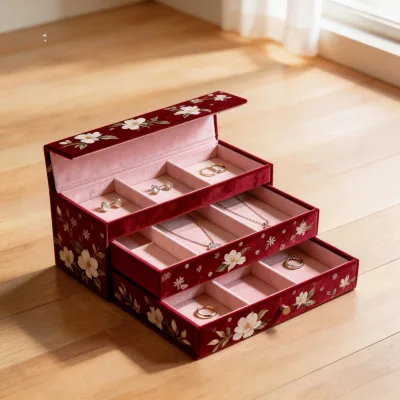

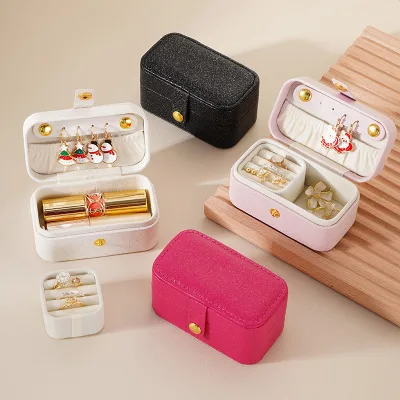


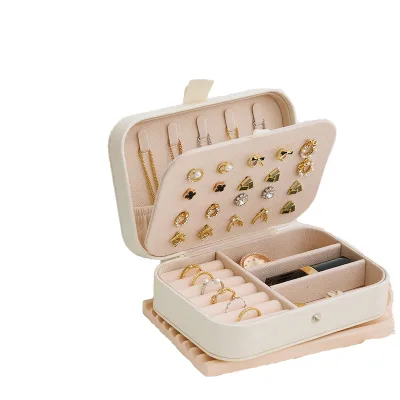


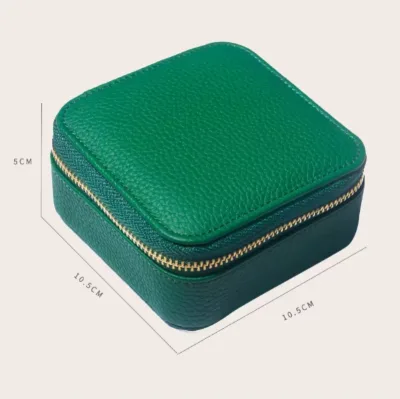
Comprehensive Sourcing Guide
Strategic Sourcing Guide for Modern Travel Jewelry Organizer Cases
The global demand for portable, secure, and aesthetically pleasing storage solutions has elevated the Modern Travel Jewelry Organizer Case from a simple accessory to a critical component of the luxury travel and gifting sectors. For B2B procurement professionals, sourcing these items requires a nuanced understanding of material specifications, customization capabilities, and supply chain logistics. The market offers a diverse range of options, from compact round leather containers to larger clamshell-style combination boxes, each serving distinct functional needs. This guide provides a comprehensive framework for evaluating suppliers and products, ensuring that procurement decisions are grounded in verified data and industry best practices rather than unverified marketing claims.
Technical Specifications and Material Standards
When evaluating potential inventory for modern travel jewelry organizer cases, the first step is a rigorous analysis of technical specifications. The physical dimensions and structural integrity of the product are paramount, particularly for items intended for frequent transport. Market observations indicate a significant variation in size, ranging from compact units with a diameter of 10cm and a height of 5cm to larger models measuring 18.2cm in diameter and 5.6cm in height. These dimensional differences directly influence the internal capacity and the type of jewelry that can be stored, necessitating a clear definition of the target application before selection.
Material composition is another critical technical factor. The most prevalent material observed in high-quality travel cases is leather, specifically noted for its durability and premium feel. However, buyers must verify the specific type of leather or leather alternative, as standards such as "pu leather" are common in the supply chain. The structural design often features a round shape, which offers a compact footprint ideal for luggage, though the opening mechanism varies significantly. Some models utilize a pull-out design for easy access, while others employ a clamshell opening style, which provides a more secure closure for travel.
The following table summarizes the observed technical variations in the current market:
| Feature Category | Observed Specification A | Observed Specification B | Observed Specification C |
|---|---|---|---|
| Dimensions | Diameter: 10cm, Height: 5cm | Diameter: 18.2cm, Height: 5.6cm | Size: Small / Medium |
| Material | Leather | PU Leather | Customized Material |
| Shape | Round | Round | Combination Box |
| Opening Mechanism | Pull-out | Clamshell | Zipper Closure |
| Weight | Not Specified | 0.24kg | Not Specified |
| Color Options | Black | Green, Black, White, Brown | Custom Color |
Buyers should verify that the listed weight, such as the 0.24kg observation, aligns with the specific model's capacity, as heavier materials may impact shipping costs. Furthermore, the presence of a zipper closure is a distinct feature that differentiates certain models from standard clamshell designs, offering an additional layer of security against dust and moisture during transit.
Customization and OEM Capabilities
A defining characteristic of the modern travel jewelry organizer market is the high degree of customization available to B2B buyers. Most suppliers in this sector offer robust Original Equipment Manufacturer (OEM) and Original Design Manufacturer (ODM) services. This capability allows brands to tailor the product to their specific identity requirements. The customization scope typically extends to design, color, and size, enabling buyers to create unique products that stand out in competitive markets.
The ability to accept custom logos is a standard expectation for bulk orders. Whether the logo is embossed, printed, or attached via a tag, the supplier must demonstrate the technical proficiency to execute these designs without compromising the structural integrity of the case. Additionally, the "Custom" standard designation found in product listings suggests that many manufacturers are willing to deviate from their stock specifications to meet unique client needs. This flexibility is particularly valuable for companies targeting niche markets, such as wedding favors, travel commemoration items, or employee benefit packages.
However, the extent of customization often correlates with the Minimum Order Quantity (MOQ). While some suppliers may offer lower thresholds, the observed data indicates MOQs ranging from 300 pieces to 500 pieces, with some instances reaching up to 1000 units. Buyers must balance the desire for unique designs with the financial implications of meeting these volume requirements. It is essential to confirm whether the customization fee applies to the entire order or if it is a one-time setup cost, as this significantly impacts the unit economics of the procurement.
Cost Drivers and Pricing Structures
Understanding the cost structure of travel jewelry organizer cases is vital for maintaining healthy profit margins. The price range observed in the market is substantial, spanning from approximately $0.80 to $32.50 USD per unit. This wide disparity is driven by several key factors, including material quality, complexity of the design, and the level of customization required.
The base cost is heavily influenced by the material. Leather and high-grade PU leather command a higher price point compared to synthetic alternatives. Furthermore, the inclusion of features such as zipper closures, specific internal linings, or specialized compartments adds to the manufacturing complexity and cost. The size of the product also plays a role; larger cases with a diameter of 18.2cm generally cost more than compact 10cm models due to the increased material usage.
Customization services introduce additional cost layers. Suppliers often charge a sample fee, with observed rates around $50 per piece, to cover the prototyping and tooling expenses. This fee is typically non-refundable unless the order volume meets a specific threshold. The production time, which can range from 20 to 25 days for standard orders and up to 30 working days for customized batches, also influences the overall cost structure. Longer lead times may require expedited shipping options, which can further increase the landed cost.
Buyers should also consider the payment terms, which often require a deposit, such as 30% of the total order value, before production begins. This financial commitment underscores the importance of verifying the supplier's reliability before releasing funds. The final unit price should be calculated based on the total landed cost, including shipping via air or sea, packaging costs, and any applicable duties or taxes.
Compliance, Certification, and Safety Checks
While the product listings highlight features like "Eco-Friend" and "Fashionable," buyers must exercise caution regarding unverified compliance claims. The term "Eco-Friend" suggests an environmental consideration, but without specific certification data, this should be treated as a marketing observation rather than a guaranteed standard. In the B2B context, relying on such claims without third-party verification can pose reputational risks, especially for brands targeting environmentally conscious consumers.
Buyers should actively request documentation regarding material safety and compliance with international standards. For leather and PU products, this includes verifying the absence of harmful substances such as azo dyes, heavy metals, or phthalates. Although specific certification names are not provided in the general product data, buyers should ask suppliers for test reports from recognized laboratories that confirm compliance with regulations like REACH in Europe or CPSIA in the United States.
Additionally, the "Custom" standard mentioned in the product attributes implies that the product may not adhere to a pre-existing industry standard unless explicitly agreed upon. Therefore, the buyer must define the required standards during the specification phase. This includes verifying the durability of the zipper closure, the strength of the stitching, and the resistance of the material to wear and tear. Ensuring that the product meets the safety and quality expectations of the target market is a critical step that cannot be overlooked.
Supplier Evaluation and Quality Control
Selecting the right supplier is as important as selecting the right product. The supply chain for jewelry organizers is concentrated in specific regions, with Shenzhen, China, identified as a key origin point. When evaluating potential partners, buyers should look for suppliers who demonstrate a clear understanding of the product's technical requirements and customization capabilities.
Quality control should be integrated into the procurement process from the outset. This begins with the sample phase, where the 7-day sample time allows for a thorough evaluation of the product's build quality, finish, and functionality. Buyers should test the sample for durability, checking the smoothness of the pull-out or clamshell mechanisms and the security of the zipper closure. The weight of the sample should also be verified to ensure it matches the specifications provided.
For mass production, buyers should establish a clear quality assurance protocol. This may include requesting pre-production samples, conducting in-process inspections, and performing final random inspections before shipment. The production time of 20-25 days provides a window for these checks, but it is crucial to communicate inspection requirements clearly to the supplier. The use of specific packaging, such as "1set/OPP Bag" or "Carton," should also be verified to ensure that the products arrive in good condition.
Typical Applications and Market Positioning
The versatility of modern travel jewelry organizer cases allows them to serve a wide array of applications. The observed usage categories include packing, storage, collection, and gifting, making them suitable for various B2B sectors. In the wedding industry, these cases are often used as personalized favors for guests or as part of the bridal party's preparation kits. The ability to customize the design and color makes them ideal for creating cohesive wedding themes.
For the corporate sector, these organizers are frequently utilized as employee benefits or promotional gifts. The compact size and premium appearance make them effective branding tools that employees are likely to use and display. Additionally, the travel commemoration aspect suggests a potential market for tourism boards or travel agencies looking to offer unique souvenirs. The "Jewel Organizer" keyword highlights the functional focus, while the "Portable Jewelry Storage Case" designation emphasizes the convenience factor for travelers.
The application also extends to retail and e-commerce, where these cases can be sold as standalone products. The "Fashionable" and "Eco-Friend" attributes, if verified, can be leveraged in marketing campaigns to attract a broader audience. Understanding the specific application helps in tailoring the product specifications, such as choosing the right size and opening mechanism, to meet the needs of the end-user.
Long-Term Procurement Considerations
Sourcing travel jewelry organizer cases is not a one-time transaction but a strategic partnership that requires long-term planning. Buyers should consider the scalability of the supplier's production capabilities to handle future order volume increases. The observed MOQs of 300 to 500 units suggest that suppliers are equipped to handle medium to large orders, but buyers should confirm their capacity for scaling up without compromising quality or lead times.
Sustainability is an emerging trend that will likely influence future procurement decisions. While "Eco-Friend" is currently an observed attribute, buyers should proactively seek suppliers who can provide verifiable evidence of sustainable practices, such as the use of recycled materials or eco-friendly manufacturing processes. This proactive approach can future-proof the supply chain against changing consumer preferences and regulatory requirements.
Finally, the logistics of shipping, whether by air or sea, must be factored into the long-term strategy. The choice of shipping method will depend on the urgency of the order and the budget constraints. Buyers should establish a relationship with the supplier that allows for flexible shipping options and clear communication regarding delivery times. By focusing on these long-term considerations, buyers can ensure a stable and efficient supply chain for their modern travel jewelry organizer cases.
FAQs
What customization options are available for these cases?
Design, color, and size can be customized for these jewelry organizer cases. Suppliers accept custom logos and offer OEM services, allowing brands to tailor products for weddings, travel, or employee benefits with specific requirements.
Which opening mechanisms are commonly used for these cases?
Common opening mechanisms include pull-out designs and clamshell styles. Some models also feature zipper closures for enhanced security, ensuring the contents remain safe during travel or storage while providing easy access.
Can I find these cases with specific dimensions like 10cm diameter?
Yes, cases with a 10cm diameter and 5cm height are available in the market. Larger options also exist, such as models with an 18.2cm diameter, allowing buyers to select sizes that fit their specific storage needs.
How long does production take for customized orders?
Production time typically ranges from 20 to 25 days for standard orders. Customized batches may require up to 30 working days, with sample times often taking around 7 days before mass production begins.
What is the minimum order quantity for these jewelry boxes?
Minimum order quantities vary, with observed thresholds ranging from 300 to 500 pieces. Some suppliers may require up to 1000 units, so buyers should verify specific MOQ requirements before placing bulk orders.
Are these cases made from leather or other materials?
Many cases are constructed from leather or PU leather, offering durability and a premium feel. Customization options may allow for different materials, but leather remains a prevalent choice for high-quality travel organizers.