Source Modern Velvet Fabric Curved Sofa for Living Room, Hotel, and Office
Find 30 Modern Velvet Fabric Curved Sofa options for living rooms, hotels, and offices. Compare specifications like wood frames, sponge padding, and delivery times to select the ideal piece for your space.
Key considerations
Products List


Modern Living Room Hotel Lobby Wedding Event Curved Velvet Fabric Lounge Sofa
$480.00 - $585.00
MOQ: 5 Pieces


Luxury Curved Living Room Sofa with Round Feature Velvet Fabric Modern Sofa
$500.00 - $550.00
MOQ: 5 Sets

Contemporary Soft Fabric Sofa Modern Curved Seating for Living Room Home Furniture
$447.00 - $469.00
MOQ: 1 Sets

Curved Sofa Stylish Fabric Sectional Modular Sofa for Living Room Home Furniture
$187.00 - $199.00
MOQ: 1 Sets

Luxury Curved Sectional Modern Sofa Fabric Comfort Sofa with Chaise Living Room
$500.00 - $550.00
MOQ: 5 Sets


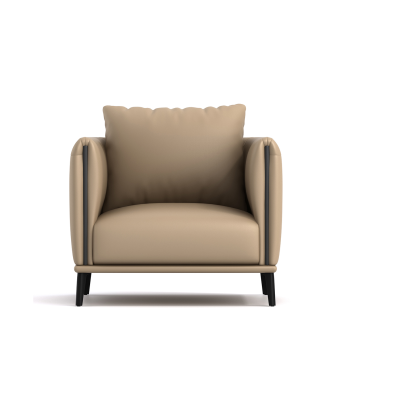


Italian Velvet Modern Furniture Black Modular Curved Sofa-Living Room Sofa
$500.00 - $1500.00
MOQ: 1 Pieces

Modern Curved Velvet Sofa Plush Comfort for Contemporary Living Spaces
$1000.00 - $20000.00
MOQ: 1 Pieces


Modern Minimalist Curved Fabric Sofa for Living Room with Plush Cushions
$2000.00 - $10000.00
MOQ: 1 Pieces


Luxury Design Lazy Sofa Velvet Fabric Curved Sofa for Hotel Living Room
$168.00 - $398.00
MOQ: 1 Pieces

Comprehensive Sourcing Guide
Modern Velvet Fabric Curved Sofa Sourcing Guide
Sourcing modern velvet fabric curved sofas requires a careful balance of aesthetic precision and structural integrity, particularly when dealing with international suppliers. The visual appeal of a curved silhouette relies heavily on the drape and texture of the velvet upholstery, which must be selected to complement the ergonomic flow of the frame. Buyers must recognize that "modern" in this context often implies clean lines, low profiles, and a seamless integration into contemporary living spaces, hotel lobbies, or reception areas. The choice of fabric is not merely decorative; it dictates the tactile experience and long-term durability of the piece. Velvet, while luxurious, presents specific maintenance and wear considerations that differ significantly from standard woven fabrics like linen or microfiber. Procurement teams need to evaluate how the pile direction and density of the velvet interact with the curved geometry of the sofa, ensuring that the material does not pucker or stretch unevenly along the bends.
Furthermore, the supply chain for these items is heavily influenced by customization capabilities and regional manufacturing hubs. Most high-quality curved sofas originate from established furniture manufacturing clusters, such as Foshan in Guangdong, China, where specialized craftsmanship for complex shapes is concentrated. Buyers should prioritize suppliers who offer OEM/ODM services, as off-the-shelf curved models are less common than modular straight-line sofas. The ability to customize dimensions, colors, and frame materials is critical for meeting specific interior design requirements. However, customization introduces variability in production timelines and quality control processes. Understanding the supplier’s capacity to handle bespoke orders without compromising the structural stability of the curved frame is essential for successful procurement.
Product Scope and Observed Listing Signals
The market for modern velvet curved sofas presents a wide range of options, with observed listing prices varying significantly from approximately $109 to $20,000 USD. This broad spectrum reflects differences in material quality, frame construction, and brand positioning. Lower price points may indicate the use of synthetic blends or thinner velvet, while higher-end listings often feature premium fabrics, solid wood frames, and superior foam density. Buyers must correlate price with specific material attributes, such as the presence of sponge padding or high-density foam, to avoid underestimating the cost of durable, high-comfort units. The minimum order quantity (MOQ) also varies, with some suppliers requiring as few as one piece for trial orders, while others mandate bulk purchases of 20 to 30 pieces or specific container loads. This variability allows for flexible sourcing strategies, but it requires careful negotiation to align order volumes with budget constraints and inventory needs.
Observed product attributes highlight a strong emphasis on customization and aesthetic versatility. Many listings offer a wide palette of colors, including pink, grey, white, green, yellow, blue, and royal blue, allowing buyers to tailor the sofa to specific interior themes. The frame material is predominantly wood, providing a sturdy foundation for the curved design, while the seat style is often described as modern or European, depending on the specific model. It is important to note that not all listed products are inflatable; most are rigid, non-inflatable structures designed for permanent installation. The packing method is typically an export carton or woven bag, which impacts shipping costs and handling requirements. Buyers should verify the exact dimensions and packaging details for each model, as curved sofas can be bulky and may require special logistics arrangements to prevent damage during transit.
Technical Specifications to Verify
Verifying technical specifications is crucial to ensuring that the curved sofa meets both functional and spatial requirements. Key dimensions such as back height, seat depth, and overall footprint must be cross-referenced with the intended installation space. For instance, some models feature a medium back height, which offers a sleek, modern profile but may provide less lumbar support for taller individuals. Buyers should request detailed technical drawings or 3D models to understand the curvature radius and how it affects seating capacity. The frame construction is another critical area; solid wood frames are preferred for their durability and ability to support the weight of the upholstery and occupants without warping over time. The type of wood and the joinery methods used should be confirmed to ensure long-term structural integrity, especially for larger curved units that may experience uneven stress distribution.
Upholstery and padding specifications directly influence comfort and longevity. The foam density is a primary indicator of quality, with higher densities (such as 40-45 kg/m³) offering better resilience and resistance to sagging. Buyers should inquire about the layering of the padding, as a combination of high-density foam and softer sponge can provide a balanced seating experience. The cover material, whether it is velvet, cord, linen, or microfiber, should be evaluated for its abrasion resistance and ease of cleaning. Velvet, in particular, requires attention to pile direction and colorfastness, as it can show wear patterns more readily than other fabrics. Additionally, the warranty terms, often ranging from five years against manufacturing defects, provide a safety net for buyers, but the specific conditions and exclusions must be clearly understood before finalizing the purchase.
Compliance and Safety Documentation
Compliance with fire retardant standards is a non-negotiable aspect of sourcing upholstered furniture, particularly for commercial applications such as hotels, offices, and reception rooms. Different regions have distinct regulatory requirements, and buyers must ensure that the sofa meets the relevant standards for their target market. For example, some suppliers may certify their products against EN standards, while others may comply with CAL (California) or BS (British) fire retardant regulations. These certifications are not interchangeable, and using a product certified for one region in another can lead to legal and safety liabilities. Buyers should request valid test reports and certificates from accredited laboratories to verify that the foam, fabric, and filling materials meet the specified flame resistance criteria.
Beyond fire safety, other certifications may indicate adherence to environmental and health standards. Certifications such as REACH, Oeko-Tex, FSC, and EPA/TECO/CARB suggest that the materials used are free from harmful substances and sourced sustainably. These are particularly important for buyers targeting eco-conscious markets or strict corporate procurement policies. The presence of these certifications also reflects the supplier’s commitment to quality management and regulatory compliance. Buyers should verify the validity and scope of each certification, ensuring that they cover the specific components of the sofa, such as the wood frame and the fabric upholstery. This due diligence helps mitigate risks associated with chemical exposure and environmental impact, enhancing the brand reputation of the end product.
Cost Drivers and Commercial Terms
Several factors influence the total cost of ownership for modern velvet curved sofas, including material selection, customization level, and logistics. The choice of fabric is a significant cost driver, with premium velvet and specialized weaves commanding higher prices. Similarly, the complexity of the curved frame design can increase manufacturing costs due to the specialized labor and tooling required. Buyers should also consider the impact of customization on pricing, as bespoke dimensions or unique color combinations may incur additional charges. Payment terms, such as a 30% T/T deposit, are common in the industry, but the balance and timing of the remaining payment should be negotiated to protect the buyer’s interests. Understanding the full cost structure, including any hidden fees for packaging or documentation, is essential for accurate budgeting.
Delivery times and lead times are critical commercial considerations that affect inventory planning and project timelines. Typical delivery windows range from 20 to 45 days after the deposit is paid, depending on the order volume and customization requirements. Buyers must account for these lead times when scheduling installations or retail launches. Shipping costs are another variable, influenced by the volume and weight of the packed sofa. Curved sofas can be bulky, and the packaging method, whether export carton or woven bag, affects the cubic meter (CBM) calculation and thus the freight charges. Buyers should request detailed shipping quotes and consider consolidating orders to optimize logistics costs. Clear communication regarding delivery schedules and potential delays is vital to avoid disruptions in the supply chain.
Supplier Qualification and Quality Control
Selecting a qualified supplier involves assessing their manufacturing capabilities, quality control processes, and track record. Buyers should prioritize suppliers with a proven history of producing curved sofas, as this requires specialized expertise in woodworking and upholstery. Factory audits, either physical or virtual, can provide insights into the production environment, equipment, and workforce skills. It is important to verify that the supplier has robust quality control measures in place, including inspections at various stages of production, from frame assembly to final upholstery. Suppliers who offer OEM/ODM services often have more flexible and responsive quality management systems, but this must be balanced with their ability to maintain consistency across large orders.
Communication and responsiveness are also key indicators of supplier reliability. A qualified supplier should be able to provide detailed product information, technical support, and after-sales service. Buyers should evaluate the supplier’s willingness to accommodate sample requests and their responsiveness to inquiries regarding customization options. The availability of a warranty, such as a five-year guarantee against manufacturing defects, is a strong signal of confidence in product quality. However, buyers should clarify the terms of the warranty, including what constitutes a manufacturing defect and the process for claiming repairs or replacements. Establishing a clear and transparent relationship with the supplier helps build trust and ensures a smoother procurement experience.
Long-Term Procurement Checks
Long-term procurement success depends on continuous monitoring of supplier performance and product quality. Buyers should establish key performance indicators (KPIs) to track delivery times, defect rates, and customer satisfaction. Regular feedback loops with the supplier can help identify and address issues early, preventing recurring problems. It is also important to stay updated on changes in regulations and market trends, as these can impact product requirements and sourcing strategies. For instance, evolving fire safety standards or environmental regulations may necessitate periodic re-evaluation of supplier certifications and material choices. Buyers should maintain a diversified supplier base to mitigate risks associated with single-source dependencies.
Finally, buyers should consider the lifecycle management of the product, including maintenance, repair, and end-of-life disposal. Providing clear care instructions for velvet upholstery can help extend the lifespan of the sofa and maintain its aesthetic appeal. Buyers should also explore options for recycling or repurposing materials at the end of the product’s life, aligning with sustainability goals. By adopting a holistic approach to procurement that includes long-term planning and risk management, buyers can ensure that their investment in modern velvet curved sofas delivers value over time. This proactive strategy not only enhances operational efficiency but also supports the brand’s commitment to quality and sustainability.
FAQs
What customization options are available for this sofa?
Customization is available for this Modern Velvet Fabric Curved Sofa. Buyers can select from various colors including pink, grey, white, green, yellow, and blue, or request custom options. The service supports OEM and ODM requirements to meet specific design needs.
How long is the delivery time after deposit?
Delivery typically takes between 20 to 45 days after receiving the deposit. Some specific models may require 25 to 30 days or 30 to 45 days depending on the order details. The exact timeline is confirmed once the 30% deposit is paid.
What is the minimum order quantity for this product?
The minimum order quantity varies by model, ranging from 1 to 30 pieces. Specific listings indicate an MOQ of 20 pieces or 5 sets, with options to mix 4 or 5 items in a 40 HQ container. Buyers should verify the MOQ for their selected model.
Which fire retardant standards does the sofa meet?
The sofa meets multiple fire retardant standards including EN, CAL, and BS. These standards apply to the wood frame material used in construction. Compliance ensures safety for use in home living rooms, hotels, and office lobbies.
Can I get this sofa with a solid wood frame?
Yes, the sofa is constructed with a solid wood frame. The frame material is specified as wood, providing structural stability. This construction supports the velvet fabric cover and sponge padding for a durable modern living room piece.
What certifications are included with the product?
The product includes certifications such as EPA, TECO, CARB, FSC, REACH, and Oeko-Tex Standard. These certifications verify material safety and environmental compliance. The condition is listed as new, ensuring quality for commercial and residential applications.
How is the sofa packed for export?
The sofa is packed in export carton packages or woven bags depending on the model. This packaging ensures protection during shipping. The export standard package is designed to maintain the condition of the velvet fabric and frame during transit.