Source Modern Wabi Sabi Study Furniture for Offices
Explore 30 options for Modern Wabi Sabi Study Furniture, featuring solid walnut wood designs and ergonomic rotating chairs. Compare specifications for hotel, home, and dining room applications to find the right fit for your project; compare the available evidence and request quotations based on your requirements.
Key considerations
Products List

Wabi-Sabi Open Frame Multi-Drawer Decorative Storage Side Cabinet Furniture
$850.00 - $968.00
MOQ: 1 Pieces


Wabi-Sabi Sculpted Recessed Door Black Wood Decorative Side Cabinet Furniture
$986.00 - $1170.00
MOQ: 1 Pieces


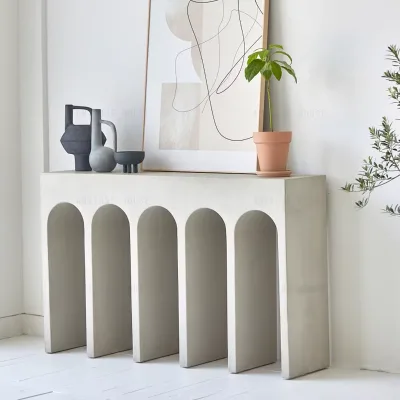
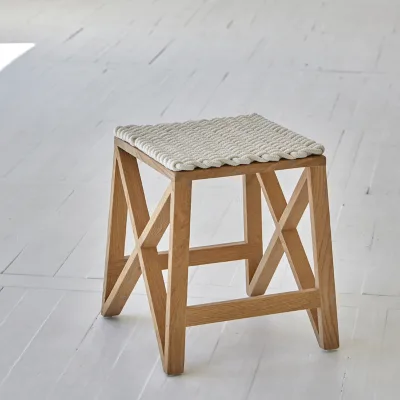

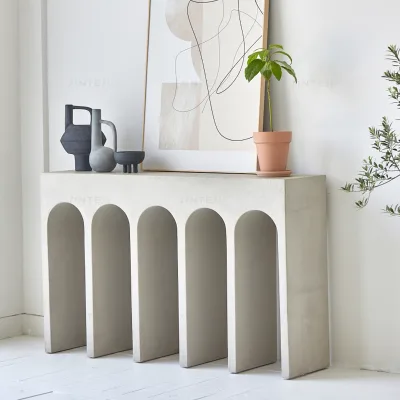

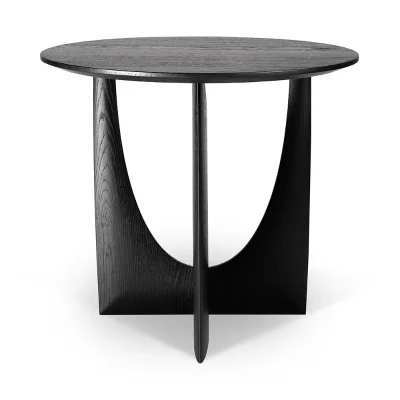


$400.00 - $1000.00
MOQ: 2 Square Meters


Individualized Wardrobe System in Wabi Sabi Style with Pitted Surface and Soft Close Slide Rails
$400.00 - $1000.00
MOQ: 2 Square Meters

$400.00 - $1000.00
MOQ: 2 Square Meters


High Quality New Design Coffee Table Marble Top Wabi Sabi Coffee Tables
$1401.00 - $1999.00
MOQ: 1 Sets

Comprehensive Sourcing Guide
Modern Wabi Sabi Study Furniture Sourcing Guide
Sourcing Modern Wabi Sabi Study Furniture requires a nuanced understanding of material authenticity and aesthetic restraint. This design philosophy emphasizes natural imperfections, raw textures, and organic forms, often utilizing solid wood to create a sense of grounded tranquility. Buyers must distinguish between genuine wabi sabi characteristics and superficial trends that merely mimic rustic aesthetics without the underlying structural integrity. The focus is on pieces that age gracefully, offering a timeless appeal suitable for both residential studies and high-end hospitality environments.
The procurement process involves identifying suppliers who prioritize craftsmanship over mass production efficiency. Key indicators include the use of full solid wood, consistent grain patterns, and finishes that enhance rather than conceal the material’s natural beauty. Buyers should look for products that balance modern ergonomic requirements with the organic, unpretentious forms characteristic of the style. This ensures that the furniture not only meets functional needs but also contributes to a serene and focused workspace environment.
Product Scope and Observed Listing Signals
Current market listings reveal a diverse range of products that align with modern wabi sabi principles, particularly those featuring solid wood construction and minimalist designs. Observed attributes include wooden paint surfaces, stainless steel accents, and specific dimensions that cater to various spatial requirements. For instance, models with dimensions such as W140D40H86CM or W240D75H100CM suggest versatile applications in dining or study areas. These signals indicate a market segment focused on durable, aesthetically pleasing furniture that integrates seamlessly into modern interiors.
The presence of customization options and OEM services suggests that buyers can tailor pieces to specific design needs. Attributes like "Hundreds of Color Available Options" and "Customized" features allow for personalization while maintaining the core wabi sabi ethos. Additionally, the availability of samples for a charge indicates a supplier confidence in product quality, enabling buyers to verify material authenticity and finish before committing to larger orders. This flexibility is crucial for achieving the desired balance between modern functionality and rustic charm.
Technical Specifications to Verify
Verifying technical specifications is critical to ensuring that the furniture meets both aesthetic and functional standards. Buyers should confirm the material composition, particularly the use of full solid wood for legs and tabletops, as this impacts durability and visual authenticity. Specifications such as W56*H87CM for certain models highlight the importance of precise dimensions in achieving the intended scale and proportion. Additionally, the structure should be examined for stability, with features like integrated tapered conical pedestals providing a solid foundation.
The finish and surface treatment are equally important, with moisture-proof and stain-resistant matte wood surfaces being desirable for longevity. Buyers must verify that the rotatory or fixed movement types align with ergonomic needs, especially for study chairs. Specifications like W870W870H450CM for specific models indicate the need for careful spatial planning. Ensuring that the product packing methods, such as flat-packed single cartons, protect the delicate finishes during transit is also essential to prevent damage upon arrival.
Compliance and Safety Documentation
Compliance with safety standards is non-negotiable in furniture procurement, particularly for items used in residential and commercial settings. Buyers should request certification documents, such as CE marks, to ensure that products meet European safety and environmental regulations. These certifications provide assurance that the materials and manufacturing processes adhere to strict quality controls, reducing the risk of defects or hazards. Verifying these documents early in the sourcing process helps mitigate potential legal and safety liabilities.
In addition to certifications, buyers should inquire about material safety data sheets and finish compositions to ensure they are free from harmful chemicals. This is particularly relevant for furniture with painted surfaces or treated woods, where off-gassing or toxicity could be a concern. Ensuring that the furniture is suitable for adult use and meets ergonomic standards further enhances its safety profile. Documentation should also cover the product’s origin, such as Hebei, China, to trace the supply chain and verify ethical manufacturing practices.
Cost Drivers and Commercial Terms
Understanding the cost drivers in modern wabi sabi furniture sourcing is essential for budgeting and negotiation. Factors such as material quality, customization options, and production complexity significantly influence pricing. The use of full solid dark walnut wood and natural finishes adds to the cost but ensures long-term value and aesthetic appeal. Buyers should also consider the impact of lead times, which typically range from 30 to 45 days, on overall project timelines and inventory management.
Commercial terms, including MOQs and payment structures, vary among suppliers and should be carefully evaluated. Observed MOQ ranges of 1 to 50 units offer flexibility for both small and large orders. Buyers should negotiate terms that align with their cash flow and storage capabilities, while also considering the value of sample charges and customization fees. Clear communication regarding delivery times and packing methods helps avoid unexpected costs and ensures a smooth procurement process.
Supplier Qualification and Quality Control
Supplier qualification is a critical step in ensuring the reliability and consistency of modern wabi sabi furniture. Buyers should assess suppliers based on their ability to provide high-quality materials and craftsmanship, as evidenced by product attributes like consistent wood grain and durable finishes. Requesting samples and conducting thorough inspections of these samples can provide valuable insights into the supplier’s quality control processes. This due diligence helps identify potential issues before committing to large orders.
Establishing a robust quality control framework is essential for maintaining product standards throughout the production process. Buyers should define clear acceptance criteria for materials, dimensions, and finishes, and communicate these expectations to suppliers. Regular communication and site visits, if possible, can help build trust and ensure that the supplier adheres to agreed-upon specifications. Additionally, verifying the supplier’s OEM capabilities and customization options ensures that the final product meets the buyer’s specific design and functional requirements.
Long-Term Procurement Checks
Long-term procurement checks involve monitoring supplier performance and product durability over time. Buyers should establish metrics for evaluating supplier reliability, including on-time delivery rates, product defect rates, and responsiveness to issues. Regular feedback loops and performance reviews help identify areas for improvement and strengthen the partnership. This proactive approach ensures that the supplier continues to meet the buyer’s evolving needs and maintains high standards of quality.
Additionally, buyers should track product feedback from end-users to assess the furniture’s longevity and aesthetic appeal in real-world settings. This information can inform future purchasing decisions and help refine specifications for subsequent orders. By maintaining a focus on continuous improvement and supplier collaboration, buyers can ensure that their Modern Wabi Sabi Study Furniture remains a valuable and enduring asset. This strategic approach minimizes risks and maximizes the return on investment in high-quality, aesthetically pleasing furniture.
FAQs
Can I get samples of Modern Wabi Sabi Study Furniture?
Samples can be provided for a charge before placing a bulk order. This allows you to verify the wood quality and modern style. The delivery time for samples is typically shorter than the 30-45 days required for full production runs.
What customization options are available for these products?
Customization is available for many items, including color and specific dimensions. You can choose from hundreds of color options to match your interior design. OEM services are also offered to tailor the furniture to your specific brand requirements.
Which certifications do the manufacturers hold for safety?
The products hold CE certification, ensuring they meet European safety standards. This is crucial for exporting to international markets like hotels and resorts. Always verify the specific certification documents for each model before finalizing your purchase agreement.
How long is the delivery time for bulk orders?
The standard delivery time is 30 to 45 days after order confirmation. This timeline accounts for the manufacturing process using solid wood materials. Expedited shipping options may be available depending on the specific supplier capacity and current production schedule.
What is the minimum order quantity for these items?
The minimum order quantity ranges from 1 to 50 units depending on the specific product model. Some items like the KY-001 chair may have different thresholds compared to larger dining tables. Contact the supplier directly to confirm the exact MOQ for your selected model.
Where are these Modern Wabi Sabi Study Furniture items manufactured?
The products originate from China, with specific manufacturing hubs in Hebei. This location allows for competitive pricing while maintaining high-quality wood craftsmanship. The origin is clearly stated on the product page for transparency regarding shipping and logistics.
What materials are used for the table tops and legs?
Table tops feature polished solid walnut wood with consistent grain patterns. The legs are made from full solid dark walnut wood, ensuring durability and a natural aesthetic. Some models also incorporate stainless steel elements for added structural support and modern appeal.