Source Modern Wall Mounted Brass Faucet for Bathrooms, Hotels, and Villas
Source a Modern Wall Mounted Brass Faucet for bathrooms, hotels, and villas. Compare 30 options featuring chrome, matte black, and gun grey finishes with ceramic valve cores and contemporary designs for reliable water control.
Key considerations
Products List


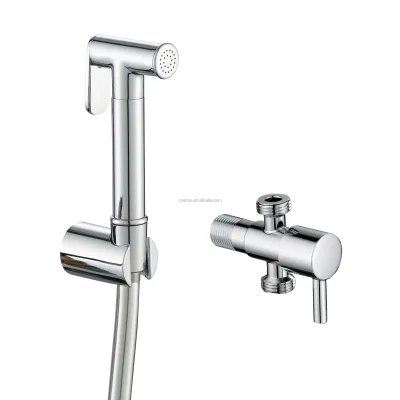
Wall Mounted Brass Taps Modern Design Bathroom Hand Wash Basin Mixer Faucet
$31.00 - $51.00
MOQ: 2 Pieces




Comprehensive Sourcing Guide
Modern Wall Mounted Brass Faucet Sourcing Guide
Sourcing modern wall-mounted brass faucets requires a strategic balance between aesthetic precision and rigorous technical verification. This category of plumbing fixtures has evolved from purely functional components into central design elements for contemporary bathrooms, hotels, and luxury residences. The shift toward wall-mounted installations offers distinct advantages in space optimization and ease of cleaning, but it introduces complex engineering challenges related to structural integrity and water pressure management. Buyers must navigate a market where visual trends, such as matte black or gun grey finishes, compete with the enduring reliability of polished chrome and brass. Understanding these dynamics is essential for selecting products that meet both design specifications and long-term durability requirements.
The procurement process for these fixtures involves evaluating multiple variables, including material composition, valve core technology, and surface treatment processes. While brass remains the industry standard for its corrosion resistance and machinability, the specific alloy grade and manufacturing techniques significantly impact performance. Furthermore, the installation method—whether wall-mounted or centerset—dictates the necessary plumbing infrastructure and mounting hardware. Buyers need to establish clear criteria for quality control, focusing on leak prevention, handle ergonomics, and finish longevity. This guide provides a structured approach to navigating these complexities, ensuring that sourced products align with project specifications and commercial objectives.
Product Scope and Observed Listing Signals
The current market landscape for modern wall-mounted faucets reveals a diverse range of styles and configurations, primarily driven by contemporary design preferences. Listings frequently highlight finishes such as matte black, gun grey, and polished chrome, catering to various interior design themes from industrial to minimalist. The observed product models, including KL5053, KL5042, and the 80000 series, indicate a broad inventory that spans different price points and feature sets. These models often incorporate single-handle controls for ease of use, with some variations offering thermostatic capabilities to maintain consistent water temperature. The prevalence of these specific model numbers suggests a standardized production approach, allowing for easier comparison and bulk ordering across different suppliers.
Application scope extends beyond residential bathrooms to include commercial environments such as hotels, villas, and apartments, where durability and aesthetic consistency are paramount. The observed usage categories include bathtubs, wash basins, and kitchen sinks, indicating versatility in design. However, buyers must carefully distinguish between products intended for heavy commercial use versus those suitable for light residential duty. The presence of customization options and OEM/ODM services suggests that many manufacturers are equipped to adapt standard designs to specific project requirements. This flexibility is crucial for large-scale procurement, where branding and specific dimensional constraints may necessitate tailored solutions rather than off-the-shelf products.
Technical Specifications to Verify
Verifying the core material composition is the first critical step in ensuring the longevity of a wall-mounted brass faucet. The supplied data confirms that brass is the primary material for the body, which is essential for resisting corrosion and withstanding high water pressure. Buyers should request detailed alloy specifications to ensure the brass meets industry standards for lead content and durability. Additionally, the valve core material is typically ceramic, which provides reliable shut-off performance and resistance to wear. The handle material, often zinc alloy, must be evaluated for structural strength, as wall-mounted faucets place significant torque on the mounting points during operation. Confirming these material specifications helps prevent premature failure and ensures compliance with health and safety regulations regarding potable water.
Installation specifications and thread types are equally important for seamless integration into existing plumbing systems. The observed thread types include G, NPT, and BSP, which vary by region and require precise matching to avoid leaks and connection failures. Standard sizes such as 1/2" to 3/4" or 1/2" to 1" are common, but buyers must verify the exact requirements of their project’s plumbing infrastructure. The installation type, whether wall-mounted or centerset, dictates the necessary mounting hardware and the structural integrity of the wall. For wall-mounted units, the thickness and material of the wall behind the faucet must be sufficient to support the fixture’s weight and operational forces. Additionally, surface treatments like brushing or polishing affect not only aesthetics but also resistance to fingerprints and water spots, which is a key consideration for high-traffic areas.
Compliance and Safety Documentation
Certification and regulatory compliance are non-negotiable aspects of sourcing plumbing fixtures, particularly for international projects. The CE mark is a common certification observed in listings, indicating conformity with health, safety, and environmental protection standards for products sold within the European Economic Area. Buyers must verify that the certification is valid and covers the specific product models being procured. Beyond CE, other regional standards may apply, such as WaterSense in the United States or local plumbing codes in Asia and Australia. Ensuring that the faucet meets these regulatory requirements is essential for avoiding customs delays, legal liabilities, and project rejections. Documentation should include test reports from accredited laboratories, verifying that the product meets specific performance and safety criteria.
Water quality and material safety are critical components of compliance, especially regarding lead content and heavy metal leaching. Modern regulations in many jurisdictions strictly limit the amount of lead that can leach from plumbing fixtures into drinking water. Buyers should request material safety data sheets and third-party test results that confirm compliance with these stringent limits. Additionally, the valve core material, typically ceramic, should be verified for its ability to prevent cross-contamination and ensure long-term seal integrity. Proper documentation also includes warranty terms and after-sales service agreements, which provide recourse in case of manufacturing defects. Establishing a clear paper trail of compliance ensures that the procurement process aligns with both legal requirements and ethical sourcing standards.
Cost Drivers and Commercial Terms
Several factors influence the total cost of ownership for modern wall-mounted brass faucets, beyond the initial unit price. The choice of finish, such as matte black or gun grey, often involves additional coating processes that can increase manufacturing costs compared to standard chrome or brass finishes. The complexity of the design, including thermostatic features or multi-function spray heads, also impacts pricing. Buyers should consider the gross weight of the product, as observed at 2.5kg for some models, which affects shipping costs, especially for sea freight. Packaging methods, ranging from wooden cases to EPE foam and cartons, play a significant role in protecting the product during transit but also add to the overall logistics expense. Understanding these cost drivers allows for more accurate budgeting and negotiation.
Minimum Order Quantities (MOQ) and payment terms are critical commercial considerations that affect cash flow and inventory management. The observed MOQ range of 1 to 3000 units indicates flexibility, with some suppliers offering low MOQs for sample orders or small projects, while others require larger volumes for production runs. Buyers should negotiate MOQs based on their project scale and storage capacity. Payment terms, such as deposits and balance payments upon shipment, should be aligned with standard industry practices to mitigate financial risk. Additionally, lead times and production schedules must be factored into the procurement timeline, especially for customized or OEM orders. Clear communication regarding these commercial terms helps prevent delays and ensures that the project stays on track.
Supplier Qualification and Quality Control
Evaluating supplier qualifications is essential for ensuring consistent product quality and reliable delivery. Buyers should verify the supplier’s manufacturing capabilities, including their production capacity, quality control processes, and experience in exporting to target markets. The observed origins in Zhejiang and Guangdong provinces, China, indicate established manufacturing hubs with specialized expertise in brassware production. However, buyers must conduct due diligence to confirm that the supplier adheres to international quality standards. This includes reviewing their factory audits, production line inspections, and employee training programs. A qualified supplier should have a robust system for tracking production batches and identifying potential defects before shipment.
Quality control measures should be implemented at multiple stages of the production process, from raw material inspection to final packaging. Buyers should request detailed quality control plans that outline inspection points, acceptance criteria, and testing procedures. Random sampling and pre-shipment inspections are recommended to verify that the products meet the agreed-upon specifications. Additionally, suppliers should provide certificates of conformity and test reports for each batch. Establishing a clear communication channel for addressing quality issues is crucial for maintaining long-term partnerships. Buyers should also consider the supplier’s after-sales service capabilities, including their responsiveness to technical support requests and warranty claims.
Long-Term Procurement Checks
Establishing long-term procurement strategies requires ongoing monitoring of supplier performance and product reliability. Buyers should track key performance indicators such as on-time delivery rates, defect rates, and customer satisfaction scores. Regular feedback loops with the supplier can help identify areas for improvement and foster continuous collaboration. Additionally, staying informed about industry trends and technological advancements ensures that the sourced products remain competitive and relevant. This includes monitoring changes in design preferences, material innovations, and regulatory updates. By maintaining a proactive approach to supplier management, buyers can mitigate risks and ensure a steady supply of high-quality faucets.
Sustainability and ethical sourcing are increasingly important considerations in long-term procurement. Buyers should evaluate their suppliers’ environmental practices, including waste management, energy consumption, and responsible sourcing of raw materials. Certifications such as ISO 14001 can indicate a supplier’s commitment to environmental management. Additionally, ensuring fair labor practices and safe working conditions in the supply chain is essential for maintaining brand reputation and compliance with global standards. By integrating sustainability into their procurement strategy, buyers can contribute to a more responsible and resilient supply chain. This holistic approach not only benefits the buyer but also supports the broader industry in moving towards more sustainable practices.
FAQs
How do I install a Modern Wall Mounted Brass Faucet in a bathroom?
A wall mounted brass faucet installs into the wall behind the finished surface, with rough-in valves embedded before tiling. Many models listed here are wall mounted and support G/NPT/BSP thread types in 1/2" to 3/4" or 1/2" to 1" sizes. Confirm the in-wall valve type, mounting hole positions, and thread standard with your plumber before ordering.
What finishes and colors are available for wall mounted brass faucets?
Available finishes and colors in this range include chrome, matte black, brushed, polished, white, gun grey, and brass surfaces. Chrome and matte black are the most commonly requested finishes for contemporary bathrooms. Check the specific model listing for the exact finish, since color and surface treatment can vary between individual product variants.
Which cartridge type is used in these modern wall mounted faucets?
Listed models use ceramic valve cores, which are the standard choice for drip-free performance and long service life. A single handle typically controls both flow and temperature through the ceramic cartridge. When comparing options, confirm the cartridge specification with the supplier, especially for thermostatic models that combine temperature control with ceramic valves.
Can I order custom finishes or OEM branding for wall mounted brass faucets?
Yes, OEM and ODM services are available, and customization is offered for these faucet products. Suppliers in Wenzhou, Zhejiang and Guangdong can typically adapt finishes, packaging, and branding to your requirements. Discuss minimum order quantities, tooling costs, and artwork requirements directly with the supplier before confirming a custom production order.
What packaging should I expect when importing faucets by sea?
Packaging varies by model: some products ship in wooden cases for sea freight, others use card paper with an inner box, and some use EPE foam plus carton. Wooden case packing suits bulk sea shipments and protects heavier items such as units with a 2.5kg gross weight. Confirm the packing method for your chosen model before placing the order.
Which models are thermostatic and suitable for hotel projects?
The range includes thermostatic faucet models suitable for hotels, villas, apartments, bathrooms, and laundry applications. Thermostatic models maintain stable water temperature, which is valuable for hospitality and multi-unit residential projects. Verify the thermostatic feature applies to the specific model number you select, as the collection spans several variants and application types.
How do I choose between G, NPT, and BSP thread types?
G and BSP threads are common in Europe, Asia, and many export markets, while NPT is standard in North America. These faucets are offered with G/NPT/BSP thread options, so match the thread type to your project's plumbing standard. Confirm the requirement with your installer or local code before ordering to avoid adapter fittings or returns.
What certifications and after-sale support do these faucets include?
CE certification is listed for these products, and suppliers offer online technical support after sale. Project services can include graphic design support for development schemes. Certification scope and support terms can differ by model and supplier, so request the certificate documentation and service terms relevant to your specific order before contracting.