Source Circular Blue Thyroid Pad for Hospital, Clinic, and Care
Find 30 Circular Blue Thyroid Pad options from Chinese manufacturers. Compare models like STI-2203-09 and XYN-C091, featuring TPU+Gel or sponge materials. Evaluate CE-certified pads for hospital and health care applications with online technical support; compare the available evidence and request quotations based on your requirements.
Key considerations
Products List
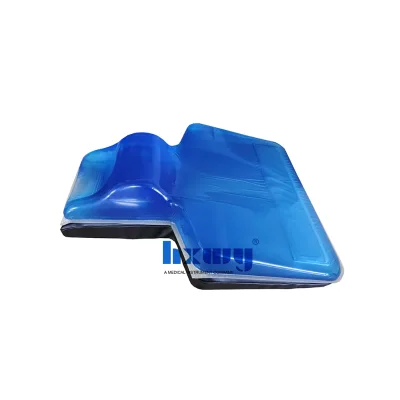
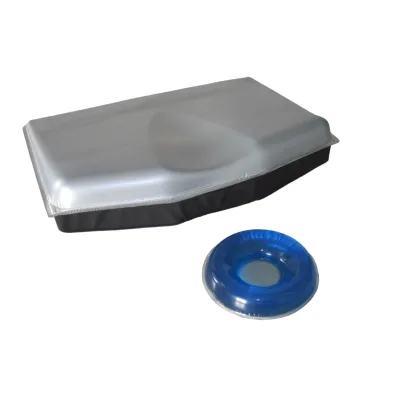
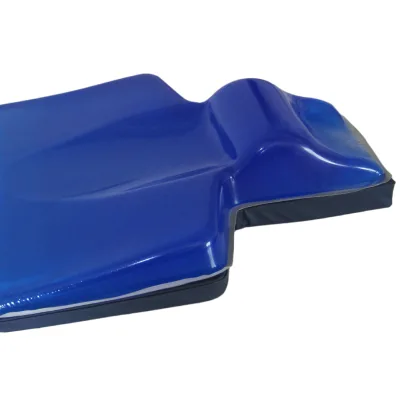
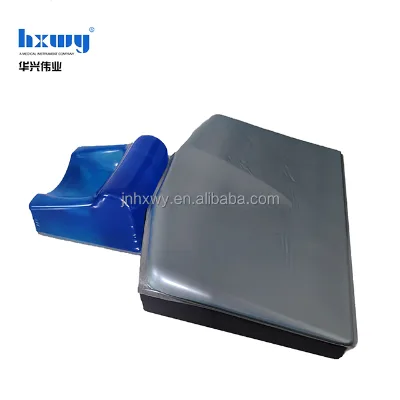
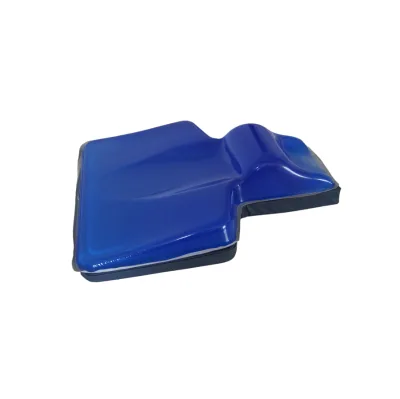
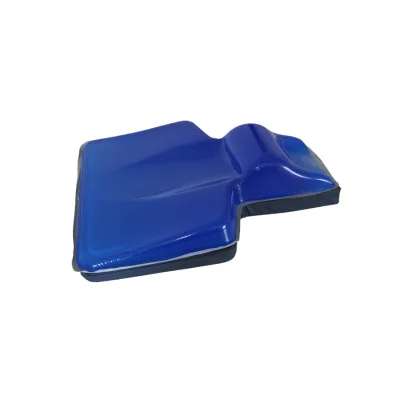
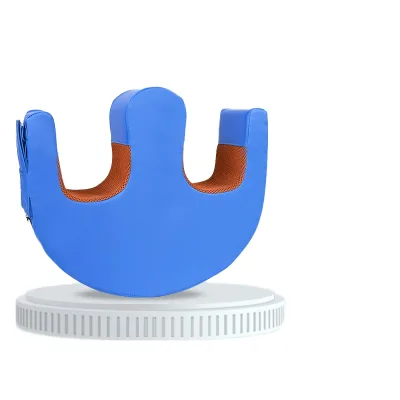


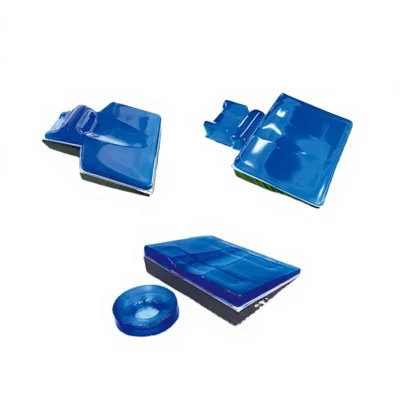


$0.10 - $0.40
MOQ: 10000 Pieces

Comprehensive Sourcing Guide
Circular Blue Thyroid Pad Sourcing Guide
Procurement teams evaluating circular blue thyroid pads must first distinguish between specific product variants, as the market presents distinct configurations for different clinical needs. The observed listings reveal a primary focus on gel-based pads constructed from TPU and polymer materials, designed specifically for hospital applications where patient comfort and positioning are critical. Buyers should note that while some entries describe a single item with a circular shape, others indicate rectangular dimensions, requiring careful verification of the physical form factor before placing any order.
The commercial landscape for these devices shows significant variability in minimum order quantities, ranging from a single piece to substantial bulk orders of 160,000 units. This wide spectrum suggests that suppliers cater to both small-scale clinical trials and large institutional procurement cycles. Sourcing strategies must account for this flexibility, ensuring that the selected vendor can accommodate the specific volume requirements of the buyer without imposing unnecessary constraints on the initial procurement phase or future replenishment schedules.
Product Scope and Observed Listing Signals
When analyzing product scope, buyers must recognize that the core keyword often encompasses multiple material compositions, including medical gel, sponge, and polymer gel variants. The observed data indicates that while the primary application is hospital-based, some listings also categorize the item under general health care, implying potential versatility in non-clinical settings. It is essential to verify the exact material composition, as the distinction between TPU and sponge materials directly impacts the durability and tactile experience for the end-user during medical procedures.
Listing signals further reveal that color options are not limited to blue, with yellow and green variants also appearing in the market data. This diversity suggests that color coding may be used for differentiating product lines or specific functional attributes, though the exact rationale is not explicitly defined in the provided facts. Procurement teams should prioritize suppliers who can clearly articulate the functional difference between these color options to ensure that the selected product aligns with the specific operational protocols of the purchasing facility.
Technical Specifications to Verify
Technical verification begins with the physical dimensions, as observed listings show a mix of circular shapes and specific rectangular measurements like 18 by 28 centimeters. Buyers must confirm the exact size requirements against their clinical needs, as the "See details page" notation in some listings indicates that critical dimensional data may be hidden or variable. Ensuring the correct footprint is vital for proper patient positioning and compatibility with existing medical equipment or bed surfaces in the hospital environment.
Further technical due diligence requires checking the model numbers and packaging specifications, which vary significantly across different product entries. Models such as STI-2203-09 and XYN-C091 suggest distinct product lines that may differ in internal construction or intended use case. Additionally, the single gross weight and package dimensions, ranging from 0.0 kg to 0.450 kg, must be validated to accurately calculate shipping costs and storage requirements, preventing unexpected logistical expenses during the import process.
Compliance and Safety Documentation
Compliance verification is paramount when sourcing medical devices, and the available data highlights the presence of CE certification and ISO standards as key indicators of quality. Buyers should explicitly request current certificates of conformity to ensure that the products meet the regulatory requirements of their target market, as the mere mention of certification in a listing does not guarantee active validity. The distinction between CE and ISO 13485 is critical, with the latter representing a specific quality management system standard for medical devices that offers higher assurance of consistent manufacturing processes.
Safety documentation must also address the shelf life and warranty terms, which are explicitly listed as three years and one year respectively in the observed data. Procurement teams need to confirm that the warranty period covers the entire shelf life or understand the specific conditions under which the warranty applies. Verifying the after-sale service provisions, such as online technical support, is equally important to ensure that any product failures or usage questions can be resolved promptly without disrupting clinical operations.
Cost Drivers and Commercial Terms
Cost drivers for circular blue thyroid pads are heavily influenced by the minimum order quantity and the complexity of the material composition. The observed MOQ range from one unit to 160,000 units suggests that unit pricing will fluctuate significantly based on volume, with bulk orders likely benefiting from economies of scale. Buyers should negotiate based on their projected annual consumption to secure favorable pricing tiers, while remaining aware that smaller orders may incur higher per-unit costs due to fixed manufacturing and packaging expenses.
Commercial terms also include the port of dispatch and the specific packing configurations, which impact the total landed cost. Listings indicate dispatch from Jinan City in Shandong Province, a detail that affects freight routing and transit times. Furthermore, the use of carton packing and the specific package sizes must be factored into the logistics plan, as inefficient packaging can lead to wasted space in shipping containers and increased freight charges, ultimately eroding the cost savings achieved through volume negotiations.
Supplier Qualification and Quality Control
Supplier qualification requires a thorough review of the place of origin and the specific brand names associated with the products. The data points to manufacturers located in Shandong and Hebei provinces, with brands such as Huaxingweiye and Fengyu appearing in the listings. Buyers should verify the corporate standing of these entities and ensure that the brand name on the product matches the supplier's legal entity to avoid counterfeit goods or unauthorized resellers. Consistency in branding and origin is a strong indicator of a reliable supply chain partner.
Quality control processes must be validated through the supplier's ability to provide detailed product attributes and customization options. The availability of customization suggests that the supplier has the flexibility to adapt products to specific client needs, but this capability must be backed by a robust quality assurance system. Buyers should request samples to test the physical properties, such as the gel consistency and shape retention, before committing to a large order, ensuring that the final product meets the rigorous standards required for hospital use.
Long-Term Procurement Checks
Long-term procurement success depends on establishing a clear framework for monitoring product consistency and supplier performance over time. Buyers should implement a system to track the shelf life and warranty claims of each batch received, ensuring that the three-year shelf life and one-year warranty are consistently honored. Regular audits of the supplier's production capabilities and quality certifications will help maintain high standards and prevent the introduction of substandard products into the supply chain.
Finally, maintaining a dynamic relationship with the supplier is essential for adapting to changing market conditions and clinical requirements. The observed data shows a wide range of model numbers and specifications, indicating a need for ongoing communication to ensure that the supplier can provide the latest product iterations. Procurement teams should schedule periodic reviews to assess the supplier's ability to meet evolving demand, verify that their certifications remain current, and confirm that their logistical capabilities continue to support the facility's operational needs.
FAQs
What material is used for the Circular Blue Thyroid Pad?
The Circular Blue Thyroid Pad is constructed from TPU and polymer gel. This combination ensures effective acoustic coupling during medical procedures. The material is designed to be durable and comfortable for patient use. It provides a reliable interface for ultrasound imaging applications in hospital settings.
Can I customize the Circular Blue Thyroid Pad specifications?
Yes, customization is available for the Circular Blue Thyroid Pad. Buyers can request specific modifications to meet unique clinical requirements. This flexibility allows for tailored solutions in various healthcare environments. Contact the supplier directly to discuss your specific customization needs and options.
What is the warranty period for the Circular Blue Thyroid Pad?
The Circular Blue Thyroid Pad comes with a one-year warranty. This coverage ensures product reliability and supports long-term usage in medical facilities. The warranty applies to manufacturing defects and material integrity. Buyers should retain proof of purchase for any warranty claims during this period.
Where is the Circular Blue Thyroid Pad manufactured?
The Circular Blue Thyroid Pad is manufactured in China. Specific production locations include Shandong and Hebei provinces. These regions are known for medical device manufacturing capabilities. Buyers can verify the exact place of origin on the product details page for precise sourcing information.
What certifications does the Circular Blue Thyroid Pad hold?
The Circular Blue Thyroid Pad holds CE quality certification. This indicates compliance with relevant European health, safety, and environmental protection standards. The certification ensures the product meets necessary regulatory requirements for medical use. Buyers should verify specific certification documents with the supplier for detailed compliance information.
What is the minimum order quantity for the Circular Blue Thyroid Pad?
The minimum order quantity for the Circular Blue Thyroid Pad is one piece. This low MOQ allows buyers to test the product before larger purchases. It is ideal for small clinics or individual practitioners. Bulk orders may offer different pricing tiers, so check with the supplier for details.