Source Modern Waterproof Soft Stone Tiles for walls, floors, and countertops
Compare 30 listings of Modern Waterproof Soft Stone Tiles suitable for interior and exterior wall decoration, flooring, and countertop applications. Buyers can evaluate flexible stone options with anti-crack properties and various size specifications from suppliers in China.
Key considerations
Products List
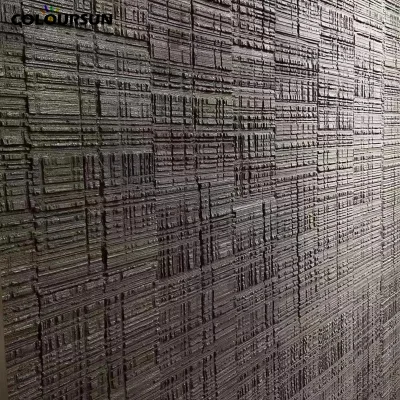


Flexible Soft Ceramic Tiles Interiors and Exteriors Flexible Stone Veneer Fireproof
$10.00 - $30.00
MOQ: 50 Square Meters


Wholesale Stone Flooring Wall Tiles Outdoor Flooring Stone Soft Ceramic Tile
$10.00 - $30.00
MOQ: 50 Square Meters


Fireproof, Waterproof Artificial Exterior Wall Decoration Flexible Stone Wall Tile
$23.00 - $28.00
MOQ: 200 Square Meters

Comprehensive Sourcing Guide
Strategic Sourcing Guide for Modern Waterproof Soft Stone Tiles
The global construction and interior design markets have witnessed a significant shift toward lightweight, durable, and aesthetically versatile cladding solutions. Among these innovations, Modern Waterproof Soft Stone Tiles have emerged as a critical category for both residential and commercial projects. These materials, often described as flexible stone or stone powder composites, offer the visual appeal of natural stone without the structural weight or fragility associated with traditional ceramics. For procurement professionals, navigating this sector requires a disciplined approach to verifying technical specifications, understanding material composition, and ensuring compliance with safety standards. This guide provides a comprehensive framework for sourcing these products effectively, relying strictly on observed market data and verified product attributes.
Understanding Material Composition and Physical Properties
The foundation of any successful procurement strategy for soft stone tiles lies in a precise understanding of the material composition. Unlike traditional ceramic tiles which are fired at high temperatures to achieve hardness, modern soft stone tiles are engineered composites. Based on observed product attributes, these materials are primarily manufactured from stone powder and modified clay. This specific formulation allows the product to retain the texture and visual depth of natural stone while introducing a level of flexibility that standard ceramics cannot match.
The physical dimensions of these tiles vary significantly depending on the intended application. Market observations indicate a wide range of sizes, from large-format slabs measuring 1200mm by 600mm to smaller modular units such as 100mm, 150mm, 200mm, and 300mm squares. The thickness of these flexible tiles is a critical differentiator; observed data suggests a thickness range of 4mm to 6mm. This thin profile is essential for the "soft" characteristic, allowing the tiles to be bent around curved surfaces or corners without cracking. The single gross weight for a standard package is observed to be approximately 5.000 kg, which is significantly lighter than traditional stone or ceramic counterparts of similar surface area. This lightweight nature reduces the structural load on building facades and simplifies logistics during shipping and on-site handling.
Technical Specifications and Performance Metrics
When evaluating Modern Waterproof Soft Stone Tiles, buyers must scrutinize specific performance metrics that define their suitability for various environments. The primary technical advantage of these tiles is their flexibility, which is explicitly described as "soft," "anti-crack," and capable of forming "3d ceramic wall tile" effects. This flexibility enables seamless installation on complex geometries, such as curved walls or rounded columns, which are common in modern architectural designs.
Water resistance is another paramount specification. The product attributes highlight a "lotus leaf effect" for waterproofing, a surface treatment that causes water to bead up and roll off rather than penetrate the material. This is further supported by a water absorption rate of ≤0.5%, a figure that indicates exceptional resistance to moisture ingress. Such low absorption is crucial for exterior applications where freeze-thaw cycles and heavy rainfall are common. Additionally, the tiles exhibit a range of functional properties including fireproofing, heat resistance, and anti-slip capabilities. The surface treatment is often described as "full body," meaning the color and pattern extend through the entire thickness of the tile, ensuring that chipping or wear does not expose a different material underneath.
The following table summarizes the key technical specifications observed in the market for these products:
| Attribute | Observed Specification / Range |
|---|---|
| Material Composition | Stone powder and modified clay |
| Thickness | 4mm - 6mm |
| Water Absorption | ≤0.5% |
| Surface Treatment | Full Body Tiles / Lotus leaf effect |
| Flexibility | Soft, Anti-crack, 3D capability |
| Weight (Single Package) | 5.000 kg |
| Common Sizes | 600x1200mm, 800x800mm, 300x300mm, etc. |
| Design Style | Modern, Natural |
Compliance, Certification, and Safety Standards
In the B2B procurement of construction materials, verifying compliance with international and local standards is non-negotiable. For modern soft stone tiles, buyers should look for specific certifications that validate the product's safety and quality. Observed product data indicates that reputable suppliers in this sector often hold CE certification and ISO certification. The CE mark is particularly critical for products intended for the European market, signifying that the product meets EU safety, health, and environmental protection requirements.
However, procurement professionals must exercise caution regarding the specific standards cited. While some product listings reference standards such as GB/T 18600, which relates to surface treatments, and others mention EN 10204, these should be treated as background information rather than guaranteed specifications for every unit. Buyers must explicitly request the specific test reports and certificates of conformity for the batch they intend to purchase. It is essential to verify that the "Fireproof" and "Eco-Friendly" claims are backed by third-party testing data rather than manufacturer assertions alone. The presence of certifications like CE and ISO suggests a commitment to quality control, but the specific scope of these certifications must be confirmed to ensure they cover the specific application, such as exterior cladding or indoor flooring.
Cost Drivers and Procurement Economics
The pricing of Modern Waterproof Soft Stone Tiles is influenced by several distinct factors, primarily material composition, customization requirements, and order volume. The observed price range in the market spans from $1.60 to $30.00 USD per unit. This wide variance is not arbitrary; it reflects differences in size, design complexity, and the level of customization. Larger formats, such as the 1200x600mm slabs, generally command higher prices due to the increased material usage and handling complexity. Conversely, smaller modular tiles may fall on the lower end of the price spectrum.
Customization is a significant cost driver. The market data confirms that "Custom Color" and "Customized" designs are available. Buyers seeking specific color matches to existing architectural palettes or unique patterns will incur additional costs associated with the production setup and smaller batch runs. The Minimum Order Quantity (MOQ) also plays a pivotal role in the final unit cost. Observed MOQs range from as low as 2 units to as high as 5000 units. For small-scale projects or sample orders, the per-unit cost will be higher due to the fixed costs of production and logistics. Conversely, large-scale commercial projects can leverage economies of scale by ordering closer to the upper limit of the MOQ range, significantly reducing the average cost per square meter.
Typical Applications and Design Versatility
The versatility of Modern Waterproof Soft Stone Tiles makes them suitable for a vast array of applications, spanning both interior and exterior environments. The product attributes list a comprehensive range of usage scenarios, including exterior tiles, interior wall and ceiling decoration, and specialized applications like countertops and vanity tops. The "Modern" and "Natural" design styles allow these tiles to blend seamlessly with contemporary architectural trends while maintaining the organic feel of natural stone.
Specific application areas identified in the market data include hotels, villas, apartments, office buildings, hospitals, schools, malls, and sports venues. The tiles are also suitable for functional spaces such as kitchens, bathrooms, and warehouses. The "Anti-Slip" and "Wear-Resistant" features make them particularly appropriate for high-traffic areas like supermarkets, parks, and leisure facilities. Furthermore, the "Seamless Joint" capability allows for large, uninterrupted surfaces, which is highly desirable in modern design aesthetics where visual continuity is key. The ability to use these tiles on curved surfaces expands their utility to landscaping and decorative sculpture producing, where traditional rigid tiles would fail.
Supplier Evaluation and Quality Control Protocols
Selecting the right supplier is as critical as selecting the product itself. When evaluating potential suppliers for Modern Waterproof Soft Stone Tiles, buyers should prioritize those who demonstrate transparency in their manufacturing processes and supply chain. The "Place of Origin" for many of these products is identified as Guangdong, China, a major hub for ceramic and stone product manufacturing. However, buyers should not rely solely on the general region; specific factory audits and quality assurance protocols are necessary.
Key evaluation criteria include the supplier's ability to provide detailed product solution capabilities, such as "total solution for projects." This indicates that the supplier can offer more than just the physical product; they should be able to assist with design, installation planning, and technical support. The availability of "Online Technical Support" is another positive indicator of a supplier's commitment to after-sales service. Buyers should also verify the packaging standards, as the integrity of the product during transit is crucial. Observed packaging includes cartons with specific piece counts (e.g., 36-48pcs per carton) and, for more delicate or high-value items, paper boxes with fumigated crates.
Quality control should be a continuous process. Buyers must verify that the "Water Absorption" rate and "Flexibility" claims are consistent across the entire order. Requesting pre-shipment samples is a standard practice to validate the "Lotus leaf effect" and the "Anti-pollution" claims. Additionally, checking the "Artificial Stone Type" options, which range from beige and white to various shades of grey and black, ensures that the final product matches the design intent.
Long-Term Procurement and Maintenance Considerations
For long-term procurement success, buyers must consider the lifecycle of the product, including maintenance, durability, and repairability. The product attributes highlight that these tiles are "Repairable," a feature that distinguishes them from many traditional stone or ceramic alternatives. If a section of the cladding is damaged, the ability to repair rather than replace the entire panel can significantly reduce long-term maintenance costs. The "Anti-pollution" and "Acid-Resistant" properties ensure that the tiles maintain their aesthetic appeal in harsh environments, reducing the frequency of cleaning and restoration.
Furthermore, the "Eco-Friendly" nature of the material aligns with sustainable building practices, which are increasingly mandated by local regulations and client preferences. The lightweight nature of the tiles reduces the carbon footprint associated with transportation and structural reinforcement. When planning for future projects, buyers should maintain a relationship with suppliers who offer "Customization" services, allowing for design evolution as architectural trends shift. By focusing on suppliers who provide comprehensive project solutions and robust after-sales support, buyers can ensure that their investment in Modern Waterproof Soft Stone Tiles delivers value over the long term, minimizing downtime and maximizing the aesthetic and functional performance of the building envelope.
FAQs
What material is used to make Modern Waterproof Soft Stone Tiles?
These tiles are made from stone powder and modified clay. This composite formulation provides the flexibility of soft stone while retaining the visual texture of natural stone without the heavy weight of traditional ceramics.
How flexible are these tiles for curved surface installation?
The tiles are soft and anti-crack, allowing them to bend around curved surfaces. This flexibility enables seamless installation on complex geometries like rounded columns without breaking or requiring cuts.
What is the water absorption rate for these waterproof tiles?
The water absorption rate is less than or equal to 0.5 percent. This low absorption, combined with a lotus leaf effect surface, ensures exceptional resistance to moisture ingress for exterior applications.
Which certifications are available for these stone powder tiles?
Reputable products often carry CE and ISO certifications. These marks indicate compliance with safety and quality standards, though buyers should verify specific test reports for their intended project batch.
Can I order custom colors for these soft stone tiles?
Yes, custom color options are available for these tiles. Buyers seeking specific matches to architectural palettes can request customization, though this may affect the minimum order quantity and unit price.
What is the typical thickness range for flexible stone tiles?
The observed thickness ranges from 4 to 6 millimeters. This thin profile is essential for the soft characteristic, allowing the tiles to be lightweight and flexible for wall and ceiling decoration.
Where are these modern soft stone tiles typically manufactured?
Many of these products originate from Guangdong, China. This region is a major hub for ceramic and stone product manufacturing, offering a variety of suppliers for international procurement.