Find Modern Waterproof Travertine Stone Panels for School, Kitchen, and Commercial
Explore 30 listings for Modern Waterproof Travertine Stone Panels designed for school, kitchen, and commercial applications. Buyers can compare flexible stone options with self-adhesive installation, various sizes, and resistance to heat, cold, and water vapor.
Key considerations
Products List

Waterproof and Flame-Retardant Flexible Stone Travertine Wall Panels
$7.10 - $8.30
MOQ: 200 Square Meters


Soft Porcelain Travertine Flexible Stone Panels for Wall Decoration
$6.10 - $7.00
MOQ: 200 Square Meters

Waterproof Travertine Stone Panels for Interior and Exterior Wall Designs
$7.10 - $8.30
MOQ: 200 Square Meters


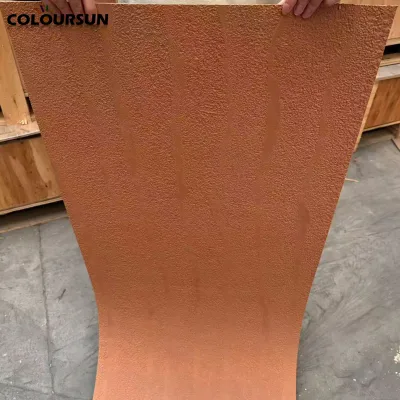
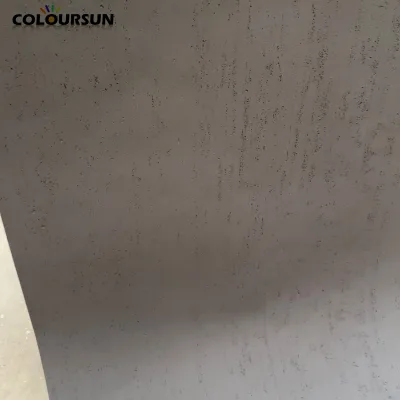

Travertine Marble Slate Granite Wall Veneer Flexible Stone Wall Panel
$2.63 - $4.90
MOQ: 200 Square Meters

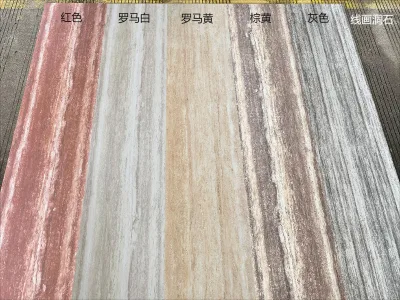
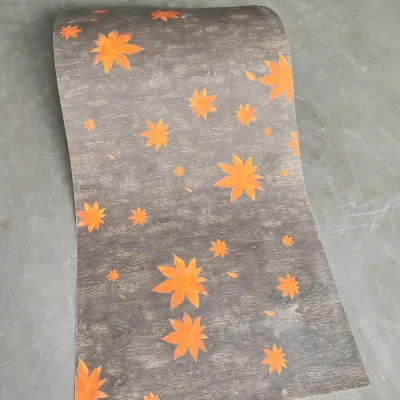
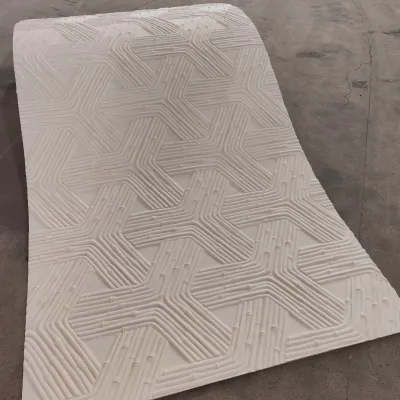


Flexible Stone Panel, Natural Travertine Flexible Stone for Interior Background Wall Decoration
$12.80 - $16.80
MOQ: 50 Square Meters


Comprehensive Sourcing Guide
Sourcing Modern Waterproof Travertine Stone Panels for B2B Projects
The global construction and interior design markets have increasingly adopted Modern Waterproof Travertine Stone Panels as a high-performance alternative to traditional natural stone. These engineered solutions combine the aesthetic appeal of natural travertine with advanced material science to deliver durability, flexibility, and water resistance. For procurement professionals, navigating this category requires a disciplined approach to verifying technical specifications, understanding cost drivers, and ensuring supplier compliance. This guide provides a structured framework for sourcing these panels, grounded in observable product attributes and industry standards.
Technical Specifications and Material Composition
Understanding the physical and chemical properties of modern travertine panels is the first step in any sourcing strategy. Unlike solid stone slabs, these panels are typically engineered composites. The core material composition often involves stone powder and modified clay, creating a product that mimics the texture and appearance of natural stone while offering superior flexibility. This composition allows the panels to be adaptable to irregular surfaces, a critical feature for complex architectural designs.
Dimensions vary significantly across the market, but standard formats are frequently observed. Buyers should expect to encounter standard sizes such as 1200600mm, 12002400mm, and 1200*3000mm. Thickness is another critical variable, with observed ranges spanning from 2.0mm to 15mm depending on the specific application and structural requirements. For instance, thinner variants around 2.5mm are often utilized for interior wall cladding where weight reduction is essential, while thicker options may be specified for high-traffic commercial flooring or exterior applications.
The surface finish plays a pivotal role in both aesthetics and functionality. A matte finish is a common specification, providing a non-reflective, natural stone look that reduces glare in interior spaces. Edge processing is typically flat, ensuring clean lines during installation. The product's appearance is designed to replicate marble-like, wood-like, or stone-like textures, with specific models offering a "Travertine" aesthetic in colors ranging from beige to grey and blue. This versatility allows designers to maintain a cohesive visual language across different project zones.
Compliance, Certification, and Performance Standards
In the B2B sector, compliance is non-negotiable. While specific certification status must be verified on a per-supplier basis, the industry generally looks for adherence to international quality management systems. Buyers should explicitly request documentation confirming ISO 9001 certification, which indicates a standardized approach to quality control and management. Although some market data references ISO9001, the specific standard to verify is ISO 9001.
Performance testing is equally critical for waterproof stone panels. Procurement teams must demand evidence of resistance to environmental stressors. Key performance attributes to verify include acid resistance, collision resistance, heat resistance, and cold resistance. These properties ensure the material can withstand chemical spills, physical impacts, and temperature fluctuations without degrading.
Water vapor transmission is another vital metric, particularly for applications involving moisture exposure. Observed data indicates specific transmission rates, such as 5.3G(M.H), which buyers should use as a benchmark for comparison. Additionally, artificial aging resistance is a measure of long-term durability, with some products rated at Level 1 for resistance to fading and degradation. Flexibility is a defining characteristic; the material must demonstrate the ability to absorb stress without cracking, a feature often described as "no cracking" under specific bending tests.
Cost Drivers and Pricing Structures
The pricing of modern waterproof travertine panels is influenced by a complex interplay of factors, including material composition, thickness, surface finish, and order volume. The observed market price range for these products spans from $0.50 to $20.00 USD per unit, though this variance reflects differences in product tiers, packaging, and shipping logistics rather than a uniform price point.
Volume is a primary cost driver. The Minimum Order Quantity (MOQ) varies widely, with observed ranges from 1 unit up to 999 units. Smaller MOQs may be available for sample orders or niche projects, but bulk procurement typically yields more favorable unit economics. Buyers should also consider the impact of packaging on cost. Products are shipped in various configurations, including carton boxes, wooden boxes, and specific package dimensions like 610340160mm or 7007001050mm. The choice of packaging affects shipping efficiency and protection, thereby influencing the total landed cost.
Geographic origin also plays a role in pricing. Most products in this category originate from China, with specific manufacturing hubs in Hebei and Guangdong provinces. The proximity of the supplier to major shipping ports can reduce logistics costs, but buyers must balance this against the need for rigorous quality assurance. Customization is a significant cost factor; while customization is available for color, size, and finish, bespoke orders often incur higher production costs and longer lead times compared to standard inventory items.
Typical Applications and Installation Methods
The versatility of modern waterproof travertine panels makes them suitable for a diverse range of applications. The primary usage sectors include schools, kitchens, commercial buildings, and bathrooms. The material's flexibility allows it to be applied to curved walls and irregular surfaces, expanding its utility beyond flat planes. In commercial settings, the panels are valued for their durability and ease of maintenance. In residential applications, particularly in kitchens and bathrooms, the waterproof nature and aesthetic appeal make them a preferred choice for backsplashes and feature walls.
Installation is a critical phase that determines the longevity of the project. These panels are designed for self-adhesive installation, which simplifies the process and reduces the need for heavy machinery or specialized adhesives. This method is particularly advantageous for retrofitting existing structures where minimizing disruption is essential. The "Big Slab" form factor allows for larger coverage areas with fewer seams, enhancing the visual continuity of the design.
For outdoor applications, specific models are engineered to withstand harsh environmental conditions. The "Outdoor" usage category indicates that the material has been tested for exposure to rain, UV radiation, and temperature extremes. However, buyers must verify the specific weather resistance ratings for any outdoor project, as not all variants are suitable for exterior use. The "3D Travertine" models, for instance, offer a textured depth that can be particularly effective in creating visual interest in both interior and exterior facades.
Supplier Evaluation and Quality Control
Selecting the right supplier requires a rigorous evaluation process that goes beyond price comparisons. Buyers should prioritize suppliers who provide comprehensive technical support, including online resources, phone support, email assistance, and live chat. This level of support is crucial for troubleshooting installation issues and ensuring the correct product selection for specific project requirements.
Quality control begins with the verification of product attributes. Buyers must confirm that the supplied panels match the specified model numbers, such as "Travertine 8," "Travertine 2," "LDX Rigel00189," or "DK6003." Each model may have distinct characteristics regarding dimensions, thickness, and finish. It is essential to request physical samples to verify the color accuracy, surface texture, and flexibility before committing to a large order.
Packaging integrity is another area of focus. Products should be shipped in robust packaging, such as wooden boxes or reinforced cartons, to prevent damage during transit. The specific packaging dimensions should be reviewed to ensure they align with the logistics capabilities of the buyer's supply chain. Additionally, buyers should inquire about the supplier's after-sales service policies. Reliable suppliers offer online technical support and other after-sale services to address any post-installation concerns.
Long-Term Procurement Considerations
Sourcing Modern Waterproof Travertine Stone Panels is a long-term investment that requires careful planning. Buyers should consider the lifecycle of the product, including its resistance to artificial aging and its ability to maintain appearance over time. The "Level 1" artificial aging resistance rating is a key indicator of longevity, suggesting that the material will resist fading and degradation under normal conditions.
Supply chain stability is another critical factor. Given that the majority of these products originate from China, buyers must account for potential logistical delays and geopolitical factors that could impact lead times. Establishing a relationship with a supplier that offers consistent quality and reliable delivery schedules is essential for large-scale projects.
Furthermore, buyers should evaluate the sustainability and environmental impact of the materials. While the specific environmental certifications should be verified, the use of stone powder and modified clay suggests a reliance on natural resources. Understanding the sourcing of these raw materials and the manufacturing process can help buyers align their procurement with corporate sustainability goals.
In conclusion, sourcing Modern Waterproof Travertine Stone Panels requires a balanced approach that considers technical specifications, compliance, cost, and supplier reliability. By focusing on verified attributes such as material composition, dimensional standards, and performance ratings, buyers can make informed decisions that ensure the success of their projects. The flexibility and aesthetic versatility of these panels make them a valuable asset in the modern construction landscape, provided that procurement is conducted with diligence and attention to detail.
| Feature Category | Key Attributes to Verify | Typical Observed Values |
|---|---|---|
| Dimensions | Length, Width, Thickness | 1200600mm, 12002400mm, 2.0-15mm |
| Material | Composition, Density | Stone powder and modified clay-made |
| Finish | Surface Texture, Edge Type | Matt, Flat |
| Resistance | Acid, Heat, Cold, Collision | Acid Resistance, Heat Resistance, Cold Resistance |
| Installation | Method, Flexibility | Self-Adhesive, Flexible and Adaptable |
| Origin | Manufacturing Location | China (Hebei, Guangdong) |
| Packaging | Type, Dimensions | Carton Box, Wooden Box, Specific mm sizes |
| Certification | Quality Standards | ISO 9001 (Verify specific status) |
FAQs
How are these panels installed on walls?
These panels use a self-adhesive installation method for quick application without heavy machinery. This approach works well for retrofitting existing structures and irregular surfaces, ensuring minimal disruption during the process.
What materials are used to make these panels?
The panels are composed of stone powder and modified clay to mimic natural stone textures. This engineered composite provides flexibility and durability while maintaining the aesthetic appeal of marble, wood, or stone-like finishes.
Which certifications should I verify for quality assurance?
Buyers should explicitly request documentation confirming ISO 9001 certification for standardized quality control. While some data references ISO9001, the specific standard to verify is ISO 9001 to ensure consistent manufacturing practices.
Can these panels be used in outdoor environments?
Yes, specific models are engineered for outdoor usage to withstand harsh environmental conditions. These variants are tested for exposure to rain, UV radiation, and temperature extremes suitable for exterior facades.
What is the typical price range for these panels?
The observed market price range spans from 0.50 to 20.00 USD per unit. This variance reflects differences in product tiers, packaging types, and shipping logistics rather than a uniform price point across all suppliers.
What are the standard dimensions available for these panels?
Standard formats frequently include 1200*600mm, 1200*2400mm, and 1200*3000mm sizes. Thickness varies from 2.0mm to 15mm depending on the specific application and structural requirements of the project.
How flexible are these panels for irregular surfaces?
The material is flexible and adaptable to irregular surfaces without cracking under stress. This feature allows for application on curved walls and complex architectural designs where rigid stone would fail.