Source Modern White Resin Artificial Bathtub for homes, hotels, and spas
Find 30 options for a Modern White Resin Artificial Bathtub designed for indoor soaking. Buyers can compare specifications, customization features, and pricing from verified manufacturers in Guangdong, China.
Key considerations
Products List

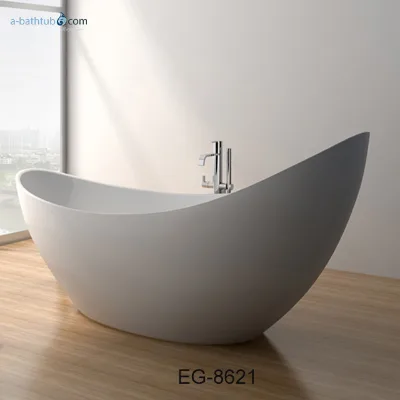
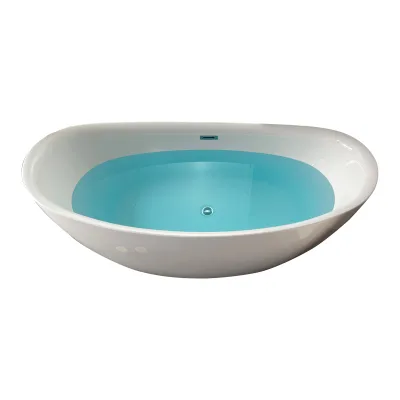
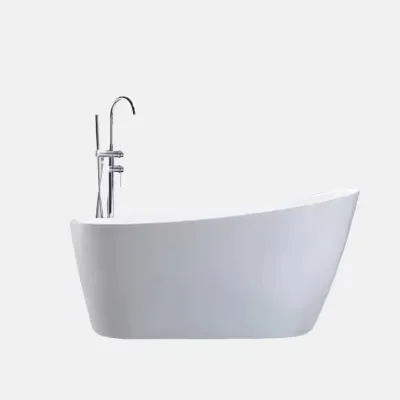
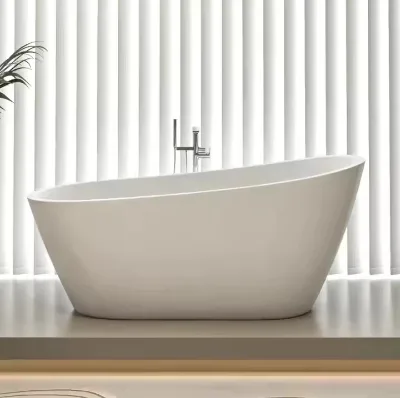
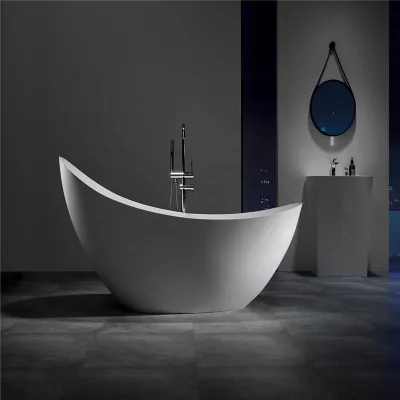
Resin Stone Small Bath Modern Freestanding Bathtub Artificial Stone Bath Tub
$854.00 - $1299.00
MOQ: 1 Pieces






Comprehensive Sourcing Guide
Strategic Sourcing Guide for Modern White Resin Artificial Bathtubs
The global market for modern white resin artificial bathtubs has evolved significantly, driven by a demand for high-end aesthetics combined with durable, low-maintenance materials. For procurement professionals, navigating this sector requires a disciplined approach to verifying product attributes, understanding the nuances of artificial stone versus acrylic compositions, and ensuring that suppliers can meet rigorous quality and compliance standards. This guide provides a structured framework for sourcing these fixtures, focusing on the specific characteristics of solid surface and artificial stone bathtubs that define the "modern white" aesthetic while maintaining functional integrity.
Technical Specifications and Material Composition
When evaluating a Modern White Resin Artificial Bathtub, the primary distinction lies in the material composition. The supply chain for these products often features two distinct categories: solid surface materials and acrylic-based systems. Solid surface bathtubs, frequently described as artificial stone, are engineered from a blend of natural minerals and high-quality resins. These materials are prized for their non-porous nature, which prevents bacterial growth and allows for seamless integration of the drain and overflow. A critical technical observation for buyers is the thickness of the material. In the current market, high-quality solid surface tubs often feature a thickness of 25mm, providing a substantial feel and structural rigidity that thinner acrylic alternatives may lack.
The physical dimensions and design flexibility are equally important. Unlike standard molded tubs, artificial stone products often offer a "Model Size" exceeding 100 units in various configurations, allowing for highly customized dimensions. Buyers should verify if the supplier offers "Over 100 Model Size" options or if the product is strictly "According to Design." The latter indicates a fully bespoke manufacturing process, which is common for high-end hotel projects or luxury residential developments. The surface finish is another critical specification; the market standard for these tubs includes both glossy and matte finishes. A matte finish is particularly popular for modern aesthetics as it reduces the visibility of water spots and scratches, while a glossy finish offers a traditional, high-shine appearance.
| Feature | Solid Surface / Artificial Stone | Acrylic Alternative |
|---|---|---|
| Primary Material | Natural minerals + Resin | Reinforced Acrylic |
| Typical Thickness | 25mm (Standard for premium) | Varies, often thinner |
| Surface Finish | Matte or Glossy | Primarily Glossy |
| Customization | High (Shape, Size, Color) | Moderate (Limited molds) |
| Drain Location | Center (Common) | Center or Rear |
| Installation Type | Freestanding | Freestanding or Built-in |
Compliance and Certification Verification
In the B2B procurement of bathroom fixtures, compliance is not merely a formality but a prerequisite for market access and liability protection. When sourcing from manufacturers in China, specifically those located in Guangdong Province or Shenzhen, buyers must rigorously verify the certification status of the product. The most common certifications observed in this sector include CE, ISO9001, and SGS. The CE mark indicates conformity with health, safety, and environmental protection standards for products sold within the European Economic Area. ISO9001 certification demonstrates that the manufacturer has established a robust quality management system, ensuring consistent production processes. SGS certification often relates to specific product testing and material safety.
Buyers should request valid certificates for each batch or model, rather than relying on general company claims. It is essential to distinguish between the product certification and the factory certification. While a factory may hold ISO9001, the specific bathtub model must also carry the relevant product safety marks. For the "modern white" variant, the material composition must be verified to ensure it meets fire safety and toxicity standards, particularly for use in public spaces like hotels. The supply chain data indicates that reputable suppliers often provide "CE/SGS/ISO9001 certificates" as a standard package. However, procurement teams must confirm that these certificates are current and applicable to the specific model number, such as the "KKR-Bathtub" or "artificial stone bath tub" designations, to avoid accepting outdated or generic documentation.
Cost Drivers and Pricing Structures
The pricing of modern white resin artificial bathtubs is influenced by several variables, including material thickness, customization level, and order volume. The observed price range in the market spans from $20 to $2,688, a wide spectrum that reflects the difference between basic acrylic models and high-end, fully customized solid surface units. The lower end of this range typically corresponds to standard sizes with minimal customization, while the upper end reflects bespoke designs, thicker materials (25mm), and complex shapes like egg-shaped or irregular freestanding tubs.
A significant cost driver is the level of customization. Suppliers offering "Custom-Made" services or "Customized Design" capabilities often operate on a different pricing model than those selling standard inventory. The "MOQ" (Minimum Order Quantity) plays a crucial role in the final unit cost. While some suppliers list an MOQ of 1 PC, enabling single-unit purchases for showrooms or small renovations, others require an MOQ of 5 Units or more. For large-scale projects, such as hotel chains, the ability to negotiate based on volume is essential. Buyers should also consider the packaging costs, as the standard for these heavy, fragile items is "Each Bathtub Protect by Wooden Case" or "Plastic Bag+Foam+Wooden Case." This robust packaging is necessary to prevent damage during transit but adds to the overall landed cost.
Typical Applications and Installation Requirements
The versatility of modern white resin artificial bathtubs makes them suitable for a wide range of applications, from private residential homes to large-scale hospitality projects. The "Application" field for these products typically includes "Indoor Tub" usage in homes, hotels, spas, and wellness centers. The "Freestanding" installation type is the dominant configuration for this category, offering design flexibility that allows the tub to serve as a focal point in a bathroom. The "Structure" is consistently described as a freestanding tub, which requires specific floor reinforcement and plumbing access points that differ from built-in or alcove installations.
For commercial applications, the durability and maintenance requirements are paramount. The "Feature" of being "Renewable" and the non-porous nature of solid surface materials make these tubs ideal for high-traffic environments where hygiene is a priority. The "Function" is primarily "Soaking," catering to the growing trend of wellness and relaxation. Buyers should note that the "Way of Control" is typically "Hand Control," meaning manual filling and draining, which is standard for freestanding units. However, for luxury applications, integration with automated systems may be possible, though this requires specific supplier confirmation. The "Usage" extends to "Home, Hotel, etc.," indicating that the product line is designed to meet the aesthetic and functional demands of both residential and commercial sectors.
Supplier Evaluation and Manufacturing Capabilities
Selecting the right supplier is critical for ensuring product consistency and timely delivery. When evaluating potential partners, buyers should look for manufacturers with a proven track record, such as those claiming to be "Experienced Manufacturer Since 2000." This longevity often correlates with refined production processes and a deeper understanding of material science. The "Factory" attribute confirms that the supplier is a direct manufacturer rather than a trading company, which can offer better control over quality and pricing.
The "Design" capability is another key differentiator. Suppliers offering "Over 100 Types" or "More Than 80 Design for Option" demonstrate a robust R&D department capable of meeting diverse aesthetic requirements. For buyers seeking unique solutions, the availability of "OEM/ODM" services is essential. This allows for the creation of proprietary designs that align with a brand's specific identity. Additionally, the "Service" aspect, including "Customized Design," indicates a willingness to collaborate closely with the buyer throughout the development process. Buyers should also verify the supplier's participation in major industry events such as the "Canton Fair, Stone Fair, Big5, Coverings," as these exhibitions often serve as a benchmark for industry recognition and market presence.
Quality Control and Long-Term Procurement Considerations
Quality assurance is the backbone of a successful procurement strategy for bathroom fixtures. The "Quality Control" process for reputable suppliers involves testing each unit individually, as indicated by the "Test One by One" standard. This rigorous approach ensures that every bathtub meets the required specifications for thickness, surface finish, and structural integrity before leaving the factory. The "Warranty" period is another critical factor; while some suppliers offer a 5-year warranty, others provide up to 10 years, reflecting their confidence in the product's longevity. Buyers should carefully review the terms of the warranty to understand what is covered, including potential issues with cracking, discoloration, or structural failure.
Long-term procurement considerations also include the "Lead Time" and "Delivery Time." The standard lead time for a 20 FT container is approximately 20 working days, though this can vary based on the complexity of the order and the level of customization. For urgent projects, buyers must confirm if expedited production is available. The "prod_packing" method, which typically involves a wooden case with foam protection, is designed to ensure the product arrives in pristine condition. However, buyers should inspect the packaging upon receipt to ensure no damage has occurred during transit. Finally, the "Export Country" reach of the supplier, often listed as "More That 100 Countries," serves as an indicator of their logistical capabilities and experience in handling international shipping and customs requirements. By focusing on these detailed aspects, buyers can secure a reliable supply of high-quality modern white resin artificial bathtubs that meet their specific project needs.
FAQs
What material is used for modern white resin artificial bathtubs?
Modern white resin artificial bathtubs are typically made from solid surface materials or acrylic. Solid surface options often feature a thickness of 25mm, providing structural rigidity, while acrylic variants offer a lighter alternative with varying thickness levels.
Can buyers request custom designs for these bathtubs?
Yes, custom designs are available for most modern white resin artificial bathtubs. Suppliers offer over 100 model sizes and more than 80 design options, allowing clients to specify dimensions, colors, and finishes like matte or glossy surfaces.
Which certifications do these bathtubs typically hold?
These bathtubs commonly hold CE, ISO9001, and SGS certifications. Buyers should verify that specific certificates apply to the model, ensuring compliance with safety standards for both residential and commercial applications like hotels and spas.
How long does it take to deliver a container order?
The standard lead time is 20 working days for a 20-foot container. This duration applies to orders meeting the minimum quantity requirements, though custom designs may require additional processing time depending on the manufacturer's capacity.
What is the minimum order quantity for these products?
Minimum order quantities vary, with some suppliers accepting 1 piece while others require 5 units. Buyers should check specific supplier terms, as the MOQ depends on whether the order involves standard inventory or fully customized designs.
Where are these bathtubs manufactured and exported from?
These bathtubs are manufactured in China, specifically in Guangdong Province and Shenzhen. Reputable factories export to over 100 countries, ensuring global availability and adherence to international shipping and packaging standards for fragile items.
What warranty coverage is provided for these bathtubs?
Warranty periods range from 5 to 10 years depending on the supplier and product line. Buyers should review specific terms to understand coverage for structural integrity, surface finish, and potential defects under normal usage conditions.