Source Modern Wine Glasses for Party, wedding, and cocktail events
Explore 30 listings of Modern Wine Glasses for Party use, featuring options in glass and borosilicate materials with capacities ranging from 75ml to 540ml. Buyers can compare specifications like shape, color, and certifications including LFGB and FDA across various suppliers.
Key considerations
Products List

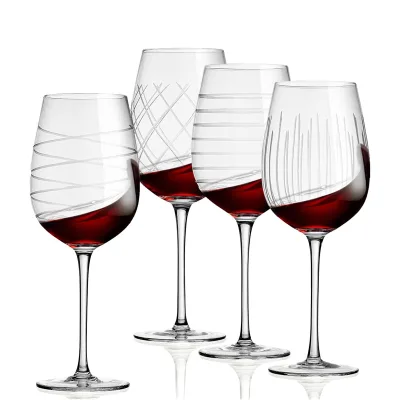
2026 Colored Diamond-Engraved Glass Wine Glasses, Cocktail Glasses for Parties
$2.08 - $3.58
MOQ: 500 Pieces

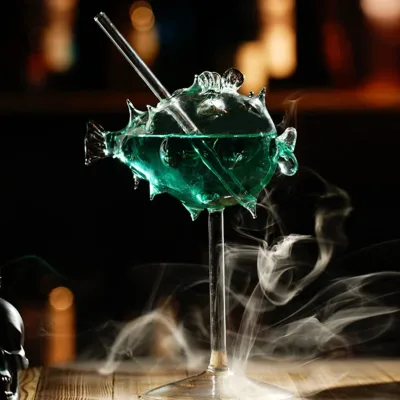
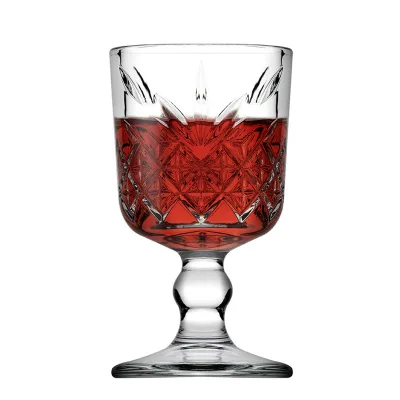
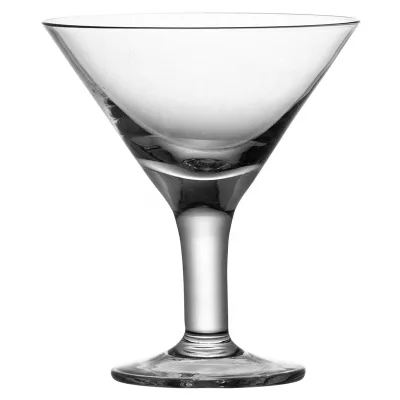
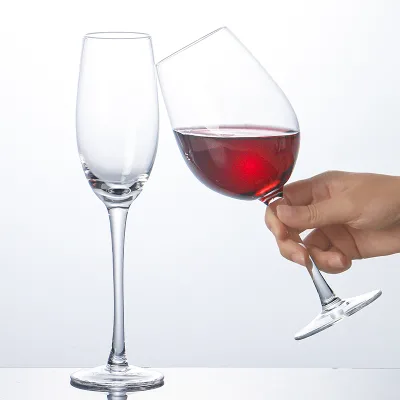


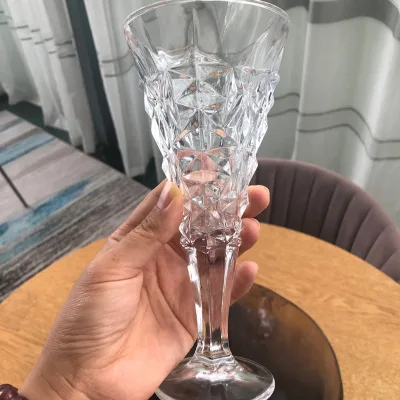



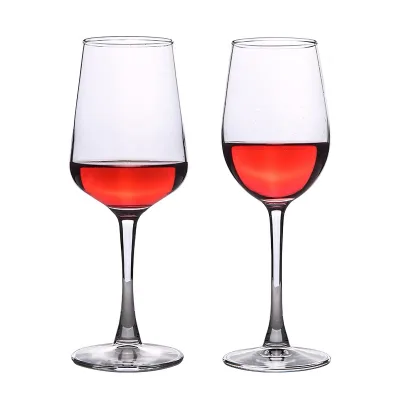
Clear Glass Goblet Wineglasses Champagne Whisky Glass Cup for Wedding Party
$1.49 - $1.96
MOQ: 500 Pieces



Comprehensive Sourcing Guide
Strategic Sourcing Guide for Modern Wine Glasses for Party
Defining Technical Specifications and Material Integrity
When sourcing Modern Wine Glasses for Party environments, the primary objective is to identify products that balance aesthetic appeal with functional durability. The market presents a diverse array of options, ranging from machine-made blown glass to hand-blown varieties, each offering distinct characteristics suitable for different party scales. A critical observation in the current supply landscape involves the variation in shape and capacity. Buyers must navigate between products described as having a "Cylindrical Shape" and those noted for an "Irregular Shape," alongside specific dimensions such as a small diameter of 13cm or a height of 13cm.
Material composition is the second pillar of technical specification. The majority of viable options for this category are constructed from glass, specifically clear glass or borosilicate glass. The distinction is significant; borosilicate glass offers superior thermal resistance and durability compared to standard clear glass, which is often preferred for single-wall applications. The "Glass Type" is frequently categorized as "Wine Glass" or "Crystal Glass," though the latter term should be verified against actual material composition to ensure it aligns with the buyer's quality expectations. Furthermore, the "Glass Type" attribute often intersects with color profiles, where options include clear, pink, green, blue, white, or swirl patterns. For a modern party setting, the "Creative" and "Colored" attributes suggest a trend toward vibrant, non-traditional aesthetics, while "Transparent" remains a staple for classic elegance.
Capacity requirements vary widely depending on the specific type of wine being served or the portion size desired. Observed specifications include capacities of 75ml, 170ml, 200ml, 320ml, 270ml, 350ml, and 540ml. This range allows buyers to select glasses tailored for tasting flights, standard servings, or large-format party pours. The "Type" of glass is predominantly "Single Wall," which is standard for modern designs, though the presence of "Cup Accessories" such as covers indicates a need for versatility in serving or storage. The "Craft" method, whether "Machine-Made Blown" or "Hand blown," directly influences the perceived value and price point, with hand-blown items often commanding a premium due to the labor-intensive nature of the production process.
Compliance Verification and Certification Standards
In the B2B procurement of glassware intended for food and beverage contact, verifying compliance with international safety standards is non-negotiable. The supply chain for modern wine glasses often originates from regions with established manufacturing capabilities, such as Guangdong, China. However, origin does not guarantee compliance; specific certifications must be validated for each batch. The most frequently cited certification in the current market data is LFGB (German Food and Feed Code), which is a rigorous standard for food safety. Some suppliers also list FDA (U.S. Food and Drug Administration) certification, indicating compliance with American regulatory requirements for food contact materials.
Buyers must treat these certifications as critical verification points rather than assumed attributes. While some background data mentions CE or REACH, these should not be relied upon as primary evidence of food safety without explicit confirmation from the supplier. The presence of LFGB and FDA certifications suggests that the glassware has undergone testing for heavy metal leaching and other chemical safety parameters. For parties where the glasses may be used for hot or cold beverages, the material's ability to withstand thermal shock is essential. Borosilicate glass is inherently more resistant to thermal stress than standard soda-lime glass, but this property should be confirmed through the supplier's technical data sheets rather than assumed based on the material name alone.
When evaluating a supplier's compliance documentation, buyers should request specific test reports that correspond to the stated certifications. The "prod_standard" often references physical dimensions, such as a height of 13cm, but compliance standards focus on chemical and physical safety. It is vital to ensure that the "Glass Type" and "Material" listed in the product description match the certified batch. Discrepancies between the advertised material (e.g., "borosilicate glass") and the actual certified material can lead to significant liability issues. Therefore, the procurement strategy must include a mandatory audit of certification validity, ensuring that the documents are current and issued by recognized testing bodies.
Cost Drivers and Economic Factors in Procurement
The pricing structure for modern wine glasses is influenced by a complex interplay of material costs, manufacturing techniques, and order volume. The observed price range in the market spans from $0.20 to $42.00 USD, a variance that reflects the spectrum from basic machine-made items to premium hand-blown crystal alternatives. Several key factors drive these costs. First, the "Craft" method is a primary determinant; "Hand blown" glass typically incurs higher labor costs compared to "Machine-Made Blown" processes. Second, the complexity of the design, such as "Irregular Shape" or "Swirl Pattern," adds to the production difficulty and cost.
Order volume is another critical economic factor. The Minimum Order Quantity (MOQ) varies significantly, with observed ranges from 1 unit to 3000 units. A standard MOQ for many suppliers in this category is 1000 units, which suggests that smaller buyers may face higher per-unit costs or may need to consolidate orders with other buyers to meet volume thresholds. The "Selling Units" are often listed as "Single item," but this usually refers to the retail packaging rather than the wholesale MOQ. Buyers should be aware that the "MOQ" of 1000 is a common baseline, but some suppliers may offer flexible terms for "Stocked" items, which can reduce lead times and potentially lower costs for immediate needs.
Packaging also contributes to the overall cost. The "prod_packing" is frequently specified as "Foam Box Packing," which provides protection during transit but adds to the material and labor expenses. For international shipping, the weight and volume of the glassware, combined with the protective packaging, will significantly impact logistics costs. Buyers should calculate the total landed cost, including shipping, duties, and insurance, rather than focusing solely on the unit price. The "Brand Name" associated with the product, such as "Aikeyi" or "DINGDING CRYSTAL," can also influence pricing, as established brands often command a premium for their reputation and quality assurance.
Typical Applications and Usage Scenarios
Modern wine glasses designed for parties serve a variety of applications beyond simple consumption. The "Usage" attribute often includes "Crystal Glass" and "Glass Office Cup," indicating versatility in both social and professional settings. However, the primary application for the "Wine Cup" or "Red Wine Glass" is clearly defined by the "Occasion" attributes, which include "Wedding," "Party," and general social gatherings. The "Style" of the glass, described as "Modern" or "Creative," aligns well with contemporary event themes that favor unique, visually striking tableware over traditional, conservative designs.
The "Feature" of the glassware also dictates its suitability for specific party types. "Sustainable" features are increasingly relevant for eco-conscious events, suggesting that the glassware may be made from recycled materials or designed for long-term reuse. The "Colored" and "Transparent" options allow event planners to match the glassware to the event's color scheme, enhancing the overall aesthetic. For weddings, the "Transparent" and "Crystal" options often provide a classic, elegant look, while "Pink/Green/Blue" options might be preferred for themed parties or casual celebrations.
The inclusion of "Cup Accessories" like covers suggests that these glasses may also be used for serving beverages that require protection from dust or insects, or for transporting drinks in a party setting. The "Production" type, such as "Cocktail Glass" or "Red Wine Glass," indicates that the shape is optimized for specific types of beverages, ensuring the proper aeration and temperature retention. Buyers should consider the specific needs of their target audience; for instance, a corporate party might require "Modern" and "Transparent" glasses for a sleek look, while a summer festival might benefit from "Colored" and "Irregular Shape" glasses for a more playful atmosphere.
Supplier Evaluation and Quality Assurance Protocols
Selecting the right supplier requires a rigorous evaluation process that goes beyond surface-level product descriptions. Buyers should prioritize suppliers who can provide transparent documentation regarding their "prod_origin," "place of origin," and "production" capabilities. The "place of origin" being Guangdong, China, is a common hub for glass manufacturing, but it is essential to verify the specific factory's capacity and quality control measures. The "Certification" status, particularly LFGB and FDA, should be verified through direct communication and request for recent test reports.
Quality control protocols are paramount when dealing with fragile items like glassware. The "Craft" method, whether "Machine-Made Blown" or "Hand blown," requires different quality assurance approaches. For machine-made items, consistency in dimensions and weight is crucial, while hand-blown items require inspection for air bubbles, uneven walls, and surface imperfections. The "Shape" attribute, whether "Cylindrical" or "Irregular," should be checked against the product samples to ensure they match the buyer's specifications. The "Size" specifications, such as a diameter of 13cm or height of 13cm, must be measured precisely to avoid discrepancies in the final shipment.
Buyers should also evaluate the supplier's ability to handle "Customization" requests. The "Customization" attribute is listed as "Available," indicating that suppliers may offer options for branding, color changes, or packaging modifications. However, the feasibility and cost of customization should be discussed early in the procurement process. The "Brand Name" associated with the product can also serve as a proxy for quality; established brands like "Aikeyi" or "DINGDING CRYSTAL" may have more robust quality control systems in place. Finally, the "Production" timeline and "Lead Time" should be confirmed to ensure that the supplier can meet the buyer's delivery schedule, especially for time-sensitive party events.
Long-Term Procurement Considerations and Sustainability
Sourcing modern wine glasses for parties is not just a one-time transaction but part of a long-term supply chain strategy. Buyers should consider the "Sustainable" features of the glassware, which may include the use of recycled materials or energy-efficient manufacturing processes. The "Material" of borosilicate glass, for instance, offers greater durability and resistance to thermal shock, reducing the likelihood of breakage and the need for frequent replacement. This durability contributes to a lower total cost of ownership over time, despite a potentially higher initial unit price.
The "MOQ" of 1000 units suggests that buyers should plan for recurring orders to maintain inventory levels and benefit from volume discounts. For parties that occur regularly, establishing a long-term relationship with a supplier can lead to more favorable terms, including reduced lead times and better pricing. The "prod_packing" of "Foam Box Packing" should be evaluated for its environmental impact; suppliers who offer eco-friendly packaging options may align better with a buyer's sustainability goals.
Furthermore, the "Style" and "Feature" of the glassware should be monitored for trends. The "Modern" and "Creative" styles are currently popular, but market preferences can shift. Buyers should maintain flexibility in their sourcing strategy to adapt to changing trends. The "Color" options, ranging from clear to vibrant swirl patterns, should be selected based on long-term event planning needs rather than just immediate requirements. By focusing on high-quality, durable, and sustainable glassware, buyers can ensure that their party supplies meet both functional and aesthetic standards while minimizing environmental impact.
Summary of Key Product Attributes for Comparison
To facilitate decision-making, the following table summarizes the key attributes observed in the current market for modern wine glasses for parties. This comparison highlights the diversity in specifications, materials, and certifications available to buyers.
| Attribute Category | Observed Variations | Key Considerations for Buyers |
|---|---|---|
| Material | Glass, Borosilicate Glass, Clear Glass | Verify thermal resistance and durability; borosilicate is preferred for longevity. |
| Shape | Cylindrical, Irregular | Ensure shape matches the intended beverage type and aesthetic theme. |
| Capacity | 75ml, 170ml, 200ml, 320ml, 540ml | Select based on serving size and specific wine type (e.g., tasting vs. standard). |
| Craft | Machine-Made Blown, Hand Blown | Hand-blown offers uniqueness but higher cost; machine-made ensures consistency. |
| Certification | LFGB, FDA | Mandatory for food safety; verify current test reports for compliance. |
| Color | Clear, Pink, Green, Blue, White, Swirl | Match to event theme; "Colored" options add visual interest. |
| MOQ | 1 to 3000 (Common: 1000) | Plan order volume to meet MOQ and optimize per-unit cost. |
| Origin | China (Guangdong) | Verify factory location and export capabilities for logistics planning. |
| Packaging | Foam Box Packing | Assess protection level and environmental impact of packaging materials. |
By carefully analyzing these attributes and adhering to the compliance and quality standards outlined, buyers can successfully source modern wine glasses that meet the demands of contemporary party environments while ensuring safety and value.
FAQs
What certifications are available for Modern Wine Glasses for Party?
The available certifications include LFGB and FDA for food safety compliance. Some products also meet size standards like a height of 13cm. Buyers should verify specific test reports for heavy metal leaching before ordering.
Which materials are used for Modern Wine Glasses for Party?
Materials include clear glass and borosilicate glass for durability. Some options feature colored glass in pink, green, blue, or swirl patterns. Borosilicate offers better thermal resistance compared to standard clear glass types.
Can I customize the capacity of Modern Wine Glasses for Party?
Customization is available for various capacities ranging from 75ml to 540ml. Specific options include 170ml, 200ml, 270ml, 350ml, and 320ml sizes. Buyers can select dimensions like a 13cm diameter for specific serving needs.
How is the craft method determined for Modern Wine Glasses for Party?
Craft methods include machine-made blown and hand-blown techniques. Hand-blown items often command higher prices due to labor intensity. The choice affects the perceived value and price point of the final product.
What is the minimum order quantity for Modern Wine Glasses for Party?
The minimum order quantity ranges from 1 to 3000 units depending on the supplier. A standard MOQ of 1000 units is common for many manufacturers. Stocked items may offer flexible terms for smaller immediate needs.
Where are Modern Wine Glasses for Party manufactured?
Products originate from locations such as Guangdong, China. The place of origin is a key factor for logistics and compliance verification. Buyers should confirm the specific factory location for quality assurance.
What packaging is used for Modern Wine Glasses for Party?
Standard packaging includes foam box packing to ensure safety during transit. This method protects the glass from breakage while adding to material costs. Buyers should calculate total landed costs including packaging expenses.