Source Pure Plant Extract Vitamin D3 for Health Food, Supplements, and Beverages
Compare 30 listings for Pure Plant Extract Vitamin D3 from verified Chinese manufacturers. Buyers can evaluate specifications like purity, packaging, and certifications to find suitable raw materials for health food, supplements, and beverages; compare the available evidence and request quotations based on your requirements.
Key considerations
Products List


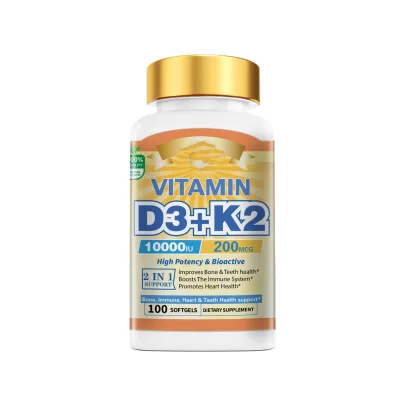
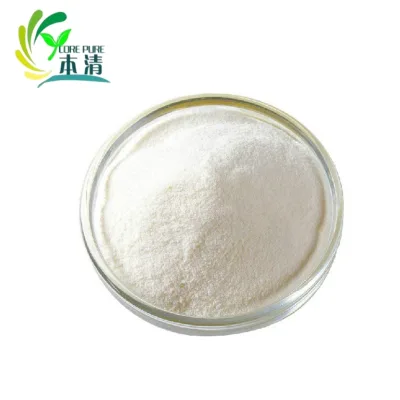
High Purity 99% Quality Vitamin D Vitamin D3 Raw Material Powder Calcitriol
$50.00 - $100.00
MOQ: 1 kg




Comprehensive Sourcing Guide
Pure Plant Extract Vitamin D3 Sourcing Guide
Procuring high-purity Vitamin D3 requires careful navigation of supply chain nuances, particularly when sourcing materials marketed as derived from natural plant or lichen sources. Buyers must distinguish between synthetic cholecalciferol and naturally derived variants, as the latter often commands a premium due to extraction complexity and sustainability credentials. The market offers various forms, including white fine powders and granulates, each suited to different formulation needs. Understanding these physical distinctions is critical for ensuring compatibility with your final product’s texture and dissolution profile.
This guide focuses on evidence-based procurement strategies for Vitamin D3 raw materials, emphasizing verification of purity, certification, and supplier reliability. While many listings claim "pure plant extract" origins, buyers should rigorously validate these claims through documentation rather than marketing language. The following sections provide a structured approach to evaluating suppliers, verifying technical specifications, and managing commercial risks associated with global sourcing of this essential nutrient.
Product Scope and Observed Listing Signals
Market listings for Vitamin D3 reveal a wide spectrum of product attributes, ranging from standard white powders to specialized granulates and customized packaging options. Observed data indicates that products are often described as having high purity levels, frequently exceeding 98% or 99%, and are available in various pack sizes from small 1kg bags to large 25kg drums. These variations suggest that suppliers cater to diverse client needs, from small-scale R&D trials to large-scale industrial manufacturing. Buyers should pay close attention to the physical form, such as whether the product is a fine powder or granulate, as this impacts handling and mixing efficiency.
The observed price range and minimum order quantities (MOQ) vary significantly, reflecting differences in purity, certification, and supplier scale. Some listings offer free samples in the 10-20g range, which is a valuable tool for initial quality assessment. However, buyers must be cautious of overly broad claims, such as "100% water solubility," which may not apply to all Vitamin D3 formulations without specific emulsification or carrier agents. It is essential to verify these claims with the supplier before committing to large orders, as solubility characteristics directly affect formulation stability and bioavailability.
Technical Specifications to Verify
Technical verification begins with confirming the molecular identity and purity of the Vitamin D3. Buyers should request Certificates of Analysis (CoA) that specify the assay percentage, ensuring it meets your required threshold, typically above 98% or 99%. The CAS number 67-97-0 is a standard identifier for cholecalciferol, but buyers must ensure the CoA matches this identifier precisely. Additionally, verify the test methods used, such as HPLC, which is a reliable technique for quantifying Vitamin D3 content. Discrepancies in molecular weight or impurity profiles can indicate lower quality or adulterated products.
Packaging and storage conditions are equally critical for maintaining product integrity. Vitamin D3 is sensitive to light, heat, and moisture, so buyers should confirm that suppliers use appropriate packaging, such as aluminum foil bags or cardboard drums with inner liners. Storage recommendations should specify cool and dry conditions, with shelf life typically exceeding 12 months or up to two years when stored correctly. Buyers must also verify the grade of the product, ensuring it is suitable for its intended application, whether food grade, pharmaceutical grade, or health care raw material, as this affects regulatory compliance and safety.
Compliance and Safety Documentation
Compliance documentation is non-negotiable for importing Vitamin D3, especially when targeting regulated markets like the EU or US. Buyers should verify that suppliers hold relevant certifications, such as ISO 9001, GMP, Halal, and Kosher, which demonstrate adherence to quality and religious dietary standards. For organic claims, EU Organic certification may be required, though buyers must confirm that the "natural" or "plant extract" label is supported by verifiable sourcing documentation. These certifications provide assurance that the manufacturing process meets international safety and quality benchmarks.
Additionally, buyers must ensure that the product complies with local regulatory standards, such as USP or BP pharmacopeial standards, depending on the destination market. Suppliers should provide documentation confirming that the product is free from prohibited contaminants and meets heavy metal limits. It is also important to verify that the supplier has a robust traceability system, allowing buyers to track the origin of raw materials. This is particularly crucial for products marketed as "natural" or "plant-derived," where supply chain transparency is a key selling point and regulatory requirement.
Cost Drivers and Commercial Terms
Cost structures for Vitamin D3 are influenced by purity levels, certification requirements, and packaging specifications. Higher purity grades and specialized certifications, such as organic or pharmaceutical-grade, typically command higher prices. Buyers should also consider the impact of packaging on cost, as customized or premium packaging options may increase the unit price. Understanding these cost drivers helps in budgeting and negotiating favorable terms with suppliers. It is advisable to request detailed quotations that break down costs by component, including raw material, processing, and packaging.
Commercial terms, including MOQ and lead times, vary widely among suppliers. Some suppliers offer low MOQs starting from 1kg, which is beneficial for small businesses or initial trials, while others may require larger orders for cost efficiency. Buyers should negotiate clear terms regarding payment, shipping, and returns, ensuring that risks are minimized. Additionally, verify the supplier’s ability to provide free samples for quality testing, as this can prevent costly mistakes in large-scale production. Clear communication of these terms helps in establishing a transparent and mutually beneficial business relationship.
Supplier Qualification and Quality Control
Supplier qualification involves a thorough assessment of their manufacturing capabilities, quality control systems, and track record. Buyers should request information about the supplier’s production facilities, including whether they have in-house testing laboratories or rely on third-party labs. A robust quality control system should include routine testing for purity, potency, and contaminants, with results documented in CoAs. Buyers should also verify the supplier’s ability to provide customized solutions, such as specific packaging or formulation support, which can add value to the procurement process.
Quality control extends to the supplier’s ability to maintain consistency across batches. Buyers should inquire about their batch-to-batch variability and how they manage deviations from specifications. It is also important to verify the supplier’s responsiveness to quality issues and their willingness to collaborate on corrective actions. Establishing a strong relationship with a reliable supplier ensures a steady supply of high-quality Vitamin D3, reducing the risk of production disruptions and ensuring product consistency. Regular audits or third-party inspections can further validate the supplier’s quality commitments.
Long-Term Procurement Checks
Long-term procurement success depends on continuous monitoring of supplier performance and market dynamics. Buyers should establish key performance indicators (KPIs) to track supplier reliability, including on-time delivery, product quality, and responsiveness to issues. Regular reviews of these metrics help identify potential problems early and allow for proactive management. Additionally, buyers should stay informed about changes in regulatory requirements and market trends, which can impact sourcing strategies. This proactive approach ensures that the supply chain remains resilient and compliant over time.
Building a diversified supplier base can mitigate risks associated with single-source dependencies. Buyers should consider qualifying alternative suppliers, especially for critical raw materials like Vitamin D3. This strategy provides flexibility in case of supply disruptions or price fluctuations. Furthermore, maintaining open communication with suppliers fosters collaboration and innovation, potentially leading to improved product offerings or cost efficiencies. By focusing on long-term relationships and continuous improvement, buyers can secure a stable and cost-effective supply of high-quality Vitamin D3 for their operations.
FAQs
What is the purity level of Pure Plant Extract Vitamin D3?
The purity level exceeds 98 percent for most grades. Some specific models reach over 99 percent purity. This ensures high quality for health food and pharmaceutical applications while meeting international standards.
Can I get a free sample of Pure Plant Extract Vitamin D3?
Yes, free samples ranging from 10 to 20 grams are available for testing. This allows buyers to verify the white powder appearance and solubility before placing a larger order for bulk production needs.
Which certifications does Pure Plant Extract Vitamin D3 hold?
Products hold multiple certifications including ISO, Halal, Kosher, and EU Organic. Additional standards like BP, USP, and GMP are also common. These ensure safety and compliance for global distribution channels.
How is Pure Plant Extract Vitamin D3 packaged for shipping?
Packaging typically uses aluminum foil bags inside cardboard barrels or drums. Options include 1kg foil bags or 25kg drums. Custom packaging is available to meet specific logistical requirements for different markets.
What is the shelf life of Pure Plant Extract Vitamin D3?
The shelf life is generally over 12 months or up to 2 years. Proper storage in cool and dry conditions is required to maintain stability. This ensures the active substance content remains above 90 percent.
Can Pure Plant Extract Vitamin D3 be customized for specific needs?
Yes, customization is available for various product specifications and packaging. Buyers can request specific models or grades tailored to their formulation needs. This flexibility supports diverse applications in healthcare and food industries.
Where is Pure Plant Extract Vitamin D3 manufactured?
Manufacturing originates from China, specifically regions like Shaanxi. The products are exported globally with standard lead times. This location supports large-scale production capabilities for international buyers seeking reliable supply chains.