Source Modular Fabric Sofa Bed for Living Room Hotel Study
Compare 30 Modular Fabric Sofa Bed options from verified factories in China. Buyers can evaluate features like pull-out mechanisms, solid wood frames, and custom upholstery materials for living rooms, hotels, and study spaces.
Key considerations
Products List


Modern Furniture Living Room Modular Sectional Couch Sleeping Foldable Sofa Bed
$315.00 - $319.00
MOQ: 28 Sets


Living Room Furniture Good Breathability and Comfortable Fabric Sofa Bed
$315.00 - $319.00
MOQ: 28 Sets

Customized High Softness Modern Furniture Fabric Sofa Bed for Living Room
$110.00 - $115.00
MOQ: 50 Sets

Minimalist Style Living Room Furniture Modular Corner Sofa Bed with Storage
$285.00 - $289.00
MOQ: 36 Sets


Fabric Sofa Bed Modern Seat Low Prices Living Room Furniture Sofa Beds
$119.00 - $399.00
MOQ: 30 pieces


Wholesale Home Bedroom Fabric Compression Foam Modular Compressed Lounge Sofa Bed
$86.00 - $127.00
MOQ: 20 Pieces

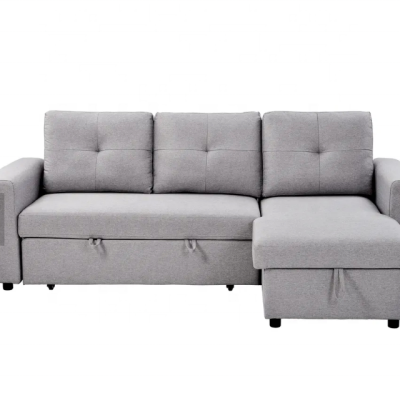


Modular Combination Floor Lazy Person's Lounge Furniture Living Room Sofa
$300.00 - $370.00
MOQ: 1 Pieces


Comprehensive Sourcing Guide
Strategic Sourcing Guide for Modular Fabric Sofa Beds
The global market for modular fabric sofa beds has expanded significantly as buyers seek versatile furniture solutions that maximize space utility without compromising on aesthetic appeal. For procurement professionals, navigating this category requires a disciplined approach that balances technical specifications, supply chain reliability, and compliance verification. The following guide outlines the critical factors for sourcing these units, drawing strictly from observed product attributes and established industry standards to ensure a robust procurement strategy.
Technical Specifications and Structural Integrity
When evaluating modular fabric sofa beds, the primary focus must be on the structural framework and the modularity of the design. The core construction typically relies on solid wood or wood frame materials, which provide the necessary load-bearing capacity for both seating and sleeping functions. Observations of available models indicate that frame composition is a critical differentiator, with many units featuring solid wood construction to ensure durability over time. The frame must be robust enough to support the mechanical components required for the pull-out mechanism, which is the standard method for converting these units from a sofa to a bed.
The upholstery material is another vital specification. While some units may offer leather or performance textiles, the dominant category for this keyword involves fabric upholstery. Buyers should verify that the fabric selected is suitable for high-traffic environments, such as living rooms, hotels, and study areas. The "Plush" fabric attribute observed in several listings suggests a focus on comfort, but the specific weave and durability ratings must be confirmed during the sampling phase. Additionally, the seating configuration varies widely, ranging from loveseats to three-seaters, sectionals, and L-shaped arrangements. This modularity allows buyers to customize the footprint of the furniture to fit specific room dimensions, a key requirement for modern interior design projects.
Dimensions are often standardized but can be customized. Standard specifications for certain models, such as those labeled with codes like CT7296 or 7279, may adhere to specific width, depth, and height ratios, such as W83D85H85cm. However, the "customized" standard attribute indicates that manufacturers are capable of altering these dimensions to meet unique project requirements. The back height is typically classified as medium, providing adequate support without obstructing sightlines in open-plan spaces. The presence of armrests is standard, contributing to the overall structural rigidity and comfort profile.
Compliance, Certification, and Safety Standards
Navigating the regulatory landscape for furniture imports requires a clear understanding of certification requirements and safety standards. While specific certification statuses can vary by supplier, the presence of ISO certification is a notable attribute observed in the market. Buyers should prioritize suppliers who can provide valid ISO documentation, as this indicates a commitment to quality management systems. However, it is crucial to verify the specific scope of the certification, as "ISO" is a broad term that covers various management standards rather than a single product safety test.
Fire safety is a non-negotiable aspect of furniture procurement, particularly for units destined for commercial use in hotels or public spaces. The market data indicates a reference to fire retardant standards, though specific test results like those from OEKO-TEX are noted as low-confidence background information and should not be assumed without direct verification. Buyers must explicitly request fire retardancy test reports that align with the regulations of the destination country, such as California TB117-2013 or the UK Furniture and Furnishings (Fire) (Safety) Regulations. The distinction between "inflatable" and "non-inflatable" in product attributes is also relevant; for modular sofa beds, the non-inflatable classification confirms the use of rigid internal structures, which generally offer superior longevity and safety compared to air-based systems.
Furthermore, the condition of the product is a critical compliance factor. All listed units are described as "New," which implies that the furniture has not been previously used or refurbished. This is essential for maintaining brand integrity and ensuring that the product meets the original manufacturer's quality benchmarks. Buyers should also verify that the materials used, particularly the fabric and wood, do not contain prohibited substances, although specific chemical compliance data must be sourced directly from the supplier rather than assumed from general market trends.
Cost Drivers and Pricing Dynamics
Understanding the cost structure of modular fabric sofa beds is essential for budgeting and negotiation. The observed price range in the market spans from approximately $55.99 to $6,000 USD. This wide disparity is driven by several key factors, including the complexity of the modular design, the quality of the upholstery material, and the extent of customization. Basic models with standard dimensions and fabric options will naturally fall at the lower end of the spectrum, while custom-designed units with premium materials, specialized mechanisms, and unique dimensions will command higher prices.
The minimum order quantity (MOQ) is another significant cost driver. The market shows an MOQ range from 1 to 360 units. For buyers seeking to test the market or fulfill small-scale projects, suppliers with low MOQs are advantageous, though they may carry a higher per-unit cost. Conversely, larger orders typically benefit from economies of scale, reducing the unit price. The "OEM & ODM" acceptance status indicates that suppliers are willing to engage in custom manufacturing, which can influence pricing based on the complexity of the design changes requested.
Packaging also impacts the final landed cost. Products are observed to be packed in cartons or foam, with some options for standard or customized packaging. The volume of the packaging, such as the 0.34 cubic meter observation for specific models, directly affects shipping costs. Buyers must calculate the total cost of ownership, including freight, duties, and insurance, rather than focusing solely on the ex-works price. The "Standard Specifications or Customized" nature of the product standard means that deviations from the norm will incur additional tooling or setup fees, which should be factored into the initial cost analysis.
Typical Applications and Usage Scenarios
Modular fabric sofa beds are designed for versatility, making them suitable for a diverse range of applications. The primary usage scenarios identified include living rooms, hotels, study areas, and bedrooms. In residential settings, these units serve as dual-purpose furniture, providing comfortable seating during the day and a sleeping solution at night. This functionality is particularly valuable in smaller apartments or multi-purpose rooms where space is at a premium. The "Single" type classification suggests that individual units can be used independently, while the "Sectional" and "L-Shaped" configurations allow for larger, more elaborate setups in spacious living areas.
In the commercial sector, the hotel industry is a major consumer of these products. The ability to convert a sofa into a bed allows hotels to maximize room capacity without the need for separate guest rooms. The "Hotel" usage attribute confirms that these units are built to withstand the rigors of commercial use, with durable fabrics and robust frames. The "Study" application indicates suitability for office environments or academic settings where a comfortable, convertible seating option is needed for breaks or temporary workspaces.
The "Primary Function" of these units is explicitly defined as a "Seating and Sleeping Solution," highlighting their dual utility. The "Pull-out" mechanism type is the standard for this function, ensuring a smooth transition between modes. The "Under-Seat Storage Compartment" option adds further value, allowing users to store bedding or other items out of sight, which is particularly useful in compact living arrangements. The "Modern Style" and "European" style attributes suggest that these units are designed to fit contemporary interior design trends, appealing to a broad demographic of buyers looking for sleek, functional furniture.
Supplier Evaluation and Sourcing Strategy
Selecting the right supplier is critical for ensuring product quality and supply chain reliability. The market data indicates that suppliers can be either trading companies or factories. Factory-direct sourcing often offers better pricing and more control over the manufacturing process, while trading companies may provide broader product ranges and logistical support. The "OEM & ODM Custom" acceptance status is a strong indicator of a supplier's flexibility and capability to meet specific buyer requirements. Buyers should prioritize suppliers who demonstrate a clear understanding of customization needs, from frame composition to upholstery selection.
The origin of the products is predominantly China, with specific mentions of Guangdong as a manufacturing hub. This region is known for its extensive furniture manufacturing infrastructure, offering a wide variety of options and competitive pricing. However, buyers must conduct thorough due diligence to verify the supplier's actual location and capabilities. The "Customized" attribute for the product name and the "Available" status for customization suggest that many suppliers are open to bespoke orders, but the lead times and minimum order quantities for these custom items may vary significantly.
When evaluating suppliers, buyers should request detailed product samples to verify the quality of the fabric, the smoothness of the pull-out mechanism, and the stability of the frame. The "Minimal Assembly Required" attribute is a positive sign, indicating that the product is designed for ease of installation, which reduces labor costs and the risk of assembly errors. Additionally, the "Standard Packaging or Customized" option allows buyers to tailor the packaging to their specific logistics needs, potentially reducing damage during transit.
Quality Control and Long-Term Procurement Considerations
Implementing a robust quality control (QC) process is essential for mitigating risks associated with bulk orders. Given the mechanical nature of the pull-out mechanism, buyers should prioritize testing the conversion process repeatedly to ensure it remains smooth and reliable over time. The "Folded" and "Unfolded" attributes highlight the dynamic nature of the product, and the mechanism must withstand frequent use without degradation. Visual inspections of the upholstery for defects, such as uneven stitching or discoloration, are also necessary, especially for "Plush" fabrics that may show wear more quickly.
Long-term procurement considerations involve establishing a relationship with a supplier who can provide consistent quality and support. The "New" condition of the products ensures that buyers receive fresh inventory, but maintaining this standard requires regular communication and quality checks. The "Weight Capacity" attribute, noted as "Standard / High-Weight Capacity," suggests that buyers should verify the specific load limits for their intended application, particularly in commercial settings where the furniture may be subjected to heavier use.
Finally, buyers should consider the lifecycle of the product. The "Carton" and "Foam" packaging options protect the units during shipping, but the durability of the materials used in the frame and upholstery will determine the product's lifespan. Regular maintenance and cleaning protocols should be established to extend the life of the fabric and the mechanical components. By focusing on these long-term factors, buyers can ensure that their investment in modular fabric sofa beds delivers value over time, meeting both functional and aesthetic requirements for years to come.
Comparative Analysis of Product Attributes
To facilitate a clearer understanding of the variations available in the market, the following table summarizes key attributes observed across different product models. This comparison highlights the diversity in specifications, helping buyers identify the features that best align with their specific needs.
| Attribute | Standard Observation | Customization Option |
|---|---|---|
| Frame Material | Wood | Solid Wood Construction |
| Upholstery | Fabric | Fabric / Leather / Performance Textile |
| Mechanism | Pull-out | Standard or Customized |
| Style | Modern / European | Customized |
| Configuration | Single / Loveseat / 3-Seater | Sectional / L-Shaped |
| Storage | Available | Under-Seat Compartment |
| Origin | China (Guangdong) | Customized Origin |
| Certification | ISO | Verified per Request |
| Packing | Carton / Foam | Standard or Customized |
| Condition | New | New |
This table underscores the flexibility inherent in the Modular Fabric Sofa Bed category. While standard models offer a baseline of quality and functionality, the extensive customization options allow buyers to tailor products to specific project requirements. By leveraging these attributes, procurement professionals can source furniture that not only meets immediate needs but also aligns with long-term strategic goals.
FAQs
What frame material is used for these sofa beds?
The frame material is wood, specifically solid wood construction for durability. This ensures the structure can support the pull-out mechanism and heavy usage in living rooms or hotels.
Can these units be customized for specific projects?
Yes, customization is available for various product attributes including dimensions and upholstery. Manufacturers accept OEM and ODM requests to tailor the sofa beds to unique design requirements.
Which certifications do the suppliers typically hold?
ISO certification is a notable attribute observed in the market for these products. Buyers should verify the specific scope of this documentation to ensure quality management standards are met.
How is the seating configuration defined for these units?
The seating configuration includes options like loveseat, 3-seater, sectional, and L-shaped arrangements. This modularity allows buyers to select a footprint that fits specific room dimensions effectively.
What is the standard mechanism type for conversion?
The mechanism type is a pull-out system designed for converting seating to sleeping. This standard method ensures a smooth transition between the two primary functions for daily use.
Where are these products primarily manufactured?
The products originate from China, with specific manufacturing hubs in Guangdong. This region offers extensive infrastructure for producing modular furniture with competitive pricing and varied customization options.
What is the minimum order quantity for these items?
The minimum order quantity ranges from 1 to 360 units depending on the supplier. Lower MOQs are available for testing markets, while larger orders benefit from economies of scale.
How are these sofa beds packaged for shipping?
Packaging options include cartons or foam, with some standard or customized solutions available. The volume varies, such as 0.34 cubic meters for specific models, impacting shipping logistics.