Source Modular Fabric Phone Pod for offices, studios, and retail
Explore 30 listings of Modular Fabric Phone Pod units designed for soundproof offices, public leisure areas, and booth applications. Buyers can compare specifications including aluminum alloy frames, ISO certifications, and custom sizes ranging from small to medium.
Key considerations
Products List


Soundproof Booth Office Phone Pods Acoustic Pods for Office Phone Calling Booth
$950.00 - $4330.00
MOQ: 1 Pieces


Movable Phone Booth Prefab Modular House Office Pod Privacy Meeting Pods
$3171.00 - $3400.00
MOQ: 2 Pieces

Prefabricated House Modular Prefab House Acoustic Phone Calling Booth Silence Work Pods
$3100.00 - $3200.00
MOQ: 2 Pieces


Acoustic Phone Pod for Movable Telephone Smart Portable Office Calling Soundproof Booth
$3000.00 - $3100.00
MOQ: 3 Pieces


Outdoor Modern Soundproof Glass Multi-Functional Telephone Booth Mobile Office Pod
$2045.00 - $4336.00
MOQ: 10 Pieces

Mini House Phone Booth Soundproof Isolation Single Telephone Office Pod
$2045.00 - $4336.00
MOQ: 10 Pieces


Modern Office Furniture Removable Office Phone Booth CE Certificate Pods
$2045.00 - $4336.00
MOQ: 10 Pieces
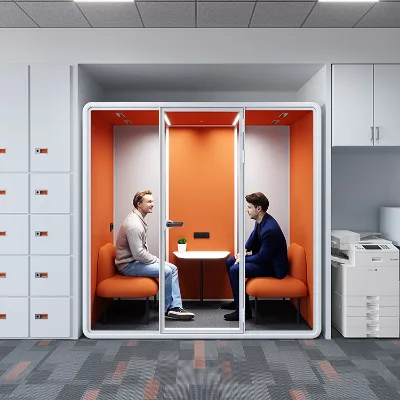
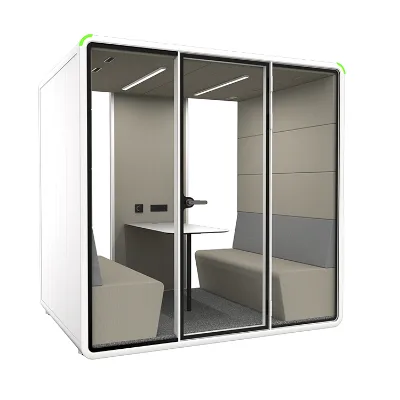
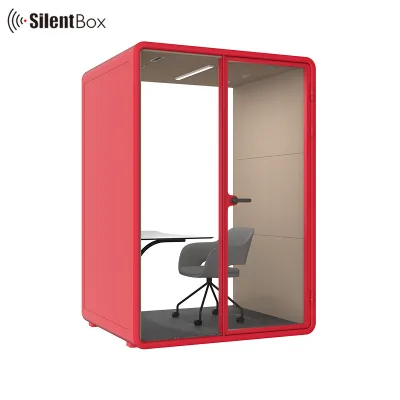
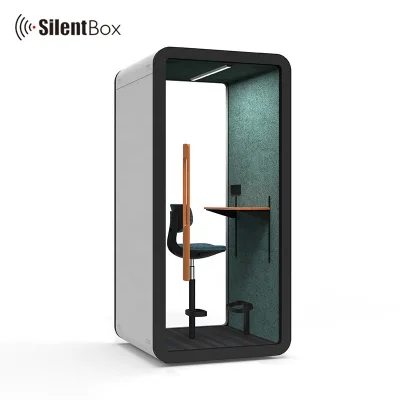
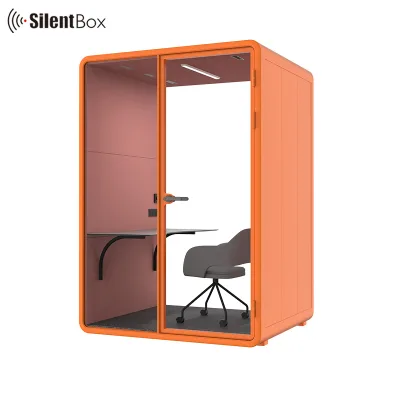
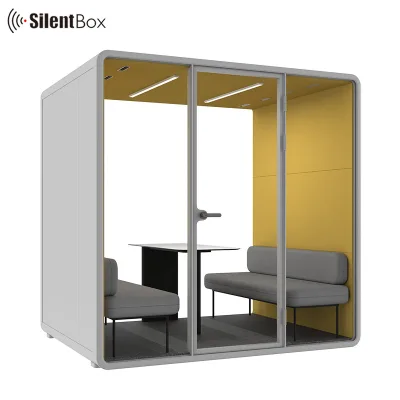
Office Pods Private Immersive Capsules with Aluminum Panel Tempered Glass Easy to Install
$1747.06 - $4679.62
MOQ: 1 Minimum


a Phone Booth Plus a Sleep Pod and Prefabricated Pod Can Be Used as a Meeting Pod
$1599.00 - $1699.00
MOQ: 1 Pieces

a Meeting Pod and Office Pod Near a Sleeping Pod for an Acoustic Phone Booth Business
$3195.00 - $3295.00
MOQ: 1 Pieces

an Office Pod From a Business with a Telephone Booth That Includes a Sleep Pod
$2595.00 - $2695.00
MOQ: 1 Pieces
Comprehensive Sourcing Guide
Strategic Sourcing Guide for Modular Fabric Phone Pods
Understanding the Technical Architecture of Modular Pods
When sourcing modular fabric phone pods, buyers must first distinguish between the structural frameworks and the acoustic finishing materials that define the product's utility. The core keyword "Modular Fabric Phone Pod" implies a system designed for rapid deployment, acoustic isolation, and aesthetic integration within commercial environments. Based on observed market data, these units frequently utilize aluminum alloy or steel structures as their primary load-bearing skeleton. The aluminum alloy variants are often noted for their lightweight durability and resistance to corrosion, making them suitable for high-traffic office corridors. Conversely, steel structure options provide a robust framework capable of supporting heavier acoustic panels or integrated technology.
The fabric component is critical for the "phone pod" designation, serving as the primary acoustic dampener. In the observed product spectrum, materials range from high-density foam cores (specifically 35~45 high-density foam) wrapped in various fabric types to more rigid metal and double-glazed glass combinations. The fabric itself is often applied over a metal or wooden frame, creating a hybrid structure that balances soundproofing with visual softness. The "Soundproof Office Phone Booth" description found in current listings highlights the functional intent: to create a quiet zone within an open-plan office. The modularity aspect is evident in the "Single Structure" and "Combination" configurations, allowing buyers to purchase individual units or assemble larger, interconnected workspaces.
Size specifications vary significantly across the supply base. While some units are categorized strictly as "Small," others are defined as "Medium" or "Standard Size for 1/2/3 Seater Sofa," indicating a wide range of capacity. The internal volume is often standardized, with some listings referencing specific cubic meter capacities such as 3.5CBM or 4CBM, which serves as a proxy for the internal space available for a single user or a small meeting group. The "X/M/L/XL size" standard suggests a scalable approach to manufacturing, where the physical footprint can be adjusted to fit specific architectural constraints. Buyers should verify the exact internal dimensions against their ergonomic requirements, as the "Standard Size" may not accommodate all user preferences or equipment needs.
Compliance and Certification Verification Protocols
In the B2B procurement of office infrastructure, certification is not merely a formality but a critical indicator of safety and quality assurance. The market data indicates a prevalence of ISO certifications, specifically ISO 9001 and ISO 14001, which relate to quality management systems and environmental management, respectively. These certifications suggest that the manufacturing processes adhere to international standards for consistency and sustainability. Additionally, the presence of CE marking is a mandatory requirement for products entering the European market, indicating compliance with health, safety, and environmental protection standards.
For buyers operating in or exporting to China, the CCC (China Compulsory Certification) is a significant marker of regulatory compliance. Listings that explicitly state "CCC, ISO" or "ISOCondition:New" provide a baseline assurance that the electrical and structural components have undergone mandatory testing. However, buyers must exercise caution regarding the interpretation of these labels. The term "ISOCondition:New" appears as a combined attribute in some data points, which requires clarification to ensure it refers to the product condition rather than a specific, non-standard certification name.
Safety standards for office furniture and acoustic enclosures are paramount. While specific fire ratings or acoustic performance decibel levels are not explicitly quantified in the provided facts, the mention of "Soundproof Office Phone Booth" implies a functional requirement for noise reduction. Buyers should request third-party test reports that verify the Sound Transmission Class (STC) ratings of the fabric and frame assembly. Furthermore, the electrical systems within these pods, if equipped with lighting or power outlets, must comply with voltage standards. The observed "110 - 240V/50Hz" power supply system indicates a global compatibility, but buyers must confirm that the internal wiring and plug configurations match the destination country's electrical codes.
Cost Drivers and Pricing Dynamics
The pricing for modular fabric phone pods is influenced by a complex interplay of material costs, structural complexity, and customization levels. The observed price range of 39 to 4,999 USD represents a vast spectrum, likely spanning from basic, small-scale acoustic screens to fully enclosed, high-end office suites with integrated technology. The lower end of the range may correspond to simple, single-structure units with minimal customization, while the upper end likely reflects complex combinations, premium materials like double-glazed glass, and extensive custom branding.
Material selection is a primary cost driver. Pods constructed with aluminum alloy and high-density foam may carry a different price point compared to those utilizing steel structures or wood frames. The "Woodcase" packing and "Standard Export Package" requirements also add to the logistical costs, which are often factored into the final unit price. Customization is another significant factor; the availability of "Customized" options allows buyers to tailor the pod to specific brand colors or functional needs, but this invariably increases the unit cost and potentially the Minimum Order Quantity (MOQ).
The MOQ range observed between 1 and 10 units suggests a flexible supply chain that can accommodate both pilot projects and large-scale deployments. However, buyers should be aware that custom orders often carry higher MOQs than standard stock items. The "Sample: Sofa Sample Avaliable for Physical Phecking" attribute indicates that for certain fabric-heavy components, buyers may need to order a sample unit to verify quality before committing to a bulk order, which adds to the initial procurement cost. Lead times, while not explicitly quantified in the facts, are typically influenced by the origin location, with Guangzhou and Foshan being major manufacturing hubs in China known for efficient logistics but subject to seasonal demand fluctuations.
Typical Applications and Functional Deployment
Modular fabric phone pods are primarily designed for commercial and office environments where acoustic privacy is essential. The "General Use: Commercial /Office" classification confirms their suitability for corporate settings, including open-plan offices, co-working spaces, and reception areas. The "Usage: Booth/Office" designation highlights their dual function as a private workspace and a meeting point. These pods serve as soundproof sanctuaries for phone calls, video conferences, or focused individual work, mitigating the distractions of a busy office floor.
The "Public Leisure Sofa" and "European Style" attributes suggest that some units are designed with a dual purpose, blending acoustic privacy with comfortable seating for waiting areas or breakout zones. The "Combination" type indicates that these pods can be configured to create larger, multi-person workspaces, making them versatile for various team sizes. The "Modern" style aligns with contemporary interior design trends, ensuring that the pods integrate seamlessly with existing office aesthetics rather than appearing as industrial add-ons.
For buyers, understanding the deployment context is crucial. In high-traffic areas, the durability of the "Steel Structure" or "Aluminum Alloy" frame becomes a priority. In more relaxed, lounge-style environments, the "Fabric" and "Sponge" components take center stage, requiring attention to wear resistance and ease of cleaning. The "Folded: Unfolded" attribute suggests that some units may be collapsible for transport or storage, a feature that is particularly valuable for temporary office setups or events.
Supplier Evaluation and Operational Due Diligence
Evaluating suppliers for modular fabric phone pods requires a rigorous assessment of their manufacturing capabilities and logistical reliability. The origin locations, specifically Guangzhou and Foshan, are well-established industrial zones in China, known for their expertise in furniture and metal fabrication. Buyers should verify the supplier's physical presence in these regions to ensure they are dealing with a direct manufacturer or a verified trading company.
Key evaluation criteria include the supplier's ability to provide "Customized" solutions and their track record with "ISO" and "CE" certifications. A supplier that can demonstrate compliance with ISO 9001 and ISO 14001 is more likely to maintain consistent quality control. The "Warranty: 2year" attribute is a strong indicator of the supplier's confidence in their product's longevity; buyers should review the terms of this warranty to understand what is covered, such as structural integrity or fabric wear.
Logistics and packaging are also critical factors. The "Woodcase" and "EPE+ Foam Corner + Hard Carton" packing methods indicate a commitment to protecting the product during transit. Buyers should confirm that the packaging standards align with the fragility of the components, particularly for glass or delicate fabric finishes. The "Standard Export Package" and "Standard Size for 1/2/3 Seater Sofa" suggest that the supplier has experience with international shipping, but buyers must still verify the Incoterms and shipping responsibilities.
Quality Control and Long-Term Procurement Considerations
Ensuring the long-term viability of modular fabric phone pods requires a proactive approach to quality control. Buyers should implement a pre-shipment inspection protocol that verifies the structural integrity of the "Aluminum Alloy" or "Steel Structure" frames. The "Weight: About 300kg" specification for certain units highlights the need for robust handling procedures and potentially reinforced flooring in the installation location.
For the fabric components, quality control should focus on the density of the "35~45 High Density Foam" and the durability of the fabric cover. Buyers should request samples for physical checking, as indicated by the "Sample: Sofa Sample Avaliable for Physical Phecking" attribute, to assess the tactile quality and acoustic performance. The "Condition: New" status should be confirmed upon delivery to ensure that the products have not been compromised during storage or transit.
Long-term procurement considerations include the availability of replacement parts and the scalability of the system. The "Modular" nature of these pods suggests that buyers may need to expand their office setup in the future. A supplier that offers a consistent product line with interchangeable components will be more valuable than one that requires a complete redesign for expansion. Additionally, the "2year" warranty provides a baseline for support, but buyers should inquire about post-warranty maintenance services and the availability of spare fabric panels or frame components.
Comparative Analysis of Product Configurations
To assist buyers in making informed decisions, the following table summarizes the key attributes observed in the market for modular fabric phone pods. This comparison highlights the diversity in materials, sizes, and certifications available.
| Attribute Category | Configuration A (Lightweight) | Configuration B (Heavy Duty) | Configuration C (Hybrid) |
|---|---|---|---|
| Primary Material | Aluminum Alloy | Steel Structure | Aluminum/Double-Glazed Glass |
| Secondary Material | Fabric, High Density Foam | Wood Frame, Fabric | Glass, Metal |
| Size Classification | Small / Medium | Standard Size (1/2/3 Seater) | X/M/L/XL Size |
| Certifications | ISO, CE | CCC, ISO | CCC, ISO |
| Packing Method | Woodcase | Standard Export Package | EPE + Foam Corner + Hard Carton |
| Power Supply | 110 - 240V/50Hz | 110 - 240V/50Hz | 110 - 240V/50Hz |
| Warranty | 2 Year | 2 Year | 2 Year |
| Origin | Guangzhou, China | Foshan, China | Guangzhou/Foshan, China |
This table illustrates that while the core functionality remains consistent, the specific material and structural choices vary to meet different performance and aesthetic requirements. Buyers should use this framework to align their specific project needs with the appropriate configuration, ensuring that the selected pod meets both the acoustic and structural demands of their environment. By adhering to these evidence-based guidelines, procurement teams can navigate the complexities of the Modular Fabric Phone Pod market with confidence and precision.
FAQs
What certifications do modular fabric phone pods typically have?
These units often carry ISO, CE, and CCC certifications to ensure safety and quality. Some listings also specify ISO9001 and ISO14001 for quality and environmental management. Buyers should verify specific certification documents before purchase to confirm compliance with local regulations.
Which materials are used for the frame of these pods?
Frames are commonly constructed from aluminum alloy, steel, or wood depending on the model. Aluminum alloy offers lightweight durability while steel provides robust support for heavier acoustic panels. The specific frame material varies by product model and intended structural load.
Can buyers request custom sizes for these office booths?
Yes, customization is available for many Modular Fabric Phone Pod models. Suppliers offer options ranging from small to medium sizes and may accommodate X, M, L, or XL standard sizes. Custom orders often require specific MOQs and may affect lead times compared to stock items.
What is the typical warranty period for these office pods?
A standard warranty of two years is commonly provided for these units. This coverage typically applies to structural integrity and general functionality under normal commercial use. Buyers should review specific warranty terms to understand what components are covered against defects.
How are these pods packaged for international shipping?
Packaging usually involves wood cases, standard export packages, or EPE foam with hard cartons. These methods protect the aluminum, steel, or glass components during transit. The specific packing style depends on the product model and whether it includes fragile elements like double-glazed glass.
What is the power supply requirement for these pods?
Most units operate on a 110 to 240V/50Hz power supply system for global compatibility. This allows them to function in various international markets without needing voltage converters. Ensure internal wiring matches destination country electrical codes before installation.
Which locations are the primary manufacturing hubs for these pods?
Manufacturing origins are primarily located in Guangzhou and Foshan, China. These regions are established industrial zones known for furniture and metal fabrication expertise. Buyers should verify the specific origin of their selected model to confirm logistics and supplier capabilities.