Source Moisture Absorber Montmorillonite Desiccant for Garments, Wood, Electronics
Find and compare 25 listings for Moisture Absorber Montmorillonite Desiccant suitable for garments, wood, and electronic applications. Buyers can review specifications like drying methods, working temperatures, and certifications from verified suppliers offering customized options.
Key considerations
Products List


No Pollution Water Absorbent Super Dry Catalyst Montmorillonite Desiccant
$600.00 - $1500.00
MOQ: 1 Tons


Super Dry Desiccant Oil Resistant Montmorillonite Desiccant for Oily Environment
$0.04 - $0.05
MOQ: 10000 Pieces

30g Anti-Rust Moisture Absorber Montmorillonite Clay Desiccant for Tools
$0.04 - $0.05
MOQ: 10000 Pieces


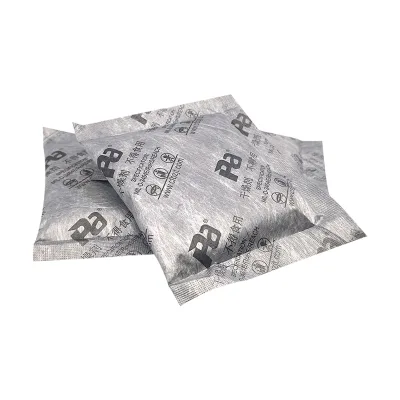
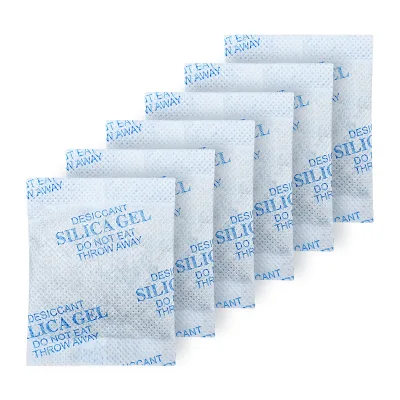
Comprehensive Sourcing Guide
Strategic Sourcing Guide for Montmorillonite Clay Desiccants
Understanding the Technical Landscape of Mineral Desiccants
When sourcing moisture absorbers, specifically those based on montmorillonite clay, buyers must first distinguish between physical and chemical desiccant mechanisms. The core product under consideration is a mineral desiccant known as Ugeesorb Montmorillonite Clay Desiccant. This material operates as a physical desiccant, relying on the natural porous structure of the clay to adsorb moisture from the surrounding environment without undergoing a chemical reaction that alters its composition permanently. The primary material composition is Montmorillonite Clay, which provides a stable and effective solution for humidity control in various industrial applications.
The physical form of this desiccant is critical for its integration into packaging and logistics. The product is supplied in the shape of beads, which facilitates uniform distribution within a package and prevents the clumping often associated with granular powders. The drying method employed for these beads is static drying, a process that ensures the material is ready for immediate use upon packaging. It is important to note that while the core product is a mineral desiccant, the broader market often includes silica gel and molecular sieve variants. Buyers should verify the specific composition of any supplier's offering, as some listings may contain mixed attributes such as polymer, calcium chloride, or mineral salts alongside the primary clay component. The working temperature range for these desiccants is typically between -10ºC and 80ºC, ensuring functionality in a wide array of environmental conditions. Furthermore, the working humidity range is substantial, spanning from 10% to 99%, which allows for effective moisture control in both dry and highly humid storage scenarios.
Compliance, Certification, and Standard Verification
In the B2B procurement of desiccants, particularly for sensitive industries like electronics and pharmaceuticals, compliance with international standards is non-negotiable. The Ugeesorb Montmorillonite Clay Desiccant is associated with the SGS certification, a globally recognized third-party inspection and verification body. This certification provides a baseline assurance of the product's quality and safety. However, buyers must look beyond a single certification mark. Comprehensive procurement strategies require verifying a broader suite of documentation. Relevant standards often cited in this sector include Mil-D3464e and DIN55473, which govern the performance and testing of desiccant packets. Additionally, compliance with ISO standards, specifically ISO9001 for quality management systems, is a common requirement for suppliers aiming to serve global markets.
Safety and environmental regulations are equally critical. Buyers should request Material Safety Data Sheets (MSDS) to understand the handling requirements and potential hazards. Furthermore, certifications such as RoHS (Restriction of Hazardous Substances) and REACH (Registration, Evaluation, Authorisation and Restriction of Chemicals) are essential for products destined for the European market or other regions with strict chemical regulations. While some product listings may reference specific standards like "catalyst" or "ore" as product standards, these terms often refer to the raw material classification rather than a finished product safety standard. Therefore, procurement teams must explicitly request the specific safety and environmental compliance documents that match the regulatory requirements of the destination country. The absence of these documents should be treated as a red flag, regardless of the product's apparent performance claims.
Cost Drivers and Pricing Structures
The pricing of montmorillonite desiccants is influenced by several variable factors, including the scale of the order, the customization level, and the packaging specifications. The observed market price range for these products can vary significantly, with listings indicating values from 0 to 1500 USD, though this range likely encompasses different unit types, bulk quantities, and packaging configurations rather than a single unit price. The Minimum Order Quantity (MOQ) is a primary driver of unit cost, with observed ranges spanning from 1 unit to 100,000 units. Buyers purchasing at the lower end of the MOQ spectrum will typically face higher per-unit costs, while those committing to volumes near 10,000 units or more can negotiate more favorable pricing structures.
Customization is a significant cost variable. The availability of customization allows buyers to tailor the desiccant to specific needs, such as modifying the packet size, changing the outer material, or adjusting the adsorption capacity. However, these customizations often incur additional tooling or setup fees. The packaging material also impacts cost; options range from standard non-woven fabrics to specialized materials like Tyvek (Dupont) or ESD (Electrostatic Discharge) non-woven materials, the latter being essential for sensitive electronic components. Additionally, the weight of the carton, with net weights around 18kg and gross weights around 19kg, affects shipping logistics and freight costs. Buyers should request detailed quotations that break down the cost of the desiccant itself, the packaging, and the logistics to avoid hidden expenses. It is also prudent to verify if the quoted price includes sample costs, as suppliers often provide samples but may charge for shipping or the sample unit itself.
Typical Applications and Performance Capabilities
Montmorillonite clay desiccants are versatile and find application across a diverse range of industries. The primary applications include garments, wood, electronics, and leather goods. In the electronics sector, these desiccants are crucial for preventing corrosion and short circuits caused by high humidity. The material is also widely used in the food and medicine industries, where moisture control is vital for product stability and shelf life. The specific model number "1/6-32 Unit" suggests a standardized sizing that fits various packaging requirements, while other models like "30030-NWF" indicate specialized non-woven fabric packaging options.
The performance of the desiccant is measured by its moisture absorption capacity. For montmorillonite clay, the absorption capacity can range from 170% to 300% of its own weight, making it highly efficient for moisture control. In contrast, some silica gel variants may offer a moisture absorption capacity of around 25%, highlighting the superior capacity of the clay-based product in specific conditions. The sustainable working hours for these desiccants are typically around 90 days, providing a reliable lifespan for most storage and shipping cycles. The particle size is another critical specification, with options available in the range of 0.5-1.5 mm and 1-4 mm. The choice of particle size can affect the rate of adsorption and the suitability for different packet dimensions, such as the 10x13 mm packet size observed in some listings.
Supplier Evaluation and Quality Control Protocols
Evaluating a supplier for montmorillonite desiccants requires a rigorous assessment of their production capabilities and quality control measures. Buyers should verify the supplier's origin, with China being a prominent source for these materials. The lead time for production is a key factor in supply chain planning, with typical delivery dates ranging from 10 to 15 days. However, buyers must account for potential delays and confirm the exact lead time for their specific order volume and customization requirements. The ability to provide samples is a standard expectation, and buyers should utilize this opportunity to test the product's performance in their own environment before committing to a large order.
Quality control should be a continuous process, not just a final inspection. Buyers should request data on the drying method, ensuring it is static drying, and verify the consistency of the bead shape. The packet material is another area of focus; options include breathable waterproof materials combined with non-woven fabric, or specific ESD-safe materials for electronics. The packing density, often listed as 600 pieces per carton, should be verified to ensure efficient use of shipping space. Furthermore, the supplier should demonstrate adherence to the specified standards, such as Mil-D3464e and DIN55473, through third-party testing reports. It is essential to confirm that the "SGS" certification mentioned is current and applicable to the specific batch of goods being purchased.
Long-Term Procurement Considerations and Storage
Sourcing desiccants is not merely a transactional activity but a long-term strategic decision that impacts product quality and supply chain resilience. Storage conditions for the desiccant itself are critical; the product must be kept in a dry and cool environment to maintain its adsorption capacity before use. If stored improperly, the desiccant may pre-absorb moisture, rendering it ineffective for the intended application. Buyers should also consider the sustainability of the supply chain, including the environmental impact of the packaging materials and the disposal of used desiccants.
The customization options available, such as the ability to specify the packet material or the inclusion of specific certifications like MSDS and RoHS, allow buyers to future-proof their procurement strategy. As regulations evolve, having a supplier who can adapt their product specifications will be invaluable. Additionally, the working temperature range of -10ºC to 80ºC ensures that the desiccant remains effective in various climates, but buyers should verify if their specific shipping routes expose the product to extreme conditions that might exceed these limits. Finally, maintaining a relationship with a supplier who offers a reliable lead time of about 15 days and a consistent MOQ structure will help in managing inventory levels and responding to sudden demand fluctuations. By focusing on these long-term factors, buyers can ensure a stable and high-quality supply of montmorillonite desiccants for their operations.
Comparative Analysis of Desiccant Specifications
To assist buyers in making informed decisions, the following table compares key specifications of the montmorillonite clay desiccant against common alternatives found in the market. This comparison highlights the unique advantages of the mineral desiccant while acknowledging the presence of other types in the supply chain.
| Specification | Montmorillonite Clay Desiccant | Silica Gel Desiccant | Molecular Sieve |
|---|---|---|---|
| Primary Material | Montmorillonite Clay | Silica Gel | Molecular Sieves |
| Desiccant Kind | Physical Desiccant | Physical Desiccant | Physical Desiccant |
| Shape | Beads | Beads | Beads |
| Moisture Capacity | 170% to 300% | Variable (often ~25% in some contexts) | High |
| Working Temp Range | -10ºC to 80ºC | Variable | Variable |
| Working Humidity | 10% to 99% | Variable | Variable |
| Sustainable Hours | 90 Days | Variable | Variable |
| Typical Certification | SGS | SGS, ISO | SGS, ISO |
| Common Applications | Garments, Wood, Electronics, Leather | Electronics, Food, Medicine | High-performance drying |
This table illustrates that while molecular sieves and silica gels are prevalent, the montmorillonite clay offers a distinct combination of high absorption capacity and broad working humidity ranges. Buyers should use this data to validate supplier claims and ensure the selected product meets the specific environmental requirements of their application. By adhering to these evidence-based guidelines, procurement professionals can navigate the complexities of the desiccant market with confidence and precision.
FAQs
What is the primary material used in this desiccant?
The primary material is Montmorillonite Clay, which functions as a physical desiccant. This mineral absorbs moisture through its natural porous structure without chemical reaction, making it stable for various industrial applications.
Can the product be customized for specific needs?
Yes, customization is available for this desiccant. Buyers can tailor specifications such as packet size, outer material, or adsorption capacity to meet unique packaging requirements for electronics or food storage.
Which certifications ensure product safety and quality?
The product holds SGS certification and complies with standards like Mil-D3464e and DIN55473. Additional documentation such as MSDS, RoHS, and REACH may be required for specific regional regulatory compliance.
How does the absorption capacity compare to other types?
This montmorillonite clay desiccant has an absorption capacity ranging from 170% to 300%. This is significantly higher than some silica gel variants, which typically offer around 25% capacity for similar applications.
What is the typical lead time for delivery?
The typical delivery date is about 15 days. Buyers should verify specific lead times based on order volume and customization requirements, as standard production times range from 10 to 15 days.
Which applications are suitable for this desiccant?
It is suitable for garments, wood, electronics, leather, food, and medicine. The material effectively controls humidity in these sectors, preventing corrosion in electronics and spoilage in food products.
What is the working temperature range for the desiccant?
The working temperature range is from -10ºC to 80ºC. This wide range ensures the desiccant remains effective in diverse environmental conditions during storage and shipping cycles.