Source Moisture Cured PU Binder for Rubber Flooring, Printing Inks, and Woodworking
Find 30 verified options for Moisture Cured PU Binder suitable for rubber flooring, printing inks, and woodworking. Compare specifications, packaging, and raw materials from multiple suppliers to identify the best fit for your production needs.
Key considerations
Products List




Soft yet Durable Multi-pocket Categorization PU Trading Card Binder for Storage
$9.00 - $10.00
MOQ: 100 pieces


Comprehensive Sourcing Guide
Strategic Sourcing Guide for Moisture-Cured PU Binders
Navigating the global market for moisture-cured polyurethane (PU) binders requires a disciplined approach that balances technical performance with rigorous compliance verification. Buyers in the adhesive, printing, and flooring sectors often seek these materials to achieve high elongation, strong bonding capabilities, and specific curing characteristics. The supply landscape is diverse, with products originating primarily from manufacturing hubs in China, offering a range of formulations from aromatic binders to specialized resins. This guide outlines the critical factors procurement professionals must evaluate to secure reliable supply chains without relying on unverified claims or speculative data.
Technical Specifications and Formulation Variations
Understanding the chemical architecture of the binder is the first step in defining procurement requirements. The core raw materials for these binders typically include polyether polyols and isocyanates, which form the molecular principal chain as a carbon chain polymer. In the observed market, specific product models such as GM8208 and DR-3309 represent distinct formulations designed for different industrial needs. The solid content is a critical specification that varies significantly between applications; for instance, some high-performance variants offer a solid content of 75±3%, while others intended for specific ink applications may range between 28% and 32%.
Viscosity is another paramount technical parameter. For moisture-cured systems, the viscosity at 25°C is often observed in the range of 500-2000 MPa·s, a factor that directly influences application methods such as flexographic or gravure printing. The physical appearance of the product is also a key identifier; buyers should expect the material to present as a clear, transparent, or light yellowish liquid. Some formulations are explicitly designed to be aromatic and TDI-free, addressing safety concerns while maintaining the necessary reactivity for bonding. The classification of these products often falls under "Other Adhesives" or specific PU resin categories, depending on the intended end-use.
Compliance, Certification, and Safety Standards
In the B2B procurement of chemical binders, verifying compliance with international safety and environmental standards is non-negotiable. The supply chain for moisture-cured PU binders frequently includes certifications such as CE, ROHS, and MSDS (Material Safety Data Sheet). These documents provide essential data regarding the chemical composition, handling instructions, and potential hazards. For example, specific entries in the market data reference an EINECS number of 230-391-5, which serves as a unique identifier for regulatory tracking within the European Union.
Buyers must also scrutinize the presence of restricted substances. Certain product descriptions highlight features like "Benzene-Free and Ketone-Free," which are critical for applications in sectors with strict emission regulations, such as flooring and packaging. The CAS number 101-68-8 is associated with specific components within these formulations, and verifying this against the supplier's documentation ensures the correct chemical identity. Furthermore, the storage requirements often mandate a cool environment, away from strong acids and alkaline items, to maintain stability and prevent premature curing or degradation. Ensuring that the supplier provides up-to-date MSDS and certification documents is a prerequisite for any transaction.
Cost Drivers and Pricing Structures
The pricing of moisture-cured PU binders is influenced by a complex interplay of raw material costs, packaging formats, and order volumes. The observed market price range for these products spans from approximately 1.81 to 10 USD, though this figure must be contextualized against the specific unit of measurement and the total order quantity. The Minimum Order Quantity (MOQ) is a significant cost driver, with observed ranges varying from 20 units to 1000 units, and specific product lines requiring a minimum of 200KG.
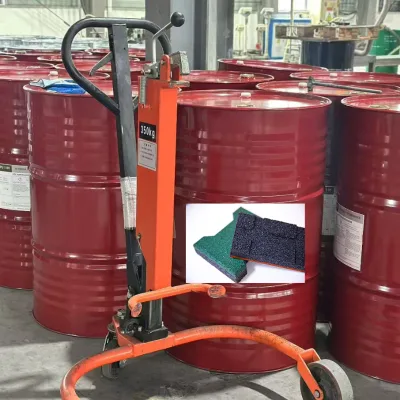
Packaging plays a substantial role in the final landed cost. Suppliers offer various packaging configurations, including 180kg drums, 20kg buckets, and palletized loads of 960kg. A single item may weigh 20.000 kg gross, while larger shipments can reach 19.2 tons in a 20ft container. Buyers should calculate the cost per kilogram rather than per unit to accurately compare suppliers, as the efficiency of container utilization can significantly impact the overall expense. Additionally, customization availability is a factor that may influence pricing; products that can be tailored to specific solid content or viscosity requirements often command a different price point than standard off-the-shelf formulations.
Typical Applications and Performance Requirements
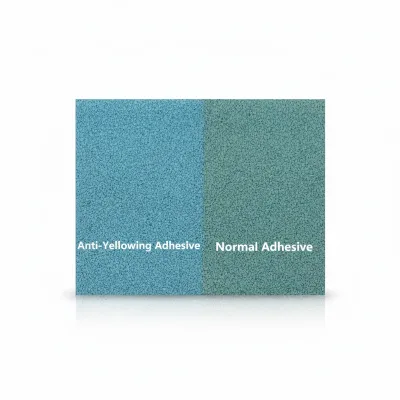
The versatility of moisture-cured PU binders is evident in their wide array of applications. In the flooring industry, these binders are utilized for rubber flooring, tiles, mats, and rolls, where high elongation and excellent bonding of rubber granules or chipped wood are essential. The product features often include anti-yellowing properties, ensuring that the final product maintains its aesthetic quality over time, which is particularly important for applications in schools, kindergartens, and outdoor sports facilities.
Beyond flooring, these binders are integral to the printing industry, specifically for flexographic and gravure printing inks. In this context, the binder must provide excellent retort resistance and compatibility with benzene-free and ketone-free ink systems. The construction, fiber, garment, and transportation sectors also utilize these adhesives for their durability and strong bonding strength. The specific feature of "no odor" and "moderate curing speed" makes them suitable for indoor environments where air quality is a concern. Buyers must align the specific application requirements with the product's technical features, such as the "durable" firmness or the "unchanged shape" during curing, to ensure the selected binder meets the performance criteria of the end product.
Supplier Evaluation and Origin Verification
When evaluating potential suppliers, the origin of the product is a critical data point. The majority of the observed supply originates from China, with specific regions like Anhui noted as places of origin. This geographic concentration can offer logistical advantages but also necessitates a thorough vetting of the supplier's production capabilities. Buyers should verify the brand names associated with the products, such as BAOLI, to ensure they are dealing with established manufacturers rather than trading entities that may lack direct control over quality.
The availability of customization is a strong indicator of a supplier's technical capability. Suppliers that offer tailored solutions for specific solid contents or packaging requirements are generally better equipped to handle complex procurement needs. However, buyers must treat product attributes as observations rather than universal claims; not every listed product will satisfy every requirement. It is essential to request samples and technical data sheets that correspond directly to the specific model numbers, such as BL-401 or BL-PU Binder, to confirm that the supplier can deliver the exact specifications required for the project.
Quality Control and Long-Term Procurement Strategy
Implementing a robust quality control protocol is essential for mitigating risks associated with chemical procurement. Buyers should verify the consistency of the product's physical properties, such as the solid content and viscosity, against the stated specifications. The standard of "different solid content available" suggests that suppliers may offer batches with varying concentrations, making it vital to specify the exact range required in the purchase order. Regular testing for features like anti-yellowing and high viscosity is necessary to maintain product integrity over the shelf life of the material.
For long-term procurement, establishing a relationship with a supplier that offers consistent packaging and reliable lead times is crucial. The single package size of 30x30x40 cm and the gross weight of 20.000 kg per unit should be factored into logistics planning. Buyers should also consider the storage requirements, ensuring that their facilities can maintain a cool environment away from corrosive substances to prevent material degradation. By focusing on verified technical data, clear certification documents, and consistent supplier performance, buyers can build a resilient supply chain for moisture-cured PU binders that supports their operational goals without compromising on quality or safety.
Comparative Analysis of Key Product Attributes
To facilitate decision-making, the following table summarizes the key attributes observed in the market for moisture-cured PU binders. This comparison highlights the variations in specifications that buyers must consider when selecting a product.
| Attribute Category | Observation A | Observation B | Observation C |
|---|---|---|---|
| Product Model | GM8208 | DR-3309 | BL-401 / BL-PU Binder |
| Main Raw Material | Polyether polyols, Isocyanate | Polyurethane | Polyether polyol MDI plasticizer |
| Solid Content | 75±3% | 28%-32% | Variable (Standard available) |
| Viscosity (25°C) | 500-2000 MPa·s | Not specified | Not specified |
| Color | Clear / Transparent | Yellowish Transparent Liquid | Transparent or Light Yellow |
| Primary Application | Rubber Flooring, Tiles | Gravure Printing Inks | General Adhesive / Packing |
| Key Features | High elongation, Anti-yellowing | Benzene-Free, Retort Resistance | No odor, Moderate curing |
| Certification | CE, ROHS, MSDS | CE, ROHS, MSDS | CE, ROHS, MSDS |
| Packaging | 180kg/Drum | 180kg/Drum | 20kg/Bucket, 960kg/Pallet |
| Origin | China (Anhui) | China | China |
This table illustrates that while the core chemical components remain consistent, the specific formulation and application focus differ significantly between models. Buyers must carefully match these attributes to their specific production needs to ensure optimal performance and cost-efficiency.
FAQs
What certifications do moisture cured pu binders typically have?
These binders typically hold CE, ROHS, and MSDS certifications. Buyers should verify these documents to ensure compliance with international safety and environmental standards before placing orders.
How is the solid content specified for different product models?
Solid content varies by model, with some offering 75±3% and others ranging from 28% to 32%. Suppliers may provide different solid content standards, so specific requirements must be confirmed.
Which packaging formats are available for bulk orders?
Common packaging includes 180kg drums, 20kg buckets, and palletized loads of 960kg. A single item may weigh 20kg, while a 20ft container can hold up to 19.2 tons of product.
Can suppliers customize the product specifications for specific needs?
Yes, customization is available for various product attributes. Buyers can request tailored solutions for solid content or viscosity to match specific application requirements like flooring or printing inks.
What is the typical minimum order quantity for these binders?
The minimum order quantity ranges from 20 to 1000 units, with some specific lines requiring a minimum of 200KG. Buyers must check the specific MOQ for the selected product model.
Where are the manufacturers of these binders primarily located?
The majority of suppliers originate from China, with Anhui noted as a specific place of origin. Buyers should verify the supplier's location to assess logistical advantages and production capabilities.
What are the key features for rubber flooring applications?
Key features include high elongation, excellent bonding of rubber granules, and anti-yellowing properties. These characteristics ensure durability and aesthetic quality for applications in schools and outdoor sports facilities.