Source Monoblock Forged Alloy Rims for SUVs, Sedans, and Trucks
Compare 30 listings of Monoblock Forged Alloy Rims from verified suppliers in Ningbo. Buyers can evaluate specifications like wheel hub diameter, drive wheel types, and customization options to find suitable wheels for various vehicle models.
Key considerations
Products List


Monoblock Forged Alloy Wheels Custom Performance Car Rims Manufacturer
$399.00 - $699.00
MOQ: 4 Pieces


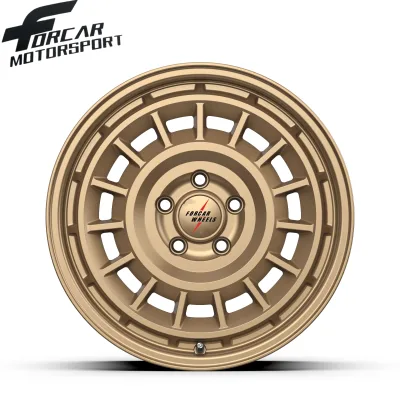
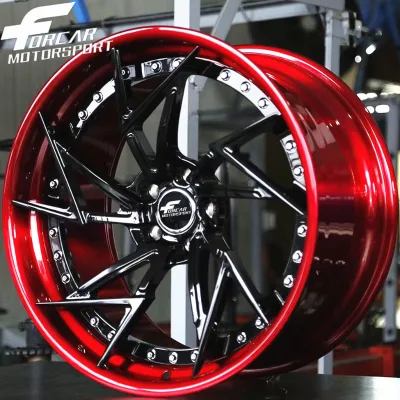


Quality Guarantee 16"-22" Forged Aluminum Alloy Wheel Producer OEM, ODM
$206.00 - $340.00
MOQ: 1 Pieces

High Cost Performance 16"-22" Forged Aluminum Alloy Wheel Producer OEM, ODM
$206.00 - $340.00
MOQ: 1 Pieces


Comprehensive Sourcing Guide
Monoblock Forged Alloy Rims Sourcing Guide
Sourcing Monoblock Forged Alloy Rims requires a disciplined approach that balances performance engineering with commercial viability. These components are distinct from cast alternatives due to their manufacturing process, which involves compressing a single block of aluminum alloy under extreme pressure. This method yields a denser grain structure, resulting in superior strength-to-weight ratios and enhanced durability. Buyers must understand that while the performance benefits are significant, the procurement strategy must account for higher unit costs and specific minimum order quantities (MOQs) that differ from mass-market cast wheel suppliers.
The market landscape for these rims is characterized by a wide variance in specifications, certifications, and finishing options. Suppliers often offer extensive customization services, including OEM and ODM capabilities, allowing buyers to tailor designs to specific vehicle platforms or brand identities. However, this flexibility introduces complexity in verification. Procurement teams must rigorously validate that the supplier’s claimed capabilities align with actual production capacity and quality control standards, ensuring that the final product meets both aesthetic desires and rigorous safety requirements.
Product Scope and Observed Listing Signals
The observed product range indicates a diverse inventory spanning various wheel types, including wheel hubs, rims, and complete wheel assemblies. Listings show a price range from $25 to $699 USD, reflecting the disparity between basic components, such as wheel covers or simple cast rims, and high-end forged monoblock designs. The presence of models like "Forged98501" and "OY0081" suggests that suppliers offer both specialized forged items and replica or cast alternatives. Buyers must carefully distinguish between these categories, as the term "alloy wheel" is often used broadly across listings, potentially masking the difference between a lightweight forged monoblock and a heavier cast unit.
MOQs vary significantly, ranging from as low as 1 unit to 80 units, depending on the product type and customization level. High-volume orders for standard sizes may benefit from lower MOQs, while custom forged designs often require higher commitments to justify the tooling and production setup. The observed data includes specific commodities such as "198 199 208.5 209.5 Alloy Wheels Replica Wheel," indicating that suppliers cater to both performance enthusiasts seeking specific dimensions and general aftermarket markets. Understanding these signals helps buyers align their order volumes with supplier capabilities and avoid unexpected production delays or cost penalties.
Technical Specifications to Verify
Wheel hub diameter is a critical specification, with observed ranges spanning from 16 to 20 inches. Buyers must verify that the selected rim matches the vehicle’s bolt pattern, offset, and center bore precisely. The data indicates support for various drive wheel configurations, including 4WD, FWD, and RWD systems, which influences the load-bearing requirements and structural design of the rim. For monoblock forged rims, the integrity of the single-piece construction is paramount, and buyers should request detailed engineering drawings to confirm that the spoke type, such as equal diameter or variable diameter spokes, meets the intended aesthetic and structural goals.
Material composition is another vital verification point. While listings mention both "Aluminum" and "Alloy" materials, the specific alloy grade, such as A356.2, significantly impacts strength and corrosion resistance. Buyers should confirm whether the rims are forged or cast, as this distinction affects weight and durability. Additionally, finishing processes like black or chrome coatings must be evaluated for longevity and compatibility with the underlying alloy. The observed packing methods, ranging from simple cartons to complex foam and plastic ring systems, also indicate the supplier’s attention to protecting the finish during transit, which is crucial for maintaining quality upon delivery.
Compliance and Safety Documentation
Certification is non-negotiable for automotive wheels, as they are safety-critical components. The observed listings include a variety of certifications, such as ISO, TUV, VIA, CE, and DOT. Buyers must ensure that the specific rims they order carry the relevant certifications for their target market. For instance, DOT certification is essential for the US market, while TUV is critical for European compliance. It is important to note that not all products from a single supplier may hold all listed certifications; buyers must verify that the specific model number, such as "A33" or "Iris202424," is covered by the claimed certification scope.
Beyond certifications, buyers should request test reports that validate the rim’s structural integrity under load, impact, and fatigue conditions. These tests should align with recognized industry standards, such as JWL or VDA, depending on the region. The presence of a "Sample: From Stock Choice" attribute suggests that suppliers may provide pre-production samples for verification. Buyers should utilize this opportunity to physically inspect the sample for finish quality, balance, and fitment before committing to a larger order. This step is crucial for identifying potential discrepancies between marketing claims and actual product quality.
Cost Drivers and Commercial Terms
The cost of Monoblock Forged Alloy Rims is influenced by several factors, including material costs, manufacturing complexity, and finishing requirements. The observed price range of $25 to $699 USD highlights the impact of these variables. Forged rims typically command a premium due to the energy-intensive production process and higher material yield efficiency. Buyers should analyze the cost breakdown to understand how much of the price is attributed to the raw alloy versus the finishing and packaging. Customization options, such as unique spoke designs or specific colors, can further increase costs and should be factored into the budget.
Commercial terms also play a significant role in the total cost of ownership. Listings indicate terms such as FOB, CIF, and CFR, which determine who bears the risk and cost of shipping. Payment terms like TT (Telegraphic Transfer) are common, but buyers should negotiate favorable conditions based on order volume and relationship history. The observed delivery time of 30 days for some products suggests that lead times can be relatively short for standard items, but custom orders may require longer production windows. Buyers should clarify these timelines early in the negotiation process to align with their inventory planning and sales cycles.
Supplier Qualification and Quality Control
Supplier qualification is a multi-step process that begins with verifying the company’s background and production capabilities. The observed origin of Ningbo, China, indicates a hub for automotive parts manufacturing, but buyers must conduct due diligence to ensure the supplier has a proven track record in producing high-quality forged rims. Requesting references from existing clients, particularly those in similar markets, can provide insights into the supplier’s reliability and consistency. Additionally, verifying the supplier’s service capabilities, such as OEM/ODM support, ensures they can meet specific branding and design requirements.
Quality control measures should be embedded in the procurement contract. Buyers should specify inspection criteria, including dimensional accuracy, surface finish, and certification validity. The use of export plain or white cartons, as observed, suggests a standard packing protocol, but buyers may require additional protective measures for high-value forged rims. Implementing a pre-shipment inspection (PSI) is recommended to catch any defects before the goods leave the factory. This step reduces the risk of receiving damaged or non-compliant products, which can lead to costly returns and reputational damage.
Long-Term Procurement Checks
Establishing a long-term procurement strategy requires ongoing monitoring of supplier performance and market trends. Buyers should regularly review supplier quality metrics, such as defect rates and delivery punctuality, to ensure consistent performance. Building a strong relationship with the supplier can lead to better pricing, priority production slots, and access to new designs. Additionally, staying informed about changes in certification requirements and industry standards is crucial for maintaining compliance in target markets. Buyers should proactively engage with suppliers to discuss potential improvements in materials or manufacturing processes that could enhance product value.
Finally, buyers should diversify their supplier base to mitigate risks associated with supply chain disruptions. While the observed data points to specific models and suppliers, relying on a single source can be risky. Developing relationships with multiple qualified suppliers ensures continuity of supply and provides leverage in negotiations. Regularly updating the product portfolio with new designs and sizes can also help buyers stay competitive in the aftermarket. By maintaining a disciplined approach to verification and relationship management, buyers can secure a reliable supply of high-quality Monoblock Forged Alloy Rims that meet their commercial and technical objectives.
FAQs
What certifications do the Monoblock Forged Alloy Rims have?
The rims carry ISO, TUV, VIA, CE, and DOT certifications. These standards ensure safety and quality compliance for international markets, allowing buyers to verify product reliability before placing bulk orders.
Can I get custom designs for these alloy rims?
Customization is available for these Monoblock Forged Alloy Rims. Buyers can request specific finishes like black or chrome, along with tailored spoke types and dimensions ranging from 15 to 20 inches to match vehicle requirements.
What is the minimum order quantity for these rims?
The minimum order quantity varies between 1 and 80 units depending on the specific model. Some stock items allow single-unit purchases, while custom forged models typically require a batch of 80 units for production.
How long does delivery take for these alloy wheels?
Standard delivery time is approximately 30 days for most orders. This lead time applies to both stock choices and customized production runs, ensuring timely shipment from the Ningbo, China facility to global destinations.
Which drive wheel types are compatible with these rims?
These rims support FWD, RWD, and 4WD vehicle configurations. The product range includes models designed for various drive systems, ensuring compatibility with a wide spectrum of automotive platforms and performance requirements.
What packaging options are available for shipping these rims?
Packaging includes cartons, boxes, and protective materials like foam and plastic rings. Export plain cartons or white cartons are used to ensure safe transit, with specific packing methods varying by model and order size.