Source Monochrome Fair Skin Make-up Blusher for Daily Wear, Events, and Photography
Find and compare 30 Monochrome Fair Skin Make-up Blusher options from China suppliers. Evaluate features like waterproof formulas, matte or shimmer finishes, and OEM/ODM customization to find the right fit for your brand.
Key considerations
Products List


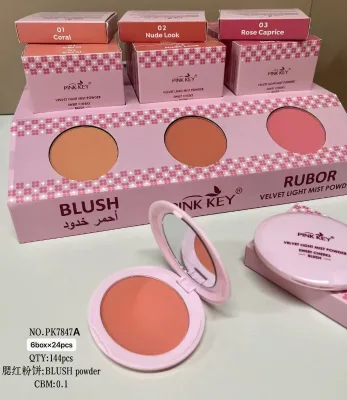
Rich Color Talc-Free Monochrome Make-up Blusher for Birthday Celebrations
$0.41 - $0.58
MOQ: 48 Pieces
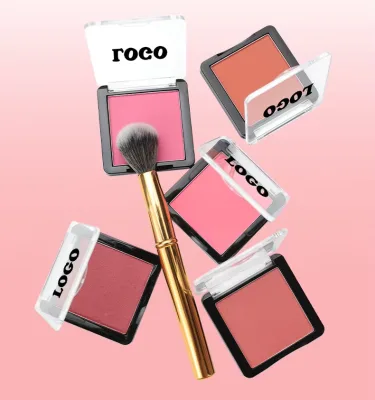


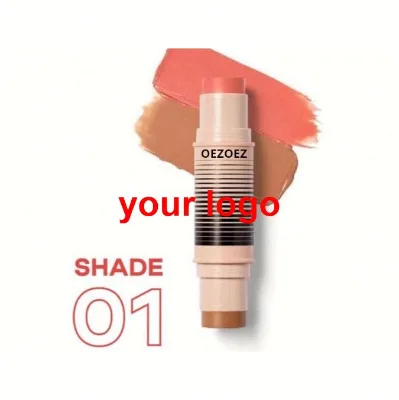
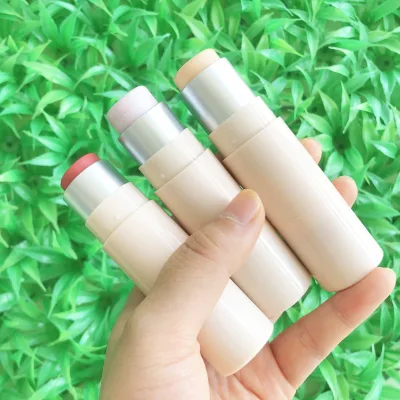
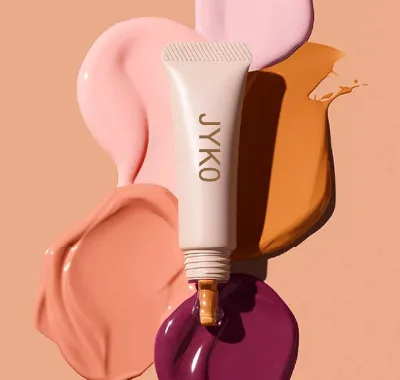




Comprehensive Sourcing Guide
Monochrome Fair Skin Make-up Blusher Sourcing Guide
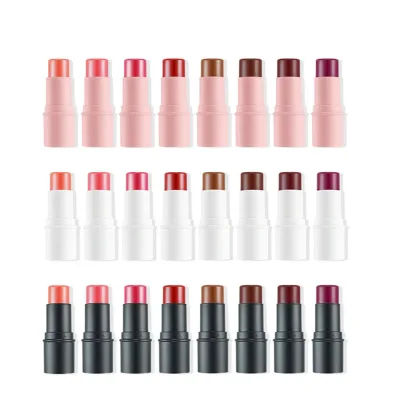
Sourcing monochrome blushers tailored for fair skin tones requires a disciplined approach to color matching, formulation stability, and supplier transparency. The visual appeal of a blush is heavily dependent on its ability to complement the specific undertones of fair complexions, which often range from cool pinkish hues to warm peachy or neutral beige bases. Buyers must prioritize suppliers who offer precise color coding systems, such as the #101 through #106 or #1 through #6 ranges observed in current market listings, to ensure accurate shade selection. This granular approach to color naming helps mitigate the risk of receiving products that appear too dark or ashy on lighter skin, a common pitfall in bulk cosmetic procurement.
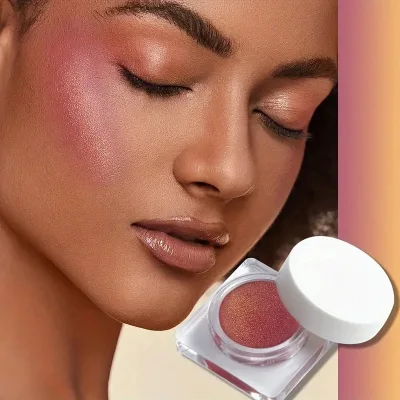
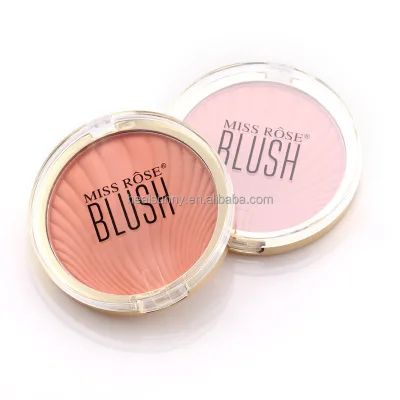
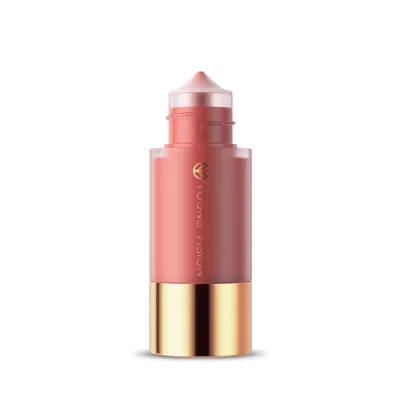
Beyond color accuracy, the physical form of the blush—whether powder, cream, or liquid—plays a critical role in its performance and shelf-life characteristics. The market currently displays a diverse array of forms, including powders with matte or shimmer finishes, creams, and liquids, each offering distinct application benefits. For fair skin, high-pigment formulations are often preferred to achieve visible color payoff without requiring excessive product application, which can lead to a heavy or unnatural look. Procurement teams should evaluate these form factors against their target demographic’s preferences, ensuring that the chosen texture aligns with the desired finish, whether it be natural, matte, or shimmering, while maintaining the integrity of the monochrome aesthetic.
Product Scope and Observed Listing Signals
The current market landscape for monochrome blushers reveals a wide spectrum of product attributes that buyers must navigate carefully. Listings indicate that products are available in various forms, including powder, cream, and liquid, with finishes ranging from matte to shimmer and natural. The core ingredient is often listed as chemical or herbal, with some products highlighting vegan ingredients, which appeals to ethically conscious consumers. Additionally, the products are designed for face makeup, specifically targeting the cheeks, and are marketed with features such as long-lasting wear, high pigment concentration, and waterproof properties. These signals suggest a mature supply chain capable of producing versatile products that cater to different consumer preferences and skin types.
Geographic origins for these products are primarily concentrated in China, with specific mentions of Ningbo and Guangdong as key manufacturing hubs. This regional concentration implies a robust ecosystem for cosmetic manufacturing, offering advantages such as factory-direct pricing and low minimum order quantities (MOQ) for customization. The observed price range for these items is relatively accessible, spanning from $0.41 to $2.80 USD, which allows for flexible budgeting depending on the desired quality level and packaging complexity. Furthermore, the availability of OEM and ODM services indicates that buyers can customize products to their brand specifications, including private labeling and unique packaging designs, which is essential for building a distinct brand identity in the competitive beauty market.
Technical Specifications to Verify
When evaluating technical specifications, buyers must pay close attention to the net weight and packaging dimensions, as these factors directly impact shipping costs and retail presentation. Observed listings show net weights varying significantly, with some products weighing 10g and others as light as 2.5g, reflecting differences in product density and consumer expectations. Packaging sizes also vary, with single package dimensions ranging from 15x12x10 cm to 22x15x15 cm, which suggests that buyers should verify the exact dimensions of their chosen supplier’s packaging to optimize logistics and storage efficiency. Additionally, the gross weight of individual items, ranging from 0.040 kg to 0.500 kg, must be accounted for in freight calculations to avoid unexpected cost overruns.
The model numbers and product codes provided by suppliers, such as T-BS008 or no.56562, serve as critical identifiers for quality control and reordering processes. Buyers should ensure that these codes are clearly documented in their purchase orders and that the supplier can consistently reproduce the exact formulation and finish associated with each code. The self-life of the product is another crucial technical specification, with some listings indicating a shelf life of three years, which provides ample time for distribution and retail sales. However, buyers should verify this claim with the supplier and request batch-specific stability testing data to ensure that the product maintains its color, texture, and safety profile throughout its intended shelf life.
Compliance and Safety Documentation
Compliance with international safety standards is non-negotiable in the cosmetics industry, and buyers must verify that their suppliers possess the necessary certifications to export their products. Observed listings mention certifications such as MSDS, CE, and HALAL, which indicate that the products meet certain safety and quality benchmarks. However, buyers should not assume that these certifications are universally applicable to all products from a given supplier; instead, they should request specific documentation for each product SKU to ensure compliance with the regulatory requirements of their target markets. For instance, exporting to the European Union requires strict adherence to EU cosmetic regulations, while other markets may have different labeling and ingredient restrictions.
In addition to certifications, buyers should conduct thorough due diligence on the ingredient lists to ensure that all components are safe and compliant with local regulations. The presence of vegan or herbal ingredients may be a selling point, but it does not automatically guarantee safety or compliance. Buyers should work with their suppliers to obtain full ingredient disclosures and, if necessary, engage third-party testing laboratories to verify the absence of harmful substances such as heavy metals, parabens, or other restricted chemicals. This proactive approach to safety documentation helps mitigate the risk of product recalls, legal liabilities, and reputational damage in the event of a safety issue.
Cost Drivers and Commercial Terms
Understanding the cost drivers behind monochrome blushers is essential for effective budgeting and pricing strategy. The primary cost drivers include the raw material costs, which vary depending on the type of pigment, binder, and preservative used in the formulation. High-pigment and long-lasting formulas may command a premium due to the specialized ingredients required to achieve these performance characteristics. Additionally, the choice of packaging, whether it be a simple box or a more elaborate container, significantly impacts the overall cost. Buyers should negotiate with suppliers to understand the cost breakdown for each component, allowing them to make informed decisions about where to allocate their budget for maximum impact.
Commercial terms, including minimum order quantities (MOQ) and payment terms, also play a crucial role in the procurement process. Observed listings indicate a wide range of MOQs, from as low as 1 unit to as high as 6000 units, providing flexibility for both small-scale startups and large-scale retailers. Buyers should leverage this flexibility to negotiate favorable terms, such as lower MOQs for initial orders or volume discounts for larger commitments. Furthermore, buyers should clarify the lead times for production and shipping, as delays can impact inventory levels and sales cycles. Establishing clear communication channels with suppliers to monitor production progress and address any potential issues promptly is key to maintaining a smooth supply chain.
Supplier Qualification and Quality Control
Supplier qualification is a critical step in ensuring the reliability and consistency of the monochrome blushers you procure. Buyers should conduct comprehensive audits of potential suppliers, assessing their manufacturing capabilities, quality control processes, and track record in the industry. This includes verifying their ability to handle OEM and ODM requests, as well as their capacity to maintain consistent quality across large production runs. Buyers should also evaluate the supplier’s responsiveness to customer inquiries and their willingness to provide samples for testing, which can provide valuable insights into the product’s quality and performance.
Quality control measures should be integrated into the procurement process from the outset, with clear specifications and acceptance criteria defined in the purchase agreement. Buyers should implement a robust inspection regime, including pre-shipment inspections and random sampling from production batches, to ensure that the products meet the agreed-upon standards. This may involve checking for color consistency, texture uniformity, and packaging integrity, as well as verifying that the products comply with all relevant safety and regulatory requirements. By establishing a strong quality control framework, buyers can minimize the risk of receiving defective or non-compliant products, thereby protecting their brand reputation and customer satisfaction.
Long-Term Procurement Checks
Long-term procurement success depends on the ability to adapt to changing market trends and consumer preferences. Buyers should regularly review their product offerings and gather feedback from customers to identify opportunities for improvement or innovation. This may involve introducing new shades, finishes, or formulations that align with emerging trends in the beauty industry, such as the growing demand for vegan and cruelty-free products. By staying attuned to market dynamics, buyers can ensure that their product portfolio remains relevant and competitive, driving sustained growth and profitability.
Furthermore, buyers should maintain strong relationships with their suppliers, fostering a collaborative partnership that encourages continuous improvement and mutual growth. This includes regular communication, joint planning sessions, and shared goals to enhance product quality and operational efficiency. By investing in these relationships, buyers can secure preferential treatment, such as priority production slots or exclusive access to new product developments, which can provide a significant competitive advantage. Additionally, buyers should periodically reassess their supplier base to ensure that they are working with the most capable and reliable partners, mitigating the risk of supply chain disruptions and ensuring long-term stability.
FAQs
What certifications are available for Monochrome Fair Skin Make-up Blusher?
Certifications such as MSDS, CE, and HALAL are available for these products. Buyers can verify specific compliance documents directly with the supplier before placing orders. These certifications ensure the product meets international safety and quality standards for cosmetic ingredients and manufacturing processes.
Can I customize the packaging for my brand?
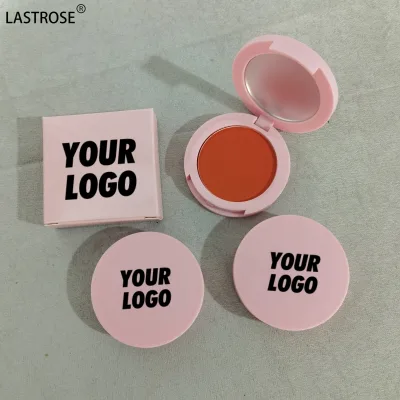
Yes, customization is available for packaging and branding. Suppliers offer OEM and ODM services to create private label products. You can specify box designs and branding elements to match your market requirements, ensuring a unique presentation for your Monochrome Fair Skin Make-up Blusher line.
What is the typical shelf life of this product?
The typical shelf life is three years when stored correctly. This duration applies to the powder, cream, and liquid forms listed. Buyers should check the expiration date on the packaging upon receipt to ensure product freshness and optimal performance for end consumers.
Which skin tones does this blusher suit?
This blusher is suitable for various skin tones, including fair, light, medium, and deep shades. The formulation is designed to provide a natural or shimmering finish that complements different complexions. Buyers can select specific shades to cater to diverse customer demographics effectively.
What finishes are offered for the blush product?
Available finishes include matte, shimmer, and natural looks. These options allow buyers to choose products that match current beauty trends. The finish quality is consistent across the different forms, ensuring a professional application result for users seeking long-lasting and high-pigment makeup solutions.