Source Mono Stringer Stair Kits for Homes, Offices, and Retail
Compare 30 Mono Stringer Stair Kits featuring steel and wood materials with glass or steel railings. These straight and spiral options include customizable treads and stringers for residential or commercial indoor and outdoor applications.
Key considerations
Products List


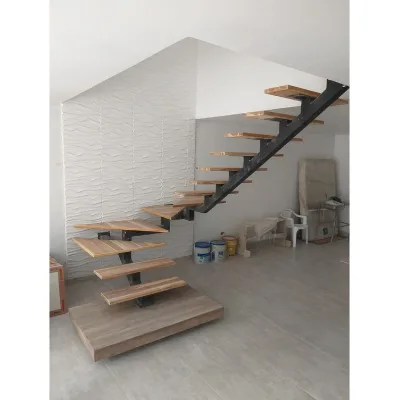
Mono Stair Stringer Interior Stair Rubber Stair Tread with Motion Sensor Stair Lights
$1273.95 - $3056.46
MOQ: 2
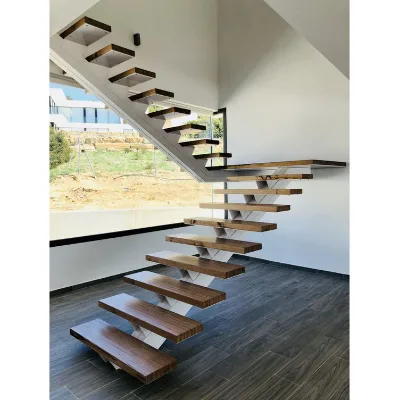
Custom Mono Stair Stringer Interior Stair Without Handrail Design Prefab Stairs
$1269.62 - $3046.06
MOQ: 2
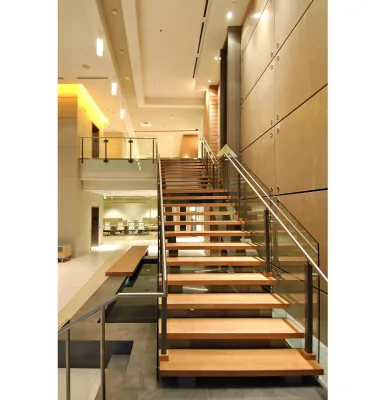
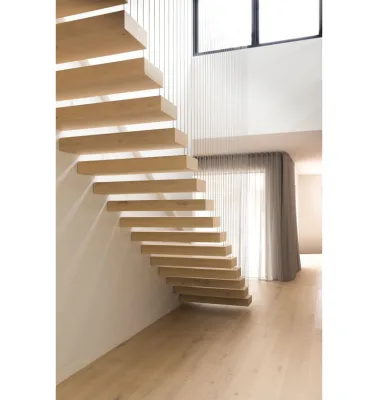
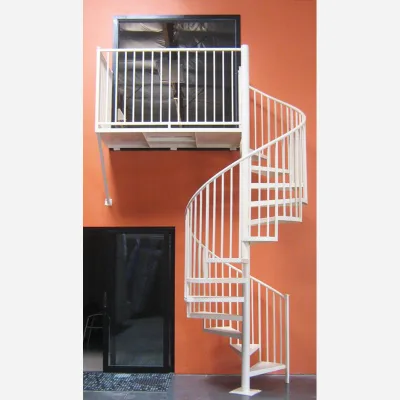
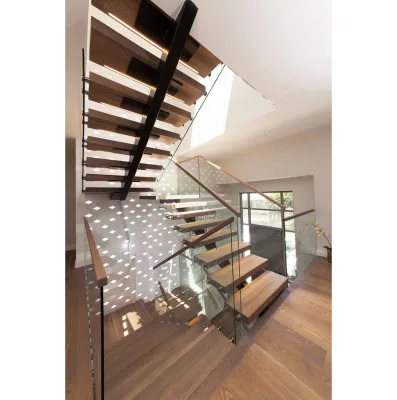
CBMmart Original Factory Mono Stringer Stairs Fast Delivery Wood Stai Stair
$1250.00 - $2999.00
MOQ: 2

Cbmmart Mono Stringer Straight Staircase Steel Stringer Stairs Kits with Glass Railing
$1699.00 - $2999.00
MOQ: 1 Sets

Cbmmart Wooden LED Light Mono Stringer Wrought Iron Design Straight Staircase Kit
$980.00 - $2000.00
MOQ: 2 sets


Cbmmart Customized Design Villa Stair Kit Black Wrought Iron Spiral Staircase
$1250.00 - $1680.00
MOQ: 2 sets
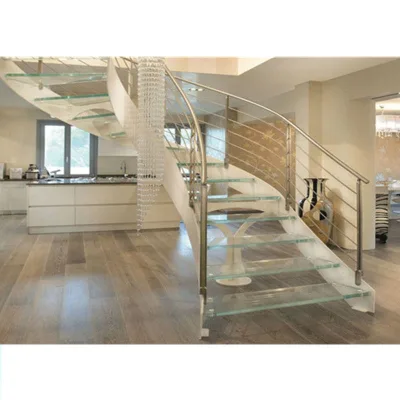
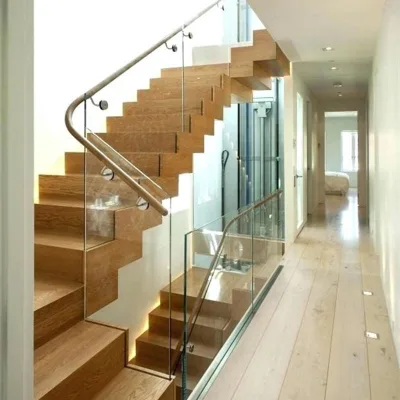
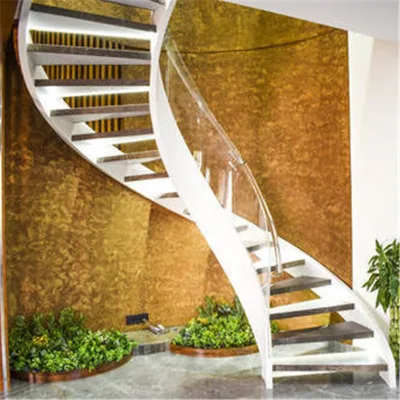

Mono Stringer Stair Kits Portable Wooden Staircase Cable Wire Balustrade
$3409.00 - $6500.00
MOQ: 1 Sets


Wooden Indoor Stair LED Mono Stringer Wrought Iron Floating Staircase Kit
$620.00 - $740.00
MOQ: 9 Pieces


Customize Villa High Standard Straight Staircase Mono Stringer Floating Stairs
$3000.00 - $5000.00
MOQ: 1 Sets


DIY Stainless Steel Wire/Glass Railing Solid Wood Tread Floating Stair
$2900.00 - $3500.00
MOQ: 10 Pieces

Floating Stringer Stair Kits Marble/Wooden Staircase Design Indoor Glass Railing Steps Stair
$59.00 - $99.00
MOQ: 10 Meters
Comprehensive Sourcing Guide
Strategic Sourcing Guide for Mono Stringer Stair Kits
The procurement of Mono Stringer Stair Kits represents a significant investment in both structural integrity and aesthetic design for modern architectural projects. These systems, often characterized by a single central support beam, offer a sleek, floating appearance that has become a hallmark of contemporary interior and exterior design. For buyers operating in the B2B sector, understanding the nuanced technical specifications, material compositions, and supply chain variables is essential to ensuring project success. This guide synthesizes observed market data and technical attributes to provide a disciplined framework for sourcing these specialized stair solutions.
Technical Architecture and Material Composition
The foundational element of a mono stringer stair kit is the stringer itself, which bears the entire load of the staircase. In the current market, the primary structural materials identified are carbon steel and stainless steel. These metals are selected for their high tensile strength and durability. The specific dimensions observed in available models indicate a stringer profile of 300mm by 12mm, a size that suggests robust load-bearing capabilities for both residential and commercial applications. The surface treatment of these steel components is critical for longevity and visual appeal. Buyers should expect to find finishes such as powder coating, satin, or mirror polishing, which serve to protect the steel from corrosion while defining the visual character of the installation.
The treads, or steps, are equally vital to the system's performance. Market observations reveal a diverse range of tread materials, including solid wood, laminated tempered glass, and marble. For wooden treads, oak is a frequently cited material, with a standard thickness of 38mm noted in specific product lines. However, customization is a prevalent feature, allowing buyers to specify alternative wood species or dimensions to match specific design requirements. The riser height, which impacts the ergonomics and safety of the staircase, typically ranges from 150mm to 220mm. This variability allows for adaptation to different building codes and user preferences.
The balustrade system, or railing, completes the safety and aesthetic profile of the stair kit. Options generally include tempered glass balustrades or steel balustrades. The glass used is specifically tempered, ensuring it meets safety standards for impact resistance. In some configurations, the handrail diameter is standardized at 50.8mm, providing a comfortable grip. The combination of these elements—steel stringers, varied treads, and glass or steel railings—creates a versatile product line capable of serving straight stair configurations as well as spiral shapes, depending on the specific model ordered.
Compliance, Safety Standards, and Certification Verification
When sourcing Mono Stringer Stair Kits, verifying compliance with local and international safety standards is non-negotiable. While specific certification labels vary by region and manufacturer, buyers must ensure that the structural components meet rigorous load-bearing requirements. The use of tempered glass for treads and railings implies adherence to safety glazing standards, which dictate the thickness and tempering process required to prevent shattering into dangerous shards.
Buyers should verify that the steel stringers and fasteners are manufactured to recognized engineering standards. The observed production standards are often described as "customized," which implies that the manufacturer tailors the design to meet specific project requirements rather than adhering to a single rigid standard. Consequently, the procurement process must include a request for engineering drawings and load calculation reports from the supplier. These documents should confirm that the 300x12mm stringer dimensions are sufficient for the intended span and load.
Furthermore, the installation process, described as "easy install" in some product listings, must still be executed according to strict safety protocols. The structural connection between the stringer and the floor or wall is a critical failure point. Buyers should require evidence that the anchoring systems provided are suitable for the specific substrate (concrete, wood, or steel) of the installation site. While specific certification names are not universally listed in the provided data, the presence of a 10-year warranty on certain models suggests a high level of confidence in the product's durability and compliance with safety norms.
Cost Drivers and Pricing Dynamics
The pricing of Mono Stringer Stair Kits is influenced by a complex interplay of material costs, customization levels, and manufacturing complexity. The observed price range in the market spans from approximately $59 to $6,500 USD. This wide disparity reflects the difference between basic components, such as individual treads or simple railing sections, and complete, custom-engineered stair systems.
Material selection is a primary cost driver. Stainless steel is generally more expensive than carbon steel due to its superior corrosion resistance and aesthetic finish. Similarly, the choice of tread material significantly impacts the final price. Solid oak treads or marble steps will command a higher price point compared to standard laminated options. The complexity of the design also plays a role; spiral stairs or custom-shaped units require more precise fabrication and assembly time, leading to higher costs.
Customization is another major factor. While many products offer standard configurations, the ability to customize the stringer dimensions, tread materials, and railing styles adds value but also increases the unit price. The production time of 45 days for custom orders indicates a manufacturing process that involves significant labor and precision, which is reflected in the cost structure. Buyers should anticipate that lower-priced options may be limited to standard sizes and materials, whereas higher-priced quotes likely include bespoke engineering and premium finishes.
Typical Applications and Design Versatility
Mono Stringer Stair Kits are designed for a broad spectrum of applications, ranging from residential homes to large-scale commercial buildings. The versatility of the design allows them to be used in various settings, including living rooms, lobbies, and outdoor terraces. The observed usage categories include both indoor and outdoor environments, provided that the materials selected are suitable for the specific exposure conditions. For outdoor applications, the choice of stainless steel and treated wood or glass is crucial to withstand weather elements.
In residential settings, these stairs are often utilized in modern homes where space efficiency and visual openness are priorities. The "floating" aesthetic of a mono stringer design minimizes visual obstruction, making spaces appear larger and more open. In commercial buildings, the durability and safety features of steel and tempered glass make these stairs suitable for high-traffic areas. The design style is typically contemporary, aligning with modern architectural trends that favor clean lines and minimalism.
The application scope also extends to specific project types such as home houses, residential buildings, and commercial structures. The ability to customize the design allows architects and builders to integrate these stairs seamlessly into the overall building plan. Whether the project requires a straight stair configuration or a spiral shape, the modular nature of the kits allows for adaptation to various spatial constraints.
Supplier Evaluation and Quality Assurance
Selecting the right supplier is critical to the success of a stair kit procurement project. Buyers should evaluate suppliers based on their production capabilities, quality control processes, and after-sales support. The observed production time of 45 days suggests that suppliers have established manufacturing workflows, but buyers must confirm that this timeline is realistic for their specific project schedule.
Quality assurance should be a central part of the supplier evaluation. Buyers should request samples or detailed specifications of the materials used, particularly the steel grades and the tempering process for glass components. The presence of a warranty, ranging from 1 year to 10 years depending on the product, is a strong indicator of supplier confidence. A longer warranty period often correlates with higher quality materials and more rigorous manufacturing standards.
After-sales service is another key consideration. Suppliers offering online technical support can be invaluable for resolving installation issues or clarifying design details. The ability to provide graphic design solutions for project planning is also a valuable service, as it helps visualize the final product before fabrication begins. Buyers should verify the supplier's location and logistics capabilities, as the origin of the products (often Guangdong, China) can impact shipping times and costs.
Long-Term Procurement Considerations and Maintenance
Long-term procurement planning involves considering the maintenance requirements and lifecycle of the stair kits. The materials used, such as powder-coated steel and tempered glass, are generally low-maintenance but require periodic inspection to ensure structural integrity. The 10-year warranty on certain models suggests that the products are designed for long-term durability, but regular maintenance is still necessary to preserve their appearance and safety.
Buyers should also consider the scalability of their procurement. If a project involves multiple units or future expansions, establishing a relationship with a supplier that can handle large orders and provide consistent quality is essential. The customization capabilities of the supplier allow for flexibility in future projects, ensuring that the design language remains consistent across different buildings.
Finally, the environmental impact of the materials should be considered. Some products are marketed as eco-friendly, which may be a relevant factor for buyers with sustainability goals. The use of durable materials that reduce the need for frequent replacement aligns with sustainable procurement practices. By focusing on quality, durability, and supplier reliability, buyers can ensure that their investment in Mono Stringer Stair Kits delivers value over the long term.
Comparative Analysis of Key Product Attributes
To assist buyers in making informed decisions, the following table summarizes the key attributes observed in the market for Mono Stringer Stair Kits. This comparison highlights the variability in materials, dimensions, and features that buyers should consider during the sourcing process.
| Attribute Category | Common Options Observed | Key Considerations for Buyers |
|---|---|---|
| Stringer Material | Carbon Steel, Stainless Steel | Verify corrosion resistance for outdoor use; check thickness (e.g., 300x12mm). |
| Tread Material | Solid Wood (Oak), Laminated Glass, Marble | Assess load capacity and slip resistance; confirm thickness (e.g., 38mm). |
| Riser Height | 150mm - 220mm | Ensure compliance with local building codes and ergonomic standards. |
| Balustrade Type | Tempered Glass, Steel | Verify safety glazing standards; check mounting hardware quality. |
| Surface Finish | Powder Coated, Satin, Mirror | Evaluate aesthetic match and maintenance requirements. |
| Warranty Period | 1 Year to 10 Years | Longer warranties often indicate higher quality and durability. |
| Production Time | Approx. 45 Days | Plan lead times carefully for project scheduling. |
| Packaging | Plywood Carton | Ensure robust packaging to prevent damage during transit. |
This table serves as a quick reference for buyers to compare different product offerings and identify the specifications that best align with their project requirements. By systematically evaluating these attributes, buyers can navigate the complex market of Mono Stringer Stair Kits with confidence and precision.
FAQs
What materials are used for the stringer in these stair kits?
The stringer is constructed from carbon steel or stainless steel to ensure structural integrity. These metals are available with powder-coated, satin, or mirror finishes to protect against corrosion and match design aesthetics.
Can the stair steps be customized to specific dimensions?
Yes, customization is available for stair steps including solid wood, laminated tempered glass, or marble options. Buyers can specify tread thickness like 38mm oak or adjust riser heights within the 150-220mm range to meet project needs.
How long does production take for a custom order?
Production time is typically 45 days for custom orders requiring specific engineering and fabrication. This timeline accounts for the manufacturing complexity of steel stringers and the selection of varied tread materials like wood or glass.
What warranty coverage is provided for the staircase system?
Warranty periods vary by product model, with some options offering up to 10 years of coverage. Shorter warranties of 1 year may apply to specific components, so buyers should verify the terms for their selected configuration.
Which railing options are available for the balustrade system?
Buyers can choose between tempered glass balustrades or steel balustrades to complete the safety and aesthetic profile. Handrail options may include a standard diameter of 50.8mm, ensuring a comfortable grip for users.
Are these stair kits suitable for outdoor installation?
Yes, the kits are designed for both indoor and outdoor usage depending on the material selection. Stainless steel and treated materials are recommended for outdoor environments to withstand weather elements while maintaining durability.
What is the typical price range for these stair kits?
The observed price range spans from approximately 59 to 6500 USD depending on the configuration. Costs vary based on material choices like stainless steel versus carbon steel and the level of customization required for the project.