Source Motorcycle Fuel Injector for Scooters, ATVs, and Bikes
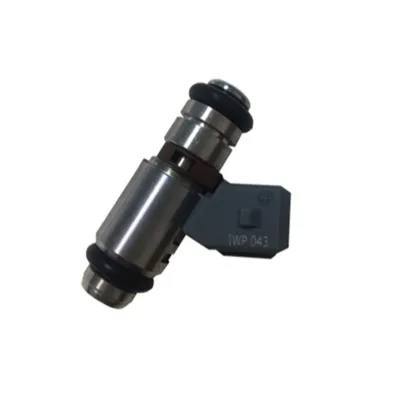
Find 30 verified motorcycle fuel injector options from Chinese manufacturers. Buyers can compare specifications like stroke type, fuel type, and OE numbers to select the right part for Honda, Yamaha, or general engine applications; compare the available evidence and request quotations based on your requirements.
Key considerations
Products List




Comprehensive Sourcing Guide
Motorcycle Fuel Injector Sourcing Guide
Sourcing motorcycle fuel injectors requires careful attention to specific engine compatibility and performance metrics found in supplier listings. Buyers must verify that the listed part numbers, such as CRP3201 or 16450-Mfe-641, align precisely with their vehicle make, including models for Honda and Yamaha. The observed market data indicates a wide range of applications, from 125cc to 450cc engines, necessitating a strict review of the engine code and cylinder configuration before placing any order.
Procurement decisions should also account for the physical attributes and packaging standards observed in current listings. Products are frequently described as brand new with black finishes, often packed in individual color boxes or bulk cartons depending on the supplier. It is critical to confirm whether the item condition matches the requirement for immediate installation and to ensure that the packing method protects the sensitive electronic components during transit from origins like Wenzhou, China.
Product Scope and Observed Listing Signals
The current market for motorcycle fuel injectors displays significant variation in model identifiers and functional specifications. Listings frequently cite specific models like MIS-001, MIS-002, and CFI-76100, each potentially serving different engine architectures. Buyers should treat these model numbers as distinct identifiers rather than interchangeable terms, ensuring that the selected unit matches the exact fuel system requirements of the target motorcycle, particularly regarding the number of spray holes and fuel flow rates.
Observations of product attributes reveal diverse configurations, including multi-cylinder setups and specific carburettor types like downdraft variants. The fuel type is often listed as gasoline or ethanol, which dictates the material compatibility and electronic control requirements of the injector. Sourcing strategies must prioritize verifying these fuel types against the vehicle's original specifications to prevent performance issues, as the observed range of flow rates from 30 to 250 G/Min suggests a need for precise matching to engine displacement.
Technical Specifications to Verify
Technical verification begins with confirming the engine displacement and cylinder count, as the observed data highlights a range from 50cc to 450cc with specific mentions of 125cc units. Buyers must ensure the injector's stroke type, typically four-stroke in these listings, matches the engine cycle of the motorcycle. Additionally, the placement on the vehicle, often noted as front placement, must be validated against the physical layout of the engine bay to guarantee proper fitment and operational efficiency.
Electrical and mechanical specifications are equally critical, with a focus on the OE number and part number alignment. The observed listings include specific identifiers like 2pH-E3761-00 and Iwp182, which serve as unique fingerprints for compatibility. Procurement teams should cross-reference these numbers with the vehicle manufacturer's database to avoid mismatches. Furthermore, verifying the fuel saver type, such as electronic variants, ensures the injector integrates correctly with the motorcycle's existing electronic control systems.
Compliance and Safety Documentation
Compliance verification is essential when sourcing automotive components, and the observed listings frequently reference ISO 9001:2000 and ISO/TS 16949 certifications. These standards indicate a supplier's adherence to quality management systems, which is crucial for maintaining the reliability of fuel injection systems. Buyers should request current certification documents to confirm that the manufacturing facility maintains these standards, as they are often cited as prerequisites for high-quality aftermarket parts.
Safety and material compliance also extend to the environmental standards applied during production. Some listings explicitly mention environmental-friendly materials, which aligns with modern regulatory requirements for automotive parts. It is important to verify that the product meets local emission standards, particularly since the fuel type may vary between gasoline and ethanol. Ensuring that the supplier can provide documentation for these material claims helps mitigate the risk of non-compliance in the destination market.
Cost Drivers and Commercial Terms
Cost structures for motorcycle fuel injectors are influenced by the complexity of the electronic components and the specific customization options available. The observed price range spans from $0.60 to $1000, reflecting the difference between basic mechanical units and advanced electronic injectors with integrated fuel-saving technology. Buyers must analyze the total cost of ownership, including the potential need for specialized tools or calibration equipment, rather than focusing solely on the unit price.
Commercial terms such as payment methods and minimum order quantities (MOQ) vary significantly across suppliers. The data shows MOQs ranging from 1 to 300 units, with payment options including T/T, Western Union, and credit cards. Procurement strategies should balance the need for sample testing, which is often available, against the financial commitment required for bulk orders. Understanding these terms helps in negotiating favorable conditions that align with the buyer's cash flow and inventory management needs.
Supplier Qualification and Quality Control
Supplier qualification relies heavily on the ability to provide samples for testing and the transparency of their quality control processes. The observed listings indicate that samples can be provided, allowing buyers to physically inspect the item condition and verify the part number accuracy before committing to a larger order. This step is vital for confirming that the product matches the described specifications, such as the color, packing type, and overall build quality.
Quality control also involves assessing the supplier's location and logistical capabilities. Many suppliers originate from Wenzhou, China, a known hub for automotive parts manufacturing. Buyers should evaluate the supplier's track record for consistency and their ability to maintain the standard packing methods observed, such as one fuel pump per box or bulk carton packing. Ensuring that the supplier can consistently deliver high-quality, brand-new items is essential for maintaining the reliability of the motorcycle fleet.
Long-Term Procurement Checks
Long-term procurement success depends on establishing a reliable warranty framework and consistent supply chain performance. The observed listings often include a one-year warranty, which serves as a baseline for supplier accountability. Buyers should negotiate terms that extend beyond this standard period if possible, ensuring that any defects in materials or workmanship are addressed promptly without disrupting operations.
Continuous monitoring of product performance and supplier responsiveness is necessary to maintain high standards over time. Buyers should track the performance of injectors in the field, noting any deviations from the expected specifications like the 125cc or 450cc engine ranges. Regular audits of the supplier's adherence to ISO standards and their ability to provide updated part numbers will help sustain a robust and efficient supply chain for motorcycle fuel injection systems.
FAQs
What certifications do motorcycle fuel injectors typically have?
Most motorcycle fuel injectors carry ISO 9001:2000 and ISO/TS 16949 certifications. Some products also display CE marks. These standards ensure quality management and automotive industry compliance. Buyers should verify specific certificates for each supplier to confirm manufacturing consistency and product reliability for international trade requirements.
Can I get samples for testing before bulk orders?
Yes, suppliers often provide samples for testing purposes. This allows buyers to verify product quality and compatibility before committing to large purchases. Samples help ensure the fuel injector meets specific engine requirements. Buyers should confirm sample availability and costs with the supplier directly to facilitate informed procurement decisions.
Which motorcycle brands are compatible with these injectors?
These injectors are compatible with major brands like Honda and Yamaha. Specific part numbers indicate precise fitment for various engine models. Buyers must match the OE number or part number to their vehicle. Compatibility varies by engine code and displacement, so verifying the exact application is essential for proper installation and performance.
What is the typical warranty period for fuel injectors?
A standard warranty period is usually one year. This covers manufacturing defects and ensures product reliability during initial use. Buyers should review warranty terms carefully, as conditions may vary by supplier. A clear warranty policy provides assurance of quality and support for after-sales service needs in the automotive parts market.
How are motorcycle fuel injectors packaged for shipping?
Packaging options include color boxes, bulk packing, or carton packing. Some suppliers use individual boxes for each fuel pump or injector. Standard packing ensures safe transit and protection from damage. Buyers should specify packaging preferences to meet their logistical needs and ensure products arrive in optimal condition for resale or installation.
What payment methods are accepted for these orders?
Common payment methods include T/T, Western Union, PayPal, and credit cards. These options provide flexibility for international transactions. Buyers should confirm accepted methods with the supplier to ensure secure and convenient payment processing. Flexible payment terms can facilitate smoother trade relationships and streamline the procurement process for bulk orders.