Source Motorcycle Led Tail Light for Repair, Replacement, and Upgrades
Find 30 motorcycle led tail light options from verified Chinese suppliers. Compare 12V LED models made of ABS or PVC plastic, featuring CE and ISO9001 certifications. Evaluate specifications like voltage, material, and warranty to select the right rear lighting for your needs.
Key considerations
Products List
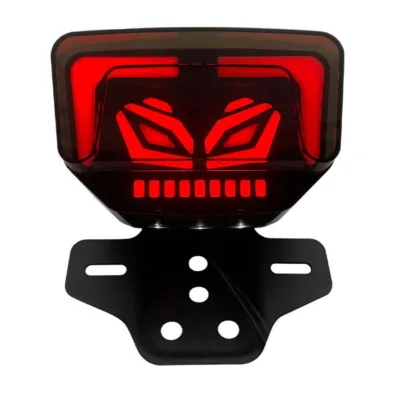
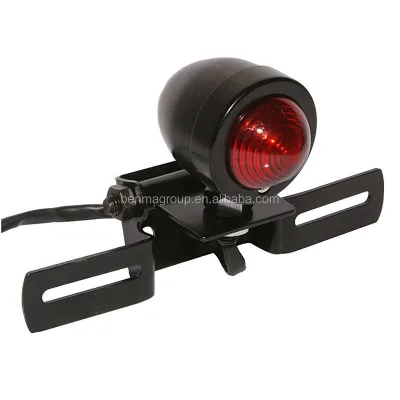


Comprehensive Sourcing Guide
Motorcycle Led Tail Light Sourcing Guide
Procuring motorcycle LED tail lights requires careful attention to the specific electrical and mechanical requirements of the target vehicle fleet. The observed market data indicates a diverse range of options, with voltage specifications varying between 12V and a broader 12-24V range to accommodate different motorcycle architectures. Buyers must verify that the selected unit matches the vehicle's electrical system to prevent premature failure or incompatibility issues during installation.
Material composition is another critical factor, as listings show variations between PVC plastic and ABS materials, each offering distinct durability profiles. While some units are designed for general replacement, others may feature specific customization options or unique packaging requirements like neutral bags or branded color boxes. Understanding these material differences helps procurement teams select components that balance cost efficiency with the necessary longevity for the intended application environment.
Product Scope and Observed Listing Signals
The product scope for motorcycle LED tail lights encompasses a variety of functional types, including dedicated tail lights, turn signals, and brake lamps, often integrated into a single assembly. Listings frequently specify a single lens configuration, which simplifies the optical design but requires precise alignment to meet safety standards. The condition is consistently noted as new, ensuring that buyers receive factory-fresh components ready for immediate installation without the risks associated with refurbished or used parts.
Market signals reveal that these components are often sourced from manufacturing hubs in Chongqing and Ningbo, China, indicating a concentrated supply chain for this specific category. The observed selling units are typically single items, yet bulk purchasing is facilitated through specific MOQs that can range from 200 to 500 units depending on the supplier. This variability suggests that buyers should negotiate based on their specific volume needs rather than assuming a uniform minimum order threshold across all potential vendors.
Technical Specifications to Verify
Voltage compatibility is the most critical technical parameter, as the supply chain presents both 12V and 12-24V options that must align with the motorcycle's battery system. Incorrect voltage matching can lead to immediate burnout or insufficient brightness, making it essential to cross-reference the product's rated voltage with the vehicle's electrical schematic before placing an order. Additionally, the power consumption is noted in specific instances as 48W, a figure that buyers should verify against their system's capacity to avoid overloading the electrical circuit.
Physical attributes such as weight and dimensions also play a significant role in the selection process, with some listings indicating a weight of 10kg for specific packaging configurations. The model numbers provided, such as 2043156 and 2520161A, serve as unique identifiers that help distinguish between different design iterations and lens configurations. Buyers should ensure that the physical dimensions and mounting points of the selected model match the existing fixtures on the motorcycle to guarantee a seamless fit without requiring extensive modification.
Compliance and Safety Documentation
Certification status is a primary indicator of product reliability, with many listings explicitly stating compliance with CE and ISO9001 standards. These certifications suggest that the manufacturing processes adhere to international quality management systems and that the products meet specific safety requirements for electrical components. However, the documentation often includes specific qualifiers, such as "Commutation: Brush" or "Material: Plastic," which buyers must scrutinize to ensure the certification applies to the specific variant being purchased.
Safety verification extends beyond simple certification labels to include the actual quality grading of the components, which ranges from "a" to "a/B" in observed listings. This variation implies that not all products within the same category meet the same rigorous quality thresholds, necessitating a request for detailed quality reports or test data from the supplier. Buyers should prioritize suppliers who can provide clear evidence of their quality control processes to mitigate the risk of receiving substandard lighting units that could compromise rider safety.
Cost Drivers and Commercial Terms
Pricing in this market segment is highly variable, with observed ranges spanning from $0.50 to $60 per unit, driven by differences in material quality, brand reputation, and order volume. The wide price disparity suggests that buyers should not rely on a single price point but rather evaluate the total cost of ownership, including potential shipping costs and the impact of the MOQ on unit economics. Understanding these cost drivers allows procurement teams to negotiate more effectively and identify suppliers who offer the best value for their specific volume requirements.
Commercial terms are further influenced by the packaging and shipping specifications, which can vary from standard cartons to custom designs like "Jalyn Design Color Box." The carton size of 6435.524cm and the capacity of 20 sets per carton are critical factors for logistics planning and freight cost estimation. Buyers must account for these packaging details when calculating the landed cost, as inefficient packing can significantly increase shipping expenses and reduce the overall profitability of the procurement project.
Supplier Qualification and Quality Control
Supplier qualification should focus on verifying the origin of the products, as listings indicate manufacturing locations in Chongqing, Ningbo, and Zhejiang, China. These regions are known for their specialized manufacturing capabilities, but buyers must confirm that the specific factory meets their quality expectations through on-site audits or third-party inspections. The presence of a one-year warranty on many units provides a baseline level of assurance, but it is essential to understand the terms and conditions of this warranty to ensure it covers the specific failure modes relevant to the application.
Quality control processes are often reflected in the product standards, which are described as "Standard" or "A-class" in various listings. These designations should be treated as internal supplier classifications rather than universal industry benchmarks, requiring buyers to request detailed quality assurance protocols. Establishing a clear communication channel for quality feedback and ensuring that the supplier has a robust mechanism for handling defects is crucial for maintaining consistent product quality over the long term.
Long-Term Procurement Checks
Sustaining a successful procurement relationship requires regular monitoring of product consistency and the ability to adapt to changing market demands. The availability of customization options suggests that suppliers can tailor products to specific needs, but buyers must establish clear specifications for these customizations to avoid misunderstandings or quality deviations. Regularly reviewing the product model numbers and ensuring that the latest versions meet current safety and performance standards is essential for maintaining a competitive edge in the market.
Long-term checks should also include an assessment of the supplier's ability to maintain consistent lead times and inventory levels, as the observed data shows a wide range of MOQs and selling units. Buyers should develop contingency plans for supply chain disruptions and maintain open dialogue with suppliers regarding their production capacity and potential bottlenecks. By proactively managing these relationships and continuously evaluating supplier performance, procurement teams can ensure a stable and reliable supply of high-quality motorcycle LED tail lights.
FAQs
What is the voltage rating for this motorcycle tail light?
The voltage rating is 12-24V, ensuring compatibility with most standard motorcycle electrical systems. This range supports reliable operation across various vehicle types. The product is designed for replacement or repair purposes, making it a versatile upgrade option for riders seeking stable lighting performance without complex wiring adjustments.
Which material is used for the lens and housing?
The lens is made from PVC plastic, while the housing utilizes ABS material for durability. This combination provides resistance to impact and weather conditions. The single lens design ensures focused light output, enhancing visibility for rear traffic. These materials are selected to balance cost-effectiveness with long-term structural integrity for outdoor use.
Can I customize the packaging for bulk orders?
Yes, customization is available for packaging requirements. Buyers can request specific packing methods, such as neutral packages, OPP bags, or custom color boxes. This flexibility supports diverse distribution needs and branding strategies. The standard carton size is 64*35.5*24cm, containing 20 sets, but adjustments can be made to suit specific logistical preferences.
What certifications does this motorcycle lighting system hold?
The product holds CE and ISO9001 certifications, indicating compliance with international quality and safety standards. These credentials assure buyers of consistent manufacturing processes and product reliability. The certifications cover various aspects of production, from material selection to final assembly, providing confidence in the product's suitability for global markets and regulatory requirements.
What is the minimum order quantity for this item?
The minimum order quantity is 500 pieces, though some listings indicate a lower threshold of 200 units. This flexibility allows buyers to test market demand before committing to larger volumes. The pricing range varies from 0.5 to 60 USD, depending on order size and customization needs. Bulk purchases often benefit from more competitive pricing structures.
Where is this motorcycle tail light manufactured?
The product originates from Chongqing and Ningbo, Zhejiang, China. These locations are known for robust manufacturing capabilities in automotive lighting components. The dual origin options may reflect different production lines or supplier networks. Buyers can expect consistent quality standards across these regions, supported by established supply chains and logistical infrastructure for international shipping.
What warranty is provided for this LED tail light?
A one-year warranty is provided for this LED tail light, covering manufacturing defects and functional failures. This warranty period allows buyers to assess long-term reliability. The product is classified as new condition, ensuring it meets current quality benchmarks. Support for claims typically requires proof of purchase and adherence to installation guidelines to maintain validity.