Source Motorcycle Rear Shock Absorber for Bikes, Scooters, ATVs
Explore 30 verified listings for Motorcycle Rear Shock Absorber components. Compare hydraulic dampers, coil spring types, and OEM customization options from Chinese manufacturers to find suitable replacement parts for various vehicle models; compare the available evidence and request quotations based on your requirements.
Key considerations
Products List


Motorcycle Spare Parts Motor Damper Motorcycle Rear Shock Absorber 279mm
$5.00 - $20.00
MOQ: 100 Pieces


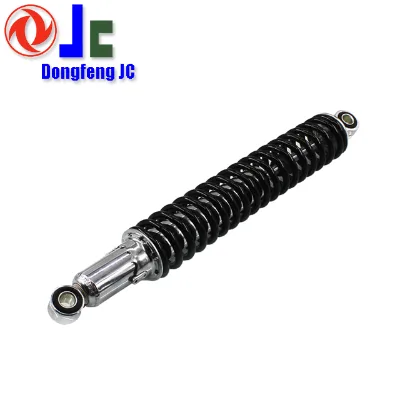


Comprehensive Sourcing Guide
Motorcycle Rear Shock Absorber Sourcing Guide
Sourcing motorcycle rear shock absorbers requires a precise understanding of component variations, as the market offers diverse configurations tailored to specific vehicle architectures. Buyers must distinguish between hydraulic dampers, coil spring units, and telescopic designs, noting that observed listings frequently highlight double-cylinder structures and rubber-steel composite materials. The visual spectrum ranges from standard silver and black finishes to custom color requests, indicating that aesthetic customization is a viable option for branding or fleet uniformity. Understanding these physical distinctions is the first step in aligning supplier capabilities with your specific mechanical requirements.
Commercial signals suggest a broad availability of stock, with minimum order quantities ranging from single units to five hundred pieces, allowing for both prototyping and large-scale production runs. Suppliers often emphasize their ability to handle OEM services and provide samples, which facilitates initial quality assessment before committing to bulk purchases. Payment flexibility is common, with options including telegraphic transfers and digital wallets, while supply abilities can reach hundreds of thousands of sets per month. This commercial flexibility supports agile procurement strategies, enabling buyers to scale orders in response to fluctuating demand without excessive inventory risk.
Product Scope and Observed Listing Signals
The product scope encompasses a wide array of rear suspension components, including dedicated rubber shock absorber dampers and general shock absorber parts. Listings frequently identify these items as replacements or repairs for existing motorcycle systems, emphasizing their role in maintaining ride comfort and handling stability. The observed material composition often combines steel springs with rubber buffers, designed to absorb impact and reduce vibration transmission to the chassis. Buyers should note that some products are explicitly labeled as hydraulic types, while others may utilize different damping mechanisms, requiring careful verification of the working substance and structure.
Observed specifications reveal significant variation in packaging and logistics, with some items shipped in standard carton boxes and others in palletized or wooden case configurations. Single gross weights vary considerably, ranging from lightweight units around two kilograms to heavier assemblies exceeding fifteen kilograms, which directly impacts shipping costs and handling requirements. The origin of these components is predominantly China, with specific manufacturing hubs noted in regions like Zhejiang and Ningbo. This geographic concentration suggests a mature supply chain ecosystem, though buyers should verify the exact production location to ensure alignment with their logistical preferences and tariff considerations.
Technical Specifications to Verify
Technical verification must begin with the spring type and load-adjusting method, as these factors dictate the shock absorber’s performance characteristics. Most observed units utilize coil springs with initial pressure regulating types, allowing for fine-tuning of ride height and stiffness to match rider weight and cargo loads. Buyers should confirm whether the structure is a double-cylinder design or a telescopic-tube front fork variant, as the latter is typically intended for front suspension applications and may be mislabeled in some listings. Ensuring the correct structural classification is critical to avoid installation failures and compromised safety performance on the motorcycle.
The working position and condition of the shock absorber are also essential technical parameters to validate. Most suppliers offer new condition products with regular working positions, but buyers must verify compatibility with their specific motorcycle model, as some listings indicate models are customized according to different bike specifications. The presence of OEM acceptance signals that manufacturers can produce parts to exact engineering drawings, which is vital for maintaining original equipment performance. Additionally, verifying the single package dimensions helps in planning warehouse storage and optimizing container loading efficiency for international shipments.
Compliance and Safety Documentation
Compliance documentation is a cornerstone of reliable procurement, with many suppliers citing adherence to ISO9001 and CCC certifications. These standards indicate a baseline level of quality management and product safety, though buyers should request current certificates to verify their validity and scope. Some listings also mention quality control processes conducted under ISO9001 and TS16949:2002, which are particularly relevant for automotive and motorcycle components. Understanding the specific standards applied to the manufacturing process helps buyers assess the consistency and reliability of the production line, reducing the risk of receiving substandard parts.
Safety and performance claims should be treated as observations rather than guaranteed outcomes, as test results are not explicitly provided in the observed data. Buyers must ensure that the shock absorbers meet the regulatory requirements of their target market, which may include additional testing for durability, leak resistance, and load capacity. The customization standard noted in some listings suggests that suppliers can adapt to specific regulatory needs, but this requires clear communication of technical requirements upfront. Verifying that the product’s working substance and hydraulic damping meet industry norms is essential for ensuring long-term reliability and rider safety.
Cost Drivers and Commercial Terms
Cost drivers for motorcycle rear shock absorbers include material composition, customization complexity, and packaging requirements. Units made from rubber, steel, and aluminum composites may carry different price points compared to simpler metal or iron constructions. The availability of customization services, such as specific colors or model-specific adaptations, can influence the final unit cost, especially for smaller order volumes. Buyers should also consider the impact of packaging, as heavier or bulkier packaging options like wooden cases or pallets can increase freight costs and handling fees.
Commercial terms vary widely, with minimum order quantities starting as low as one piece for samples and scaling up to five hundred for standard orders. Payment terms typically include telegraphic transfers and various digital payment methods, offering flexibility for different transaction sizes. Supply abilities are substantial, with some suppliers capable of producing hundreds of thousands of sets per month, which supports large-scale procurement needs. Buyers should negotiate clear terms regarding sample availability and costs, as well as lead times for bulk production, to ensure that their supply chain remains responsive and cost-effective.
Supplier Qualification and Quality Control
Supplier qualification should focus on verifying their manufacturing capabilities and quality control processes. Buyers must confirm that the supplier has a robust quality management system in place, as indicated by their stated adherence to ISO9001 and related standards. It is advisable to request detailed information about their inspection procedures, including how they handle defects and ensure consistency across production batches. Suppliers that accept OEM services often have more advanced engineering capabilities, which can be a positive indicator of their technical proficiency and attention to detail.
Quality control checks should extend beyond documentation to include physical verification of incoming goods. Buyers should establish clear acceptance criteria for dimensions, material integrity, and functional performance, such as the smoothness of hydraulic damping and the stability of spring pressure. Given the variation in single gross weights and package sizes, logistics handling should also be part of the quality assessment to prevent damage during transit. Regular audits or third-party inspections can provide additional assurance of supplier reliability, ensuring that the shock absorbers meet the required specifications and performance standards consistently.
Long-Term Procurement Checks
Long-term procurement success depends on establishing a continuous feedback loop with suppliers to monitor performance and address issues proactively. Buyers should track key metrics such as defect rates, delivery timeliness, and responsiveness to technical queries to evaluate supplier reliability over time. Regular communication regarding market trends and technological advancements can help buyers stay informed about potential improvements in shock absorber design and materials. This ongoing engagement fosters a collaborative relationship, enabling both parties to adapt to changing requirements and maintain a competitive edge in the market.
Sustainability and ethical sourcing practices are increasingly important considerations for long-term procurement strategies. Buyers should inquire about the environmental impact of material sourcing and manufacturing processes, particularly regarding the use of steel, rubber, and aluminum. Verifying that suppliers adhere to responsible labor practices and environmental regulations can mitigate reputational risks and align with corporate social responsibility goals. By integrating these checks into their procurement process, buyers can build a resilient and ethical supply chain that supports both operational efficiency and broader strategic objectives.
FAQs
What materials are used in motorcycle rear shock absorbers?
Motorcycle rear shock absorbers typically utilize a combination of steel, rubber, and aluminum to ensure durability and effective damping. The spring material is often steel, while the body may include metal or rubber components. Some models feature a double-cylinder structure with hydraulic damping, providing reliable performance for various motorcycle applications and repair needs.
Can I customize the color of the shock absorber?
Yes, customization is available for motorcycle rear shock absorbers. Buyers can request specific colors such as silver or black, or other custom options to match their motorcycle's aesthetic. This flexibility allows for personalized appearances while maintaining the functional integrity of the hydraulic damping system and structural components required for safe riding.
What is the typical MOQ for ordering these parts?
The minimum order quantity for motorcycle rear shock absorbers generally starts at 100 pieces, though some suppliers may accept orders as low as one unit. Bulk orders can reach up to 500 pieces or more depending on the manufacturer's capacity. This range accommodates both small repair shops and large-scale distribution needs for replacement parts.
How is the quality of these shock absorbers controlled?
Quality control for these shock absorbers is conducted under ISO9001 and TS16949:2002 standards. Manufacturers ensure that each unit meets strict specifications for hydraulic damping and structural integrity. This rigorous process guarantees that the products, whether for front forks or rear dampers, perform reliably and safely in various motorcycle applications and repair scenarios.
What packaging is used for shipping these shock absorbers?
Motorcycle rear shock absorbers are typically packed in standard carton boxes or wooden cases for protection during transit. Some suppliers use pallets for larger shipments. The packaging is designed to prevent damage to the hydraulic components and springs, ensuring that the products arrive in new condition ready for installation or resale in the global market.