Source Urban Commuting Gasoline Motorcycle for Daily Travel
Explore 30 listings for Urban Commuting Gasoline Motorcycle options tailored for city riders. Compare features like 4-stroke engines, disc brakes, and EFI systems to find the right fit for your business needs; compare the available evidence and request quotations based on your requirements.
Key considerations
Products List

OEM Commuting Motorcycle with High Performance Engine for Urban Adventures
$428.00 - $1000.00
MOQ: 1 Pieces
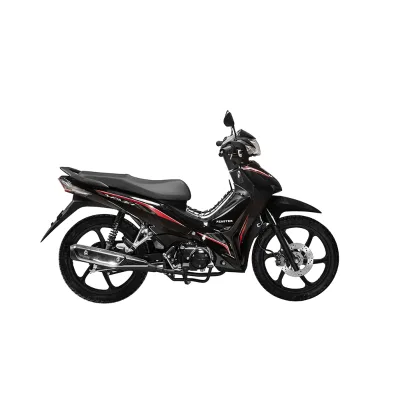

Fuel Efficient Air Cooled Motorcycle for Urban Commuting and Off Road Adventure
$1000.00 - $1150.00
MOQ: 10 Pieces


250cc Motorcycle For Commuting With Optional Luggage Cases And Powerful Engine
$1071.00 - $1200.00
MOQ: 10 Pieces


150cc Gasoline Motorcycle City Commuter Pedal Two-Wheeled Motorcycle 125cc Scooter
$500.00 - $530.00
MOQ: 24 Boxes


Multifunctional Gasoline Motorcycle with a High-Performance, Waterproof Engine.
$500.00 - $530.00
MOQ: 24 Boxes

Multifunctional Gasoline Motorcycle, Waterproof and Designed for Durable Riding.
$500.00 - $530.00
MOQ: 24 Boxes

a Durable and Efficient Gasoline Motorcycle with a Unique, High-Performance Character.
$500.00 - $530.00
MOQ: 24 Boxes

Waterproof and Versatile Motorcycle, Gasoline Powered with a Unique Special Look.
$500.00 - $530.00
MOQ: 24 Boxes


180cc Motorcycle, a Cool Sporty Two-Wheeler Suitable for Urban Commuting
$1160.00 - $1280.00
MOQ: 24 Pieces
Comprehensive Sourcing Guide
Urban Commuting Gasoline Motorcycle Sourcing Guide
The Urban Commuting Gasoline Motorcycle market presents a diverse array of options, ranging from compact scooters designed for dense city traffic to versatile dirt bikes capable of handling mixed terrain. Buyers must distinguish between these distinct vehicle types, as the supply chain for a 125cc air-cooled scooter differs significantly from that of a high-performance 271cc four-stroke engine. Understanding these product categories is the first step in aligning procurement with specific logistical needs and rider requirements.
Sourcing decisions should prioritize the intended operational environment, as vehicle dimensions and weight directly impact maneuverability and storage. For instance, a vehicle with a wheelbase of 1250mm and a net weight of 87kg offers a different handling profile compared to a model with a 1380mm wheelbase and 120kg weight. Procurement teams must evaluate whether the target fleet requires the agility of a smaller displacement unit or the power and ground clearance found in larger displacement models for varied urban landscapes.
Product Scope and Observed Listing Signals
Current market listings reveal a wide price spectrum, with observed unit costs ranging from 385 to 3500 USD, reflecting significant variations in engine technology, build quality, and brand positioning. This price disparity often correlates with the inclusion of advanced features such as electronic fuel injection systems versus carbureted engines, or the presence of steel frames versus alternative construction materials. Buyers should analyze these price points against the specific technical attributes required for their fleet to avoid overpaying for unnecessary features or under-specifying for durability needs.
Minimum order quantities (MOQ) also vary substantially, with observed ranges spanning from single units to 210 units, indicating flexibility for both pilot programs and large-scale deployments. Suppliers may offer customization options for branding and specifications, allowing buyers to tailor vehicles to specific corporate identities or regulatory environments. However, the availability of customization often depends on the order volume, requiring procurement teams to balance the desire for bespoke features with the economic efficiency of standard configurations.
Technical Specifications to Verify
Engine displacement and configuration are critical determinants of performance, with listings showing units ranging from 119.625cc to over 271cc, including both two-stroke and four-stroke variants. Buyers must verify the specific engine type, as a four-stroke engine typically offers better fuel efficiency and lower emissions compared to two-stroke alternatives, which may be relevant for urban environmental regulations. Additionally, the cooling method, such as air cooling, and the ignition system, whether CDI or EFI, directly influence maintenance intervals and operational reliability in stop-and-go traffic.
Physical dimensions and weight capacity must be scrutinized to ensure compatibility with urban infrastructure and rider demographics. Specifications such as a sitting height of 780mm or a maximum ground clearance of 340mm dictate rider comfort and the vehicle's ability to navigate potholes or speed bumps. Furthermore, tire specifications like 80/100-21 for the front and 120/100-18 for the rear indicate the intended traction and stability characteristics, which are essential for safety in wet or uneven city conditions.
Compliance and Safety Documentation
Regulatory compliance is a non-negotiable aspect of sourcing, with certain listings explicitly noting certifications such as CCC, which is essential for market entry in specific regions. Buyers must confirm that the supplier can provide valid certification documents for every unit in the order, ensuring that the vehicles meet local safety and emission standards before they are deployed. The absence of such documentation can lead to significant legal liabilities and operational disruptions, making verification a primary step in the supplier qualification process.
Safety features, including braking systems and lighting, must be validated against the specific claims made in product listings. While some models feature front and rear disc brakes for enhanced stopping power, others may rely on drum brakes, which require different maintenance protocols. Procurement teams should request detailed test reports or safety data sheets that confirm the performance of these systems under standard operating conditions, ensuring that the vehicles are safe for daily urban commuting without compromising rider security.
Cost Drivers and Commercial Terms
The total cost of ownership is influenced by several factors beyond the initial purchase price, including packaging, shipping, and potential customization fees. Listings indicate that products may be packed in cartons or wooden boxes, which affects shipping volume and protection during transit. Buyers should calculate the landed cost by factoring in these packaging differences, as wooden boxes may incur higher freight charges but offer superior protection for high-value units, whereas cartons might be more cost-effective for standard orders.
Payment terms and lead times are also significant commercial variables that impact cash flow and project timelines. While specific lead times are not universally standardized, the observed MOQ ranges suggest that larger orders may benefit from more favorable pricing or faster production schedules. Procurement teams should negotiate clear terms regarding delivery schedules and payment milestones to mitigate risks associated with supply chain delays, ensuring that the fleet is ready for deployment when needed.
Supplier Qualification and Quality Control
Supplier location and manufacturing capability are key indicators of reliability, with many listings originating from Chongqing, China, a known hub for motorcycle production. Buyers should verify the supplier's production capacity and quality control processes to ensure consistent output, especially when dealing with large orders that require strict adherence to specifications. The presence of OEM acceptance and customization capabilities suggests a flexible manufacturing environment, but this flexibility must be balanced with rigorous quality assurance protocols.
Quality control measures should extend beyond the final inspection to include raw material verification and component testing. For example, the frame material, typically steel, must meet specific strength and durability standards to withstand the rigors of daily urban use. Buyers should request evidence of these quality checks, such as material certificates or third-party inspection reports, to confirm that the vehicles will maintain their structural integrity and performance over the expected service life.
Long-Term Procurement Checks
Sustainability and after-sales support are critical considerations for long-term procurement success, as the initial purchase is only the beginning of the vehicle lifecycle. Buyers should assess the supplier's commitment to providing spare parts and technical support, ensuring that maintenance can be performed efficiently without significant downtime. The availability of parts for specific engine types and components, such as the battery or braking systems, is essential for maintaining fleet availability and minimizing operational costs.
Future-proofing the procurement strategy involves monitoring industry trends and regulatory changes that may affect vehicle specifications. As urban environments evolve, regulations regarding emissions and noise levels may become stricter, necessitating a shift toward more advanced engine technologies or alternative powertrains. Procurement teams should maintain a flexible sourcing strategy that allows for the integration of new technologies and compliance updates, ensuring that the fleet remains viable and competitive in the long term.
FAQs
What engine types are available for urban commuting gasoline motorcycles?
Both 4-stroke and 2-stroke engines are available for urban commuting gasoline motorcycles. The 4-stroke options typically feature EFI ignition and displacements ranging from 119cc to 271cc. These models offer varying power outputs, such as 14.5kW or 26kW, ensuring efficient performance for daily city travel while meeting standard emission expectations.
Can I customize the frame material and design of these motorcycles?
Yes, customization is available for urban commuting gasoline motorcycles. Buyers can select steel frames for durability and request specific design adjustments. The products support OEM services, allowing for tailored specifications. This flexibility ensures that the final vehicle meets unique operational requirements or branding needs for commercial or personal use.
What certifications do these gasoline motorcycles hold for safety?
These gasoline motorcycles hold CCC certification, ensuring compliance with specific safety and quality standards. This certification is crucial for market entry in regions requiring strict regulatory adherence. Buyers can rely on this documented compliance when sourcing vehicles for urban environments, ensuring that the products meet established safety benchmarks for road use.
What is the typical MOQ for ordering these motorcycles?
The typical MOQ for ordering these motorcycles ranges from 1 to 210 units. This flexible range accommodates both small-scale trials and larger bulk purchases. Buyers can negotiate quantities based on their specific distribution needs, making it easier to manage inventory levels without committing to excessively high initial order volumes for new market entries.
How are these motorcycles packaged for international shipping?
These motorcycles are packaged in either cartons or wooden boxes for international shipping. The choice of packaging depends on the specific model and buyer requirements. Wooden boxes offer enhanced protection for long-distance transport, while cartons may be used for lighter or more robust models. This ensures safe delivery to global destinations.
What is the maximum speed of these urban commuting motorcycles?
The maximum speed of these urban commuting motorcycles varies by model, ranging from 61-80km/h to 110km/h. Lower speed models are optimized for dense city traffic, while higher speed variants offer greater versatility. Buyers should select the appropriate speed range based on local traffic regulations and intended usage patterns for optimal performance.