Source Racing Enthusiast Motorcycle for Track, Street, and Off-Road
Explore 28 Racing Enthusiast Motorcycle options featuring 4-stroke engines, air or water cooling, and disc brakes. Compare specifications like displacement, speed, and tire sizes to find the right bike for track, street, or off-road use; compare the available evidence and request quotations based on your requirements.
Key considerations
Products List


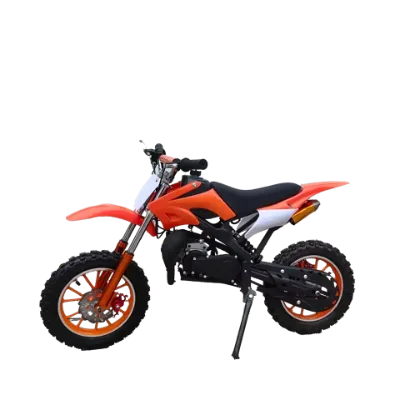
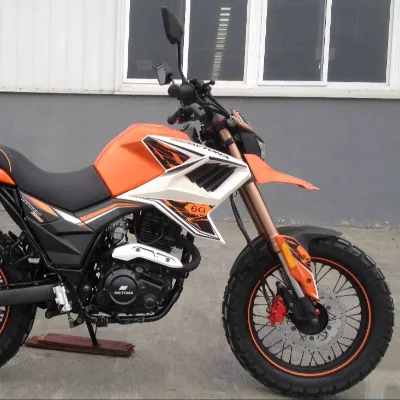
Hot Sale Racing Motorcycle with Classic Lines and High Quality Suspension
$428.00 - $1000.00
MOQ: 1 Pieces


Comprehensive Sourcing Guide
Racing Enthusiast Motorcycle Sourcing Guide
Sourcing racing enthusiast motorcycles requires a disciplined approach to balancing performance specifications with commercial viability. Buyers must navigate a market where product attributes vary significantly across listings, ranging from compact dirt bikes to high-speed road racers. The observed data indicates a diverse inventory with engine sizes spanning from under 250cc to over 500cc, necessitating careful alignment with target market regulations and rider expectations. Understanding these variations is critical for establishing a viable procurement strategy that minimizes risk while maximizing product appeal.
Procurement teams should prioritize verification of core mechanical components, such as engine type, cooling method, and braking systems, as these directly impact performance and safety. The presence of both air-cooled and water-cooled options, alongside single and double-cylinder configurations, suggests a need for precise specification matching. Buyers must ensure that the selected models meet the specific technical requirements of their end-users, whether for track use or off-road racing, to avoid costly returns or compliance issues.
Product Scope and Observed Listing Signals
The current market landscape for racing motorcycles exhibits a wide range of product types, including dedicated racing models and dirt bikes designed for high-performance environments. Listings indicate a strong focus on customization, allowing buyers to tailor specifications to specific regional demands or customer preferences. The observed price range of $98.03 to $3,500 USD reflects this diversity, catering to both entry-level enthusiasts and professional racing teams with varying budget constraints. This variability requires buyers to conduct thorough cost-benefit analyses to determine the optimal value proposition for their specific market segment.
Minimum order quantities (MOQ) observed between 1 and 145 units provide flexibility for both small-scale retailers and large distributors. The supply ability of 1,000 sets per month suggests that suppliers can handle moderate to large orders, but buyers should confirm lead times and production capacity for peak seasons. Packaging details, such as steel and carton combinations, indicate a focus on protecting the product during transit, which is crucial for maintaining the aesthetic and functional integrity of high-performance motorcycles. Buyers should verify packaging standards to ensure they align with their logistics and storage capabilities.
Technical Specifications to Verify
Engine specifications are a primary differentiator in the racing motorcycle market, with observed displacements ranging from 126cc to over 500cc. Buyers must verify the exact engine type, whether 2-stroke or 4-stroke, as this impacts maintenance requirements, emissions compliance, and performance characteristics. The presence of dual-cylinder options and specific bore-stroke ratios indicates a focus on high-performance tuning. It is essential to confirm the valve train configuration, such as DOHC with four valves per cylinder, to ensure the engine meets the desired power output and efficiency standards for racing applications.
Braking and tire specifications are critical for safety and handling, with many models featuring front and rear disc brakes for superior stopping power. Observed tire sizes, such as 110/70-17 for the front and 140/70-17 or 150/70-17 for the rear, suggest a design optimized for grip and stability at high speeds. Buyers should verify the braking mode and tire dimensions to ensure they match the intended use case, whether for street racing or off-road terrain. Additionally, cooling systems, including air and water-cooled options, must be selected based on the operating environment to prevent overheating during intense racing conditions.
Compliance and Safety Documentation
Compliance with regional safety and emissions standards is non-negotiable for racing motorcycles, especially those intended for road use. Buyers must verify that suppliers provide necessary certifications, such as CE marking, which indicates conformity with health, safety, and environmental protection standards for products sold within the European Economic Area. For other markets, buyers should inquire about equivalent certifications and ensure that the motorcycles meet local regulations regarding noise levels, emissions, and safety features. Failure to comply can result in customs delays, fines, or product recalls.
Documentation should also include detailed technical manuals, warranty information, and maintenance guidelines to support after-sales service. Buyers should request evidence of quality control processes, such as factory inspections and pre-shipment testing, to ensure that each unit meets the specified performance criteria. Additionally, verifying the origin of the motorcycles, such as Jiangsu, China, can help assess the supplier’s reputation and manufacturing capabilities. Clear communication regarding compliance requirements is essential to avoid legal issues and ensure a smooth import process.
Cost Drivers and Commercial Terms
Several factors influence the final cost of racing motorcycles, including engine displacement, cooling system type, and customization options. Higher displacement engines and advanced cooling systems typically command higher prices due to increased material and manufacturing costs. Buyers should also consider the impact of customization on pricing, as tailored specifications may require additional production time and resources. Understanding these cost drivers allows buyers to negotiate more effectively and allocate their budget efficiently across different product lines.
Commercial terms, such as payment methods, shipping arrangements, and warranty policies, play a significant role in the overall procurement cost. Buyers should negotiate favorable terms that mitigate financial risk, such as partial payments upon order placement and the remainder upon shipment. Additionally, understanding the supplier’s supply ability and lead times is crucial for inventory management and meeting customer demand. Clear communication regarding these terms helps establish a transparent and mutually beneficial partnership, reducing the likelihood of disputes and ensuring timely delivery of products.
Supplier Qualification and Quality Control
Supplier qualification is a critical step in ensuring the reliability and consistency of racing motorcycle supplies. Buyers should conduct thorough due diligence, including verifying the supplier’s business license, manufacturing capabilities, and past performance records. Requesting references from previous clients and conducting factory audits can provide valuable insights into the supplier’s operational efficiency and quality control practices. A qualified supplier should demonstrate a commitment to continuous improvement and adherence to international manufacturing standards.
Quality control measures should be implemented throughout the production process, from raw material inspection to final product testing. Buyers should establish clear quality standards and require suppliers to provide detailed inspection reports for each batch of motorcycles. Implementing a robust quality assurance program, including random sampling and performance testing, helps identify and rectify defects before shipment. Regular communication and feedback loops with suppliers are essential for maintaining high quality standards and addressing any issues promptly.
Long-Term Procurement Checks
Long-term procurement success depends on establishing a sustainable and adaptable supply chain. Buyers should regularly review supplier performance metrics, including on-time delivery rates, product quality, and responsiveness to issues. Continuous monitoring allows for early identification of potential problems and facilitates proactive management of the supply chain. Building strong relationships with suppliers based on trust and mutual benefit can lead to better pricing, priority production, and access to new product innovations.
Market trends and regulatory changes require ongoing assessment to ensure that the product portfolio remains relevant and compliant. Buyers should stay informed about emerging technologies, such as electric racing motorcycles, and evolving safety standards to anticipate future demands. Regularly updating procurement strategies and diversifying the supplier base can mitigate risks associated with market volatility and supply chain disruptions. By maintaining a flexible and informed approach, buyers can secure a competitive advantage in the dynamic racing motorcycle market.
FAQs
What engine specifications are available for racing enthusiast motorcycles?
Available engines range from under 250cc to 251-500cc, with exact displacements like 400cc. Options include 4-stroke and 2-stroke configurations, featuring single or double cylinders. Valve trains may use DOHC with four valves per cylinder, and bore-stroke dimensions vary to suit different performance needs.
Can I customize racing enthusiast motorcycles for specific requirements?
Yes, customization is available for these racing motorcycles. Buyers can select from various engine sizes, cooling methods like air or water cooling, and braking systems. The supply ability supports up to 1000 sets per month, allowing for tailored production runs based on specific operational or design preferences.
What are the braking and tire configurations for these bikes?
Most models feature front and rear disc brakes, with some specifying double disc front brakes and single disc rear brakes. Tire sizes typically include 110/70-17 for the front and 140/70-17 or 150/70-17 for the rear, ensuring stable handling and grip for racing applications.
Where are these racing enthusiast motorcycles manufactured?
These motorcycles are manufactured in China, with specific origins noted in Jiangsu. Products meet CE certification standards and are packaged in steel and carton materials. The net weight ranges around 140kg, and dimensions vary by model, ensuring compliance with international shipping and safety requirements.
What is the maximum speed and power output of these bikes?
Maximum speeds vary, with some models reaching 125 km/h and others up to 105 km/h or over 80 km/h. Power output can reach 36kW at 8000r/min. These performance metrics are supported by engine displacements ranging from 126cc to over 250cc, suitable for racing enthusiasts.
What fuel and cooling systems are used in these motorcycles?
These motorcycles use gas or diesel fuel and feature either air-cooled or water-cooled systems. The cooling method depends on the specific model, with some utilizing air cooling for simplicity and others using water cooling for enhanced thermal management during high-performance racing conditions.