Source Multicore Breakout Optical Fiber Cable for Communication, Medicine, Multimedia
Find 30 listings for Multicore Breakout Optical Fiber Cable suitable for communication, medicine, and multimedia applications. Buyers can compare specifications like fiber type, tensile strength, and certifications from verified Chinese manufacturers.
Key considerations
Products List


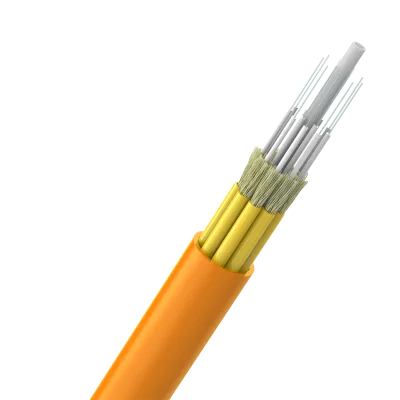
$740.42
MOQ: 1 Minimum

Indoor Optical Cable High Speed Multi-Purpose Distribution Fiber Optic Cable
$0.35 - $5.00
MOQ: 1000 Meters


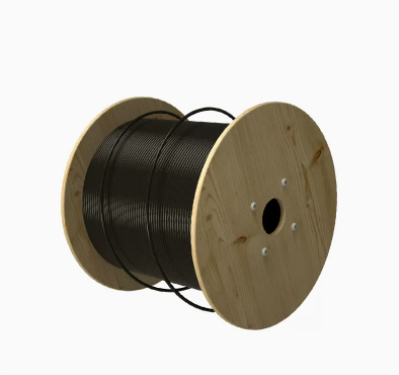


Comprehensive Sourcing Guide
Multicore Breakout Optical Fiber Cable Sourcing Guide
Sourcing multicore breakout optical fiber cables requires a disciplined approach to technical verification and supplier qualification, as these components serve as critical infrastructure for high-density data transmission. Unlike simple patch cords, breakout cables are engineered to provide individual protection for each fiber within a multi-strand assembly, making them essential for indoor environments where frequent reconfiguration and high port density are standard. Buyers must navigate a complex landscape of specifications, from fiber type and jacket material to tensile strength and bending radius, to ensure the selected cable meets the rigorous demands of modern communication networks. This guide provides a structured framework for evaluating products based on observed market signals, technical requirements, and compliance standards, ensuring that procurement decisions are grounded in verifiable data rather than marketing claims.
The procurement process for these cables is characterized by significant variability in pricing, minimum order quantities (MOQ), and customization options. Market observations indicate a wide price range, reflecting differences in core count, material quality, and certification levels. Suppliers often offer OEM branding and customizable features, such as jacket color and construction style, which can impact lead times and unit costs. Understanding these variables is crucial for budgeting and supply chain planning. Buyers should prioritize suppliers who provide transparent documentation of their manufacturing processes and quality control measures, as these factors directly influence the reliability and longevity of the installed network infrastructure.
Product Scope and Observed Listing Signals
The market for breakout optical fiber cables encompasses a diverse range of product models, including indoor breakout variants, mini-core designs, and specific configurations like GYTS and GJFJH types. These products are typically constructed with a round wire shape and utilize PVC sheathing, which offers flexibility and durability for indoor installations. The core structure is predominantly multicore, allowing for the transmission of multiple signals through a single cable assembly. Buyers should note that while many listings specify "single-mode fiber," the actual product scope often includes both single-mode and multimode options, such as OM1 through OM5, depending on the specific model and application requirements. This versatility allows for tailored solutions based on bandwidth and distance needs.
Observed listing signals reveal that suppliers frequently highlight certifications such as RoHS, ISO, UL, and CE, indicating adherence to international safety and environmental standards. The allowed lateral pressure and tensile strength are critical performance indicators, with some products rated for tensile strengths exceeding 10,000N, ensuring robustness during installation and operation. Packaging methods vary, with options including carton boxes, wooden drums, and PE bags, which can affect shipping costs and handling procedures. Additionally, the origin of these products is predominantly China, with specific manufacturing hubs like Shenzhen being common sources. Buyers should verify these details against their specific project requirements, as variations in construction and certification can significantly impact performance and compliance.
Technical Specifications to Verify
When evaluating multicore breakout cables, the fiber type is a primary technical consideration, with options ranging from single-mode OS2 and G657A1/A2/A3 to multimode OM1 through OM5. The choice between single-mode and multimode depends on the intended application, with single-mode typically used for longer distances and higher bandwidths, while multimode is suitable for shorter, high-density connections. The construction style, such as loose tube or distribution, also plays a crucial role in determining the cable's flexibility and resistance to environmental stressors. Buyers must ensure that the selected fiber type and construction align with the network's design specifications to avoid performance bottlenecks or installation difficulties.
Jacket material and color are additional technical factors that require careful verification. PVC is a common sheath material, offering good flexibility and cost-effectiveness, but buyers should confirm its suitability for their specific environment, especially if fire resistance or low smoke properties are required. The style of the jacket, whether single or double, can also impact the cable's durability and ease of handling. Furthermore, the number of cores, ranging from 12 to 48 or more, must be matched to the port density of the equipment being connected. Buyers should request detailed technical datasheets that specify the exact fiber types, jacket materials, and core counts to ensure compatibility with their existing infrastructure.
Compliance and Safety Documentation
Compliance with international standards is non-negotiable for optical fiber cables, particularly those used in commercial and industrial settings. Certifications such as RoHS, ISO 9001, CE, UL, and CCC are commonly cited by suppliers, indicating adherence to environmental, quality, and safety regulations. Buyers must verify the validity of these certifications by requesting copies of the certificates and checking their expiration dates. It is also important to confirm that the certifications apply to the specific product model being purchased, as suppliers may hold certifications for some products but not others. This due diligence helps mitigate the risk of non-compliance and potential legal or operational issues.
In addition to certifications, buyers should inquire about the testing procedures and quality control measures implemented by the supplier. Standards such as ISO-9001 suggest a structured approach to quality management, but the actual testing protocols for tensile strength, bending radius, and attenuation should be clearly defined. Suppliers should provide test reports or data sheets that demonstrate the cable's performance under various conditions. For applications requiring specific fire ratings or low smoke zero halogen (LSZH) properties, buyers must ensure that the cable meets the relevant local building codes and safety standards. This verification process is essential for ensuring the long-term safety and reliability of the network infrastructure.
Cost Drivers and Commercial Terms
The cost of multicore breakout optical fiber cables is influenced by several factors, including the number of cores, fiber type, jacket material, and certification requirements. Products with higher core counts or specialized fiber types, such as G657A3 for tight bending applications, typically command higher prices. Additionally, certifications like UL or CE can add to the cost due to the rigorous testing and documentation involved. Buyers should request detailed quotes that break down these cost components to understand the value proposition of each supplier. Comparing prices based on total cost of ownership, including shipping and handling, is essential for making informed procurement decisions.
Minimum order quantities (MOQ) and lead times are also significant commercial considerations. Suppliers may offer lower unit prices for larger orders, but buyers must balance this with their inventory management strategies and project timelines. MOQs can range from small quantities for prototyping to large volumes for mass deployment. Lead times can vary based on the supplier's production capacity and the complexity of the order. Buyers should negotiate clear terms regarding payment, shipping, and returns to protect their interests. Understanding these commercial dynamics helps in planning budgets and ensuring timely delivery of the required materials.
Supplier Qualification and Quality Control
Supplier qualification is a critical step in the procurement process, requiring a thorough assessment of the supplier's manufacturing capabilities and quality control systems. Buyers should verify the supplier's production facilities, including their equipment, workforce, and quality assurance processes. Certifications such as ISO 9001 indicate a commitment to quality management, but on-site audits or third-party inspections can provide deeper insights into the supplier's operational efficiency and consistency. Suppliers with a strong track record in the industry are more likely to deliver products that meet the specified requirements consistently.
Quality control measures should be clearly defined and documented by the supplier. This includes incoming material inspection, in-process quality checks, and final product testing. Buyers should request information on the supplier's defect rate and their procedures for handling non-conforming products. Additionally, suppliers should provide traceability information, such as batch numbers and production dates, to facilitate any necessary recalls or investigations. Establishing a strong relationship with a qualified supplier ensures a reliable supply chain and reduces the risk of project delays or quality issues.
Long-Term Procurement Checks
Long-term procurement success depends on continuous monitoring of supplier performance and product quality. Buyers should establish key performance indicators (KPIs) to track delivery times, product quality, and customer service. Regular reviews of these metrics help identify potential issues early and allow for corrective actions. Suppliers who consistently meet or exceed these KPIs are valuable partners and should be prioritized for future orders. Additionally, buyers should stay informed about industry trends and technological advancements that may impact the requirements for optical fiber cables.
Technological evolution in the telecommunications sector may necessitate upgrades or changes in cable specifications. Buyers should maintain a flexible procurement strategy that allows for adaptation to new standards or requirements. This includes keeping abreast of developments in fiber types, such as the increasing adoption of G657A3 for bend-insensitive applications, and changes in certification requirements. By maintaining a proactive approach to supplier management and market analysis, buyers can ensure that their network infrastructure remains robust, compliant, and capable of supporting future growth.
FAQs
What certifications are available for multicore breakout optical fiber cables?
Available certifications include RoHS, ISO, UL, CE, CCC, CCS, CSA, and VDE. These ensure compliance with safety and environmental standards for communication and medical applications.
Which fiber types are supported in these multicore breakout cables?
The cables support Single-mode fibers like Sm OS2 and G657 variants, as well as Multimode fibers including Om1 through Om5. This allows flexibility for various communication needs.
Can I request customization for the cable specifications?
Yes, customization is available for these products. Buyers can specify details such as core count, jacket style, and color to match specific project requirements.
What is the allowed tensile strength for these optical cables?
The allowed tensile strength exceeds 10000N for high-performance models. Some variants may have lower ratings between 100N and 1000N depending on the specific construction.
How are these cables typically packed for shipment?
Packaging options include carton boxes, wooden drums, PE bags, and blister packs. The specific packing method depends on the product model and order quantity.
Where are these multicore breakout cables manufactured?
These cables originate from China, with specific production locations noted in Shenzhen. This ensures access to established manufacturing capabilities for fiber optic products.
What is the minimum order quantity for these cables?
The minimum order quantity ranges from 1 to 10000 units. This flexibility accommodates both small prototype orders and large-scale industrial procurement needs.