Source Automobile Radiator Fan Wiring Harness for Cars, Trucks, and Bikes
Find and compare 30 Automobile Radiator Fan Wiring Harness options from verified suppliers. Evaluate specifications such as connector types, wire materials, and customization availability to select the right solution for your automotive or electronic assembly needs.
Key considerations
Products List


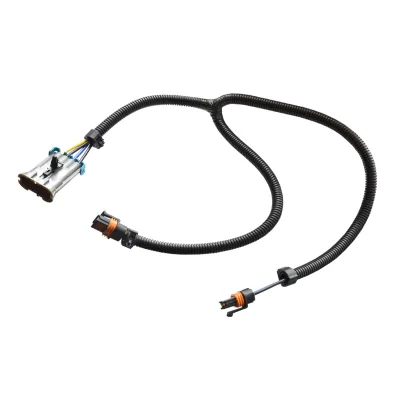


Heated Seat Wiring Harness -OEM Grade for Automotive Seat Heating Systems
$0.08 - $0.22
MOQ: 100 Pieces


Automotive Wiring Harness Assembly Custom Automotive Air Conditioning Wire Harness
$0.80 - $2.10
MOQ: 1 Pieces


Comprehensive Sourcing Guide
Automobile Radiator Fan Wiring Harness Sourcing Guide
Sourcing the correct wiring harness for an automobile radiator fan requires a disciplined approach that balances technical precision with commercial viability. The radiator fan is a critical thermal management component, and its wiring harness must withstand high vibration, temperature fluctuations, and potential exposure to fluids. Buyers must recognize that this is not a generic cable assembly but a specialized signal and power delivery system designed for automotive environments. The procurement strategy should focus on verifying the integrity of connections, the durability of insulation materials, and the compatibility of interface types with the vehicle’s existing electrical architecture.
This guide provides a structured framework for evaluating suppliers and products based on observed market signals and technical requirements. It emphasizes the importance of verifying specific attributes such as conductor material, insulation type, and certification status before committing to large orders. By focusing on evidence-based verification steps, buyers can mitigate the risk of receiving substandard components that may fail prematurely in the field. The following sections detail the scope, technical specifications, compliance needs, cost factors, supplier qualifications, and long-term checks necessary for a successful procurement cycle.
Product Scope and Observed Listing Signals
The market for automobile radiator fan wiring harnesses presents a diverse range of products, often categorized under broader headings such as automotive wiring harnesses or signal wiring harnesses. Observed listings frequently highlight specific industry applications, including electronic, automobile, computer, home appliance, and motorcycle sectors, indicating a versatile product base that may require careful filtering for automotive-grade suitability. Buyers should note that while many suppliers offer customized solutions, the core product is typically defined by its function as a low-voltage wiring harness designed to transmit signals and power to the fan motor. The interface types observed range from USB to AC/DC, suggesting that buyers must clearly define the electrical requirements of their specific vehicle model to avoid compatibility issues.
Visual and physical attributes also play a significant role in product identification and selection. Listings often describe the harness shape as rectangular, round, or hexagon, and the color as black, white, blue, green, or customized. These aesthetic and structural details are not merely cosmetic; they often relate to the routing path within the engine bay and the mechanical fitment of connectors. Additionally, the bandaging materials, such as PVC pipe or adhesive tape, are critical for protecting the internal wires from abrasion and environmental damage. Buyers should treat these observed attributes as starting points for verification rather than definitive specifications, ensuring that the physical form factor matches the design constraints of the target assembly.
Technical Specifications to Verify
The technical integrity of the wiring harness begins with the conductor material, which is typically specified as copper or tinned copper for optimal conductivity and corrosion resistance. Some listings may mention copper-clad aluminum wire, which is lighter and cheaper but may have different electrical and mechanical properties that require careful evaluation. The cable cross-section is another critical parameter, with common gauges including 26AWG, 24AWG, 20AWG, and 18AWG. Buyers must verify that the selected gauge can handle the current load of the radiator fan without excessive voltage drop or heat generation, especially under continuous operation. The contact type, whether solder or crimp, also impacts the reliability of the connection, with crimped contacts often preferred for their consistency and resistance to vibration-induced failures.
Insulation and outer protection materials are equally important for ensuring long-term performance in harsh automotive environments. The insulation material is often PVC, while outer insulation may include rubber, silicone, PE, PVC, or PU, each offering different levels of flexibility, heat resistance, and chemical resistance. The harness is frequently described as waterproof, which implies the use of sealed connectors and appropriate IP ratings, although buyers should verify the specific IP code rather than relying on general claims. The cable length and pinout are often customized, meaning that buyers must provide precise drawings or specifications to ensure the harness fits the vehicle’s layout and connects correctly to the fan and control module. The plug test rating, often cited as over 50,000 times, indicates the durability of the connector interface, but this should be validated through independent testing or supplier documentation.
Compliance and Safety Documentation
Compliance with international and regional standards is non-negotiable for automotive components, particularly those involved in critical safety systems like thermal management. Buyers should verify that the supplier holds relevant certifications such as CCC, ISO, RoHS, and VDE, which indicate adherence to specific safety, environmental, and quality standards. RoHS compliance, in particular, is crucial for ensuring that the materials used in the harness, including the insulation and bandaging, do not contain restricted hazardous substances. The presence of ISO 9001 certification suggests that the supplier has a robust quality management system in place, although buyers should confirm that this certification covers the specific manufacturing processes for the wiring harness.
In addition to certifications, buyers must ensure that the product meets the standard specifications or customized requirements agreed upon in the contract. The product origin, often listed as Shandong, China, or simply Made in China, does not inherently guarantee quality, so buyers should request detailed test reports and material certificates. The quality control process should include 100% inspection before shipment, a practice that significantly reduces the risk of defective units reaching the customer. Buyers should also verify that the supplier follows standard specifications or customized standards that align with the vehicle manufacturer’s requirements, ensuring that the harness is compatible with the overall vehicle electrical system.
Cost Drivers and Commercial Terms
The cost of an Automobile Radiator Fan Wiring Harness is influenced by several factors, including the material composition, customization level, and order volume. The observed price range in the market is quite broad, from $0.08 to $10 per unit, reflecting the variability in complexity, quality, and quantity. Buyers should be cautious of extremely low prices, as they may indicate the use of inferior materials or lack of proper quality control. The minimum order quantity (MOQ) typically ranges from 1 to 1000 units, with many suppliers offering low MOQs to accommodate prototype or small-batch orders. However, larger volumes often result in better unit prices, so buyers should consider their long-term demand when negotiating terms.
Commercial terms also include packaging and shipping considerations, which can impact the total cost of ownership. Products are often packed in standard shipping packaging or customized cartons, and buyers should ensure that the packaging protects the harness from damage during transit. The supplier’s willingness to accept samples is a positive indicator of confidence in their product, allowing buyers to test the harness in their specific application before committing to a large order. Buyers should also clarify the lead times and payment terms, as these can affect cash flow and production schedules. It is advisable to negotiate clear terms for returns or replacements in case of quality issues, ensuring that the supplier stands behind their product.
Supplier Qualification and Quality Control
Evaluating supplier qualification requires a thorough review of their manufacturing capabilities and quality control processes. Buyers should verify that the supplier has experience in producing automotive wiring harnesses, as this specific industry has stringent requirements for reliability and performance. The supplier’s ability to provide customization is a key advantage, allowing for tailored solutions that meet specific vehicle requirements. However, customization also introduces complexity, so buyers should ensure that the supplier has a robust engineering team to handle design changes and ensure that the final product meets all specifications.
Quality control is a critical aspect of supplier evaluation, and buyers should request detailed information on the supplier’s inspection processes. The claim of 100% inspection before shipment is a strong indicator of quality commitment, but buyers should also ask about the supplier’s internal quality metrics, such as defect rates and customer complaint resolution times. The supplier’s use of standardized kits, including connectors, terminals, clips, and seals, suggests a systematic approach to assembly, which can improve consistency and reduce errors. Buyers should also consider the supplier’s track record and references, as well as their ability to scale production to meet demand fluctuations.
Long-Term Procurement Checks
Long-term procurement success depends on establishing a sustainable relationship with the supplier and continuously monitoring performance. Buyers should implement a regular review process to assess the quality of delivered products, including field performance data and customer feedback. This feedback loop is essential for identifying potential issues early and working with the supplier to implement corrective actions. Buyers should also monitor changes in the supplier’s certification status and compliance documentation, ensuring that they remain up-to-date with evolving regulatory requirements.
Additionally, buyers should maintain a diversified supplier base to mitigate supply chain risks. While a single supplier may offer competitive pricing and high quality, relying on a single source can be risky in the event of production disruptions or quality issues. Buyers should periodically evaluate alternative suppliers to ensure that they remain competitive and capable of meeting their needs. Finally, buyers should invest in building a strong technical partnership with their supplier, sharing design insights and future requirements to foster innovation and continuous improvement in the wiring harness product line.
FAQs
What certifications are available for automobile radiator fan wiring harnesses?
Available certifications include CCC, ISO RoHS, and VDE standards. These ensure compliance with international safety and environmental regulations. Buyers can verify specific documentation before placing orders. Customized certification requirements may be accommodated based on the target market's legal framework and industry standards.
Can I customize the cable length and pinout for this harness?
Yes, both cable length and cable pinout are fully customized. Manufacturers offer tailored solutions to match specific vehicle or electronic system layouts. This flexibility ensures precise fitment and optimal signal transmission. Buyers should provide detailed diagrams or specifications to facilitate accurate production and assembly.
What materials are used for the wire core and insulation?
Wire core materials typically include copper, tinned copper, or copper clad aluminum wire. Insulation options feature PVC, rubber, silicone, PE, or PU. These materials provide durability and resistance to heat and moisture. The choice depends on the specific application environment and performance requirements of the automotive or electronic system.
What is the minimum order quantity for these wiring harnesses?
The minimum order quantity ranges from 1 to 1000 units, offering low MOQ flexibility. This allows buyers to test samples or order small batches for prototyping. Larger volumes may qualify for better pricing tiers. Suppliers accept sample orders to verify quality before committing to bulk production runs.
Where are these wiring harnesses manufactured and shipped from?
Products originate from Shandong, China, with standard shipping packaging or customized options. Origin verification ensures traceability and quality control throughout the supply chain. Buyers can request specific packing methods to protect components during transit. Logistics arrangements are coordinated to meet delivery timelines and budget constraints.
How is quality controlled before shipment of the wiring harness?
Quality control involves 100% inspection before shipment to ensure defect-free products. Plug tests verify durability, withstanding over 50,000 cycles. This rigorous process minimizes failure risks in automotive or electronic applications. Buyers receive assurance of consistent performance and reliability through standardized testing protocols.