Source Non-Skid Nylon Kids Bike Seat for Mountain, Road, Kids
Compare 30 Non-Skid Nylon Kids Bike Seat options from verified suppliers. Explore varying materials, certifications, and customization features for mountain, road, and kids' bicycles to find the best fit for your needs; compare the available evidence and request quotations based on your requirements.
Key considerations
Products List


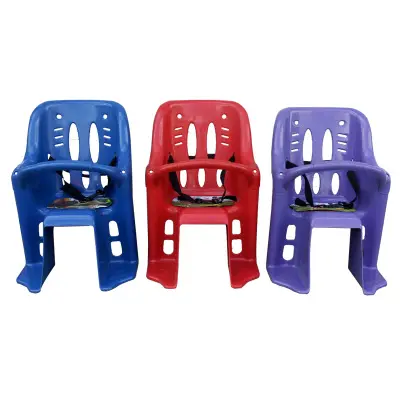
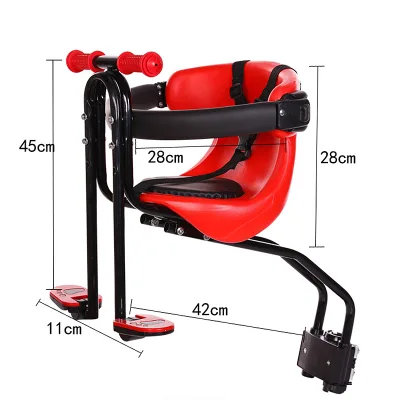
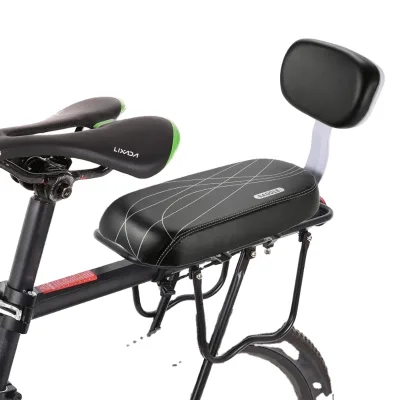
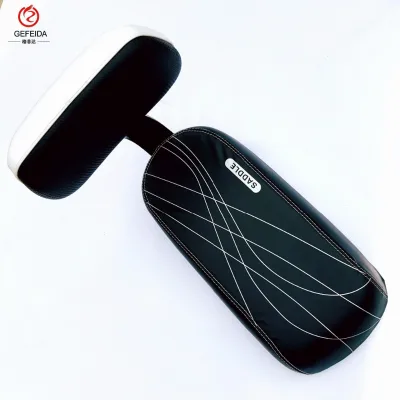
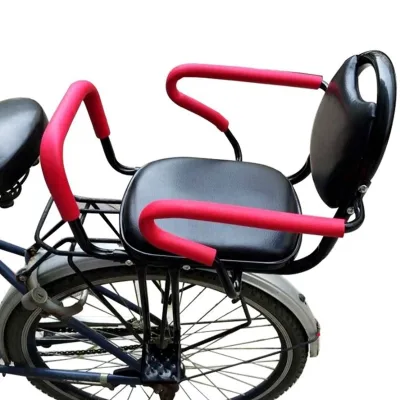
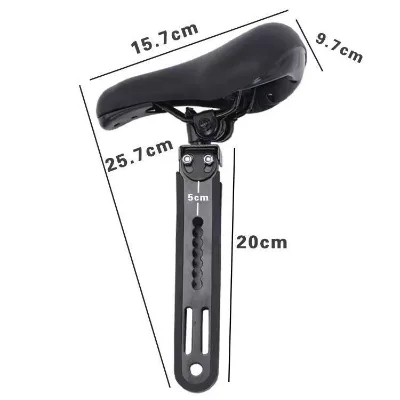
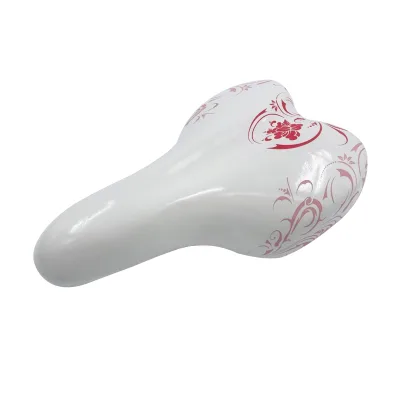
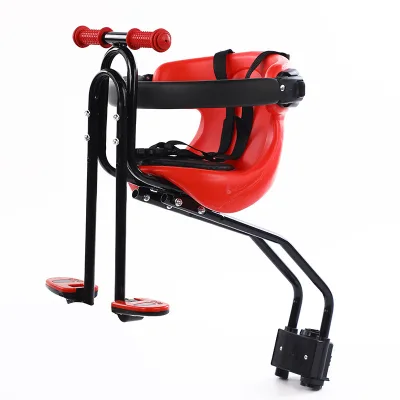
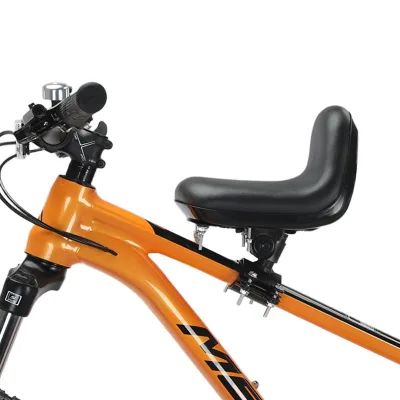
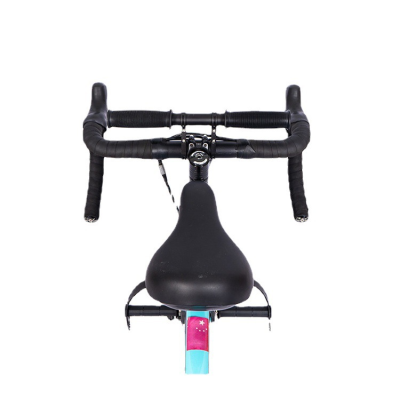
Beam Installation Child Bicycle Seat Saddle Cycle Child Bike Seat with Arm Rest
$11.60 - $12.80
MOQ: 10 pieces
Comprehensive Sourcing Guide
Non-Skid Nylon Kids Bike Seat Sourcing Guide
Sourcing non-skid nylon seats for children’s bicycles requires balancing durability, safety, and ergonomic comfort. The market offers a variety of options, from basic plastic models to premium leather-look alternatives, each with distinct performance characteristics. Buyers must carefully evaluate material composition, as nylon provides robust wear resistance, while other materials like imitation leather or foam-filled designs offer different tactile experiences. Understanding these material differences is crucial for selecting the right product for specific age groups and usage scenarios, ensuring that the final choice meets both functional requirements and aesthetic preferences.
Procurement decisions should also consider the mounting type and compatibility with existing bike frames. Most modern kids' bikes utilize standard quick-release mechanisms or rear mount systems, which simplifies installation and replacement. However, variations in rail spacing and shape—ranging from slim to wide large profiles—can impact fitment. Buyers need to verify these physical dimensions against their inventory or target market’s bicycle models to avoid compatibility issues. This technical alignment ensures that the seats not only look good but also function securely, providing a stable and safe riding experience for young users.
Product Scope and Observed Listing Signals
The current market landscape for kids' bike seats reveals a diverse range of product attributes, with observed prices spanning from $0.70 to $45.70 USD. This wide variance reflects differences in material quality, branding, and included features such as waterproofing or ergonomic design. Minimum order quantities (MOQs) typically range from 1 to 1000 units, offering flexibility for both small retailers and large distributors. Buyers should note that while some suppliers offer low MOQs for sampling, bulk orders often require higher commitments, which can influence inventory planning and cash flow management for smaller businesses entering this niche.
Observed listings highlight several key product characteristics, including softness levels ranging from soft to hard, and shapes varying from slim types to wide large profiles. Materials commonly cited include imitation leather, plastic, and genuine leather, with fillers like foam or silicone enhancing comfort. Applications extend beyond standard kids' bikes to include swing cars, motorcycles, and go-karts, indicating a versatile product category. These signals suggest that buyers should prioritize specific use cases when filtering suppliers, as a seat designed for a mountain bike may not be suitable for a lightweight kids' scooter, despite sharing similar mounting mechanisms.
Technical Specifications to Verify
When evaluating technical specifications, buyers must prioritize the rail material and mounting compatibility. Steel rails are frequently specified for their strength and durability, ensuring the seat can withstand the dynamic loads of active children. The mounting type, whether rear mount or quick release, must align with the target bicycle models. Additionally, the seat’s shape and size are critical; for instance, slim types may suit narrow frames, while wide large profiles offer better stability for younger riders. Verifying these physical attributes against supplier datasheets prevents mismatches and ensures that the product integrates seamlessly with the intended bicycle platforms.
Material composition and filler types significantly impact the seat’s performance and longevity. Nylon and plastic options offer high durability and weather resistance, making them suitable for all-season use. In contrast, leather or imitation leather covers provide a premium feel but may require more maintenance. Fillers such as foam or silicone contribute to comfort and shock absorption, which is essential for preventing discomfort during longer rides. Buyers should request detailed material breakdowns to assess breathability and waterproofing capabilities, ensuring the seat meets the environmental conditions of its intended market, whether it be humid coastal areas or dry inland regions.
Compliance and Safety Documentation
Safety compliance is paramount when sourcing products for children, as regulatory standards vary by region. Buyers must verify that suppliers hold relevant certifications, such as CE certification, which indicates adherence to European safety standards. Other certifications like ISO, BSCI, and ISOEEC may also be present, signaling adherence to quality management and ethical labor practices. These documents are not merely formalities; they provide assurance that the product has undergone rigorous testing for structural integrity and material safety. Procurement teams should request copies of these certificates and validate their authenticity with issuing bodies to mitigate legal and reputational risks.
Beyond certifications, buyers should inquire about specific safety tests conducted on the seats, such as load-bearing tests and chemical safety assessments. While specific test results may not always be publicly listed, reputable suppliers should be able to provide summaries or reports upon request. Additionally, checking for compliance with local toy safety standards, if the seat is marketed for use on ride-on toys, is crucial. Ensuring that all documentation is up-to-date and region-specific helps in navigating customs clearance and avoids potential recalls or legal disputes, protecting both the buyer and the end consumer.
Cost Drivers and Commercial Terms
Several factors influence the final cost of kids' bike seats, including material selection, customization options, and packaging requirements. Customized designs, such as specific colors or logos, typically incur higher costs due to setup fees and lower production efficiencies. Similarly, premium materials like genuine leather or advanced ergonomic fillers drive up the unit price. Buyers should analyze the cost-benefit ratio of these features, determining which attributes are most valued by their target customers. Understanding these cost drivers allows for more accurate budgeting and pricing strategies, ensuring competitive margins without compromising on essential quality aspects.
Commercial terms, including MOQs and sample policies, also play a significant role in procurement planning. Many suppliers offer free samples, though freight costs are often borne by the buyer. This arrangement allows for thorough quality assessment before committing to large orders. MOQs can vary widely, with some suppliers requiring as few as 500 units for standard items, while others may have higher thresholds for customized products. Buyers should negotiate flexible terms where possible, especially for initial orders, to reduce inventory risk. Clear communication regarding payment terms, lead times, and shipping responsibilities is essential to avoid unexpected costs and delays.
Supplier Qualification and Quality Control
Supplier qualification involves a thorough assessment of their manufacturing capabilities, quality control processes, and track record. Buyers should verify the supplier’s origin, with many products originating from regions like Hebei, China, known for their manufacturing expertise. It is crucial to assess their production capacity and consistency, ensuring they can meet demand without compromising quality. Requesting references or case studies from previous clients can provide insights into their reliability and customer service levels. Additionally, checking for any history of quality issues or compliance violations helps in identifying potential risks early in the sourcing process.
Quality control measures should be clearly defined and agreed upon before production begins. This includes specifying inspection criteria for materials, dimensions, and finish. Buyers may opt for third-party inspection services to conduct pre-shipment checks, ensuring that the products meet the agreed-upon standards. Establishing a clear protocol for handling defects or non-conforming goods is also essential. This includes defining acceptable quality limits (AQL) and procedures for returns or replacements. A robust quality control framework not only protects the buyer’s interests but also enhances brand reputation by ensuring consistent product quality for end consumers.
Long-Term Procurement Checks
Long-term procurement success depends on continuous monitoring of supplier performance and market trends. Buyers should establish key performance indicators (KPIs) to track metrics such as on-time delivery, product quality, and responsiveness to issues. Regular audits and feedback sessions with suppliers can help identify areas for improvement and strengthen the partnership. Additionally, staying informed about changes in safety regulations and consumer preferences is crucial for adapting product offerings. This proactive approach ensures that the sourcing strategy remains aligned with market demands and regulatory requirements, minimizing disruptions and maximizing value over time.
Building a diversified supplier base can mitigate risks associated with single-source dependencies. By engaging with multiple suppliers, buyers can compare prices, quality, and service levels, fostering healthy competition. This strategy also provides flexibility in case of supply chain disruptions or sudden changes in demand. Furthermore, investing in relationship management and open communication channels can lead to better collaboration and innovation. Suppliers may offer new designs or improvements based on buyer feedback, enhancing the product portfolio. A strategic, long-term view of procurement helps in creating a resilient and responsive supply chain that supports business growth and customer satisfaction.
FAQs
What materials are used for non skid nylon kids bike seats?
Manufacturers typically use imitation leather, plastic, or genuine leather for these seats. Some models feature foam or silicone fillers for comfort. The cover material is often leather or cowhide, while the rail is made of steel. These materials ensure durability and a non-skid surface suitable for children's bikes.
Can I customize the design of a kids bike seat?
Yes, customization is available for many non skid nylon kids bike seats. Buyers can request specific shapes, such as slim or wide large types. Customized standards and models like new-358 or TJ-SD are offered. This allows for tailored solutions that meet specific branding or ergonomic requirements for different age groups.
What certifications do these bike seats typically hold?
These seats often hold ISOCE, ISOEEC, BSCI, and CE certifications. The CE certification ensures compliance with European safety standards. Some products also meet specific weight standards like 730g-850g. These certifications verify quality and safety, making them suitable for export to markets with strict regulatory requirements for children's products.
What is the typical MOQ for ordering these seats?
The minimum order quantity varies, with observed ranges from 1 to 1000 units. Some specific models require an MOQ of 500 pieces. Buyers should check the specific product model for exact requirements. Bulk orders often benefit from carton packing, which typically holds 50 pieces per carton for efficient shipping and storage.
Are samples available for quality verification before bulk orders?
Yes, samples are available for quality verification. Some suppliers offer free samples, while others require the client to pay for sample freight. This allows buyers to inspect the soft degree, material quality, and non-skid features before committing to a large purchase. It is a standard practice to ensure product suitability.
What applications are these seats suitable for?
These seats are suitable for kids bikes, kids swing cars, and kids motorcycles. They are also used in kids go karts and four-wheel vehicles. The design supports children aged 9 months to 5 years. The ergonomic and waterproof features make them ideal for various children's recreational vehicles and ordinary bicycles.