Source Non Slip Adhesive Bumpon for Anti Slipping, Anti Vibration, Edge Protective
Compare 30 listings for Non Slip Adhesive Bumpon from Chinese manufacturers. Buyers can evaluate customization options, materials like natural rubber and silicone, and pricing for industrial anti slipping and anti vibration applications.
Key considerations
Products List




Medical Cohesive Bandage Self-Adhesive Non-Woven Bandage High Quality Low Price
$0.15 - $0.35
MOQ: 3000 Rolls


Comprehensive Sourcing Guide
Strategic Sourcing Guide for Non-Slip Adhesive Bumpers
Understanding Product Variants and Material Composition
When sourcing non-slip adhesive bumpers, buyers must first navigate the diverse landscape of material compositions and functional designs available in the global market. The core keyword often encompasses a broad spectrum of products ranging from simple rubber pads to complex silicone-based solutions. Based on current market observations, the primary materials utilized include natural rubber and silicone. Natural rubber products are frequently characterized by their robustness and are often marketed as industrial rubber slabs or sheets. These materials typically offer a medium of pure gum rubber, which is essential for applications requiring high durability and resistance to environmental stressors.
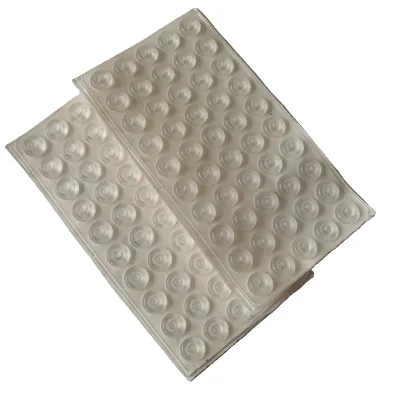
In contrast, silicone-based bumpers, such as those identified by specific model numbers like 005 or branded under names like "kuliwei," provide a different set of properties. Silicone variants are often highlighted for their "sticky" nature, making them ideal for edge protection and anti-shock applications. The shape of these bumpers is equally critical to their function. The market offers hemispherical, square, and round profiles, with some suppliers offering custom shapes to fit specific machinery or furniture requirements. The size specifications vary significantly; while some industrial rubber sheets are cut to custom dimensions, specific bumper models may have defined diameter ranges, such as sizes from 5mm to 22mm, or come in combo packs containing mixed shapes.
A critical distinction in this category is the presence or absence of customization features. Some product listings indicate that customization is available for logos, sizes, and standard specifications, while others present fixed models like GF-493, GF-189, or GF-434. Buyers must carefully review whether a supplier offers "OEM/ODM" services, as this determines the flexibility of the procurement process. For instance, certain suppliers explicitly state that their logo options are available, whereas others may not offer branding services. The processing services, such as moulding and cutting, are also key indicators of a supplier's capability to meet bespoke requirements. Understanding these material and design nuances is the first step in aligning product selection with specific industrial or commercial needs.
Technical Specifications and Functional Performance
The performance of non-slip adhesive bumpers is defined by a specific set of technical attributes that determine their suitability for various environments. The functional capabilities of these products are extensive, often including resistance to corrosion, wear, heat, and cold. These features make them particularly valuable in industrial settings where equipment is subjected to harsh conditions. For example, the "Square Antiskid Rubber Sheet" is a specific performance descriptor that highlights the product's ability to prevent slipping under square configurations, which is vital for safety flooring or machinery mounting.
Beyond basic resistance, the functional applications of these bumpers extend to anti-vibration and anti-slippery purposes. This dual functionality is crucial for protecting delicate equipment from mechanical shock while simultaneously ensuring stability. Some products are further engineered to be dustproof, insectproof, and soundproof, adding layers of protection for sensitive electronic or acoustic environments. The adhesive component, often described as a "sticky pad," plays a pivotal role in the installation process, ensuring that the bumper remains securely attached to the target surface without the need for additional fasteners.
The physical dimensions and shape are integral to the technical specification. While some products are sold as custom-sized sheets, others come in specific configurations like the "Combo Pack" which includes round, spherical, and square shapes. The size range can vary from small diameters of 5mm up to 22mm, or be entirely custom-made to fit unique machinery footprints. The color options, which may include transparent, black, and white, allow for aesthetic integration or color-coding for safety protocols. Furthermore, the processing service of moulding and cutting ensures that the final product meets precise dimensional tolerances. Buyers should verify that the specific model number they are considering, such as GF-716 or GF-482, aligns with the required size and shape specifications for their application.
Compliance, Certification, and Regulatory Standards
Navigating the compliance landscape for non-slip adhesive bumpers requires a careful examination of the standards and certifications that apply to the product. While the market contains a wide array of suppliers, specific certification claims must be treated with caution and verified against the actual product documentation. Some background information may reference ISO 9001, but this should not be assumed as a universal standard for all listed products without explicit confirmation from the supplier.
The Harmonized System (HS) code is a critical regulatory identifier for international trade. For rubber and silicone bumpers, the HS code 401699 is commonly observed, which classifies these items under other articles of vulcanized rubber. This code is essential for calculating duties and ensuring compliance with import regulations in various countries. Additionally, the product standard is often listed as "custom" or "can be customized," indicating that the manufacturer may not adhere to a single rigid international standard but rather tailors the product to meet specific client requirements or regional regulations.
Buyers must verify the origin of the product, as this influences the regulatory framework under which the goods are produced. Many of these products originate from China, specifically from regions like Guangdong, with dispatch ports such as Shunde. The "Place of Origin" is a mandatory declaration for customs clearance. When evaluating compliance, it is vital to check if the supplier provides test results or performance data that validate their claims regarding heat resistance, cold resistance, or insulating properties. Without specific test data provided in the product listing, buyers should request independent verification to ensure the product meets the necessary safety and performance standards for their specific industry, such as food processing, automotive, or general manufacturing.
Cost Drivers and Pricing Dynamics
The pricing of non-slip adhesive bumpers is influenced by a complex interplay of factors, including material costs, customization levels, and order volume. The observed price range in the market can vary significantly, with some listings showing prices as low as $0 to $2.28 USD. However, these figures often represent unit costs for small quantities or specific promotional items and may not reflect the true cost for bulk industrial procurement.
The Minimum Order Quantity (MOQ) is a primary driver of cost efficiency. The market shows a wide MOQ range, from as low as 1 piece to as high as 100,000 pieces. Suppliers with lower MOQs, such as those requiring only 100 pieces, may charge a higher unit price to cover setup and processing costs. Conversely, suppliers with high MOQs often offer more competitive pricing structures. The customization of the product, including custom shapes, sizes, and logos, typically incurs additional costs. For example, a "Custom" size specification or a specific "Hemispherical" shape may require a dedicated mould, which increases the initial investment and unit price.
Packaging and shipping methods also contribute to the overall cost. Products are often packed in cartons, with some featuring an inner plastic bag for protection. The shipping method, whether by air or sea, significantly impacts the final landed cost. Air freight is faster but more expensive, suitable for urgent or low-volume orders, while sea freight is more economical for large shipments. The single gross weight of a package, which can be around 10.0 kg for certain combo packs, affects shipping calculations. Buyers should request detailed quotations that break down the cost of materials, tooling, packaging, and logistics to understand the total cost of ownership.
Typical Applications and Industry Use Cases
Non-slip adhesive bumpers serve a multitude of applications across various industries, driven by their unique functional properties. In industrial settings, these products are frequently used as anti-vibration mounts for heavy machinery, reducing noise and preventing equipment displacement during operation. The "Industrial Rubber Slab" designation suggests their use in heavy-duty environments where wear resistance and impact resistance are paramount.
In commercial and residential contexts, the application shifts towards furniture protection and safety. The "Edge Protective" usage highlights their role in preventing damage to furniture edges and protecting users from sharp corners. The "Anti-Shock" function is particularly relevant for electronic devices and delicate equipment, where the bumper absorbs impact and prevents internal damage. The "Dustproof" and "Insectproof" features make these bumpers suitable for sealing gaps in enclosures or protecting sensitive areas from environmental contaminants.
The versatility of the product is further demonstrated by its use in "Anti Slipping" applications, such as securing mats or preventing objects from sliding on smooth surfaces. The "Soundproof" capability allows for acoustic dampening in offices or residential spaces. Whether the application requires a "Pure Gum Rubber Sheet" for heavy industrial use or a "Silicone Sticky Pad" for light-duty edge protection, the specific model and material selection must align with the environmental conditions and performance requirements of the end-use scenario.
Supplier Evaluation and Quality Assurance
Evaluating suppliers for non-slip adhesive bumpers requires a rigorous assessment of their capabilities, reliability, and quality control measures. Buyers should prioritize suppliers who offer transparent information about their production processes, such as "Moulding" and "Cutting" services, and who demonstrate flexibility in handling custom orders. The availability of OEM/ODM services is a strong indicator of a supplier's ability to tailor products to specific needs.
Quality assurance should be a central part of the supplier evaluation process. Buyers must verify the consistency of the raw materials, ensuring that natural rubber or silicone meets the required specifications for durability and performance. The "Feature" list, which includes attributes like "Anti-aging," "Corrosion-resistant," and "Insulating," should be backed by tangible evidence or test reports. It is essential to confirm that the supplier has a robust quality control system in place to maintain consistency across batches, especially for custom orders where specifications may vary.
Logistics and packaging are also critical factors. The "Packing Details," such as "Inner Plastic Bag, Outside Carton," indicate the level of care taken to protect the product during transit. Buyers should assess the supplier's ability to handle different shipping methods, whether by air or sea, and ensure that the packaging is sufficient to prevent damage. The "Port of dispatch" and "Place of Origin" should be verified to ensure they align with the buyer's logistical requirements and to assess the potential for supply chain disruptions.
Long-Term Procurement and Supply Chain Stability
Sourcing non-slip adhesive bumpers is not merely a transactional activity but a strategic decision that impacts long-term operational stability. Buyers should consider the scalability of the supplier's production capacity to meet future demand fluctuations. The wide range of MOQs, from 1 to 100,000 pieces, suggests that suppliers can accommodate both small-scale pilots and large-scale production runs, but the lead times and production schedules must be clearly defined.
Supply chain resilience is another key consideration. Given that many products originate from China, buyers should evaluate the supplier's ability to navigate potential logistical challenges, such as port congestion or shipping delays. The "Shipping" options, including air and sea, provide flexibility, but the reliability of the shipping partners is crucial. Additionally, the "Custom" nature of many product standards and sizes means that the supplier must maintain the capability to produce unique specifications over the long term without compromising quality.
Finally, buyers should establish a clear communication channel with suppliers to ensure that any changes in requirements, such as new size specifications or material updates, can be addressed promptly. The ability to customize logos and shapes indicates a collaborative relationship, which is essential for maintaining a stable supply chain. By focusing on suppliers who demonstrate flexibility, transparency, and a commitment to quality, buyers can secure a reliable source for non-slip adhesive bumpers that supports their long-term business objectives.
FAQs
What materials are used for non slip adhesive bumpers?
The primary materials include natural rubber and silicone. Natural rubber products often feature pure gum rubber sheets, while silicone variants are designed as sticky pads for edge protection and anti-shock applications.
Can I customize the size and shape of these bumpers?
Yes, customization is available for size, shape, and logo. Buyers can request custom dimensions, hemispherical, square, or round profiles, and specific model numbers like GF-493 can be tailored to meet unique requirements.
What are the key performance features of these products?
Key features include corrosion resistance, wear resistance, heat resistance, and cold resistance. They also provide anti-vibration, anti-slip, dustproof, insectproof, and soundproof capabilities for various industrial and commercial environments.
What is the minimum order quantity for these bumpers?
The minimum order quantity ranges from 1 to 100,000 pieces depending on the supplier. Some listings specify an MOQ of 100 pieces, while others allow for single-piece orders or bulk procurement up to 100,000 units.
How are these products packaged and shipped?
Products are typically packed in cartons, sometimes with an inner plastic bag for protection. Shipping is available by air or sea, with dispatch ports located in Shunde, China, and origin in Guangdong.
Which HS code applies to rubber and silicone bumpers?
The HS code 401699 applies to other articles of vulcanized rubber, covering these bumpers. This code is essential for international trade compliance and calculating duties for imports from China.
What shapes are available for non slip adhesive bumpers?
Available shapes include hemispherical, square, round, and custom shapes. Some products come in combo packs containing mixed shapes, while others offer specific diameter sizes ranging from 5mm to 22mm.