Source Elastic Thin Waist Trainer for Sports and Daily Use
Explore 30 options for an Elastic Thin Waist Trainer designed for support and sweat protection. Compare features like material, size, and customization to find the right fit for your business needs; compare the available evidence and request quotations based on your requirements.
Key considerations
Products List
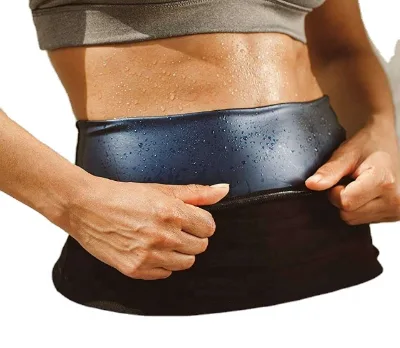


New High Quality Shapewear Control Waist Underwear Light Shaping Briefs
$4.00 - $4.03
MOQ: 3000 Pieces




Comprehensive Sourcing Guide
Elastic Thin Waist Trainer Sourcing Guide
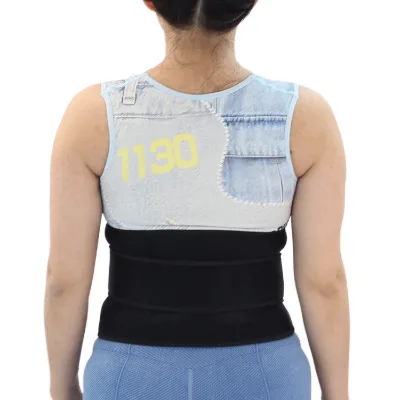
Elastic thin waist trainers occupy a distinct position in the body-shaping category: they prioritize flexibility, breathability, and all-day wearability over the rigid compression of corset-style alternatives. For B2B buyers, this means the sourcing conversation should focus on fabric behavior, size inclusivity, and comfort engineering rather than boning or lacing hardware. The category also overlaps with sports waist trimmer belts, which adds sweat-management performance requirements to the evaluation framework.
This guide is written for procurement teams, brand owners, and distributors evaluating suppliers of elastic thin waist trainers. It structures the buying decision into seven stages, from scoping the product range through long-term supplier monitoring. Throughout, verification language is used deliberately: attributes observed in listings are treated as signals to confirm, not guarantees that every listed product meets them. Buyers should request physical samples, documentation, and written confirmations before committing to volume orders.
Product Scope and Observed Listing Signals
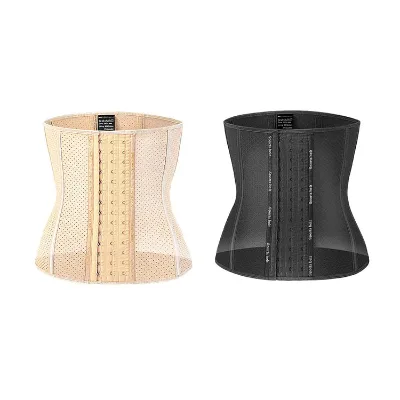
Listings in this category describe products under several names, including "Three Sweat Belt Waist Trainer," "Waist Trainers Compression Belt Bag Waist," and "Sweat and Waist Protection." Types span waist trimmer belts and corset-style designs, with stated functions ranging from basic protection and support to keep-warm effects and back-pain relief. Claimed effects include pull-in stomach, pull-in abdomen, and fat-loss outcomes. Buyers should treat marketing claims such as fat loss cautiously and confirm with suppliers exactly which functions a given model is designed and tested to deliver, since names alone do not establish performance.
Observed attributes give useful scoping signals: colors listed include black, grey, and black/blue/yellow/rose red options; sizes span S, L, XXL and an S-XL standard; target users are adults, with one listing specifying female gender and features such as breathable, plus-size, and quick-dry. Model numbers observed include H-03, JLY-H-03, JLY-T8713, JLY-T8724, and JLY-T8728, indicating multiple product families from the same listing pool. Customization with logos is explicitly available, and place of origin is listed as Jiangsu, China. Confirm which models map to which attribute sets before assuming uniform specifications.
Technical Specifications to Verify
Material selection is the first technical checkpoint. Listings reference coarse mesh as main material on some models and spandex and nylon, or a choice between nylon and neoprene, on others. Each construction carries different consequences: mesh improves airflow for sweat-belt applications, neoprene increases heat retention for trimmer use, and nylon-spandex blends drive elasticity and recovery. Request the exact fabric composition percentage, stretch and recovery data, and thickness confirmation—medium thickness is listed, but you should verify this against your own measurement standard and intended wear scenario.
Size and fit documentation deserves equal rigor. Although S-XL and individual S, L, XXL designations appear in listings, grading rules, waist measurements per size, and tolerances are rarely published. Ask each supplier for a size chart with actual garment dimensions, flat measurements, and acceptable tolerance bands, then validate by measuring samples across the full range. Also verify product weight—the 220g figure appears on one listing—and packaging dimensions such as the 20x10x5 cm standard listed, since both affect freight calculations. Confirm which listings lack an LCD display if any electronic features matter to your range.
Compliance and Safety Documentation
Certification signals in the listing pool include CE, ISO, ISO 9001, and an "ISOCE" designation, alongside a factory company-type declaration. These are listing-level observations, not verified approvals for any specific model. Buyers should request copies of current certificates, confirm the certificate holder matches the supplying entity, check scope and expiry dates, and clarify whether certification covers the specific waist trainer model being quoted rather than a different product line. A certificate number you can independently verify is far more valuable than a logo on a product page.
Beyond certificates, safety due diligence for skin-contact textile products should address restricted substances, colorfastness, and needle or metal contamination controls, particularly for products worn during exercise against perspiring skin. Ask what testing the factory routinely performs, which third-party laboratories they use, and whether they will support batch-level testing if you require it. For neoprene or dyed stretch fabrics, request material safety data and confirm any odor or allergen expectations. Document all agreed requirements in a written quality specification annexed to your purchase contract.
Cost Drivers and Commercial Terms
Observed listing prices range from roughly USD 1.36 to USD 20, and MOQs span from 1 piece to 3,000 pieces—signals that this category covers everything from low-cost single-piece sampling to high-volume wholesale programs. Rather than anchoring on the extremes, build a cost model per SKU: base garment cost by material choice, customization charges for logos or private packaging, size-run composition, and freight. Low headline prices often correspond to simpler constructions, so match the quoted model to the specification sheet, not just the category title.
Commercial terms to clarify in writing include packing format—PP bag, OPP bag, gift box, or customized box are all referenced—carton quantities, incoterms, payment structure, and lead time commitments. Customization availability is explicitly stated, so obtain a written breakdown of what "customized logo accepted" includes: printing method, artwork requirements, setup fees, and any MOQ premium for private-label packaging. For trial orders, the 1-piece MOQ listings enable sample purchases; for volume buying, negotiate tiered pricing tied to confirmed annual quantities rather than one-off discounts.
Supplier Qualification and Quality Control
Supplier qualification should begin with confirming business identity and manufacturing capability. One listing identifies the seller as a factory based in Jiangsu, China, which, if verified, supports direct manufacturing engagement and potential cost advantages. Validate business licenses, ask for factory photos or a virtual or on-site audit, and confirm which production stages are completed in-house versus subcontracted—cutting, sewing, elastic weaving, and packaging are commonly split in this category. Align the supplier's monthly capacity with your forecast before discussing exclusivity or custom tooling.
Quality control should be contractually defined through an inspection protocol: incoming fabric inspection, in-line checks during sewing, and final random inspection before shipment using an agreed sampling plan and defect classification. For elastic waist trainers, prioritize critical-to-quality points such as elastic band tension consistency, stitch density at stress seams, hook-and-loop or closure durability, and dimensional stability after washing. Approve a golden sample, retain signed counter-samples, and specify that production must match the approved sample in material, workmanship, color, and measurements. Third-party pre-shipment inspection is a reasonable requirement for first orders.
Long-Term Procurement Checks
After initial orders, shift focus from one-time qualification to ongoing supplier performance. Maintain a scorecard tracking on-time delivery, defect or return rates, size-consistency complaints, and responsiveness on corrective actions. Re-verify certificates annually, since ISO registrations and CE-related documentation require periodic renewal, and confirm that material lots remain consistent when suppliers change fabric mills or dye batches. For elastic products specifically, monitor recovery performance over time through periodic wash-testing of retained samples, because elastic fatigue is the most common degradation mode in this category.
Long-term value also depends on managing product evolution. Model numbers such as JLY-T8713, JLY-T8724, and JLY-T8728 suggest active product-line development; require advance notification of any material, size, or construction changes, and treat unannounced revisions as a contract issue. Plan range extension around the customization capabilities already indicated—logo application, custom packaging, and additional colorways—while keeping your core bestsellers specification-stable. Finally, retain dual-sourcing options for your highest-volume SKUs so that capacity constraints, price movements, or quality drift at one factory do not interrupt your supply.
FAQs
What sizes are available for the Elastic Thin Waist Trainer?
The Elastic Thin Waist Trainer is offered in sizes S through XL, with some listings showing S, L, and XXL options. Buyers should confirm the exact size run with the supplier before ordering, since availability can vary by model. Customized sizing may also be possible because customization is listed as available on the product page.
Can I order a sample with a low minimum order quantity?
Yes, some waist trainer listings support an MOQ of 1 piece, allowing single-piece sampling before bulk commitment. Other variants list an MOQ of 50 pieces, so terms differ by model. Contact the supplier to confirm which MOQ applies to the specific Elastic Thin Waist Trainer model and whether sample fees are refundable against later orders.
What materials are used in the Elastic Thin Waist Trainer?
The waist trainer is made from materials such as spandex and nylon, with some versions using neoprene or coarse mesh fabric. Material choice affects breathability, stretch, and sweat response during daily wear or sports use. Buyers should specify the preferred material composition when requesting quotes so suppliers can match the fabric to the intended usage scenario.
Which colors and customization options can I request?
Available colors include black, grey, blue, yellow, and rose red, depending on the model. Customized logos are accepted, and packaging can be a PP bag, OPP bag, or a customized gift box. Since customization is available, buyers can usually combine color, logo, and packaging choices in one order, subject to supplier confirmation of minimum quantities per option.
How should I pack and label the waist trainers for shipment?
Each waist trainer is typically packed in a PP bag or OPP bag, and a customized gift box can be arranged instead. Customized logo labeling is accepted on both product and packaging. Confirm packaging preferences, carton specifications, and marking requirements with the supplier before production so export documents and retail-ready packing match your destination market requirements.
Can the waist trainer be used for sports and daily wear?
Yes, the belt is designed for daily life plus sports usage, providing basic protection, support, keep-warm function, and back pain relief. It is a thin, elastic trimmer style without an LCD display, weighing about 220 grams. Users seeking firm compression for workouts should verify thickness and support level with the supplier before placing larger orders.
What certifications do the waist trainer products carry?
Listed certifications include CE, ISO, and ISO9001, with some entries showing ISOCE. Certification coverage can vary between models, so buyers should request current certificate copies for the exact model number, such as JLY-H-03 or JLY-T8713, before ordering. This helps ensure compliance documentation supports import and retail requirements in your destination market.
Which models of the Elastic Thin Waist Trainer are offered?
Available model numbers include JLY-H-03, H-03, JLY-T8713, JLY-T8724, and JLY-T8728. Models differ in features such as corset type, breathable plus-size quick-dry construction, or sports trimmer belt design. Review each model's specifications, material, and size standard with the supplier to select the variant that fits your product range and target customers.