Source Non Standard Rubber Bottle Plug for Industrial and Personal Care
Find and compare 30 listings for non standard rubber bottle plug solutions tailored for industrial, personal care, and beverage applications. Evaluate options made from EPDM, silicone, and plastic with features like corrosion resistance and custom sizing to meet specific packaging needs.
Key considerations
Products List






Comprehensive Sourcing Guide
Non Standard Rubber Bottle Plug Sourcing Guide
Sourcing non-standard rubber bottle plugs requires careful alignment between custom design requirements and manufacturer capabilities. The observed market data indicates a diverse range of origins, including Hebei, Guangdong, and Danyang in China, suggesting that buyers must verify specific factory locations to ensure logistical efficiency. While some listings mention single-item selling units, the majority of viable suppliers operate with substantial minimum order quantities, often ranging from 50,000 pieces for standard runs to lower thresholds for custom prototypes.
Buyers must distinguish between general rubber components and specialized bottle stoppers designed for specific applications like personal care or industrial use. The product attributes reveal a mix of materials, including EPDM, silicone rubber, and various plastics like PP and PE, which dictates the suitability for different chemical environments. Understanding whether the plug needs to be odorless, heat-resistant, or corrosion-resistant is critical before engaging with a supplier, as these performance characteristics are not universal across all listed models.
Product Scope and Observed Listing Signals
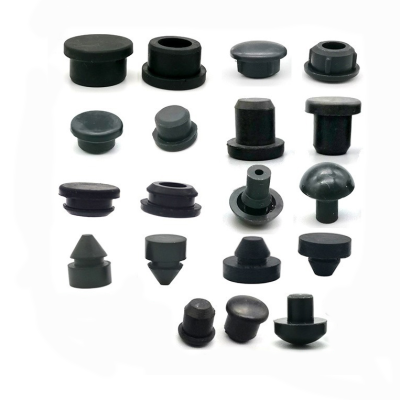
The product scope for non-standard rubber bottle plugs encompasses a wide variety of shapes, sizes, and functional features observed in current listings. Models such as DW25Q3D and RY-N28 demonstrate that manufacturers offer customized sizes and shapes, including round types, to fit specific bottle necks. Features like non-spill functionality and custom logos are frequently advertised, indicating that these components often serve dual purposes as both functional seals and branding opportunities for consumer goods.
Listing signals also highlight the importance of packaging and delivery terms in the procurement process. Many suppliers specify carton packaging, sometimes combined with PE sterile bags for export, which is essential for maintaining hygiene in personal care applications. The presence of "custom order" acceptance and "sample provided freely" attributes suggests that buyers can expect a flexible engagement model, though the high-end MOQs observed in some listings require strategic planning for initial inventory investment.
Technical Specifications to Verify
Technical verification begins with confirming the exact material composition, as listings show a divergence between rubber, plastic, and specific polymers like EPDM or silicone. Buyers must ensure the selected material matches the intended application, whether it requires the low air permeability and odorless nature of high-grade rubber or the specific chemical resistance of plastic types. The standard sizes observed, such as 13mm, 15mm, 20mm, 28mm, and 32mm, provide a baseline, but non-standard requests require precise dimensional drawings to avoid fitment issues.
Processing services and manufacturing capabilities are equally critical to validate before finalizing a design. The observed data points to molding as a primary processing service, which allows for the creation of complex geometries and custom shapes. However, buyers should verify if the supplier can handle specific tolerances and surface finishes required for their bottles. The distinction between standard models like N20Q and custom configurations like RY-N20Q underscores the need to clearly define whether the project requires off-the-shelf adaptation or a fully bespoke engineering solution.
Compliance and Safety Documentation
Compliance documentation is a non-negotiable aspect of sourcing rubber bottle plugs, particularly for applications involving personal care or food contact. The observed listings reference ISO certifications and adherence to Ybb/GMP standards, which are vital for ensuring that the plugs meet international safety and hygiene requirements. Buyers must request current certificates to verify that the supplier's quality management systems are active and that the specific production batches have been tested against these regulatory benchmarks.
Safety features such as being odorless and having low air permeability are often claimed as product characteristics, but these must be substantiated by test reports. The presence of a "100% inspection" attribute suggests a commitment to quality control, yet buyers should not rely solely on this claim without reviewing the actual inspection protocols. It is essential to confirm that the cleaning workshop environment and the final product testing procedures align with the specific safety standards required for the end-user market, ensuring no harmful substances leach into the product.
Cost Drivers and Commercial Terms
Cost drivers for non-standard rubber bottle plugs are heavily influenced by material selection, customization complexity, and order volume. The observed price range of 0.01 to 82 USD reflects the vast difference between simple standard items and highly engineered custom solutions. Buyers should anticipate that materials like silicone rubber or EPDM, which offer superior heat and corrosion resistance, will command higher unit costs compared to standard plastic or generic rubber options. Additionally, the requirement for custom logos and specific colors adds layers of complexity that can increase the overall price per unit.
Commercial terms, particularly Minimum Order Quantities (MOQ), vary significantly across the supplier base, ranging from single items to 10,000 pieces or more. The observed MOQ of 50,000 pieces for certain models indicates that high-volume production is often necessary to achieve competitive pricing. Buyers must negotiate packaging terms, such as the use of export cartons and sterile bags, as these can impact the total landed cost. Understanding the lead times associated with custom orders versus stock items is also crucial for managing inventory levels and production schedules effectively.
Supplier Qualification and Quality Control
Supplier qualification requires a deep dive into their manufacturing infrastructure and quality assurance processes. The observed data mentions specific origins like Hebei and Guangdong, which are known manufacturing hubs, but buyers must verify the actual facility capabilities beyond the listed location. The presence of a dedicated cleaning workshop and a "100% inspection" policy are positive indicators, yet direct audits or third-party verification of these facilities are recommended to ensure consistent quality.
Quality control extends beyond the final inspection to include the entire production lifecycle, from raw material sourcing to the molding process. Buyers should verify that the supplier maintains strict controls over material consistency, especially when dealing with custom rubber compounds that must meet specific performance criteria like impact resistance or wear resistance. The ability to provide samples freely is a good starting point, but the transition from sample approval to mass production must be managed with rigorous quality checks to prevent defects in the final batch.
Long-Term Procurement Checks
Long-term procurement success depends on establishing a reliable supply chain that can adapt to changing market demands and regulatory updates. Buyers should prioritize suppliers who demonstrate flexibility in handling custom orders and maintaining consistent quality over time. The ability to scale production up or down without compromising on the "odorless" or "low air permeability" characteristics is a key indicator of a robust supplier capable of supporting long-term growth.
Regular performance reviews and re-verification of certifications are essential to maintain compliance and product integrity. As standards like ISO and GMP evolve, suppliers must demonstrate their ability to update their processes and documentation accordingly. Buyers should also monitor the supplier's response to any quality issues, ensuring that the "100% inspection" promise translates into a proactive approach to defect prevention and continuous improvement in the manufacturing process.
FAQs
What materials are used for non standard rubber bottle plugs?
These plugs are manufactured from rubber, EPDM, silicone rubber, and plastic types such as PP and PE. The selection depends on the specific application requirements, including whether the plug needs to be odorless, have low air permeability, or resist corrosion and heat for industrial or personal care use.
Can I get custom sizes for these bottle stoppers?
Yes, custom sizes are available for these bottle stoppers. The product specifications list standard dimensions like 13mm, 15mm, 18mm, 20mm, 28mm, and 32mm, but the size can be customized to fit specific bottle necks. This flexibility ensures a secure, non-spill fit for various container types.
What certifications do these rubber plugs hold?
These rubber plugs hold ISO, Ybb, and GMP standard certifications. They also feature CE and ISO certificates, ensuring they meet international quality and safety requirements. This makes them suitable for applications in personal care, industrial settings, and other sectors where compliance with strict standards is necessary for product integrity.
How are these items packaged for shipping?
The items are packaged in carton boxes, with some variants using PE sterile bags inside export carton boxes. This packaging method protects the rubber and plastic components during transit. The custom order options allow for specific packing requirements, ensuring the products arrive in good condition and are ready for immediate use.
Where are these bottle plugs manufactured?
These bottle plugs are manufactured in China, with origins in Hebei, Guangdong, and Danyang. The production process involves moulding services to create precise shapes. This geographic distribution allows for efficient sourcing and logistics, supporting both domestic and international supply chains for various industrial and consumer applications.
What is the minimum order quantity for these plugs?
The minimum order quantity varies, with observed ranges from 1 to 10,000 units. Specific models may have higher MOQs, such as 50,000 pieces for certain bulk orders. Buyers can often negotiate these terms, especially when requesting custom logos or specific packaging, to align with their procurement volume and budget constraints.