Source Nordic Modern Bedside Reading Lamp for Home, Hotel, Office
Find 30 options for the Nordic Modern Bedside Reading Lamp, featuring LED light sources, 3500K warm white color temperature, and 90 CRI for clear illumination. Compare specifications including 27W power, wooden and acrylic materials, and 3-year warranties to select the ideal fixture for residential or commercial interior projects.
Key considerations
Products List
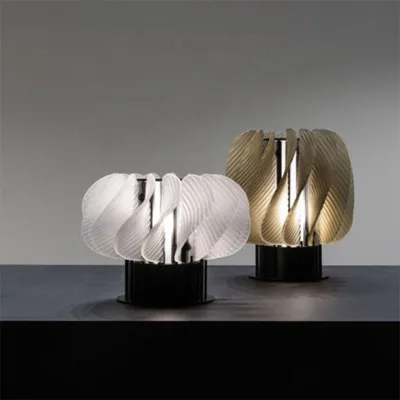


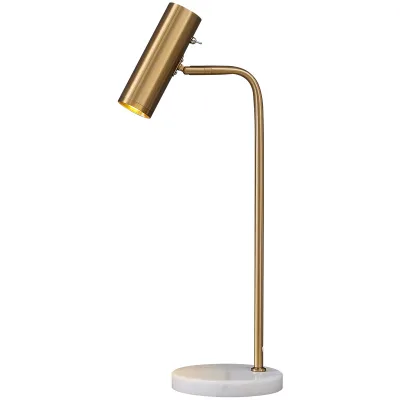
Light Luxury Floor Lamp in Northern Europe Bedside Lamp Reading Table Lamp
$60.00 - $150.00
MOQ: 1 Pieces






Comprehensive Sourcing Guide
Nordic Modern Bedside Reading Lamp Sourcing Guide
Sourcing lighting fixtures that balance aesthetic minimalism with functional reliability requires a disciplined approach to specification verification and supplier qualification. The Nordic design philosophy, characterized by clean lines, natural materials, and understated elegance, has become a dominant trend in residential interior design. Buyers seeking these products must navigate a market flooded with generic listings that may mimic the visual style but lack the underlying engineering quality. This guide provides a structured framework for evaluating suppliers, verifying technical compliance, and managing commercial risks associated with importing modern bedside lamps. By focusing on evidence-based verification rather than marketing claims, procurement teams can secure products that meet both design intent and safety standards.
The following sections outline the critical steps for sourcing these fixtures, from initial product scope definition to long-term quality assurance. Each section is designed to help buyers make informed decisions by highlighting key verification points, potential pitfalls, and necessary documentation. The goal is to transform vague aesthetic preferences into concrete, verifiable procurement requirements. This approach ensures that the final product not only looks the part but also performs reliably in the end-user’s environment, reducing returns and enhancing brand reputation.
Product Scope and Observed Listing Signals
Buyers must first define the precise product scope to avoid misalignment with suppliers who may offer visually similar but functionally different items. Observed market signals indicate a wide variance in product attributes, ranging from basic LED table lamps to more complex, customizable solutions. For instance, some listings feature wooden bodies with acrylic shades, while others may utilize metal finishes or different structural materials. The core keyword suggests a focus on modern aesthetics, but the actual product composition can vary significantly. It is crucial to distinguish between products that are strictly decorative and those designed for functional reading tasks, as this distinction impacts light output, color temperature, and durability requirements.
Current listing data reveals a broad price range and varying minimum order quantities (MOQs), which can signal differences in manufacturing complexity and supplier scale. Prices observed in the market span from low-cost entry-level items to premium, highly customized units. Similarly, MOQs can range from single units for sampling to thousands for bulk production. Buyers should interpret these signals as indicators of supplier capability rather than absolute benchmarks. A lower MOQ might indicate a trading company or a small workshop, while higher MOQs often correlate with established factories with automated production lines. Understanding these signals helps in selecting suppliers that match the buyer’s volume needs and budget constraints without compromising on essential quality attributes.
Technical Specifications to Verify
Technical verification is the cornerstone of successful sourcing, particularly for electronic lighting products where performance metrics directly impact user satisfaction. Buyers must rigorously check key specifications such as voltage compatibility, power consumption, and light source type. The market offers products with varying voltage ranges, typically accommodating 110V-240V for global compatibility, but this must be confirmed for each specific model. Additionally, the power source, whether AC or battery-operated, and the presence of rechargeable batteries are critical factors for bedside lamps, as they affect installation flexibility and maintenance requirements. Ensuring that the lamp includes the light source and matches the desired wattage is essential for achieving the intended ambiance and energy efficiency.
Beyond basic electrical specs, optical and physical attributes require close scrutiny to ensure the product meets design and functional expectations. Color temperature, such as 3500K for warm white, influences the mood of the bedroom, while the Color Rendering Index (Ra) affects how accurately colors are perceived under the lamp’s light. A high Ra value, such as 90, is desirable for reading and detail work. Buyers should also verify the lamp’s lifespan, which can extend up to 30,000 hours for quality LED units, and the working temperature range to ensure reliability in various environments. Furthermore, the control mode, whether switch control or dimmable, and the switch type, such as push-button, must align with user preference and ease of use.
Compliance and Safety Documentation
Compliance with international safety and environmental standards is non-negotiable for importing lighting products. Buyers must request and verify relevant certifications, such as CE, RoHS, FCC, and CCC, depending on the target market. These certifications confirm that the product meets specific electrical safety, electromagnetic compatibility, and hazardous substance restrictions. For example, CE marking is essential for European markets, while FCC compliance is required for the United States. It is critical to ensure that the certifications are valid and issued by recognized testing bodies, as counterfeit or expired certificates pose significant legal and reputational risks. Buyers should also check for additional certifications like GS or VDE, which indicate higher levels of safety assurance in specific regions.
In addition to product-level certifications, buyers should inquire about the supplier’s quality management systems and testing procedures. Documentation such as test reports from accredited laboratories can provide deeper insights into the product’s performance and safety. These reports should cover electrical safety, thermal performance, and electromagnetic interference. Buyers must also verify that the product’s waterproof rate, typically IP20 for indoor bedside lamps, is appropriate for its intended use. Ensuring that all documentation is up-to-date and matches the specific model number being ordered is a vital step in mitigating compliance risks and ensuring smooth customs clearance.
Cost Drivers and Commercial Terms
Understanding the factors that influence pricing is essential for effective budget management and negotiation. Cost drivers for modern bedside lamps include material selection, such as wood or metal, manufacturing complexity, and the level of customization required. Products with natural materials like wood often command higher prices due to sourcing and processing costs, while metal finishes may vary based on the type of coating and durability. Customization options, such as adjusting size, color, or logo placement, can also significantly impact the unit price. Buyers should request detailed cost breakdowns to understand how these factors contribute to the final price and identify areas for potential savings without compromising quality.
Commercial terms, including lead times, payment terms, and warranty coverage, play a crucial role in the overall procurement strategy. Lead times can vary widely, from 15 to 35 days for standard items to longer periods for customized orders. Buyers must align these timelines with their inventory planning and market launch schedules to avoid stockouts or excess inventory. Warranty terms, typically ranging from 2 to 3 years, provide assurance against manufacturing defects and should be clearly defined in the contract. Additionally, buyers should negotiate favorable payment terms, such as partial upfront payment and balance upon shipment, to manage cash flow and reduce financial risk. Clear communication of these terms helps in building a transparent and trustworthy supplier relationship.
Supplier Qualification and Quality Control
Supplier qualification is a critical step in ensuring that the chosen partner can consistently deliver high-quality products. Buyers should conduct thorough due diligence, including verifying the supplier’s business license, production capacity, and export experience. Requesting factory audits or third-party inspections can provide valuable insights into the supplier’s manufacturing processes, quality control systems, and working conditions. Suppliers with established quality management systems, such as ISO 9001, are more likely to produce consistent and reliable products. Additionally, buyers should assess the supplier’s ability to handle customization requests and their responsiveness to technical queries, as these factors indicate their flexibility and commitment to customer satisfaction.
Quality control measures must be implemented throughout the production process to minimize defects and ensure product consistency. Buyers should define clear quality standards and inspection criteria, including visual checks, functional tests, and packaging inspections. Pre-shipment inspections (PSI) are particularly important to verify that the final products meet all specified requirements before they leave the factory. Buyers may also consider implementing in-process quality control (IPQC) to monitor production at critical stages. Establishing a robust quality control framework helps in identifying and addressing issues early, reducing the risk of receiving non-conforming goods and minimizing the need for costly returns or replacements.
Long-Term Procurement Checks
Long-term procurement success depends on continuous monitoring and evaluation of supplier performance and product quality. Buyers should establish key performance indicators (KPIs) to track metrics such as on-time delivery, defect rates, and customer feedback. Regular performance reviews with suppliers can help identify areas for improvement and foster a collaborative relationship focused on mutual growth. Additionally, buyers should stay informed about changes in market trends, regulatory requirements, and technological advancements that may impact product design and compliance. Proactively adapting to these changes ensures that the sourced products remain competitive and relevant in the target market.
Sustainability and ethical sourcing are increasingly important considerations for modern buyers. Evaluating suppliers’ environmental practices, such as waste management and energy efficiency, can enhance brand reputation and align with corporate social responsibility goals. Buyers should also ensure that their supply chain adheres to ethical labor standards, avoiding suppliers with poor working conditions or labor violations. By integrating sustainability and ethical considerations into their procurement strategy, buyers can build a resilient and responsible supply chain that supports long-term business success and positive social impact.
FAQs
What is the warranty period for this LED table lamp?
The warranty period is 3 years for the standard model and 2 years for customized versions. This coverage applies to the LED table lamp with a lifespan of 30000 hours and includes protection against manufacturing defects under normal usage conditions.
Can I customize the size and color of this lamp?
Yes, customization is available for both size and color. The product page indicates that size and color can be customized to meet specific project requirements, allowing buyers to tailor the modern design to their interior decoration needs.
What certifications does this lighting product hold?
The product holds multiple certifications including CE, ROHS, CCC, FCC, BV, CQC, SAA, GS, and VDE. These certifications ensure compliance with international safety and environmental standards for the LED table lamp used in home decoration.
How long is the delivery time for orders?
The delivery time ranges from 15 to 35 days after payment and drawing confirmation. This lead time applies to the manufacturing and shipping process for the wooden and acrylic LED table lamp sourced from China.
What is the power consumption of this lamp?
The lamp power is 27 Watts with a luminous efficiency of 30 lm/w. It operates on AC power with a voltage range of 110V to 240V, making it suitable for various electrical systems in home environments.
Does this lamp support dimming functionality?
No, this specific LED table lamp does not support dimming. It features a push-button switch control mode and operates with a fixed light output suitable for general home decoration and reading tasks.
What materials are used in the construction of this lamp?
The lamp body is made of wood with a metal finish, while the shade is constructed from acrylic. These materials contribute to the modern design style and ensure durability for the 27-watt LED table lamp.