Source Nordic Durable Ceramic Platter for Kitchen, Serving, and Dining
Explore 30 listings for the Nordic Durable Ceramic Platter, featuring round and rectangular designs suitable for oven, microwave, and dishwasher use. Compare multi-size options from Chinese manufacturers to find stocked or customized pieces for daily serving needs; compare the available evidence and request quotations based on your requirements.
Key considerations
Products List

Restaurant Party Plates Durable Dinnerware Ceramic Plates Serving Round Platter
$0.67 - $4.40
MOQ: 500 Pieces

Nordic Design Stoneware Dinner Plates Ceramic Plate for Hotel Restaurant
$2.06 - $3.56
MOQ: 500 Pieces


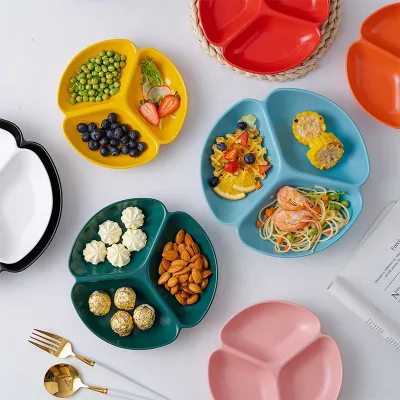

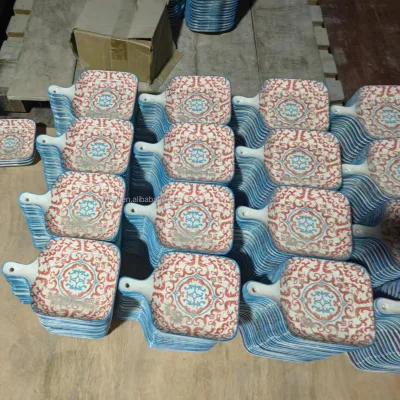


Environmentally Friendly Non Toxic Ceramic Plate for Colleague Gatherings
$1.30 - $8.00
MOQ: 100 Pieces


Sturdy Convenient Ceramic Serving Plate for Relatives Friends Gatherings
$1.30 - $8.00
MOQ: 100 Pieces




Comprehensive Sourcing Guide
Nordic Durable Ceramic Platter Sourcing Guide
Sourcing Nordic durable ceramic platters requires identifying suppliers who balance minimalist aesthetics with robust functional performance for commercial and residential use. The observed market data indicates a diverse range of options, including round, rectangular, and oval shapes made from high-quality ceramic and porcelain materials. Buyers should prioritize listings that explicitly state the product is non-disposable and suitable for high-temperature applications like ovens and microwaves, ensuring the platter can withstand daily service demands without cracking or degrading.
Procurement teams must verify that the selected platters align with specific usage scenarios, such as serving large meals or presenting baked goods in professional kitchens. The available product models suggest a wide variety of sizes, ranging from small 7-inch plates to large 18-inch serving platters, allowing for versatile menu planning. It is critical to confirm that the "Nordic" style designation corresponds to the observed modern, multicolor, or unicolor finishes that match your brand identity, rather than assuming all ceramic stock meets this specific aesthetic requirement.
Product Scope and Observed Listing Signals
The current market offers a broad spectrum of ceramic dinnerware, with observed listings featuring both stocked inventory and fully customized production runs. Buyers will encounter products described as eco-friendly and health-conscious, often utilizing glazed techniques to ensure a smooth, non-porous surface that resists staining and discoloration. The presence of bulk packaging and export cartons in the data suggests that suppliers are prepared for large-volume orders, though the specific packing method, such as brown boxes or custom cartons, must be confirmed to prevent transit damage.
When evaluating product scope, it is essential to distinguish between standard stock items and bespoke solutions, as the customization options available include specific dimensions and branding. The observed data highlights models with varying thicknesses and diameters, indicating that durability is not uniform across all listings. Buyers should carefully review the "Ideal for" attributes to ensure the platter is designed for the intended frequency of use, whether for daily dining or occasional high-end serving, as this directly impacts the longevity and value of the purchase.
Technical Specifications to Verify
Technical verification begins with confirming the raw material composition, as the supply chain data points to both ceramic and porcelain as primary materials. Porcelain generally offers superior density and translucency, which are desirable traits for high-end Nordic designs, while standard ceramic provides a more rustic aesthetic. Buyers must explicitly request the specific making method, such as handmade or machine-pressed, as this influences the final texture and structural integrity of the platter, ensuring it meets the rigorous standards required for commercial kitchen environments.
Dimensional accuracy is another critical specification, with observed listings offering a wide range of sizes from 7 inches up to 30 centimeters in diameter. The standard thicknesses vary significantly, ranging from 2.2 cm to 3 cm, which directly affects the platter's weight and thermal mass. Procurement teams should verify that the listed dimensions match the physical product samples, as discrepancies can lead to compatibility issues with existing tableware sets or serving equipment. Additionally, confirming the glaze technique is essential to ensure the surface is safe for microwave and dishwasher use without fading or chipping over time.
Compliance and Safety Documentation
Safety compliance is paramount when sourcing food-contact ceramics, and the observed listings frequently cite certifications such as CE, EU, and FDA standards. These certifications indicate that the materials used are free from harmful lead and cadmium leaching, which is a critical requirement for products intended for oven, microwave, and freezer use. Buyers must request current test reports from accredited laboratories to validate these claims, ensuring that the specific batch of platters being ordered meets the strict safety thresholds of the destination market.
Beyond material safety, documentation regarding eco-friendly attributes should be scrutinized to support sustainability goals. The market data includes products marketed as eco-friendly, but this claim requires substantiation through verified production processes or material sourcing statements. Suppliers should provide clear evidence of their manufacturing practices, such as energy-efficient firing methods or the use of recycled materials, to align with corporate responsibility mandates. Without this documentation, the eco-friendly label remains an unverified marketing claim that could expose the buyer to reputational risk.
Cost Drivers and Commercial Terms
Cost structures for Nordic ceramic platters are heavily influenced by the complexity of the design, the thickness of the material, and the chosen customization level. The observed price range spans from $0.50 to $1800, reflecting the vast difference between basic stock items and high-end, custom-designed sets. Buyers should anticipate that thicker, hand-glazed, or uniquely shaped platters will command a premium price, while standard round or rectangular stock items remain more affordable. Understanding these drivers helps in budgeting for the specific quality tier required for the intended application.
Commercial terms, including Minimum Order Quantities (MOQ) and packaging requirements, vary significantly across suppliers. The data shows MOQs ranging from a single unit to 500 pieces, allowing flexibility for both trial orders and large-scale procurement. Packaging options, from bulk shipping to export cartons and brown boxes, also impact the final landed cost and must be factored into the total budget. Buyers should negotiate clear terms regarding shipping and insurance, especially for fragile ceramic items, to ensure that the cost of goods sold does not escalate due to transit damage or inefficient logistics.
Supplier Qualification and Quality Control
Supplier qualification requires a thorough assessment of their production capabilities and quality control protocols, particularly given the handmade nature of many ceramic products. The observed data indicates origins in Guangdong, China, a region known for its extensive ceramic manufacturing infrastructure. Buyers should verify the supplier's ability to maintain consistency in glaze application and firing temperatures, as these factors determine the final product's durability and resistance to thermal shock. Requesting a sample batch for rigorous testing is a necessary step before committing to a large order.
Quality control measures must extend beyond the factory floor to include pre-shipment inspections that verify dimensional accuracy and surface finish. The presence of specific product models and standards in the data suggests that suppliers have established production lines, but variability can still occur between batches. Buyers should implement a strict acceptance criteria that checks for defects such as warping, glaze cracks, or color inconsistencies. Establishing a clear communication channel for reporting quality issues ensures that any deviations from the agreed specifications are addressed promptly and effectively.
Long-Term Procurement Checks
Establishing a long-term procurement strategy involves regular audits of supplier performance and product consistency over time. As the market for Nordic ceramic platters evolves, buyers must remain vigilant about changes in material quality or manufacturing standards that could affect the product's safety and durability. Periodic re-testing of samples from new production runs ensures that the supplier maintains the high standards required for food-contact applications, preventing any degradation in product quality that could impact customer satisfaction.
Building a resilient supply chain also requires diversifying sources to mitigate risks associated with single-supplier dependency. The observed variety in product models and origins suggests that multiple suppliers can meet the core requirements for durable ceramic platters. Buyers should maintain a portfolio of qualified vendors to ensure continuity of supply and competitive pricing. Regularly reviewing the supplier's ability to meet lead times and adapt to customization requests will help maintain a stable and efficient procurement process for years to come.
FAQs
What certifications do the ceramic platters have?
The ceramic platters hold CE/EU and FDA certifications for safety compliance. Some listings also mention SGS certification for quality assurance. These certifications ensure the products meet international standards for kitchenware and dinnerware use in various global markets.
Can I order customized ceramic dinner plates?
Yes, customization is available for ceramic dinner plates and platters. Buyers can request specific sizes, shapes, or designs to match their needs. The products are often made from porcelain and ceramic materials with glazed techniques for a durable finish.
Which sizes are available for the ceramic plates?
Multiple sizes are available ranging from 7 inches up to 18 inches. Specific models include sizes like 15, 18, 20, 23, 25, 28, and 30 centimeters. The standard options cover various round and rectangular shapes suitable for serving and daily use.
How are the ceramic products packaged for shipping?
Packaging options include bulk packaging, brown boxes, and export cartons depending on the order. Some items are shipped in standard export cartons to ensure safety during transit. The packaging is designed to protect the ceramic material from damage while maintaining eco-friendly standards.
What is the minimum order quantity for these items?
The minimum order quantity varies, with some listings requiring 500 pieces. Other options may start as low as one unit for stock items. Buyers should check specific product models to confirm the exact MOQ before placing an order for ceramic dinnerware.
Are these ceramic platters suitable for ovens and microwaves?
Yes, the ceramic platters are suitable for use in ovens, microwaves, dishwashers, and freezers. They are designed for thermostability and daily use in kitchen environments. This versatility makes them ideal for serving food while maintaining safety and durability during heating or cooling processes.
Where are these ceramic products manufactured?
The products originate from China, specifically from locations like Chazhou in Guangdong. This region is known for producing high-quality ceramics and porcelain. The manufacturing process often involves handmade techniques and glazed finishes to ensure a premium quality finish for the final dinnerware.