Source Nordic Style Simulation Olive Tree for Garden Decor
Compare 30 listings for the Nordic Style Simulation Olive Tree, featuring fiberglass and plastic materials with natural touch leaves. Buyers can evaluate options for indoor and outdoor artificial garden applications with heights up to 15ft and varying packaging standards.
Key considerations
Products List
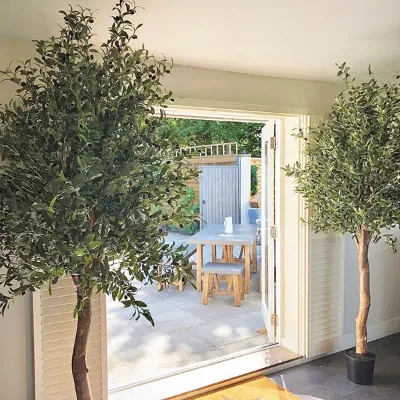


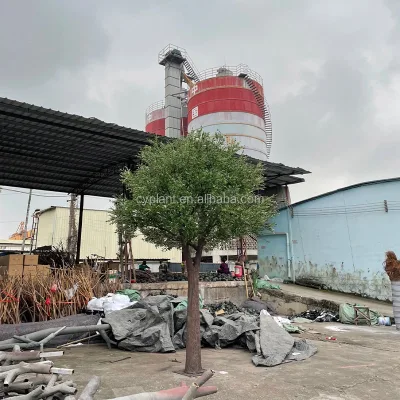


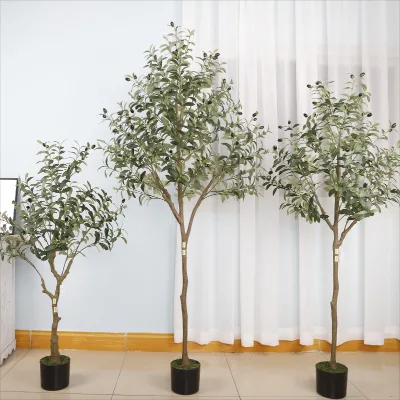


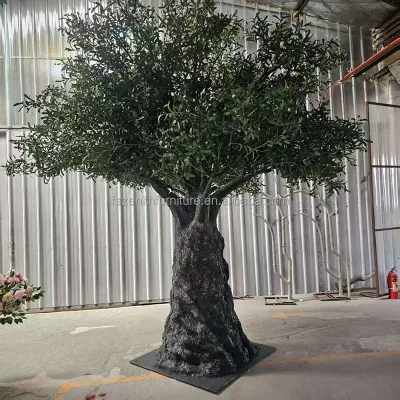
Customized Event Nordic Home Decoration Large Artificial Olive Tree Tall Artificial Olive Tree
$998.84 - $1009.14
MOQ: 10 pieces


Comprehensive Sourcing Guide
Sourcing Guide for Nordic Style Simulation Olive Trees
The global demand for artificial greenery has surged as businesses and residential developers seek low-maintenance, durable aesthetic solutions that mimic nature without the logistical burdens of live plants. Within this expanding market, the Nordic Style Simulation Olive Tree has emerged as a distinct category, prized for its minimalist elegance and ability to bridge indoor and outdoor environments. This guide provides a comprehensive, evidence-based framework for procurement professionals evaluating suppliers of these specific products. By analyzing technical specifications, material composition, and supply chain variables, buyers can make informed decisions that align with their design requirements and operational constraints.
Technical Specifications and Material Composition
When sourcing simulation olive trees, particularly those adhering to a Nordic aesthetic, the technical specifications define the product's longevity and visual authenticity. The core material composition is a critical differentiator. Market observations indicate that these products are frequently constructed using a combination of fiberglass and plastic. Fiberglass is often utilized for the structural framework, providing the necessary rigidity to support the tree's shape while remaining lightweight enough for transport. Plastic components are typically employed for the leaf textures and finer details, allowing for the creation of realistic vein patterns and color gradients essential to the olive tree look.
The physical dimensions of these trees vary significantly based on the intended application. Standard models may feature a height of approximately 15 feet, suitable for large atriums or commercial lobbies, while other configurations are designed for tighter spaces. The single package size for larger units can be substantial, with dimensions reaching up to 250x80x80 cm, necessitating careful logistics planning. The weight of a single unit is another vital specification; observed data suggests a single gross weight of around 40.0 kg, which impacts shipping costs and handling requirements.
Coloration is a defining characteristic of the Nordic style. While traditional olive trees are associated with specific shades of green, the market offers a range including standard green, army green, and multicolor variations. The surface treatment often involves printing techniques to achieve a natural look, ensuring that the leaves do not appear overly uniform or artificial. The root system is typically simulated soil, designed to anchor the tree securely in a planter or base without the need for actual earth.
Design Aesthetics and Functional Applications
The Nordic style emphasizes simplicity, functionality, and a connection to nature. Simulation olive trees in this style often feature a clean, uncluttered silhouette with a focus on the texture of the foliage rather than excessive ornamentation. The design is frequently described as "new" or modern, aligning with contemporary interior design trends that favor organic forms. The shape of the tree is often customizable, allowing buyers to request specific silhouettes that match their architectural plans, such as a "as photo" specification where the supplier replicates a reference image.
These trees serve a dual purpose in both indoor and outdoor applications. Their versatility makes them ideal for artificial gardens, decorative corners in retail spaces, hotel lobbies, and residential patios. The usage extends beyond mere decoration; they are often selected for their ability to withstand varying environmental conditions. However, buyers must note that while the trees are suitable for outdoor use, specific performance claims regarding weather resistance should be verified with the supplier, as some models may be designated as non-fire retardant.
The application scope is broad, ranging from small-scale decorative accents to large-scale landscape installations. The "Artificial Garden" application suggests that these trees are often part of a larger ecosystem of fake plants, requiring consistency in material and style across different product lines. The "Natural Touch Leaf" attribute is a key selling point, indicating that the tactile experience of the leaves is designed to mimic real olive foliage, enhancing the immersive quality of the space.
Compliance, Safety, and Certification Verification
In the B2B procurement of artificial plants, compliance and safety standards are paramount, yet often overlooked. A critical observation from the product data is that certain simulation olive trees are listed as "Non-fire Retardant." This is a significant factor for buyers sourcing products for public spaces, commercial buildings, or venues with strict fire safety codes. Procurement teams must verify whether the specific model meets local fire safety regulations, such as those enforced by building authorities in the destination country. If fire resistance is a requirement, buyers should explicitly request products that have undergone independent testing for flame spread and smoke density, rather than assuming all listed items meet these criteria.
Certification status is another area requiring due diligence. While some suppliers may offer products that adhere to environmental standards, the provided data does not confirm universal compliance with specific international certifications. Buyers should inquire about the "Environmentally Friendly" claims often associated with these products. This could refer to the recyclability of the plastic or fiberglass materials, or the absence of harmful chemicals in the production process. However, without specific certification documents, these claims should be treated as observations rather than guaranteed standards.
The "Standard" attribute in the product data indicates that production standards are often "As Your Request" or "Customized." This flexibility allows for tailored compliance but places the onus on the buyer to define the necessary standards clearly in the purchase order. For instance, if a project requires specific UV resistance for outdoor use, this must be explicitly stated, as the standard manufacturing process may not inherently include these treatments unless requested.
Cost Drivers and Pricing Structure
The pricing of simulation olive trees is influenced by a complex interplay of factors, including material costs, labor intensity, and customization levels. The observed price range in the market spans from $3 to over $1,000 USD, reflecting the vast difference between small, mass-produced units and large, handcrafted installations. The "Handmade" process noted in the product specifications is a primary cost driver. Trees that are crafted by hand typically command a higher price due to the labor-intensive nature of leaf attachment and shaping, which ensures a higher degree of realism compared to machine-made alternatives.
Material selection also plays a crucial role in pricing. Fiberglass and high-grade plastics are generally more expensive than basic synthetic materials, contributing to the higher end of the price spectrum. Additionally, the complexity of the design, such as the inclusion of a simulated soil root system or a custom base, adds to the overall cost. The "High Quality with Best Price" advantage claimed by some suppliers suggests a competitive market, but buyers should be wary of prices that seem disproportionately low, as they may indicate a compromise in material quality or workmanship.
Minimum Order Quantity (MOQ) is another significant cost consideration. The observed MOQ range is between 1 and 100 units, offering flexibility for both small retailers and large distributors. However, custom orders often come with higher MOQs or additional setup fees. Buyers should negotiate based on their volume needs, keeping in mind that larger orders may yield better unit prices but require more upfront capital and storage capacity.
Supplier Evaluation and Service Capabilities
Selecting the right supplier is critical for ensuring product consistency and reliable delivery. The product data highlights that suppliers often accept ODM (Original Design Manufacturing) and OEM (Original Equipment Manufacturing) services. This capability is essential for buyers looking to brand the products with their own logos or customize the design to fit a specific theme. However, the data also notes that some listings feature "Without Logo Printing," indicating that branding is not automatic and must be explicitly requested.
The place of origin for these products is predominantly Guangdong, China, a region known for its manufacturing capabilities in artificial plants and decorative items. Buyers should verify the supplier's specific location within this region, as proximity to ports can influence lead times and shipping costs. The "Customized" attribute suggests that suppliers are willing to adapt to specific requirements, but the extent of this customization should be clarified before placing an order.
Service quality is another key evaluation metric. Suppliers that offer "Standard Package" or "Sustainable Material Packaging" demonstrate a commitment to product protection and environmental responsibility. The packaging method, whether it involves bubble wrap with a wood frame or standard cartons, directly impacts the risk of damage during transit. Buyers should request detailed packaging specifications to ensure that the trees arrive in pristine condition, especially given the fragile nature of the fiberglass and plastic components.
Quality Control and Long-Term Procurement Considerations
Quality control is essential to mitigate the risks associated with purchasing simulation trees, particularly those with a long expected lifetime. The observed product lifetime ranges from 3 to 5 years, which sets a benchmark for durability. Buyers should implement rigorous quality control checks upon receipt of goods, focusing on the integrity of the fiberglass structure, the attachment of the leaves, and the stability of the base. Any signs of cracking, discoloration, or loose components should be addressed immediately with the supplier.
Long-term procurement considerations involve the sustainability of the supply chain and the potential for future orders. The "Sustainable Material Packaging" and "Environmentally Friendly" attributes suggest a growing trend towards eco-conscious manufacturing. Buyers interested in this aspect should request documentation on the materials' lifecycle and disposal options. Additionally, the "Customization" and "Design" capabilities of suppliers mean that buyers can plan for future expansions or design updates without needing to switch vendors.
Lead times and production capacity are also vital for long-term planning. While specific lead times are not provided in the data, the complexity of handmade products suggests that production may take longer than for mass-market items. Buyers should establish clear communication channels with suppliers to monitor production progress and ensure timely delivery. Finally, the "Non Power" attribute indicates that these trees require no electricity, simplifying maintenance and reducing operational costs over the product's lifespan.
Summary of Key Procurement Variables
To facilitate quick reference during the sourcing process, the following table summarizes the critical variables identified in the market analysis. This comparison highlights the range of options available and the specific attributes that buyers must verify to ensure alignment with their project requirements.
| Variable Category | Observed Range / Options | Key Verification Point |
|---|---|---|
| Material | Fiberglass, Plastic, Metal | Verify structural integrity and UV resistance. |
| Height | Up to 15ft (varies by model) | Confirm dimensions match space constraints. |
| Color | Green, Army Green, Multicolor | Ensure color matches design palette. |
| Fire Safety | Non-fire Retardant (common) | Request fire retardant certification if required. |
| MOQ | 1 to 100 units | Negotiate based on volume and budget. |
| Packaging | Boxed, Carton, Bubble Wrap | Assess protection level for shipping. |
| Origin | Guangdong, China | Verify logistics and lead time estimates. |
| Customization | Available (ODM/OEM) | Define logo and design requirements clearly. |
By adhering to these guidelines and maintaining a rigorous approach to verification, procurement professionals can successfully source high-quality Nordic style simulation olive trees that meet both aesthetic and functional standards. The focus on evidence-based evaluation ensures that decisions are grounded in the actual characteristics of the products rather than marketing claims, leading to more reliable and satisfactory outcomes for all stakeholders involved.
FAQs
What materials are used to make these trees?
These trees are constructed using fiberglass and plastic materials. Fiberglass provides the structural framework while plastic is used for leaf textures to ensure a realistic appearance.
How long does the product typically last?
The expected lifetime for these artificial trees ranges from 3 to 5 years. This duration depends on environmental exposure and maintenance practices during indoor or outdoor usage.
Can I customize the design or logo?
Customization is available for design and shape specifications. However, logo printing is not automatic and must be explicitly requested as some listings show without logo printing.
What is the minimum order quantity required?
The minimum order quantity varies between 1 and 100 units depending on the supplier. Specific orders may require a minimum of 3 meters for certain product configurations.
Where are these products manufactured?
The place of origin for these products is Guangdong, China. This region is a known hub for manufacturing artificial plants and decorative items with various customization capabilities.
Are these trees fire retardant?
Some listed models are non-fire retardant. Buyers must verify specific fire safety compliance with the supplier before purchasing for public spaces or areas with strict safety codes.
What packaging methods are used for shipping?
Packaging options include standard cartons, bubble wrap with wood frames, or sustainable material packaging. The specific method depends on the single package size and product weight.