Source Nylon Tyre Cord Fabric for Tyres, Hoses, and V-Belts
Compare 30 listings of Nylon Tyre Cord Fabric from Chinese manufacturers. Buyers can evaluate specifications like gram weight, model numbers, and customization options for tyres, rubber hoses, and V-belts.
Key considerations
Products List


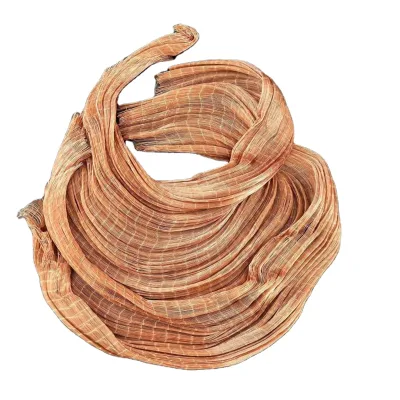
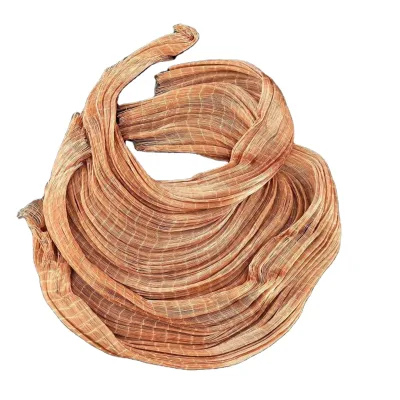
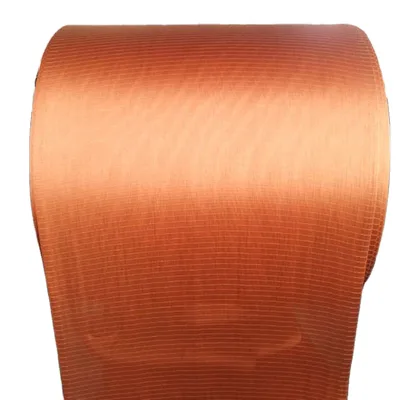
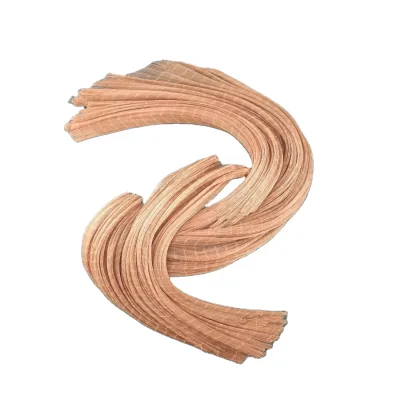


Comprehensive Sourcing Guide
Strategic Sourcing Guide for Nylon Tyre Cord Fabric
Understanding Technical Specifications and Material Composition
When sourcing Nylon Tyre Cord Fabric, buyers must first distinguish between the specific material compositions and structural forms available in the market. The core product category typically centers on high-performance synthetic fibers designed to reinforce rubber products. Based on available market data, the primary material composition is identified as Nylon 66, though some listings also reference Nylon 6 or general Polyamide Fiber. The distinction between Nylon 6 and Nylon 66 is critical, as Nylon 66 generally offers superior thermal stability and fatigue resistance, which are paramount for tyre applications. The fabric structure is consistently described as a "Fabric Form" or "Yarn Form," indicating that the product can be supplied as a woven cord fabric or as the yarn itself for further processing.
The physical specifications of the fabric vary significantly depending on the intended application. Width specifications observed in the market range from 57/58 inches to 58/60 inches. Gram weight is another vital parameter, with observed ranges spanning from 9 GSM up to 260 GSM. This wide variance suggests that the product is not a single uniform item but a category of materials tailored for different load-bearing requirements. The denier, which measures the linear mass density of the fiber, is a key indicator of strength. Common model numbers and denier specifications include 420D, 630D, 840D, 1260D, 1680D, and 1890D. These figures often appear in combinations, such as 840d/2 or 1260d/2, indicating the ply count or the specific construction of the cord. Buyers should verify that the specific denier and ply count match the engineering requirements of their tyre or hose design.
Compliance, Certification, and Quality Standards
In the realm of industrial textiles, particularly for safety-critical applications like tyres, compliance and certification are non-negotiable. While specific third-party certifications like ISO 9001:2008 are sometimes referenced in general background information, buyers must not assume that every listed product automatically possesses these certifications. Instead, the procurement strategy must involve a rigorous verification process where the supplier provides current, valid certificates for the specific batch or production line. The market data indicates a focus on "Good Impact Resistance," "Fatigue-Proof" capabilities, and "Adhesion" properties. These are functional specifications that must be validated through independent testing rather than accepted as standard claims.
Buyers should request test reports that specifically address the "High Breaking Strength" and "Low Shrinkage" features often advertised. The standard specifications observed include codes like 323454 and various denier combinations (e.g., 1000d, 1300d, 1500d). However, these numbers should be treated as product identifiers rather than universal standards. The absence of explicit, universally recognized standard numbers in the provided data means that the buyer must define the required standard (such as specific ISO or ASTM standards for tyre cord) and ask the supplier to confirm their product's conformance. Relying on the supplier's internal "prod_standard" labels without external validation can lead to compatibility issues in the final rubber product.
Cost Drivers and Pricing Dynamics
The pricing for Nylon Tyre Cord Fabric is influenced by a complex interplay of material costs, production complexity, and order volume. The observed price range in the market is substantial, spanning from $1.50 to $5,000 USD. This wide disparity is not indicative of a single product type but rather reflects the difference between small sample orders, low-gram-weight yarns, and large-volume rolls of heavy-duty cord fabric. The Minimum Order Quantity (MOQ) is equally variable, ranging from 1 unit to 1,000 units. This flexibility allows buyers to test the market with low MOQs but requires careful calculation of unit economics when scaling up.
Several factors drive the final cost. The denier count is a primary driver; higher denier fabrics (e.g., 1890D) require more raw material and more complex weaving processes, leading to higher costs. The chemical treatment, such as the "Coated" style mentioned in the specifications, also adds to the price. Coating processes are essential for ensuring adhesion to rubber compounds and preventing delamination, but they increase manufacturing time and material usage. Additionally, the origin of the product, with major production hubs identified in China and specifically Suzhou, can influence logistics costs. Buyers should note that payment terms, such as the common structure of 30% in advance and 70% before delivery, affect cash flow and should be factored into the total cost of ownership.
Typical Applications and Functional Requirements
Nylon Tyre Cord Fabric is a specialized material engineered for high-stress environments. The primary applications identified include transportation textiles, specifically for tyres, rubber hoses, and V-belts. The functional requirements for these applications are stringent. The fabric must exhibit "Tear-Resistant" properties to withstand the dynamic stresses of rolling and braking. It must also possess "High Temperature Fiber" capabilities, as tyres generate significant heat during operation. The "High Elasticity" and "Low Shrinkage" attributes are crucial for maintaining the structural integrity of the tyre under inflation pressure and varying temperatures.
Beyond tyres, the material is utilized in general rubber products and spinning applications. The "Abrasion-Resistant" and "Anti-Distortion" features ensure that the fabric does not degrade quickly when exposed to friction or mechanical stress. The color of the fabric, often observed as Brown or Black, is typically a result of the coating or dyeing process used to enhance UV resistance and chemical stability. When sourcing for specific applications, buyers must match the fabric's grammage and denier to the specific load requirements. For instance, heavy-duty truck tyres will require higher GSM and denier ratings compared to passenger car tyres or industrial hoses. The "Structure" of the fabric, whether it is a plain weave or a more complex formation, also dictates its suitability for different rubber bonding processes.
Supplier Evaluation and Origin Verification
Evaluating suppliers for Nylon Tyre Cord Fabric requires a focus on production capability and geographical origin. The market data indicates that production is concentrated in China, with Suzhou highlighted as a specific manufacturing hub. This concentration suggests a mature supply chain with established logistics for exporting textile products. However, buyers should not rely solely on the country of origin as a proxy for quality. Instead, the evaluation should focus on the supplier's production history. One specific attribute noted is that the factory has been producing this product for more than 10 years, which serves as a strong indicator of stability and accumulated technical expertise.
When assessing a supplier, buyers should verify the "prod_packing" methods. The data shows options for "Pack in Roll" or "Carton" packaging. The choice of packaging affects the condition of the fabric upon arrival; rolls are standard for continuous production lines, while cartons may be used for smaller, discrete orders. The supplier's ability to provide samples is another critical evaluation point. The availability of free samples (without freight) allows buyers to conduct preliminary quality checks before committing to a large order. Furthermore, the customization capabilities of the supplier should be confirmed. The market data explicitly states that "Customization: Available," meaning buyers can request specific widths, deniers, or coating types. However, the buyer must clearly define these requirements to ensure the supplier can meet them without compromising the fabric's structural integrity.
Quality Control and Long-Term Procurement Considerations
Implementing a robust quality control (QC) protocol is essential for mitigating risks associated with Nylon Tyre Cord Fabric. Given the critical nature of the application, visual inspection of the fabric for defects, such as uneven weaving or inconsistent coating, is the first step. However, visual checks are insufficient. Buyers must insist on laboratory testing for "High Breaking Strength" and "Fatigue Resistance." The observed specifications mention "Good Impact Resistance," but this must be quantified through standardized testing protocols. The "Structure" of the fabric, described as a "Synthetic Carbon Chain," implies a specific chemical composition that must be verified to ensure it matches the Nylon 66 or Nylon 6 designation.
Long-term procurement considerations extend beyond the initial purchase. Buyers should evaluate the supplier's ability to maintain consistent quality over time. The "10-year production history" mentioned in the data is a positive signal, but it does not guarantee future consistency. Establishing a long-term partnership often involves negotiating favorable payment terms and securing a reliable supply chain. The "30% in Advanced, 70% Will Be Paid Before Delivery" term is standard but should be reviewed in the context of the buyer's cash flow. Additionally, the "Sample: Free(Without Freight)" policy can be leveraged to build a relationship with the supplier, allowing for iterative testing and refinement of the product before full-scale production begins.
Comparison of Key Product Attributes
To facilitate decision-making, the following table summarizes the key attributes observed in the market for Nylon Tyre Cord Fabric. This comparison highlights the variability in specifications that buyers must navigate.
| Attribute Category | Observed Range/Options | Critical Verification Point |
|---|---|---|
| Material Composition | Nylon 66, Nylon 6, Polyamide Fiber | Confirm specific polymer type (Nylon 6 vs. 66) for thermal stability. |
| Denier/Model | 420D to 1890D (e.g., 840d/2, 1260d/2) | Match denier to load-bearing requirements of the final tyre/hose. |
| Width | 57/58" to 58/60" | Ensure width compatibility with the buyer's weaving or curing machinery. |
| Gram Weight | 9 GSM to 260 GSM | Select weight based on the specific application (light vs. heavy duty). |
| Structure | Fabric Form, Yarn Form, Plain | Verify if the product is a finished fabric or raw yarn for further processing. |
| Coating/Style | Coated, Plain | Confirm coating type for adhesion to rubber compounds. |
| Packaging | Pack in Roll, Carton | Choose packaging based on storage and handling capabilities. |
| Origin | China (Suzhou) | Verify logistics and lead times from the specific manufacturing hub. |
In conclusion, sourcing Nylon Tyre Cord Fabric requires a meticulous approach that balances technical specifications with supplier reliability. By focusing on the verified attributes such as material composition, denier ratings, and functional properties like fatigue resistance, buyers can ensure they select a product that meets the rigorous demands of the transportation and rubber industries. The wide range of available options necessitates a clear definition of requirements before engaging with suppliers, ensuring that the final product aligns perfectly with the intended application.
FAQs
What materials are used for Nylon Tyre Cord Fabric?
The primary materials are Nylon 66 and Nylon 6, often listed as Polyamide Fiber. Some products also specify 100% Polyester, but Nylon 66 is preferred for superior thermal stability and fatigue resistance in tyre applications.
Which denier specifications are available for this fabric?
Common model numbers include 420D, 630D, 840D, 1260D, 1680D, and 1890D. These are often supplied as specific plies like 840d/2 or 1260d/2 to meet varying load-bearing requirements for tyres and hoses.
Can buyers request customization for width and packing?
Yes, customization is available for specific width and packing requirements. Widths typically range from 57/58 inches to 58/60 inches, and products can be packed in rolls or cartons depending on order volume.
How does the gram weight vary across different products?
Gram weight ranges from 9 GSM up to 260 GSM depending on the specific product model. This variance allows selection of light-weight yarns for spinning or heavy-duty fabric for truck tyres and industrial hoses.
What are the key functional features of this fabric?
Key features include high breaking strength, low shrinkage, and high elasticity. The fabric is also tear-resistant, abrasion-resistant, and designed to withstand high temperatures and fatigue during tyre operation.
Where are these nylon tyre cord fabrics manufactured?
Production is concentrated in China, with Suzhou identified as a specific manufacturing hub. Factories in this region have over ten years of production experience for this specific product category.
What are the typical payment terms for orders?
Standard payment terms require 30% in advance and 70% before delivery. Free samples are available without freight charges, allowing buyers to verify quality before committing to larger purchase volumes.