Source oeko-tex bamboo mattress topper for Home, Hotel, School
Compare 30 oeko-tex bamboo mattress topper options from verified Chinese manufacturers. Buyers can evaluate thickness, hardness, and customization features for home, hotel, and school applications.
Key considerations
Products List


Bamboo Mattress Topper Queen Cooling Top Pad Deep Fitted Mattress Cover
$12.80 - $28.80
MOQ: 200 Pieces


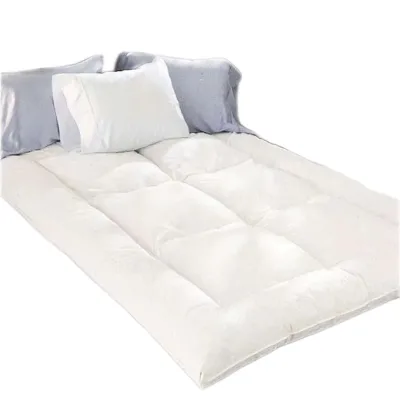
Soft and Comfort Bamboo Mattress Topper with Down Alternative Filled Pillowtop
$15.99 - $19.99
MOQ: 200 Pieces


Ultra Soft Filling Mattress Topper Cooling Rayon From Bamboo with Deep Pocket
$18.90 - $39.80
MOQ: 300 Pieces
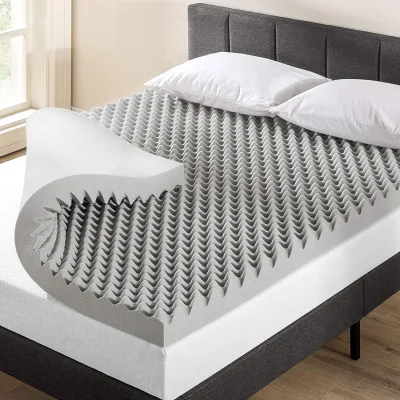

Cooling Bmaboo Mattress Pad Fluffy Down Alternative Bed Mattress Pad Topper
$7.77 - $8.65
MOQ: 200 Pieces

Luxury Cool-Touch Rayon Bamboo Mattress Topper Pad Quilted Mattress Topper
$11.00 - $11.50
MOQ: 200 Pieces


Cooling Bamboo Queen Mattress Topper Soft Mattress Topper for Back Pain
$12.70 - $13.70
MOQ: 200 Pieces


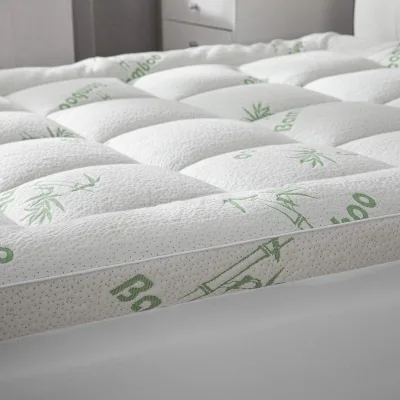

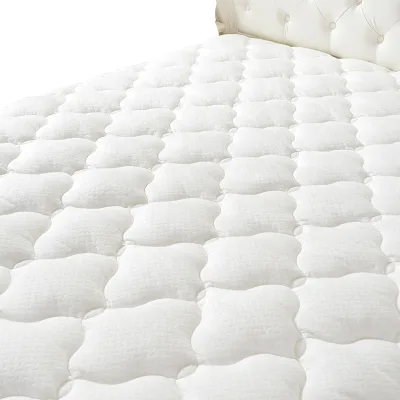
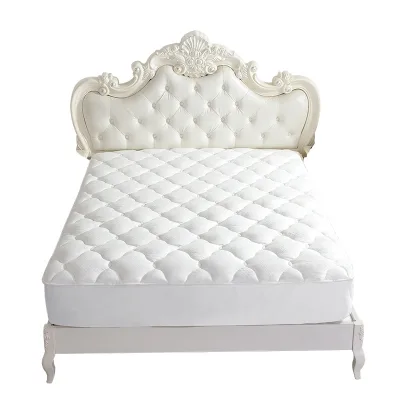

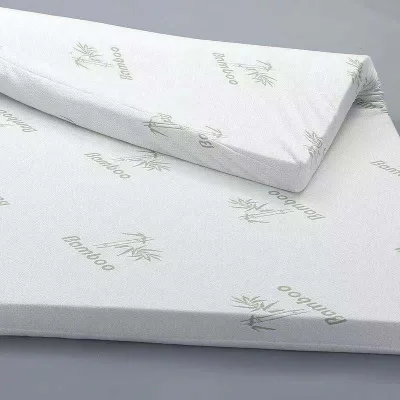

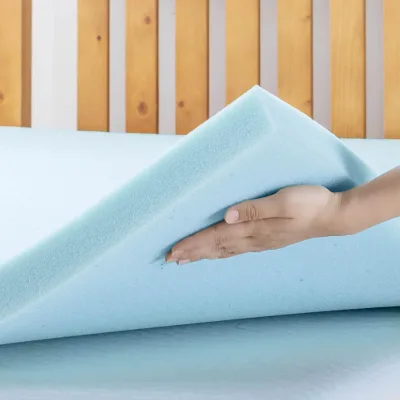
Bamboo Anti-Bacterial High Density Memory Foam Bed Mattress Topper Pad
$18.00 - $30.00
MOQ: 300 Pieces

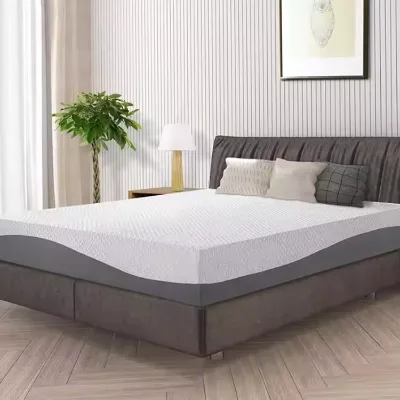
High-Density Soft Foam Mattress Bed Topper with Removable Breathable Bamboo Cover
$69.00 - $79.00
MOQ: 10 Pieces
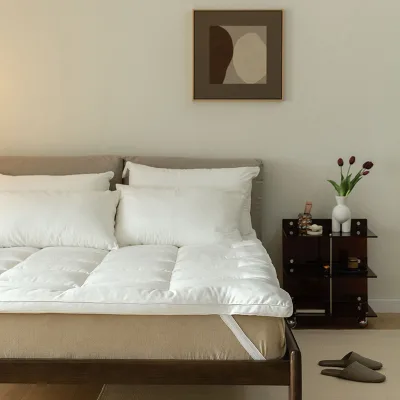
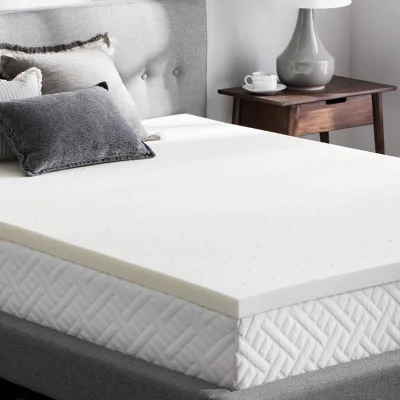
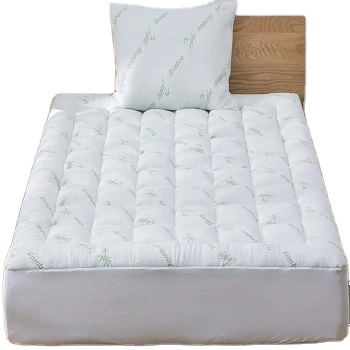
Comprehensive Sourcing Guide
Strategic Sourcing Guide for Oeko-Tex Bamboo Mattress Toppers
Understanding Product Definitions and Core Attributes
When initiating a procurement strategy for bamboo mattress toppers, buyers must first distinguish between the specific material composition and the functional design of the product. The core keyword "oeko-tex bamboo mattress topper" implies a specific intersection of material science and safety standards. Based on available market data, the product category is defined by a "Foam" type, specifically identified as "Memory Foam Mattress" in many listings, though the material composition varies significantly between suppliers. Some products are explicitly constructed with "Bamboo Fibre" as the primary material, while others utilize "100% Cotton" or generic foam cores. The term "Bamboo" in this context often refers to the cover material rather than the core, as the core is frequently a memory foam or similar polyurethane-based structure.
The physical attributes of these toppers are highly variable. The hardness range observed in the market spans from "Soft" to "Medium," indicating that buyers must specify their preference based on the intended user's comfort needs. Thickness is a critical specification, with observed options including "2", 3", and 4" toppers, as well as general descriptors like "Thick" or "Medium." The shape is consistently "Rectangular," and the standard sizes often align with "King/Queen/Single" or specific metric dimensions like "1.5*2.0m." The origin of these products is predominantly "China," with specific manufacturing hubs noted in "Zhejiang, China." Understanding these baseline attributes is essential before evaluating compliance or cost, as a "Bamboo" topper with a "Soft" foam core will have different performance characteristics than a "Medium" hardness variant with a "Cotton" cover.
Technical Specifications and Material Composition
A rigorous evaluation of technical specifications is required to ensure the product meets the intended use case. The material composition is the most critical differentiator. While the search term highlights "bamboo," the supplied facts indicate that some products are made of "100% Cotton" or "Bamboo Fibre." The "Bamboo Fibre" variants often feature a "Woven" technic with a "Plaid" or "Plain" style, whereas cotton options may be "Quilted." The cover design is equally important; features such as a "Zipper" are common, allowing for removable and washable covers. The color options range from standard "White" to "Custom" colors, depending on the supplier's capability.
The structural integrity of the topper is defined by its hardness and thickness. Buyers should verify if the product is "Soft" or "Medium" hardness, as this directly impacts the sleep experience. The thickness specifications are not uniform; some listings offer "2", 3", and 4" options, while others simply state "Thick." The standard size configurations vary, with some products adhering to "KING/QUEEN/FULL/SINGLE" standards and others offering "Queen or Customized" sizes. The packing method is also a technical consideration, with options ranging from "Rolled Vacuum Pack" to "Rolled Comress Package Into PP Bag and Carton Box" or "Standard Export Carton." These packing methods influence shipping costs and the condition of the product upon arrival, particularly for vacuum-sealed items that require time to expand.
Compliance Verification and Certification Standards
The inclusion of "Oeko-Tex" in the search query suggests a high priority on chemical safety and textile certification. However, it is crucial to note that while "Oeko-tex" appears in background knowledge, it is not listed as a confirmed standard for the specific products in the supplied dataset. Instead, the observed standards for these products include "CE," "SGS," and specific size standards like "60x80"." This discrepancy highlights a vital step in the sourcing process: verification. Buyers cannot assume that a product labeled as "bamboo" automatically carries Oeko-Tex certification. The presence of "SGS" and "CE" marks indicates that the product has undergone some form of safety or quality assessment, but these are distinct from the specific Oeko-Tex Standard 100, which tests for harmful substances.
Buyers must explicitly request certification documents from suppliers. The supplied facts mention "Certification" as a general category but do not confirm the specific status of Oeko-Tex for the listed models (e.g., KFT-T019, ES3010, MT). Therefore, the procurement strategy must include a mandatory request for valid, current test reports from accredited laboratories. The "Feature" attributes listed, such as "Anti-Bacteria," "Anti Dust Mite," and "Waterproof," are functional claims that should be backed by the same rigorous testing. If a buyer requires Oeko-Tex certification, they must treat it as a non-negotiable requirement and verify the certificate number against the official Oeko-Tex database before placing an order. Relying on the presence of "SGS" or "CE" alone is insufficient to meet Oeko-Tex requirements.
Cost Drivers and Economic Factors
The pricing structure for bamboo mattress toppers is influenced by several variable factors, including material composition, thickness, and customization levels. The observed price range in the market is substantial, spanning from $3.88 to $89 USD. This wide variance suggests that cost is not solely determined by the base product but by the aggregate of specifications. Thicker toppers (e.g., 4" vs. 2") and those with specialized covers (e.g., Bamboo Fibre vs. standard Cotton) will naturally command higher prices. Additionally, the "Customization" availability allows for bespoke designs, which typically incurs a premium over standard SKUs.
The Minimum Order Quantity (MOQ) is another significant economic driver. The observed MOQ range is between 5 and 500 units, with specific listings showing an MOQ of 100 PCS. For buyers with smaller order volumes, the unit cost may be higher due to the inability to amortize setup and shipping costs over a large batch. Conversely, larger orders may benefit from economies of scale but require a higher upfront capital commitment. The "Delivery Time" of 25-30 days also impacts the total cost of ownership, as longer lead times may necessitate higher safety stock levels or result in delayed revenue generation. Buyers should calculate the total landed cost, including shipping, duties, and potential inventory holding costs, rather than focusing solely on the FOB price.
Typical Applications and Market Segmentation
The versatility of bamboo mattress toppers allows them to serve a diverse range of applications. The observed usage categories include "Hotel," "Home," "School," and "Hospital." This broad applicability indicates that the product is suitable for both residential and commercial sectors. In the hospitality industry, the "Anti-Bacteria" and "Anti Dust Mite" features are particularly valuable for maintaining hygiene standards in guest rooms. Similarly, the "School" and "Hospital" applications benefit from the "Waterproof" and "Anti-Pull" features, which ensure durability and ease of cleaning in high-traffic or high-risk environments.
The "Seasons" attribute, listing both "Spring" and "Summer," suggests that these toppers are marketed for their breathability and temperature regulation properties, which are often associated with bamboo fibers. This makes them ideal for warmer climates or seasons where heat dissipation is a priority. The "Style" options, ranging from "Plain" to "Quilted" and "Plaid," allow buyers to match the aesthetic requirements of different environments. For instance, a "Plain" white topper might be preferred in a hospital setting for its clinical appearance, while a "Quilted" or "Plaid" design might be more suitable for a boutique hotel or residential bedroom. Understanding these application nuances helps buyers select the right product configuration for their specific market segment.
Supplier Evaluation and Quality Control Protocols
Evaluating suppliers requires a multi-faceted approach that goes beyond the basic product listing. The supplied facts indicate that "Factory" status is "Yes," suggesting direct manufacturing capabilities, which can be advantageous for quality control and pricing. However, buyers must verify the specific location, such as "Zhejiang, China," and assess the supplier's capacity to meet the "OEM" (Original Equipment Manufacturer) requirements, which are listed as "Acceptable." This indicates that suppliers are willing to produce custom-branded products, a crucial factor for private label buyers.
Quality control should be a continuous process. Buyers should verify the "Hardness" and "Thickness" consistency across batches, as these are critical for product performance. The "Packing" method, whether "Vacuum Pack" or "Standard Export Carton," must be inspected to ensure the product arrives in the intended condition. For vacuum-packed items, the expansion time and final shape must be confirmed. Additionally, the "Feature" claims, such as "Anti-Bacteria" and "Waterproof," should be validated through third-party testing. Buyers should request sample units for internal testing before committing to a large order. The "Lead Time" of 25-30 days should be factored into the production schedule, and suppliers should be evaluated on their ability to meet these deadlines consistently.
Long-Term Procurement and Sustainability Considerations
Long-term procurement strategies for bamboo mattress toppers should focus on sustainability, supply chain resilience, and product lifecycle management. The use of "Bamboo Fibre" aligns with growing consumer demand for eco-friendly materials, as bamboo is a rapidly renewable resource. However, buyers must verify the sourcing of the bamboo and the processing methods to ensure true sustainability. The "Oeko-Tex" certification, while not confirmed in the supplied data, is a strong indicator of environmental and health safety, and maintaining this standard should be a priority for long-term contracts.
Supply chain resilience is another critical consideration. With the "prod_origin" primarily in China, buyers should diversify their supplier base to mitigate risks associated with geopolitical tensions, logistics disruptions, or raw material shortages. The "Customization" capability of suppliers offers flexibility, allowing buyers to adapt product specifications to changing market trends. Finally, the "Packaging" should be evaluated for its environmental impact. "Rolled Comress Package Into PP Bag and Carton Box" or "Vacuum Pack" options should be assessed for their recyclability and waste reduction potential. By focusing on these long-term factors, buyers can build a sustainable and resilient supply chain for bamboo mattress toppers that meets both current and future market demands.
FAQs
What materials are used for oeko-tex bamboo mattress toppers?
The core material is typically memory foam, while covers may use bamboo fiber or 100% cotton. Buyers should verify specific material composition as listings vary between bamboo fiber covers and cotton options.
Can I find oeko-tex bamboo mattress toppers with custom sizes?
Yes, customization is available for many models with sizes like King, Queen, Single, or custom dimensions. Buyers must confirm specific size availability and MOQ requirements before placing orders.
Which certifications are confirmed for oeko-tex bamboo mattress toppers?
Confirmed standards include CE and SGS, though Oeko-Tex is not explicitly listed in the provided product facts. Buyers must request valid test reports to verify Oeko-Tex compliance directly from suppliers.
How long is the delivery time for oeko-tex bamboo mattress toppers?
The standard delivery time ranges from 25 to 30 days for production and shipping. This lead time should be factored into inventory planning and order scheduling for commercial buyers.
What is the minimum order quantity for oeko-tex bamboo mattress toppers?
The observed MOQ ranges from 5 to 500 units, with some specific listings requiring 100 pieces. Buyers should check individual supplier terms as minimums vary by model and customization level.
Where are oeko-tex bamboo mattress toppers manufactured?
Products originate primarily from China, with specific manufacturing hubs noted in Zhejiang. Buyers should verify factory locations and capacity when evaluating suppliers for long-term partnerships.