Source oeko-tex kids sectional sofa for Kindergarten, Home, Nursery School
Find 30 listings for oeko-tex kids sectional sofa suitable for kindergarten, home, and nursery school applications. Buyers can compare features like armrests, materials, and warranty periods from suppliers in Dongguan and Guangzhou.
Key considerations
Products List


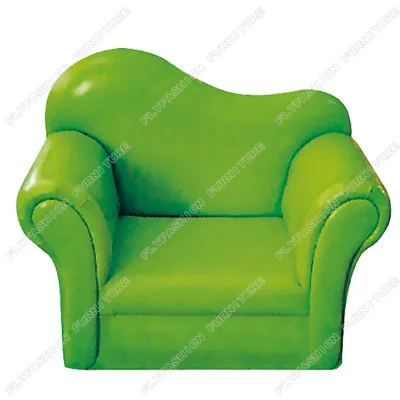

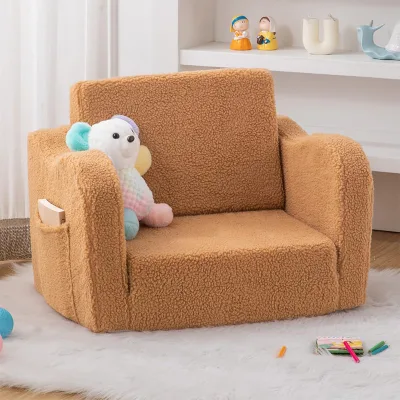
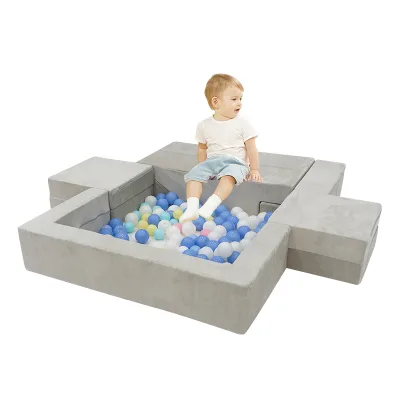
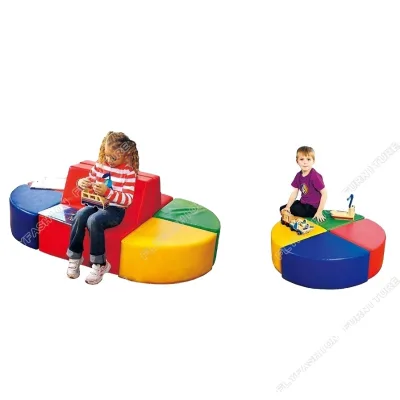
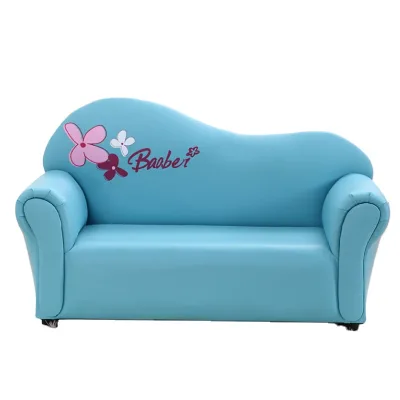
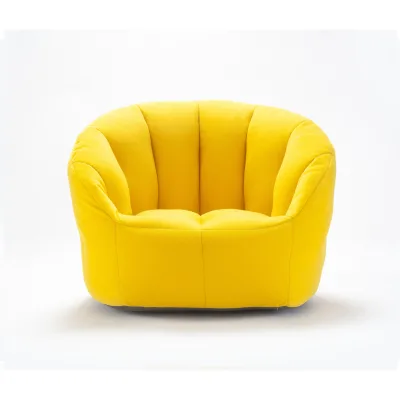
Comprehensive Sourcing Guide
Strategic Sourcing Guide for Oeko-Tex Kids Sectional Sofas
Navigating the global marketplace for children's furniture requires a meticulous approach to safety, material integrity, and supply chain reliability. When searching for a "Oeko-Tex kids sectional sofa," buyers must distinguish between marketing terminology and verified compliance data. The core objective is to secure furniture that ensures a non-toxic environment for young users while meeting the functional demands of educational and residential settings. This guide outlines the essential parameters for evaluating potential suppliers and products, focusing on the intersection of safety certifications, material composition, and structural specifications.
Understanding Material Composition and Safety Standards
The foundation of any safe children's sofa lies in its material composition. In the context of the current market data, materials for kids' furniture frequently include a combination of wood, fabric, foam, leather, PU, and synthetic leather. The presence of "Oeko-Tex" in a product description is a critical indicator, yet it must be verified against specific test standards. While the provided context lists "Oeko-Tex Standard" alongside other certifications like EPA, TECO, CARB, FSC, and REACH, buyers must understand that these certifications apply to specific components, such as the fabric or the wood frame, rather than the entire unit automatically.
For a sectional sofa intended for Grade 1 through Grade 12 students or nursery school environments, the fabric and padding are the primary vectors for chemical exposure. The observed data indicates that materials often include "Synthetic Leather" and "Fabric," with padding typically consisting of "Sponge." Buyers should verify that the fabric used meets the Oeko-Tex Standard 100, which tests for harmful substances like pesticides, heavy metals, and allergenic dyes. The presence of "Wood" as a frame material also necessitates checks for formaldehyde emissions, often addressed by FSC (Forest Stewardship Council) or CARB (California Air Resources Board) certifications. It is essential to note that while "Oeko-Tex" appears in the background knowledge, the specific product listings provided show a mix of certifications, meaning a single product may not hold every listed standard simultaneously.
Technical Specifications and Structural Design
When evaluating a kids' sectional sofa, technical specifications define the product's suitability for its intended application. The observed data highlights several key attributes: "Furniture Type: Children Furniture," "Usage: Kindergarten, Preschool, Home, Nursery School," and "Usage Age: Grade 1- Grade 12." These usage parameters dictate the required durability and safety features. A sectional sofa for this demographic must be robust enough to withstand high-impact activity while maintaining structural integrity.
Key structural observations from the market include the "Frame Material: Wood" and "Padding: Sponge." The design often features a "Medium Back" and varies between "With Armrest" and "Without Armrest" configurations. For a sectional unit, the "L shape" standard is a common configuration, offering space efficiency for classrooms or living rooms. The "Folded: Unfolded" attribute suggests that some units may be modular or designed for specific spatial arrangements, though most kids' sectionals are fixed structures.
Buyers must also consider the "Warranty Time," which varies significantly in the market, ranging from 1 year to 5 years. A 5-year warranty on a children's product often implies a higher confidence in the longevity of the frame and the resilience of the upholstery against wear and tear. The "Condition: New" is a standard requirement, ensuring that no refurbished or used items are inadvertently purchased. Additionally, the "Color Option: Blue+Yellow" and "Color: White" observations indicate that customization is a frequent requirement, allowing buyers to match specific institutional branding or aesthetic preferences.
Compliance Verification and Certification Checks
Compliance is the most critical differentiator in the children's furniture sector. The supply chain for kids' products is heavily regulated, and the term "Oeko-Tex" is often used loosely. Buyers must demand specific test reports that correspond to the claimed standards. The provided data lists a complex array of certifications: "CE, ISO, RoHS," "EPA, TECO, CARB, FSC, REACH, Oeko-Tex Standard."
It is vital to understand that these certifications are not mutually exclusive but rather represent different aspects of compliance. For instance, "CE" and "RoHS" relate to electrical and mechanical safety in the European context, while "FSC" and "CARB" specifically address wood sourcing and formaldehyde emissions. "REACH" is a European regulation concerning the registration, evaluation, authorization, and restriction of chemicals. "Oeko-Tex Standard 100" specifically certifies that the textile components are free from harmful substances.
Buyers should not assume that a product listing mentioning "Oeko-Tex" automatically satisfies all safety requirements. The data shows that some products list "EPA, TECO, CARB, FSC, REACH, Oeko-Tex Standard" together, while others list only "CE, ISO, RoHS." This inconsistency highlights the need for rigorous due diligence. Procurement teams must request the actual test certificates for the specific batch of goods, verifying that the fabric and wood components have been tested by an accredited laboratory. The "Standard for Hazardous Substances Test: EN" mentioned in the data suggests adherence to European Norms, which is a strong indicator of quality but must be cross-referenced with the specific Oeko-Tex label.
Cost Drivers and Pricing Dynamics
The pricing of kids' sectional sofas is influenced by a complex interplay of material costs, certification fees, and manufacturing complexity. The observed price range in the market spans from $9.9 to $3,000 USD. This wide disparity reflects the difference between basic, small-scale units and large, fully customized commercial-grade sectionals.
Several factors drive these costs. First, the "Material" composition is a primary driver. Sofas utilizing high-grade "Wood" frames, "Synthetic Leather," or premium "Fabric" will command higher prices than those using standard "Foam" and basic "Fabric." Second, the level of "Customization" significantly impacts cost. The data indicates that "Customization: Available" and "OEM: Yes" are common features. Customizing the "Color Option," "Standard for Hazardous Substances Test," or the "L shape" configuration requires additional tooling and production time, increasing the unit price.
The "MOQ" (Minimum Order Quantity) also plays a role in the final cost per unit. The observed MOQ range is 1 to 300 units. Buyers ordering small quantities (e.g., 1-10 units) may face higher per-unit costs due to the lack of economies of scale, whereas bulk orders (e.g., 300 units) can leverage lower pricing tiers. The "Currency: Us$" is the standard for these transactions, but buyers should be aware of potential fluctuations. Additionally, "After-Sales Service: Online Technical Support" and "Warranty Time" are value-adds that can influence the total cost of ownership, with longer warranties often correlating with higher initial investment.
Supplier Evaluation and Operational Capabilities
Selecting the right supplier requires more than just verifying product specs; it involves assessing their operational capabilities and logistical reliability. The data indicates that suppliers are primarily located in "Dongguan, Guangdong" and "Guangzhou," with some listing "China" as the general origin. These regions are known for their robust furniture manufacturing ecosystems, but buyers must verify the specific factory's capacity to handle custom orders.
Key evaluation criteria include the "Service: OEM&ODM" capability. This indicates that the supplier can not only manufacture to a buyer's design (OEM) but also develop new products based on the buyer's concept (ODM). The "Sample: in Our Showroom" attribute is a positive sign, suggesting that the supplier has physical inventory for inspection, which is crucial for verifying the "Condition: New" and material quality before committing to a large order.
The "prod_packing" method is another critical factor. The data shows variations such as "Carton Packing," "Packing in Carton," "Woven Bag," and "Export Standard Carton." For international shipping, "Export Standard Carton" is preferred as it offers superior protection against moisture and impact during transit. Buyers should confirm that the packaging strategy aligns with their logistics requirements to minimize damage rates. Furthermore, the "After-Sales Service" of "Online Technical Support" ensures that buyers have a channel for resolving issues related to assembly or product defects, which is particularly important for complex sectional units.
Quality Control and Long-Term Procurement Considerations
Ensuring long-term value requires a proactive approach to quality control (QC) and procurement strategy. The "Feature" set of the products includes "Cold-resistant, Heat-resistant, Impact-resistant, Wear-resistant," which are essential for high-traffic environments like classrooms and nurseries. However, these features must be validated through third-party testing, not just supplier claims.
Buyers should implement a multi-stage QC process. First, verify the "Certification" documents for the specific batch, ensuring they match the "Standard for Hazardous Substances Test: EN" and "Oeko-Tex Standard" requirements. Second, conduct physical inspections of the "Padding: Sponge" and "Frame Material: Wood" for structural integrity. Third, test the "Washable: Non-washable" attributes to ensure the cleaning protocols align with the facility's maintenance capabilities.
Long-term procurement considerations also involve the "Warranty Time." A 1-year warranty is standard, but a 5-year warranty suggests a higher level of confidence in the product's durability. Buyers should negotiate clear terms regarding what constitutes a defect versus normal wear and tear. The "Application" range of "Apartment, Babies & kids, Bedroom, Home, Living room" and "Kindergarten, Preschool, Home, Nursery School" indicates versatility, but the specific environment dictates the required durability. For example, a sofa for a "Nursery School" will face more abuse than one for a "Home" setting, necessitating stricter QC on "Impact-resistant" and "Wear-resistant" properties.
Finally, the "Standard: Customized" and "Standard: standard" attributes highlight the need for clear communication. Buyers must ensure that the "prod_standard" agreed upon matches the physical product delivered. Whether the unit is an "L shape" or a specific "Model Number: SF-58K" or "CX2202," the documentation must be precise to avoid discrepancies. By adhering to these rigorous standards and verification processes, buyers can secure high-quality, safe, and compliant kids' sectional sofas that meet the demanding needs of modern educational and residential environments.
Summary of Key Procurement Parameters
To facilitate quick reference during the sourcing process, the following table summarizes the critical parameters identified in the market analysis:
| Parameter Category | Key Observations & Verification Points |
|---|---|
| Certifications | Verify specific test reports for Oeko-Tex, REACH, FSC, CARB, EPA, CE, RoHS. Do not assume all apply to one unit. |
| Materials | Common combinations: Wood frame, Sponge padding, Fabric/Leather/PU/Synthetic Leather upholstery. |
| Design & Style | Styles include "Modern," "L shape," "Medium Back." Options for "With Armrest" or "Without Armrest." |
| Usage Context | Suitable for "Grade 1- Grade 12," "Kindergarten," "Nursery School," "Home," "Living room." |
| Pricing & MOQ | Price range: $9.9 - $3,000 USD. MOQ range: 1 - 300 units. |
| Packaging | Variations include "Carton Packing," "Woven Bag," "Export Standard Carton." |
| Warranty | Ranges from 1 year to 5 years. Longer warranties indicate higher durability confidence. |
| Origin | Primary manufacturing hubs: Dongguan, Guangdong; Guangzhou; General China origin. |
| Customization | OEM/ODM services available. Color options (e.g., Blue+Yellow, White) and standards can be customized. |
By systematically applying these criteria, procurement professionals can navigate the complexities of the kids' furniture market, ensuring that the final selection of sectional sofas meets the highest standards of safety, quality, and functionality.
FAQs
What certifications do oeko-tex kids sectional sofas typically hold?
Products often hold CE, ISO, RoHS, EPA, TECO, CARB, FSC, REACH, and Oeko-Tex Standard certifications. These verify safety for hazardous substances and material integrity, though specific items may vary in their exact certification list.
Which materials are used for the frame and padding of these sofas?
Frames are commonly made of wood, while padding typically consists of sponge. Upholstery materials include fabric, cotton, foam, leather, PU, and synthetic leather to ensure durability and comfort for children.
Can buyers request customization for color and design options?
Yes, customization is available for color options like Blue+Yellow or White, and standard shapes such as L shape. Buyers can also request OEM services to tailor the product to specific institutional branding needs.
What is the typical warranty period for children's sectional furniture?
Warranty times vary from 1 year to 5 years depending on the specific model and manufacturer. A longer warranty often indicates higher confidence in the product's resistance to wear and impact in classroom settings.
How are these sofas packed for export and shipping?
Packing methods include carton packing, woven bags, and export standard cartons. Export standard cartons are preferred for international shipping to ensure superior protection against moisture and impact during transit.
Where are the manufacturers of these sofas primarily located?
Manufacturers are primarily located in Dongguan, Guangdong, and Guangzhou, China. These regions offer robust manufacturing ecosystems capable of handling both standard and customized orders for global buyers.
What is the minimum order quantity for purchasing these sofas?
The minimum order quantity ranges from 1 to 300 units depending on the supplier and customization level. Small orders are accepted, but bulk orders often leverage better pricing tiers due to economies of scale.