Source Oil Water Separation Grease Trap for Kitchens Hotels Wastewater
Find 30 verified Oil Water Separation Grease Trap units with customizable models and mobile structures. Compare specifications including capacity, material, and filtration efficiency for kitchen, hotel, and wastewater treatment applications.
Key considerations
Products List


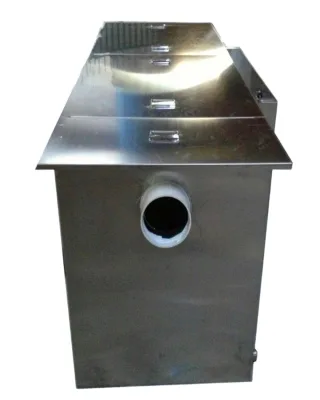
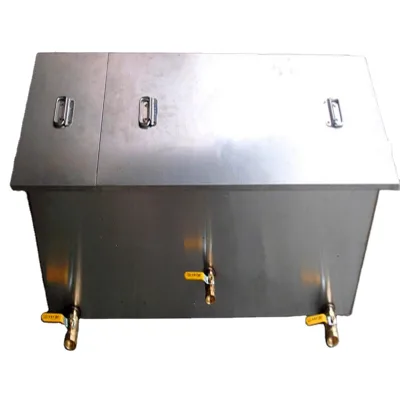
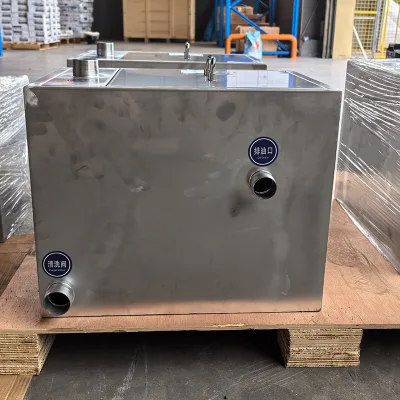
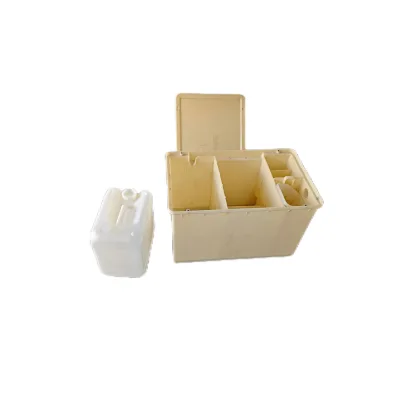
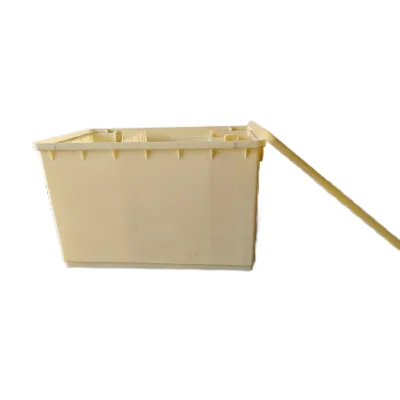
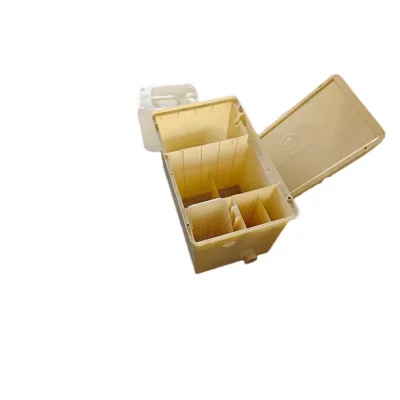
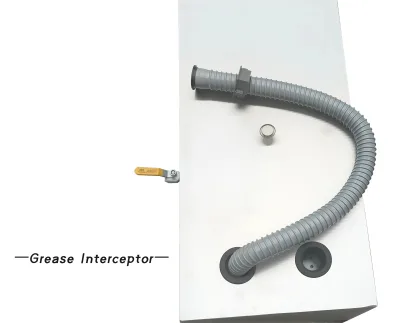


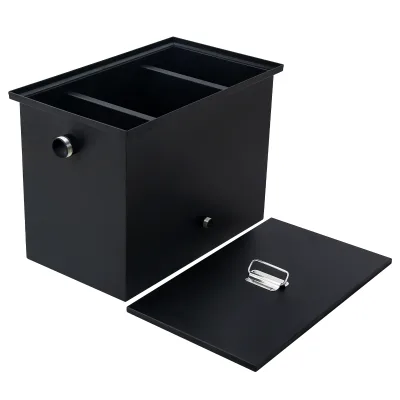
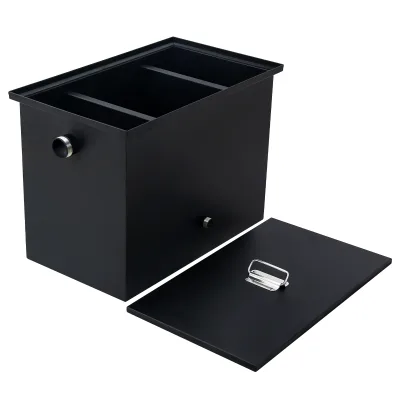
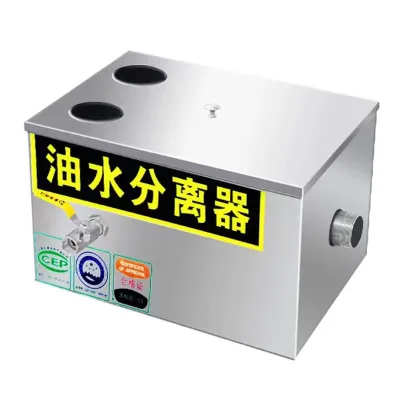
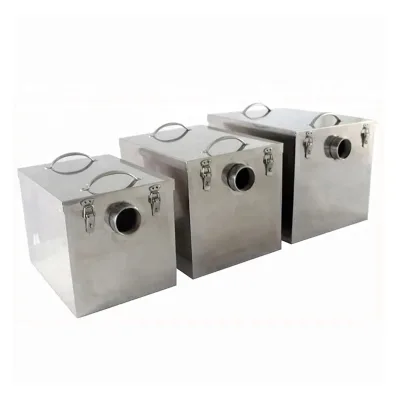
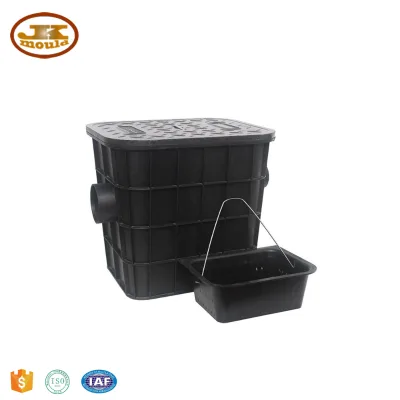
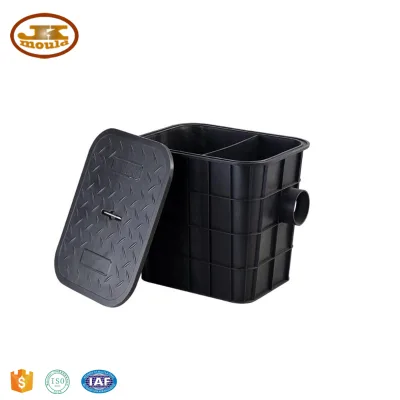

Stainless Steel 304 Kitchen Grease Trap Interceptor Oil Water Separator
$40.00 - $70.00
MOQ: 20 Pieces


Comprehensive Sourcing Guide
Strategic Sourcing Guide for Oil-Water Separation and Grease Trap Systems
Understanding Core Technical Specifications and Mechanical Principles
When sourcing oil-water separation grease traps, buyers must first establish a clear understanding of the mechanical principles and structural configurations that define the equipment's performance. The fundamental operating mechanism for these units is often categorized as "Ordinary" mechanical separation, relying on gravity and density differences to isolate oil from water. This process is critical for applications ranging from commercial kitchens to industrial wastewater treatment facilities. The efficiency of the separation is a primary performance metric, with suppliers typically claiming "Efficient Filtration" capabilities. However, buyers should treat these performance claims as observations that require verification against specific site conditions rather than universal guarantees.
The structural design of the grease trap is equally vital. Available configurations include "Mobile" units, which offer flexibility for temporary or rotating site requirements, and fixed installations. The internal architecture often varies by the number of access points, with styles available as "Oil-Water Separator Single/Double/Triple Hole" configurations. This variation allows procurement teams to match the unit's physical interface to existing plumbing infrastructure. The material composition is a decisive factor in durability and corrosion resistance. Common materials observed in the market include "Carbon Steel" and "Stainless Steel," with the latter being preferred for environments with high moisture or corrosive chemicals. The wall thickness of these units is a specific specification that buyers must verify, with observed ranges including 0.8mm, 1.0mm, 1.2mm, and 1.5mm. Thicker gauges generally imply higher structural integrity but may increase weight and cost.
Compliance, Standards, and Certification Verification
Navigating the regulatory landscape for oil-water separation equipment requires a rigorous approach to standards and certifications. Unlike consumer goods, industrial filtration systems often operate under customized standards rather than a single universal norm. In the observed market, product standards are frequently listed as "customized," indicating that the unit's dimensions and performance parameters are tailored to the specific needs of the buyer or the local jurisdiction. For instance, specific dimensional standards such as 400200200 mm or 500300300 mm have been noted, but these should be viewed as examples of available configurations rather than mandatory requirements for all units.
Buyers must verify that the equipment meets local environmental regulations regarding wastewater discharge. While specific certification bodies are not universally mandated in the provided data, the presence of an "Ex-Factory Inspection" is a strong indicator of quality control. This inspection should be documented and reviewed to ensure the unit meets the agreed-upon specifications before shipment. Furthermore, the origin of the product plays a role in compliance; units originating from regions like Shanghai or Shandong, China, may be subject to different manufacturing oversight protocols. Buyers should request documentation confirming that the core components, such as the "Pump," adhere to relevant electrical and mechanical safety standards. The electrical equipment supporting these systems often operates at various voltages, including 110V, 220V, and 380V, necessitating a check against local power grid compatibility.
Cost Drivers and Pricing Dynamics
The pricing of oil-water separation grease traps is influenced by a complex interplay of factors, including material selection, customization levels, and production volume. The observed price range in the market spans from $1.50 to $2,999, a vast disparity that reflects the difference between small-scale, simple units and large, industrial-grade systems with advanced features. The "Selling Units" are typically listed as "Single item," but the actual cost per unit can vary significantly based on the "MOQ" (Minimum Order Quantity). While some suppliers may list an MOQ as low as 2 pieces, others may require 5 pieces or even up to 500 units, directly impacting the unit price through economies of scale.
Material costs are a primary driver of the final price. Stainless steel units generally command a higher price point than carbon steel equivalents due to the raw material cost and the additional processing required to ensure corrosion resistance. Customization is another significant cost factor. Products with "Accept Customization" for size, thickness, or internal structure will inevitably cost more than standard off-the-shelf models. Additionally, the complexity of the "Processing Type," such as advanced filtration mechanisms, can drive up the price. Buyers should also consider the "Single gross weight" and "Single package size" when calculating logistics costs. For example, a unit with a gross weight of 50.000 kg and dimensions of 50x50x60 cm will incur higher shipping fees than a lighter, more compact model. The "Supply Ability," noted as 200 sets per month for some suppliers, can also influence pricing; high-demand periods may lead to price increases or require premium charges for expedited production.
Typical Applications and Operational Requirements
The versatility of oil-water separation grease traps allows them to serve a wide array of industries, from small commercial kitchens to large-scale industrial facilities. The primary application areas identified include "kitchen," "hotel," and "wastewater treatment" environments. In these settings, the equipment is tasked with separating "sludge," "clay," "coconut oil," and general "wastewater" to prevent blockages and environmental contamination. The productivity rates of these units vary widely, with observed capacities ranging from 500L/Hour to 50000L/Hour. This range suggests that a single model is unlikely to satisfy all needs; a small restaurant may require a low-flow unit, while a large industrial plant will need a high-capacity system.
The power requirements for these systems are another critical consideration. Units may be equipped with electrical components operating at 800W, but the specific voltage requirements (110V, 220V, or 380V) must align with the facility's power infrastructure. The "Capacity" of the system, often listed as 1-50m3/h, is a key metric for sizing the equipment correctly. Buyers must calculate their peak wastewater flow rates to ensure the selected unit can handle the load without overflow or reduced efficiency. The "Type/Name" of the product, such as "Stainless steel grease trap" or "Oil-water seperator," often hints at the intended application; stainless steel is preferred for food service due to hygiene requirements, while carbon steel might be used in less corrosive industrial settings. The "Core components," particularly the pump, are essential for moving the separated fluids, and their reliability is paramount for continuous operation.
Supplier Evaluation and Geographic Considerations
Evaluating suppliers for oil-water separation equipment requires a focus on their manufacturing capabilities, geographic location, and service offerings. The origin of the products is a significant factor, with notable manufacturing hubs identified in Shanghai and Shandong, China. These regions have established supply chains for metal fabrication and industrial machinery. When assessing a supplier, buyers should verify their "Supply Ability," which has been observed at 200 sets per month for certain vendors. This metric provides insight into the supplier's capacity to fulfill large orders without significant delays.
Service support is another critical criterion. Suppliers offering "After-sales Service Provided" that includes "Field installation, commissioning and training" add significant value to the procurement process. This support ensures that the equipment is installed correctly and operated efficiently, reducing the risk of premature failure. Additionally, the availability of "After Warranty Service" in the form of "Video technical support" can be a valuable resource for troubleshooting issues remotely. The "Warranty" period, typically observed as 1 Year, should be clearly defined in the contract, outlining what is covered and the process for claims. Buyers should also inquire about the "Port of dispatch," such as Qingdao port, to understand the logistics chain and potential shipping delays. The "Brand name," such as Alluniverse, may indicate a level of market presence, but buyers should prioritize the supplier's track record and technical competence over brand recognition alone.
Quality Control and Long-Term Procurement Strategies
Ensuring the long-term reliability of oil-water separation systems requires a robust quality control strategy. The "Status" of the products is typically listed as "New," but this does not guarantee the absence of manufacturing defects. The "Ex-Factory Inspection" provided by the supplier is a crucial checkpoint, but buyers should consider implementing their own third-party inspection protocols, especially for large orders. The "Packing Details" are also indicative of the care taken during shipping; "Standard Export Packing" and "Wooden Case" options suggest a focus on protecting the equipment during transit. However, the "Product Name" and "Model" variations, such as CT-YX028 or CT-SYY001, highlight the need for precise verification of the specific model ordered to avoid receiving incorrect specifications.
Long-term procurement considerations extend beyond the initial purchase. The "Customization" availability allows for future adaptability, but buyers should ensure that the supplier can support modifications or replacements if operational needs change. The "Weight" of the unit, ranging from 1000 kg for heavy industrial models to lighter variants, impacts the foundation requirements and installation logistics. Buyers should plan for the full lifecycle cost, including energy consumption, maintenance, and potential replacement of core components like the pump. The "Productivity" and "Capacity" metrics should be reviewed periodically to ensure the equipment continues to meet the facility's demands as operations scale. By maintaining a focus on these technical and operational details, buyers can secure a reliable supply of oil-water separation grease traps that deliver consistent performance and compliance over time.
FAQs
What is the mechanical principle of these grease traps?
The mechanical principle is ordinary gravity separation relying on density differences. This process efficiently filters oil from water without complex machinery, making it suitable for standard kitchen and industrial wastewater applications.
Which materials are used to construct these units?
Units are constructed from carbon steel or stainless steel depending on the specific model. Stainless steel is preferred for corrosion resistance in food service, while wall thickness typically ranges from 0.8mm to 1.5mm for structural integrity.
Can I customize the size and dimensions of the separator?
Yes, customization is available for size and internal structure to meet specific site requirements. Buyers can request dimensions such as 400*200*200 mm or 500*300*300 mm, or specify custom thicknesses to fit their infrastructure.
What is the minimum order quantity for purchasing these traps?
The minimum order quantity varies by supplier but typically ranges from 2 to 5 pieces. Some larger industrial orders may require up to 500 units, which can influence the unit price through economies of scale.
How is the product packed for shipping to ensure safety?
Products are packed in wooden cases or standard export packing to prevent damage during transit. Single package sizes often measure around 50x50x60 cm, with gross weights varying based on the specific model and material used.
What after-sales services are provided with the equipment?
Suppliers provide field installation, commissioning, and training as part of their after-sales service package. Additional support includes video technical assistance after the warranty period, which typically lasts for one year from the date of purchase.